Ruto: I Won On My Own
President Ruto hits out at Gachagua over Mt Kenya votes claim
Ruto says he campaigned for his 2022 votes in Mt Kenya
President says he will go back to campaign in Mt Kenya
Ruto: We will not accept politics of ethnic division
Pres. Ruto attended service at Full Gospel Gatunduri Church in Embu
#CitizenSundayLive
Bro,the BILLIONAIRE you are;HIDING behind 'debts';forcing many months' UNPAID labour slaving to defend your STANDARD headlines 'BOLD' extortion GANGSTERISM driven by GREED;is HEARTLESS to loyal workers, INSULT to journalism and BETRAYAL to free media that STANDARD once belonged.
GMoi,your STANDARD media’s 5 days a week EXTORTIONIST propaganda HEADLINES on me & my administration’s transformative track record will get you NOTHING & NOWHERE.BLACKMAIL to yield to your GREED? NEVER.Kenya belongs to all Kenyans,not you alone.Jaribu 8 days a week. Do your WORST
Swamp to rice fields:
2,000 acres of swamp rehabilitated to rice fields in Homa Bay
1,500 rice farmers have benefited from the rehabilitation project
LBDA rehabilitated canals across 5,000-acre stretch in 2015
#CitizenFridayNight
My fellow Kenyans ,
To construct the Thika Superhighway, an entire mall that housed a Nakumatt supermarket was demolished. When questioned in Parliament, Chris Obure, the Infrastructure Minister at the time, stated plainly that roads are not built in the air and that even flyovers require land. His words were direct, but they captured an unavoidable truth: development demands sacrifice.
At the time, the demolition of Nakumatt along Thika Road sparked public outrage. There was a hue and cry, and many viewed it as excessive or unjustified. Yet today, Thika Highway is lined with multiple malls, residential complexes, and countless commercial developments. The corridor has transformed into one of the country’s most vibrant economic zones. Few people remember what was demolished; most benefit from what was built. That is often the nature of progress—initial discomfort followed by long-term gain.
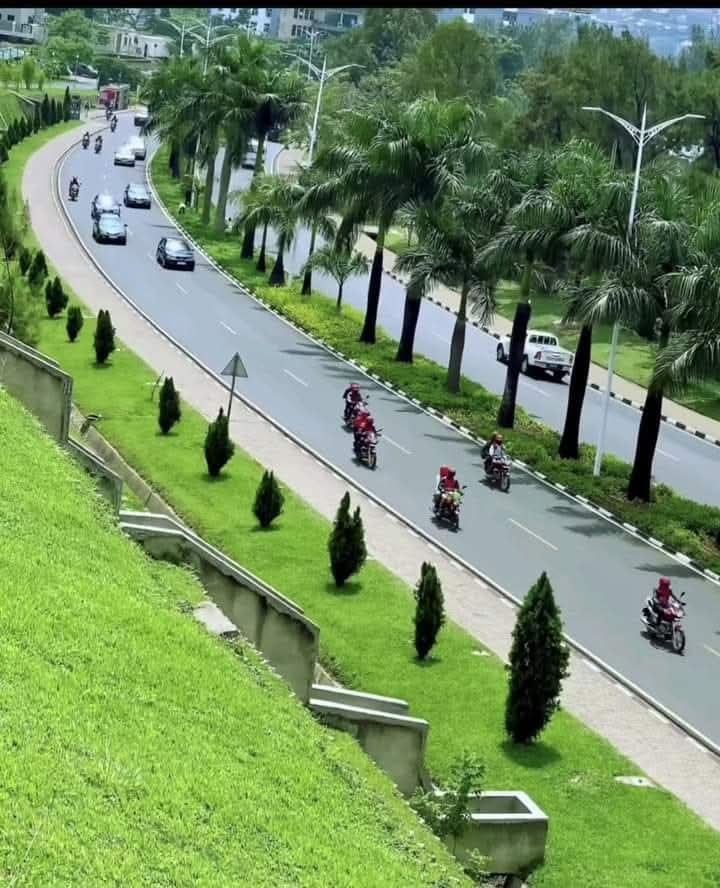
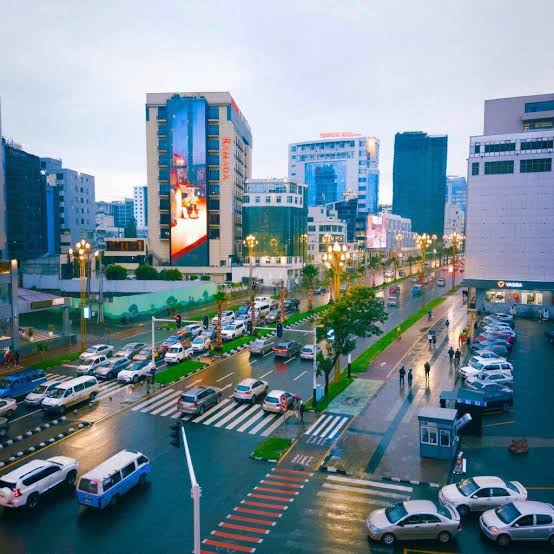
Kenyans routinely praise cities such as Dubai, Kigali, and Addis Ababa. Comparisons flood social media, often portraying Kenya as stagnant or incapable of progress. Yet the contradiction is striking. When authorities take concrete steps to restore order or reorganize public spaces, resistance quickly follows.
We cannot demand world-class cities while defending disorder at home. Pavements are for pedestrians. Highways are for transport. They are not extensions of private enterprise. The unchecked spread of kiosks onto walkways and road reserves has normalized congestion, safety hazards, and urban chaos. Order cannot coexist with selective obedience to the law.
Kigali did not become organized by accident. President Paul Kagame’s administration enforced regulations firmly and consistently, including prohibiting kiosks along major roads and pedestrian paths. The same determination has been visible in Addis Ababa under Prime Minister Abiy Ahmed and Mayor Adanech Abebe. These leaders did not ask whether enforcement would be popular; they recognized that lasting order requires resolve.
What undermines reform in Kenya is not merely resistance from affected traders but the predictable politicization that follows. Law enforcement should not be turned into campaign material. Where notice has been issued and regulations are clear, implementation should proceed without apology.
Many of the kiosks being removed were erected illegally and should never have occupied public spaces in the first place. Pretending otherwise for political convenience only entrenches impunity. A nation cannot mature if every enforcement action is framed as oppression and every demolition becomes a rallying cry.
Yes, people must earn a living. Informal trade sustains thousands of families. But economic survival does not grant permission to appropriate pavements and road reserves. Kenya has designated markets that remain underutilized because roadside visibility is seen as better which is a bad mindset. This mindset steadily erodes urban order in the long term.
The real question is simple: what kind of country do we want?
It is inconsistent to criticize leadership for failing to match Kigali or Addis Ababa while resisting the discipline required to achieve similar outcomes. Progress is rarely painless, but it is often worthwhile. The benefits of order tend to outlast the protests that precede it.
If we genuinely aspire to have organized, functional cities, then the law must be applied firmly and consistently—and both politicians and citizens must stop sabotaging that process.
As always I choose to remain an optimist
If you are tired, Eat SALT.
If you have a low mood, Eat SALT.
If you are dizzy, Eat SALT.
If you have a headache, Eat SALT.
If you lose appetite, Eat SALT.
If you have nausea, Eat SALT.
If you vomit during travel, Eat SALT.
SALT is life.
Eat SALT.
#FoodFriday