🔊‼️ Abstract submission for BritBats 2025 has been EXTENDED until 14th November 2024. ‼️🔊
🦇If you are a student or postdoc researching bats, we can't wait to hear from you!🦇https://t.co/QiWDhgsiau
@Co_Biologists@vincentwildlife@SussexUni @EcotypeGenetics
It´s a good weekend! Second New Paper🚨
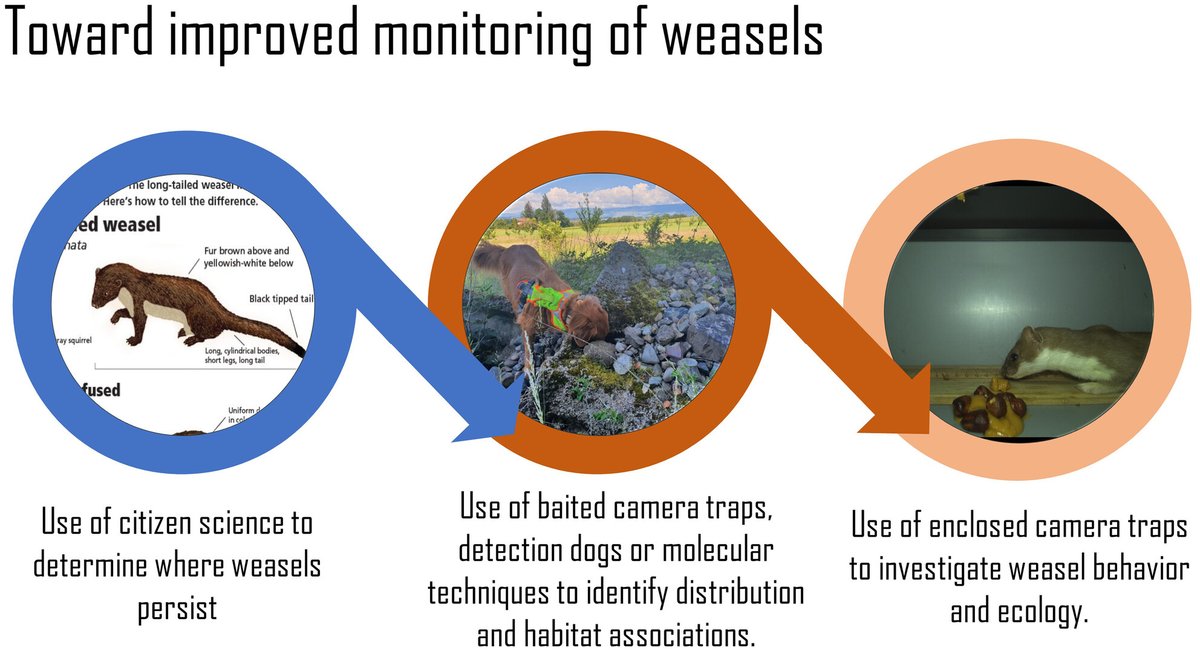
Last year, we organised the first International Weasel Monitoring Symposium. We now published a review on non-invasive monitoring methods for weasels with the speakers and participants, led by @DavidJachowski
https://t.co/icdVhrMojx
New paper!
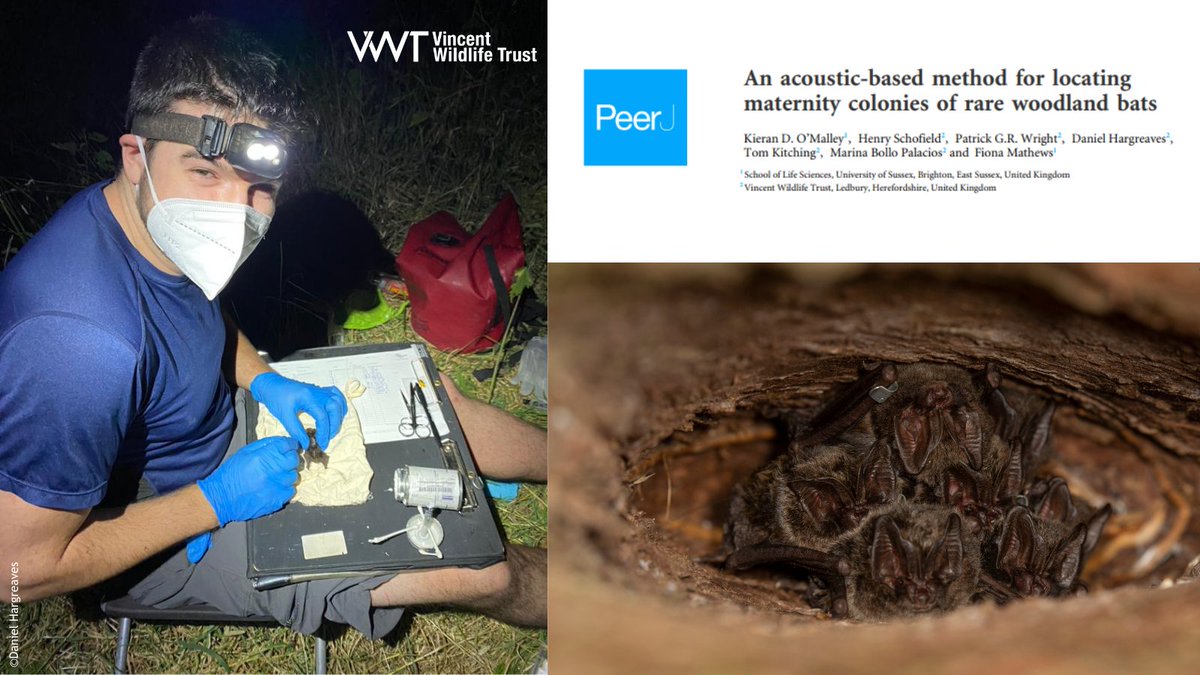
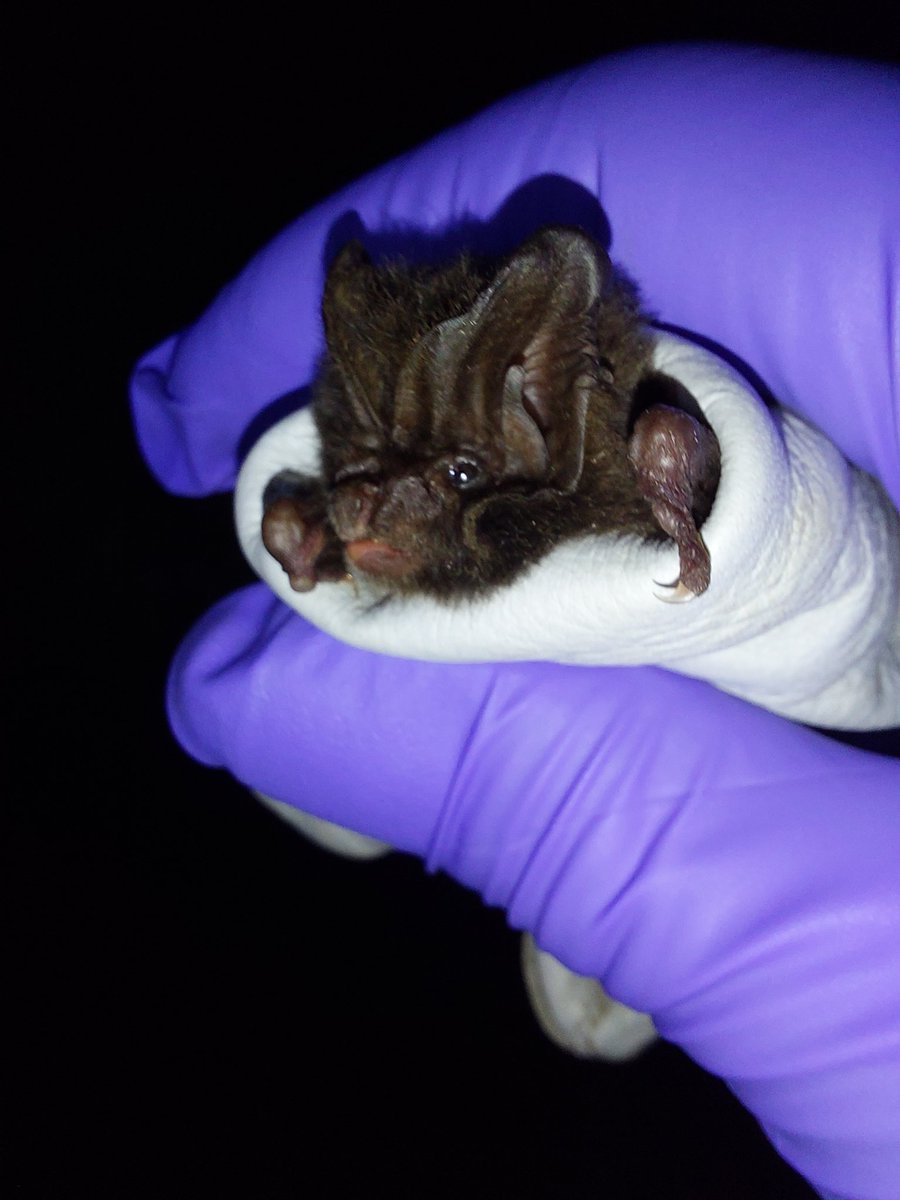
Our PhD student Kieran O’Malley developed a methodology for locating colonies of barbastelle, a woodland specialist bat, by predicting occupancy using acoustic detectors.
👉https://t.co/nyaP0sroPQ
How do you find a needle in a haystack?
Or a very rare bat in woodlands?
Our new paper, shows how to use #CitizenScience accoustic surveys to focus search for barbastelle maternity roosts. https://t.co/5gY6MKRCoB @kezomalley@vincentwildlife#bats#conservation 🦇🦇
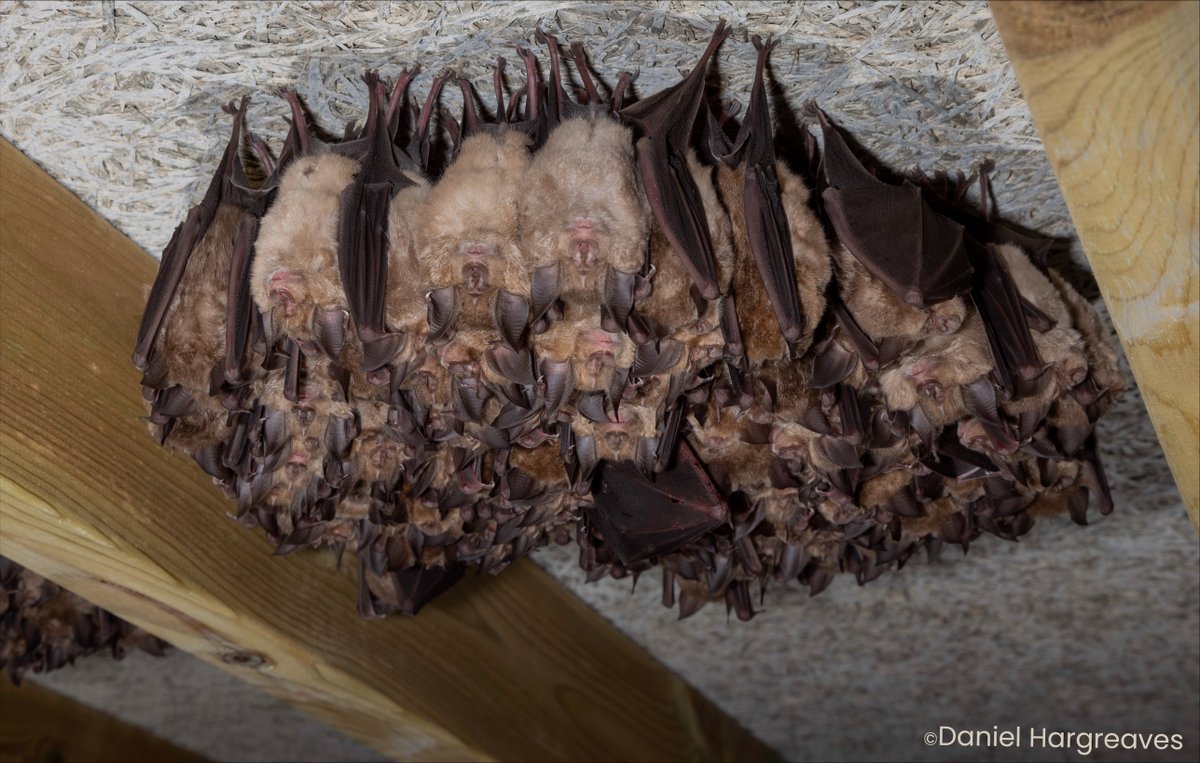
VWT purchased and restored Pencelli Mill in '97 to conserve the breeding lesser horseshoe colony - now thriving with >400 individuals. For the past 3 years we’ve been managing the meadow to increase wildflower and insect diversity. Thanks to VWT staff and volunteers help!
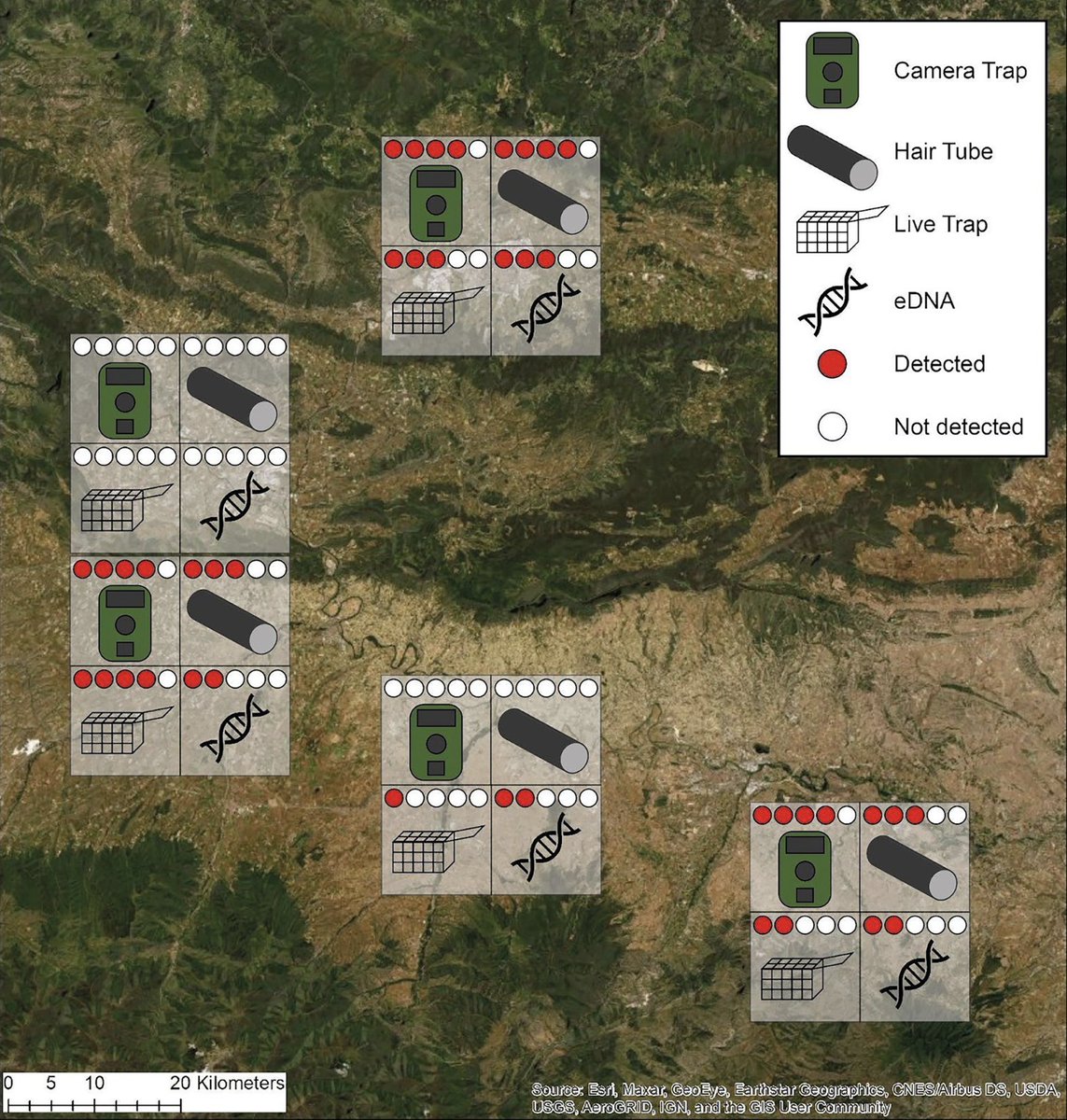
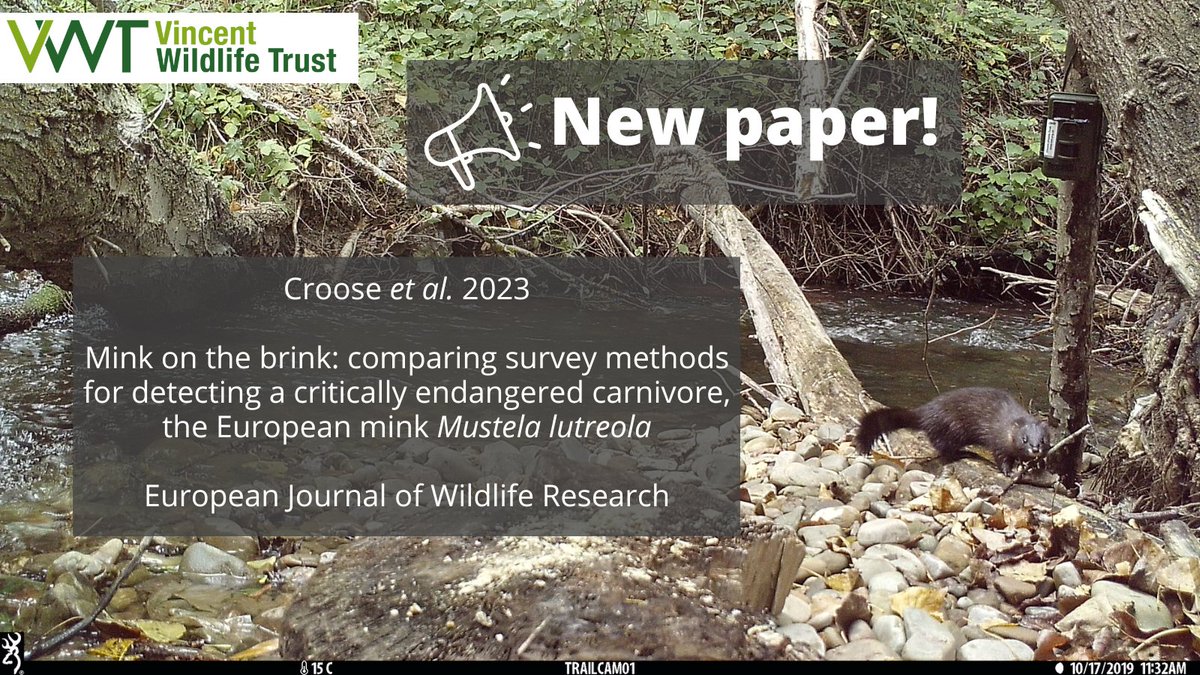
Cool paper by @LizzieCroose et al on the comparison of several methods to detect the European mink. Cam traps & hair tubes had higher det prob, but live traps & eDNA detected the species where the other methods failed.
https://t.co/os656ezYwf
🗞️#319-2023
Two for the price of one! The call of the greater horseshoe bat at 80kHz is unmistakable whether in Britain or Croatia. Listen closely and you may also hear a European free-tailed bat. These are loud and can be heard with the naked ear at more than 100m distance at 13-17kHz.
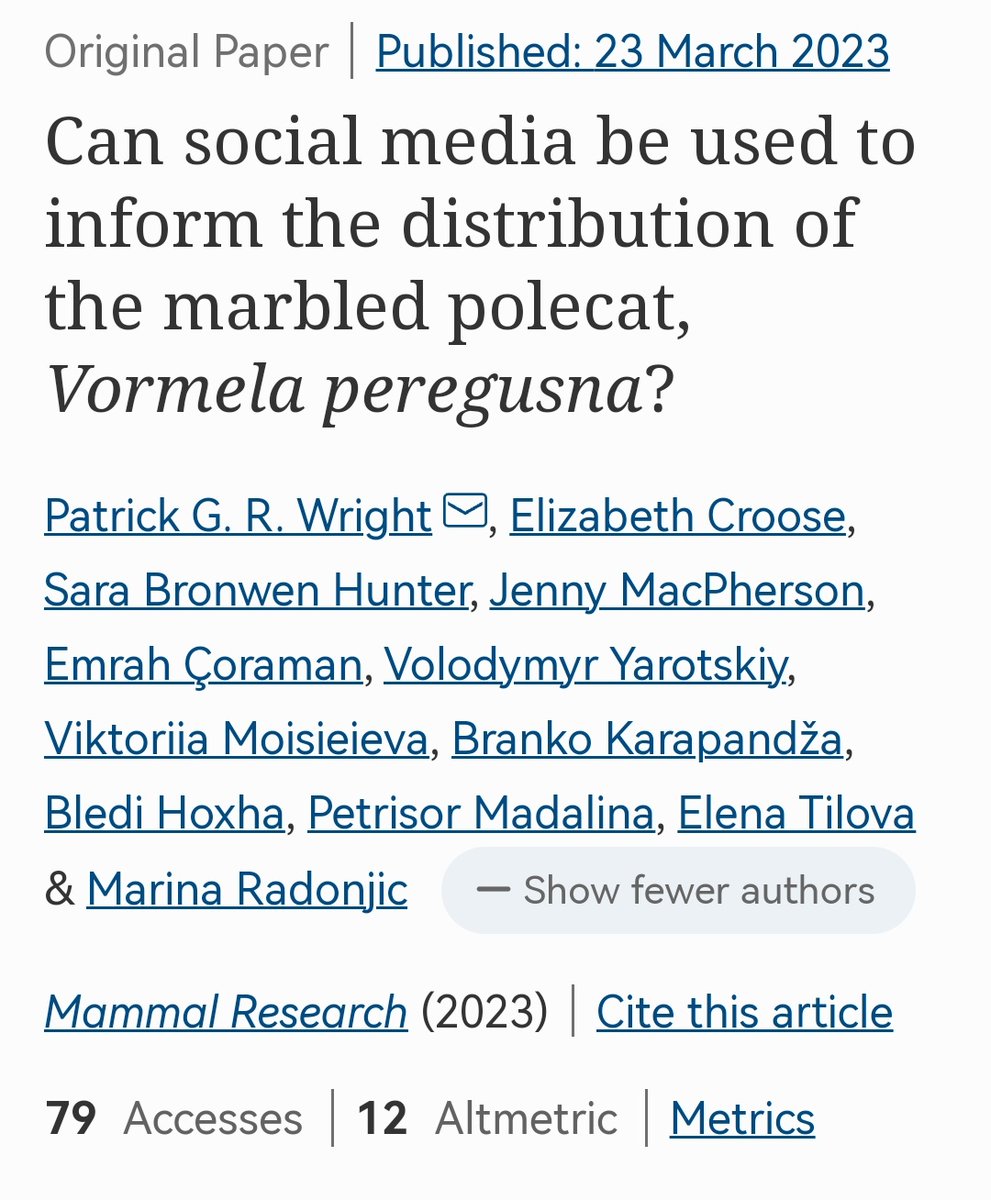
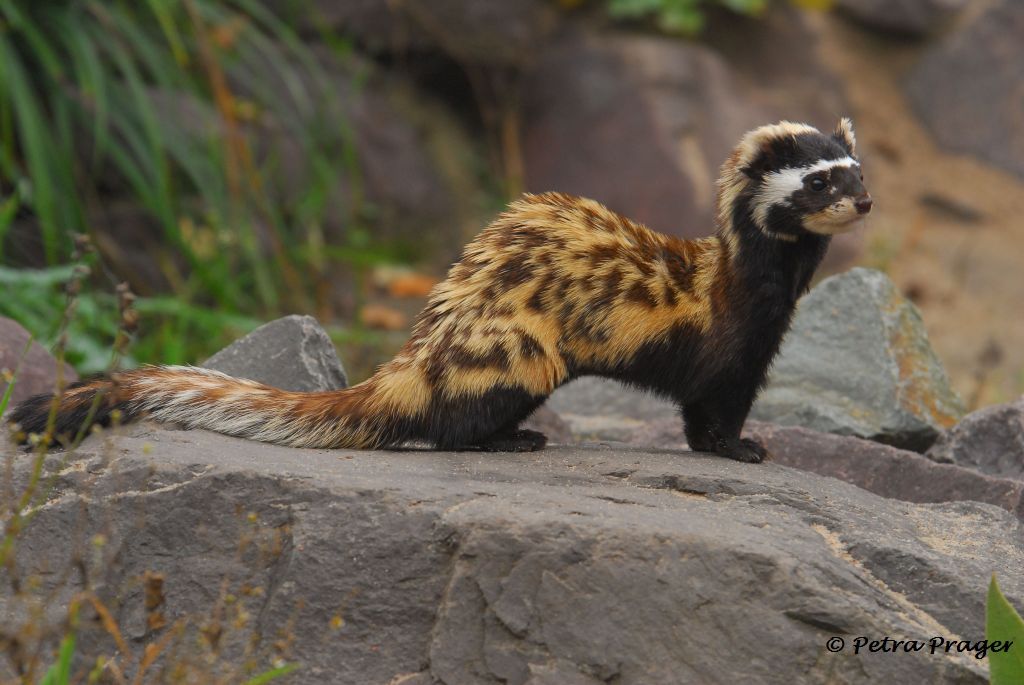
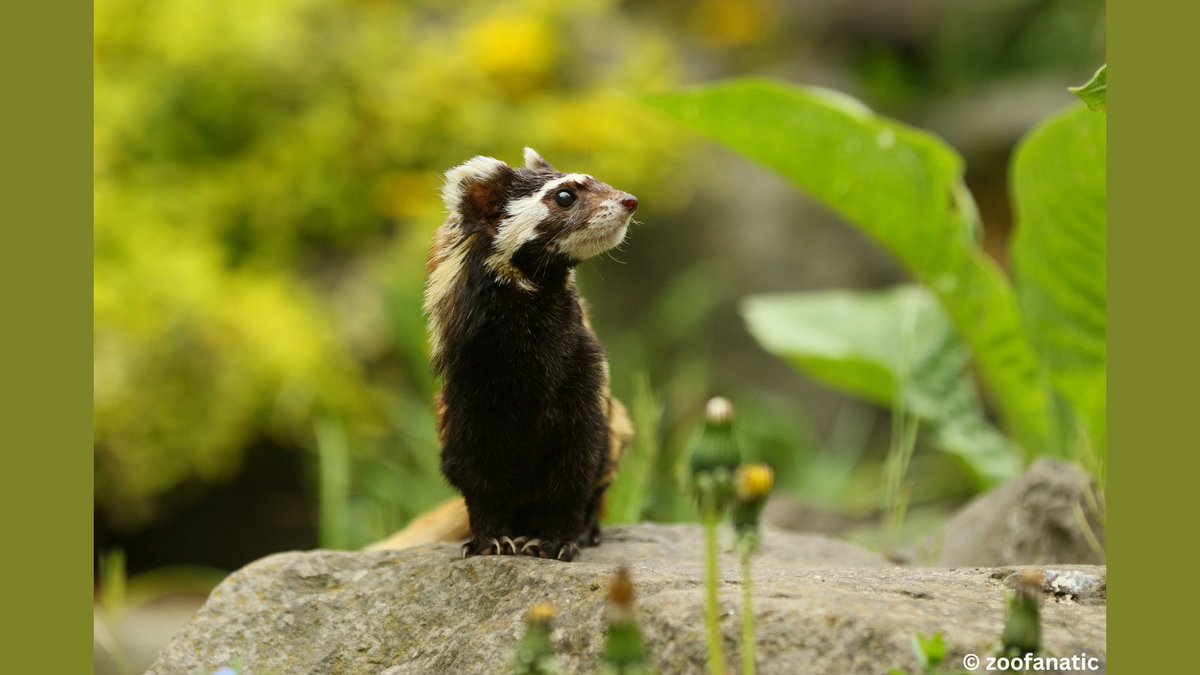
A new social media post on marbled polecats from the Ukrainian front has received a lot of attention.
Eastern Ukraine is a hotspot for the species. Let's hope the populations are not severely impacted by the war. 🐾
Find out more about our research - https://t.co/KUMxMS5yvx
🚨We were very excited to find this lovely bat in our boxes last week. At 18 years old, we believe she is the oldest Bechstein's bat recorded in the UK. She was first seen as a juvenile in 2005 and has had 10 pups since. 🦇🌳🦇 #bats#CitizenScience
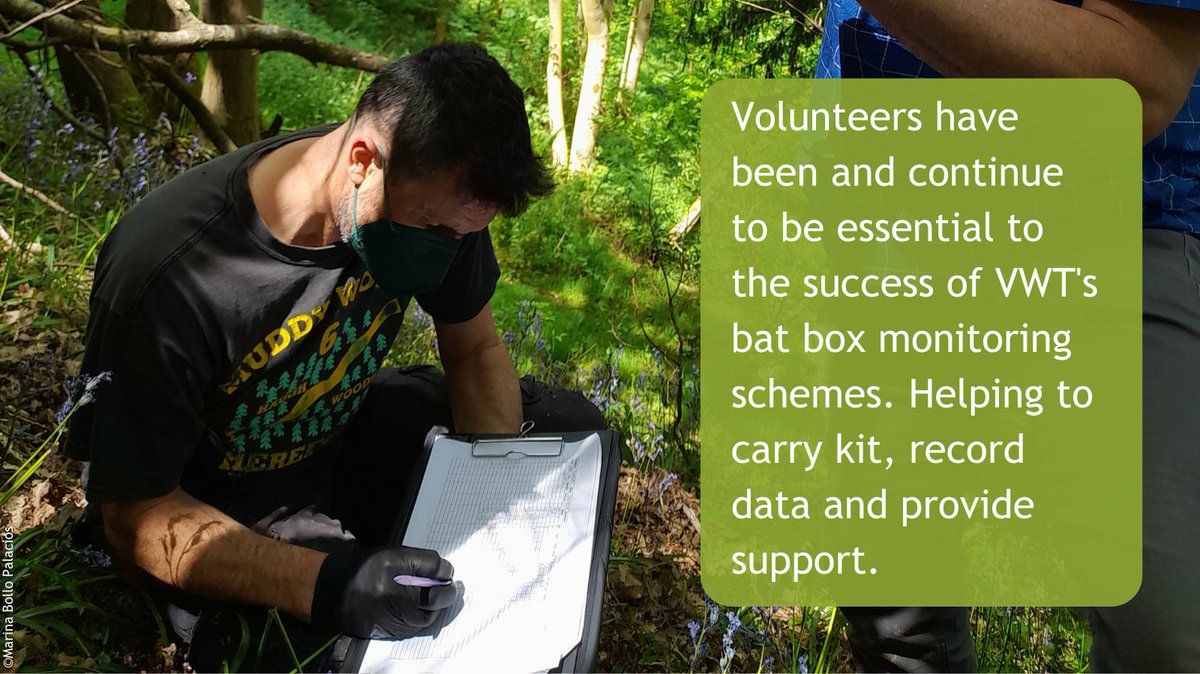
Thank you to our bat box monitoring volunteers for helping to monitor barbastelles in the Malvern Hills and Bechstein's bats in Dorset. Last photo is a recent highlight for the team when they caught VWT's oldest Bechstein's bat on record, known to be 18 years old.
#VolunteersWeek
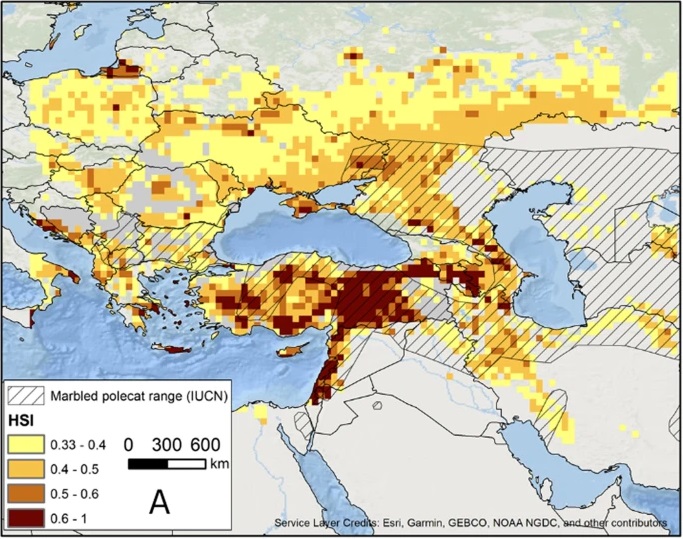
😱 This would have been an interesting sighting to add to our study! We found that eastern Ukraine is a hotspot for marbled polecats, it's good to see people still looking after them. https://t.co/zCweqCaMkN @MammRes@vincentwildlife@LizzieCroose
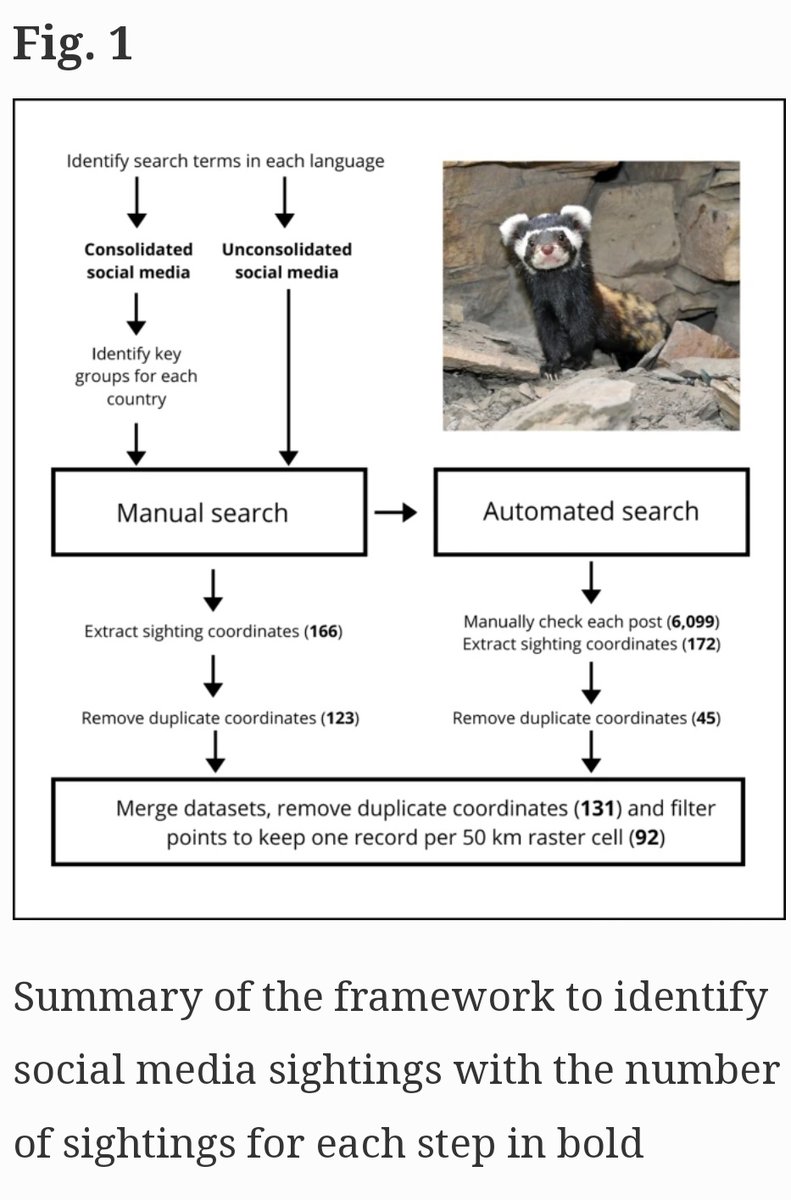
Twitter, Facebook ve Instagram'da arazi çalışması yapılır mı? 🤗 Sosyal medyaya yüklediğimiz hayvan ve bitki fotoğrafları o kadar çok ki bunların bazıları yeni bulgular olabilir. Yeni makalemizde sosyal medyada "gezerek" nesli tehdit altında olan "alaca sancar" türünü inceledik.
Papers are like buses; you wait ages for one, then two arrive at once!
Check out our latest paper, led by @BatPatWright, where we used social media to learn more about the distribution of one of the least known yet coolest mustelids - the marbled polecat!
https://t.co/LdhYim5Zx5
New Paper Published! Our latest paper on marbled polecats is out! With an international team of biologists we investigated the use of records available on social media to better inform the distribution of this amazing species! Read the paper: https://t.co/Mr8nQf0sFA
🚨 Excited to finally publish our paper on the marbled polecat aka the funkiest mustelid in the world.
Read the paper: https://t.co/Bnv4fBG80a - DM for a copy🐾
📣NEW PAPER https://t.co/LXCgqcIPCA Excluding barn owls from a UK greater horseshoe bat roost sees the return of a large maternity colony. Find out about actions @vincentwildlife carried out to conserve this important site @MarinaBollo@TomKitchng@BatPatWright @Henry_Schofield
Our latest #OA paper led by @LizzieCroose is out. We investigated the use of different survey methods to detect the critically endangered European mink. Read the paper: https://t.co/9Mc5uJKaBy
🚨Job @Forest_Research! 🚨
Opportunity for a population modeller with background in spatial analysis & movement ecology to join friendly team @FR_LUES. Focus on pine martens and grey squirrels, working with @vincentwildlife@gloswildlife. Closes Feb 12th! https://t.co/a8b75WwDS6
@BethRSmith_@p_aulwhite Hard to tell, but it could be a Myotis myotis. They're quite common in that part of the country, plenty roosting in old churches.