Every researcher I talk to has a version of the same Monday. Run the search. Get 400 results. Read 12, if that. Wonder, all week, whether the one you needed was in the other 388.
That low hum is the problem I am working on.
Saturday thought. The best researchers I know are not the fastest readers. They are the ones who remember a paper from a neighboring field and connect it months later.
That is memory and judgment, not speed. It is also the first thing a firehose takes from you.
I wrote the most personal thing I have published about why this company exists.
It starts with a plan to study sharks in Australia and ends with why I think staying current is the real frontier, not doing research faster. https://t.co/Mi3DPyv3WS
I wanted to be a professor for years. What changed my mind: the researchers I admired were spending their best hours trying to find the frontier, not working at it.
Reading had become a second job, and most were losing at it. I would rather fix that than join it.
Sat next to a software engineer on the train to Stanford. We talked the whole ride about one thing: how hard it's gotten to stay current.
He builds ML models for a living and still can't read fast enough to keep up.
Staying current has quietly become the job.
Google Scholar alerts, PubMed, RSS. They all assume you have time to go fishing. They hand you 200 results and call it help.
The labor of filtering still lands on you. That part should belong to the machine, not the scientist.
Most researchers do not fall behind because they stopped caring. The math stopped working.
A subfield can publish more in a month than anyone reads in a year.
The usual advice is to make peace with it. We think that advice is wrong. Staying current should not be a second job.
The hardest part of Atomic Research was never fetching papers. It is deciding what is relevant to you specifically.
Keyword matching is useless. Two labs can share every keyword and care about completely different things. Our system knows what matters
https://t.co/SAa3A47ynH
Last year the plan was to study sharks in Australia.
Headed for a professorship. Somewhere in there I realized the part of research I loved, the frontier, was the part the job had the least time for.
So I moved to SF and started building a fix.
I still think about the sharks.
Jane Street pays $750k/year for engineers who build AI trading systems from scratch.
This 15-minute talk by Jane Street senior engineer shows the exact system behind a $750k/year skillset.
here's what he covers:
• why generic AI fails at a top trading firm
• custom models trained on their own trading code
• real-time grading of every AI-written change
• one AI engine across the whole trading desk
most retail traders are still using generic AI tools - while the top hedge funds train their own models
Watch this video then read article below
Low predator and conspecific density lead to larger juveniles - an example ftom Cod populations. Canadian Journal of Fisheries and Aquatic Sciences. Just-IN https://t.co/FEhUB3rWAf
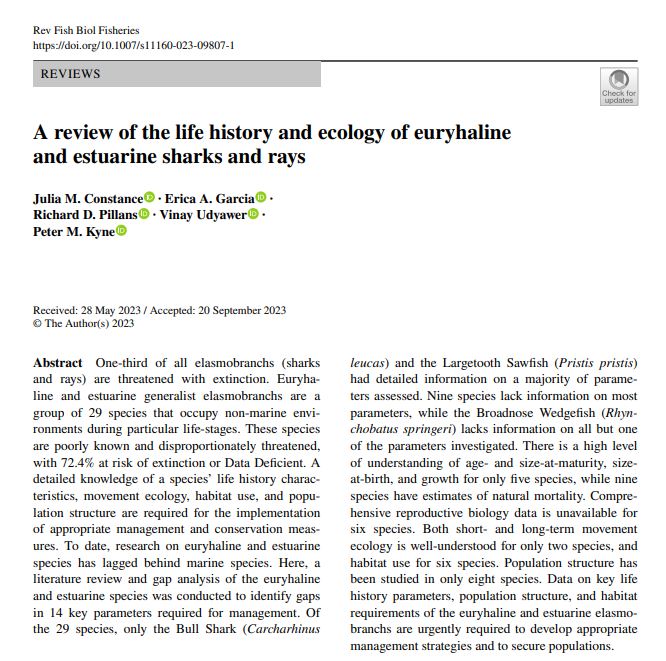
🚨 𝗡𝗘𝗪 𝗣𝗔𝗣𝗘𝗥 🚨
Out earlier this year in Reviews in Fish Biology and Fisheries - a new review on euryhaline & estuarine #elasmobranchs 👇
"A review of the life history and ecology of euryhaline and estuarine sharks and rays"
Full paper here ➡️ https://t.co/bFjJlTfCHV
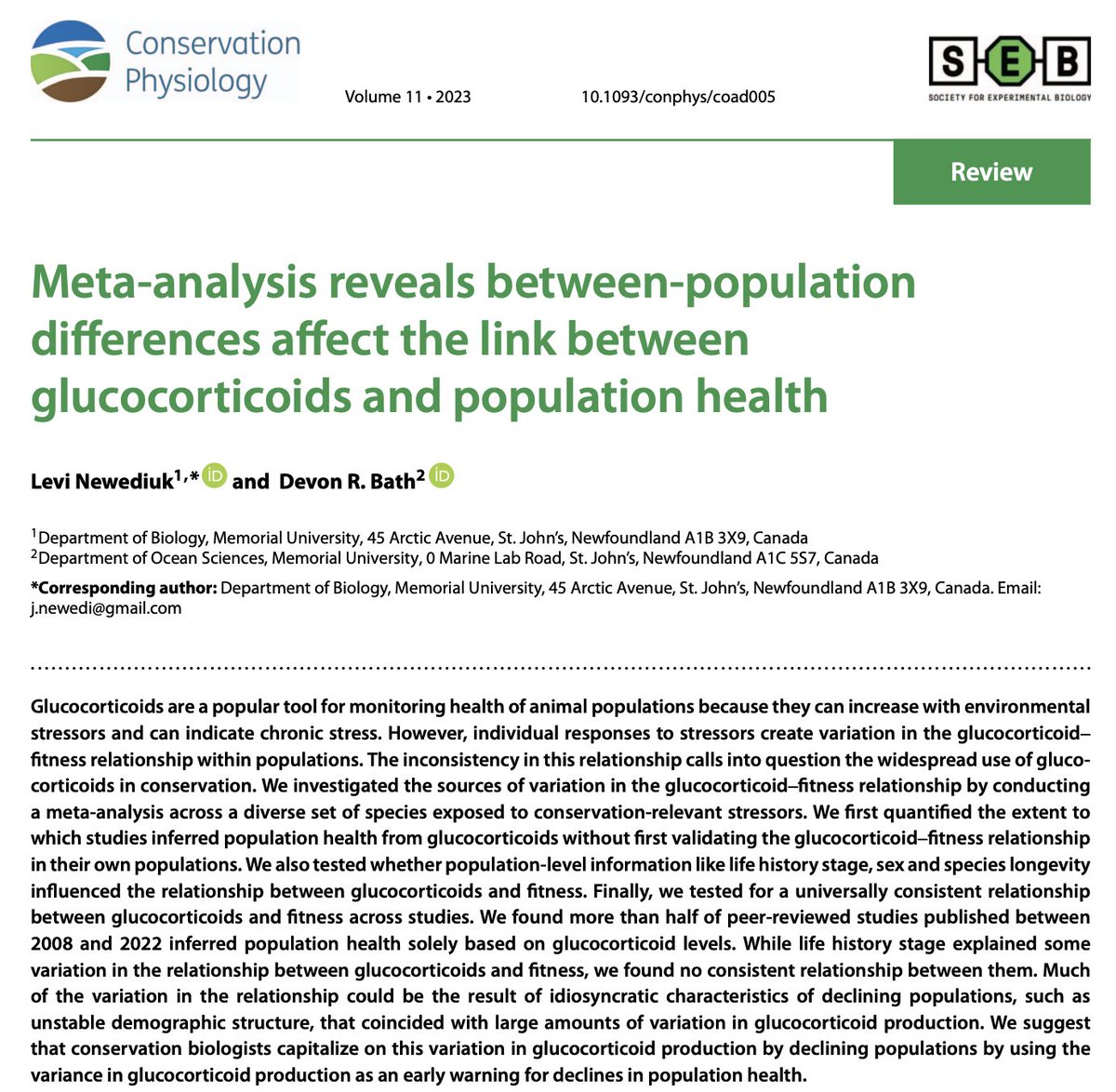
Super excited for this new paper out with my colleague @BathDevon! We took a good look at what glucocorticoids might mean for conservation of animal populations.
The research paper Dr. Newediuk and I have been working on has finally been published to the journal of ‘Conservation Physiology’. Link: https://t.co/Cn3eT5g3Xm
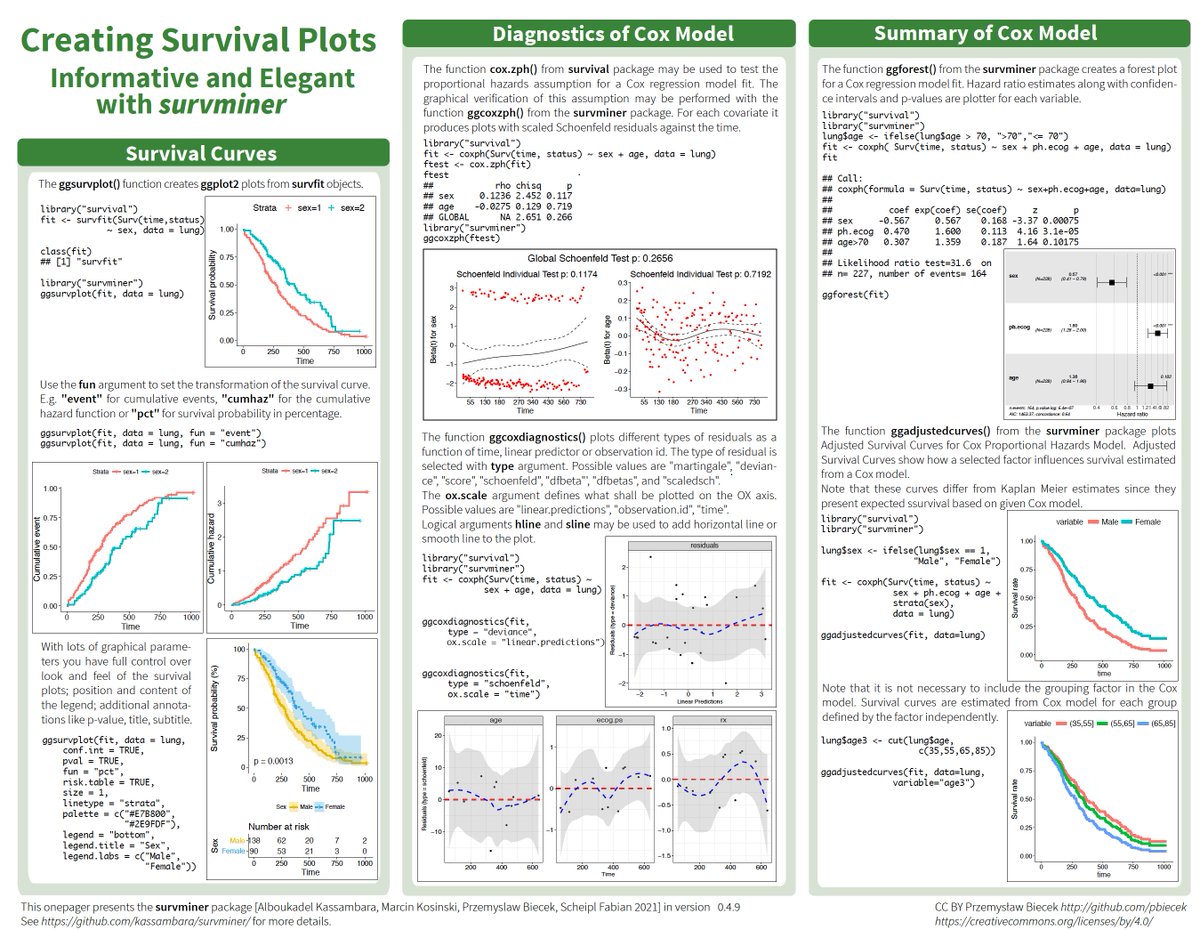
Four R packages for Automated Exploratory Data Analysis you might have missed by Nicolo Cosimo Albanese in @TDataScience https://t.co/XLBXb3NDge #rstats