Why Marine Protected Areas Are Failing Silky Sharks
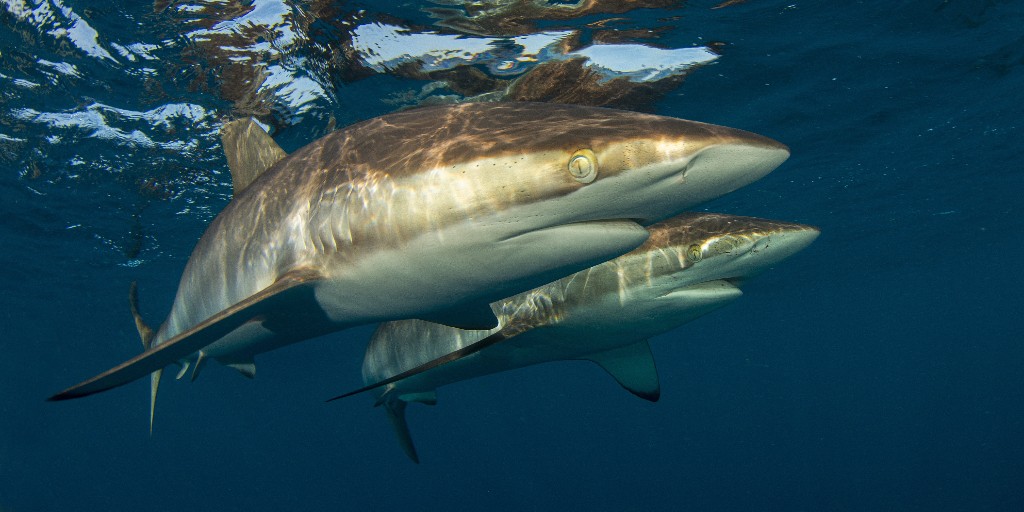
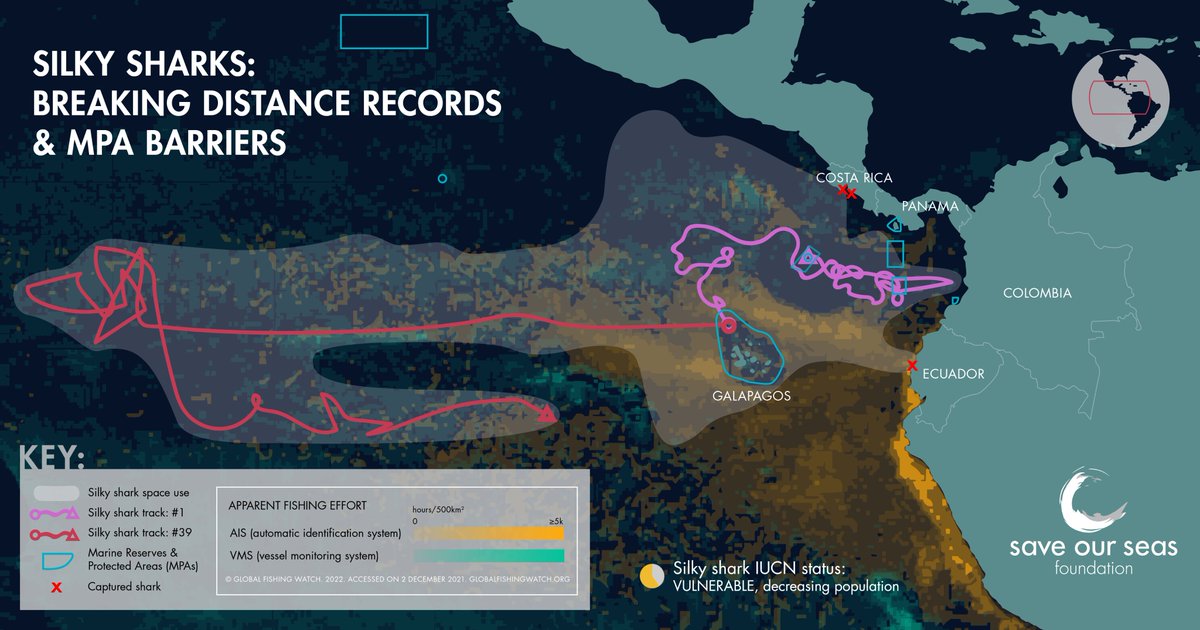
New satellite tracking research shows that while MPAs help, they are far from enough for a highly mobile species heavily targeted by global fisheries and the fin trade.
https://t.co/KxEiLF3CWc
Migratory species don’t recognize borders – and this is especially true in the ocean.
Tracking in the Eastern Tropical Pacific shows #silkysharks regularly leave protected areas, entering high-risk #fishing zones. Conservation must match their full range.
Read more: https://t.co/vJORthUSyl
Pelagic sharks in parks: Marine protected areas in the Eastern Tropical Pacific provide limited protection to silky sharks tracked from the Galapagos Marine Reserve
https://t.co/WnLE9Ckybv
https://t.co/FH23hHuxpf
The final chapter of my PhD is live now @RSocPublishing#ProcB!! Seasonally mediated niche partitioning in a vertically compressed pelagic predator guild | Proceedings of the Royal Society B: Biological Sciences (https://t.co/rHxmmFB74g)
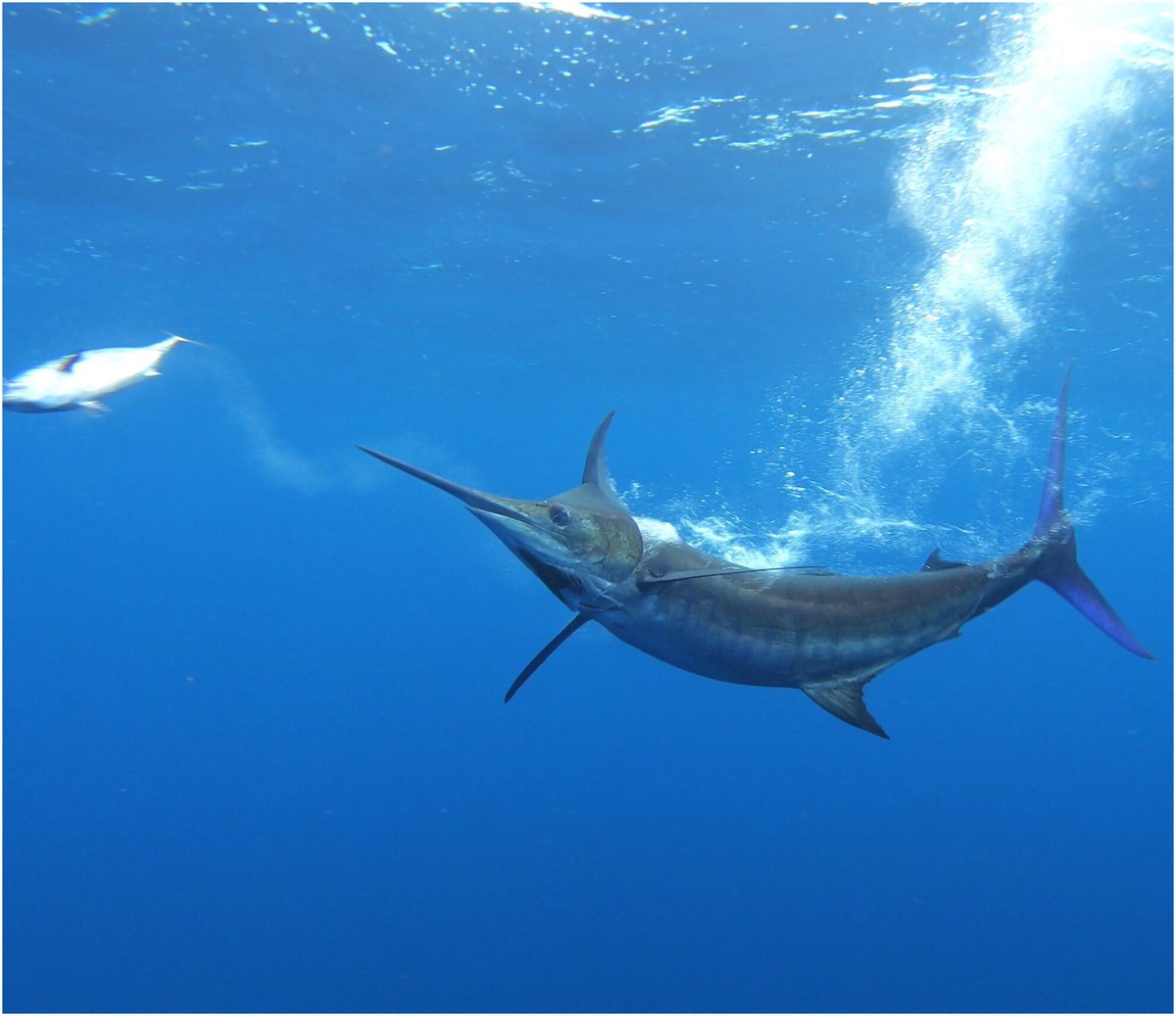
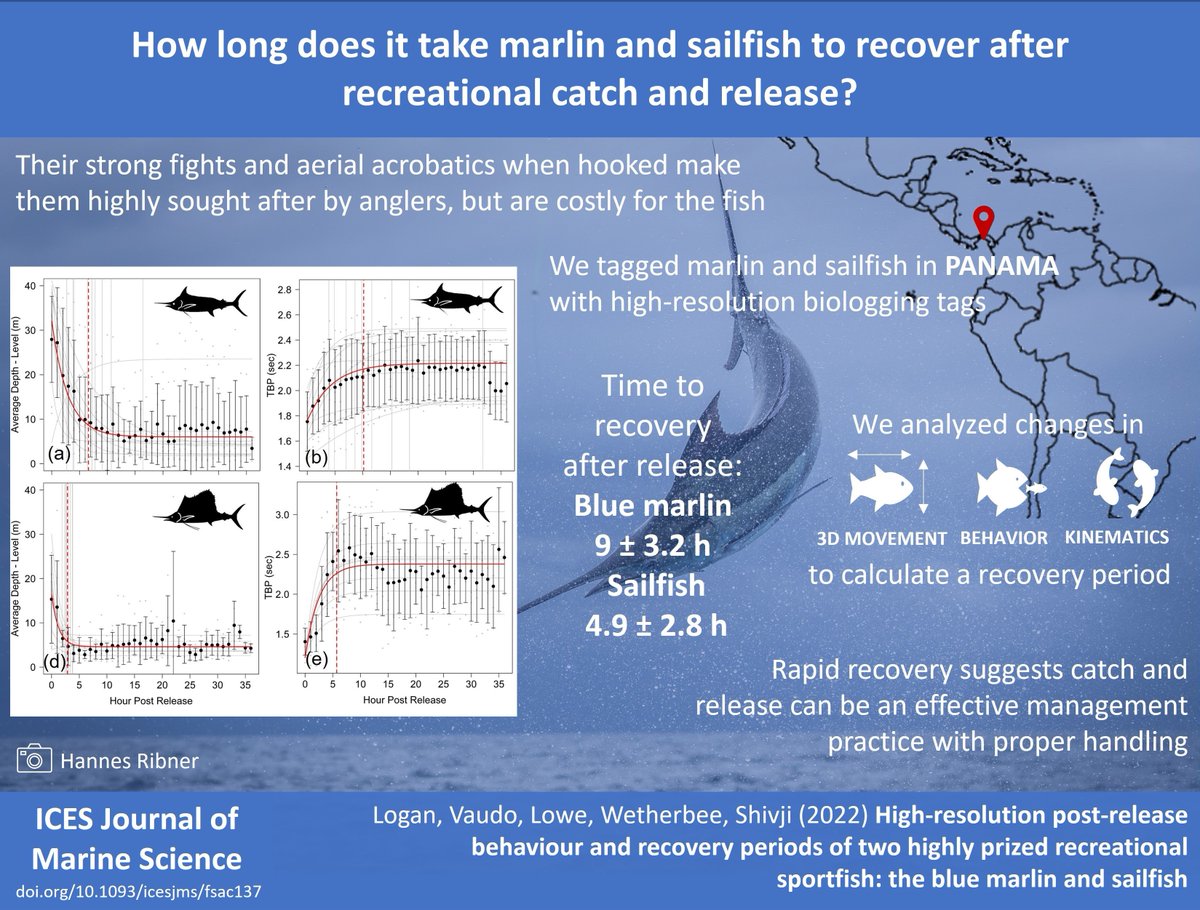
A study using high-resolution biologging tags provides insights into the behavior & recovery periods of blue marlin & sailfish caught in recreational fisheries. Findings suggest that catch-and-release practices are effective for conserving populations https://t.co/1JFz0p3RgL
🚨🚨New paper out today in @AnimalEcology!
We used #biologging tags to look at the foraging behavior of #marlin and #sailfish above the world's largest #OxygenMinimumZone. Spoiler alert: they use the hypoxic boundary to their advantage while hunting. https://t.co/V52vYFL14e
Published!
Combining animal-borne sensors and video, @rklogan et al. provide insights into the use of vertical fronts for hunting by marine predators, suggesting that they exploit the hypoxic boundary created by the world's largest oxygen minimum zone.
👇
https://t.co/Ss1xEIFKK6
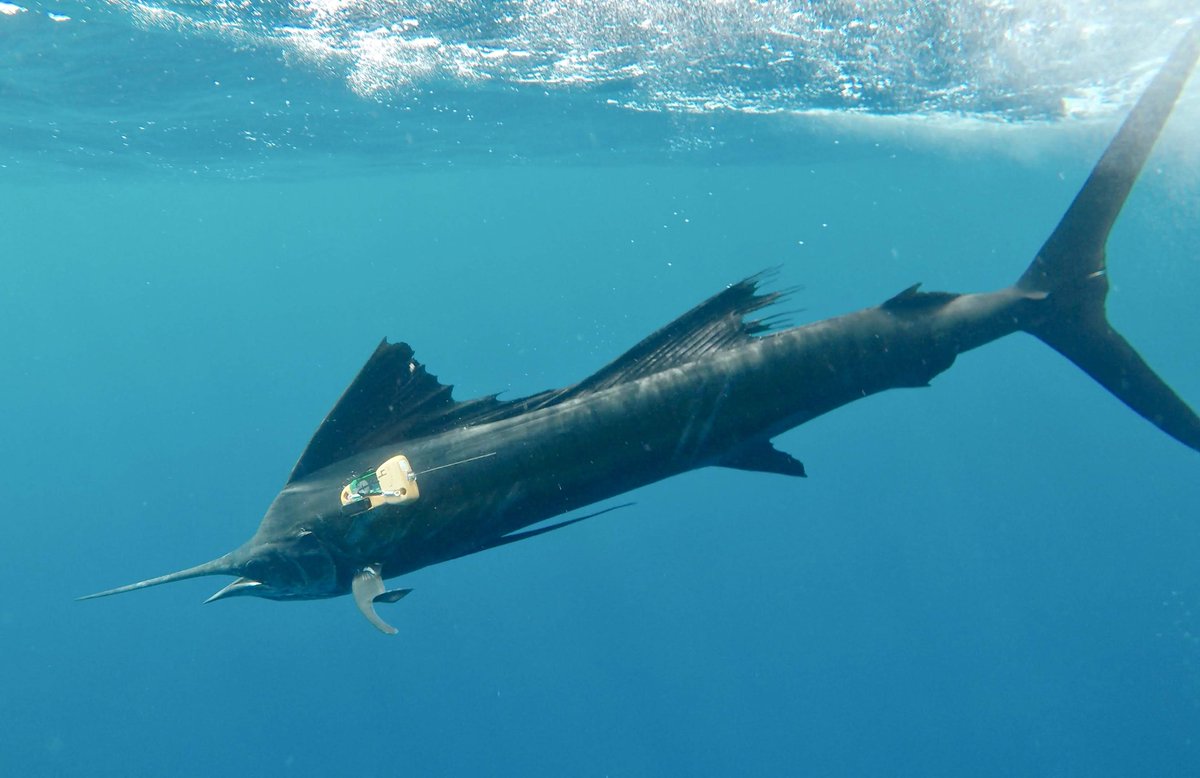
🚨 New paper!🚨 We used biologging tags with video cameras on #Sailfish, and document a rare one-on-one hunting event. Sailfish usually hunt in groups so this was really interesting to see. Out now in @SciReports https://t.co/ALGN1C3JCS
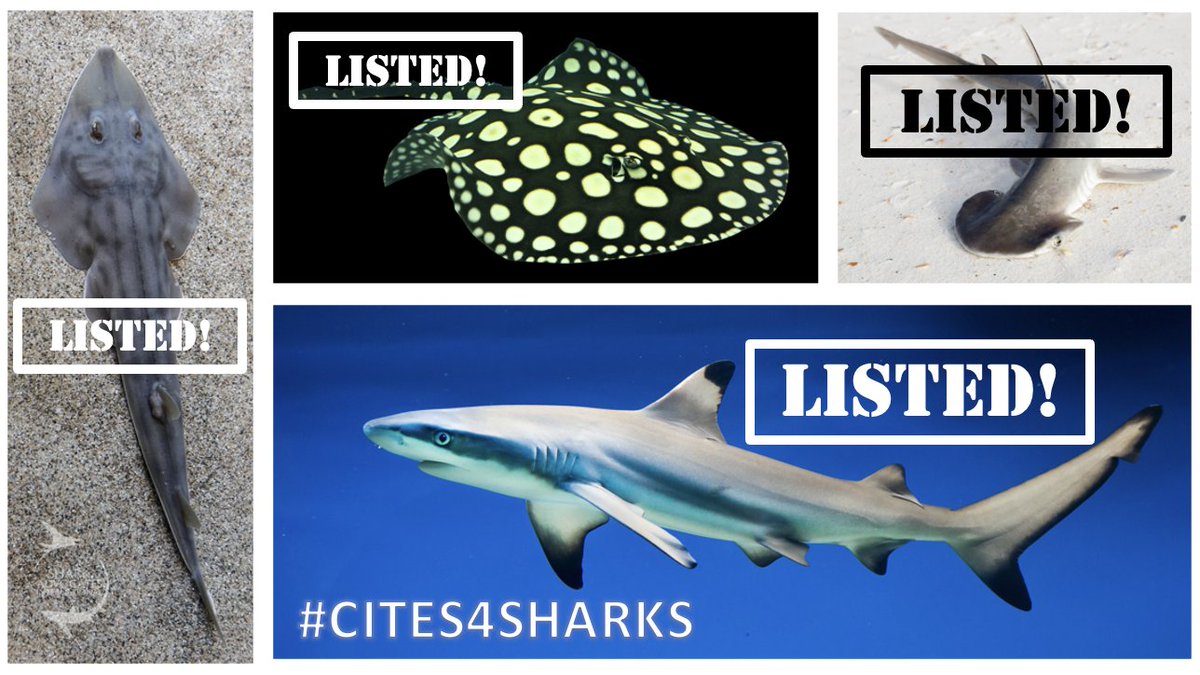
📣 BREAKING NEWS: It's FINAL! All four elasmobranch Appendix II listing proposals (re: requiem sharks, hammerheads, freshwater stingrays & guitarfishes) have been adopted at #CITESCoP19! Huge congratulations to all the Parties & NGOs behind these landmark decisions! #CITES4Sharks
Delighted to share our new #SharkScience paper in @ScienceAdvances
Diving into the vertical dimension of elasmobranch movement ecology
Available here: https://t.co/pOsI9VFo7k
A short 🧵on #VerticalSharks
1/5
ps. thanks to Simon @MantaTrust for the infographic
NEW COLLABORATIVE PAPER: Our team, co-led by @DavidCurnick, compiled the first global synthesis of vertical habitat use by elasmobranchs.
For more info, check out the infographic and #openaccess article
https://t.co/VEjEhUlDpd
More tidbits in the 🧵below (1/4)
#VerticalSharks
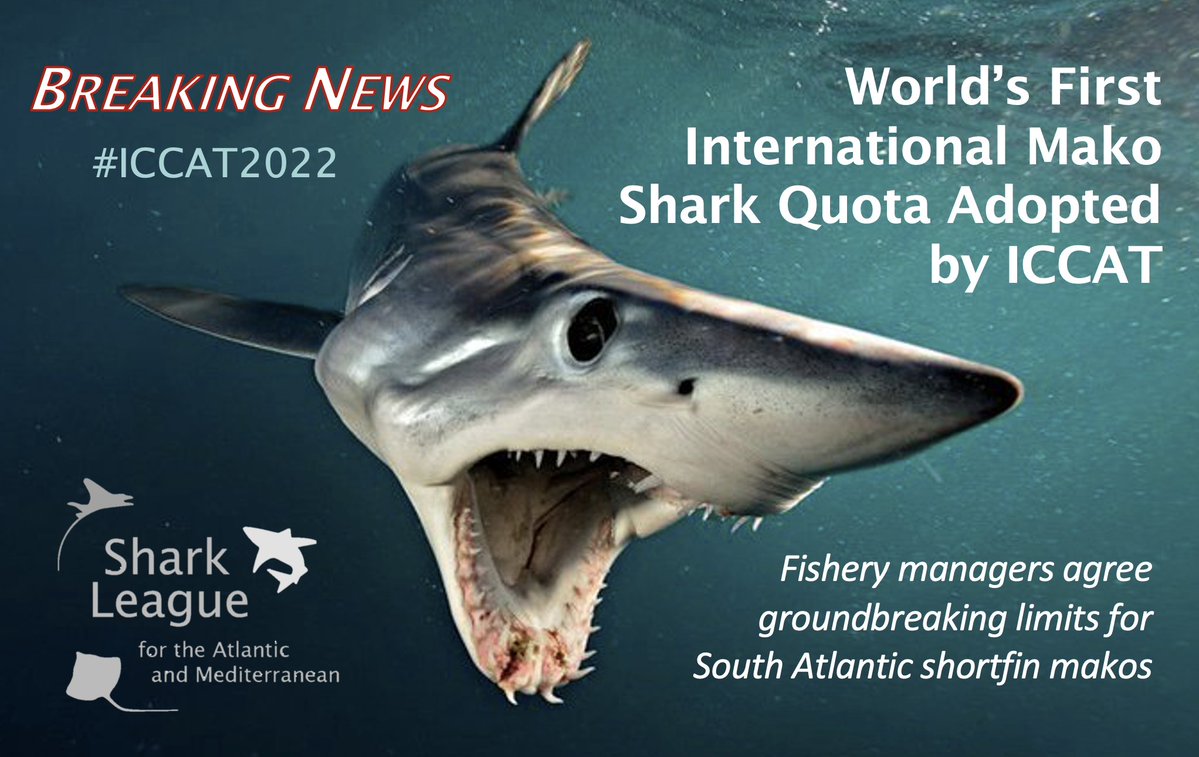
📣 It's the first #MakoMonday under a new 🇺🇸 Atlantic protection: a @NOAAFisheries shortfin mako shark retention ban prompted by an historic 2021 #ICCAT decision. Thanks to all who were able to #MakeTime4Makos and help secure these safeguards! 🙏 🦈 https://t.co/rB1JBRHSWF
Revered as the ‘sharkiest’ place on the planet, Galápagos is home to spectacular shark meet-ups. Now, through collaborative research @NSUGHRI@saveourseas@DarwinFound, the travel habits of a lesser-known species offer clues on how to keep it that way.
https://t.co/2uUhAqApK6