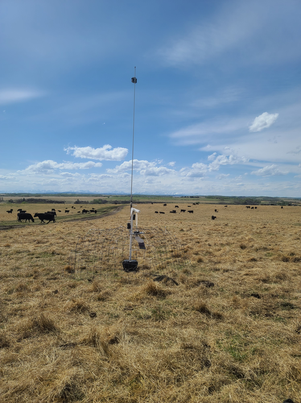
For 250 million years, pollinators have been the planet’s secret agents for sustaining terrestrial life on Earth and many people ignore that over 500 plant species rely on bats to pollinate their flowers. This is a lesser long-nosed bat after a busy night https://t.co/HxzqcVs7St
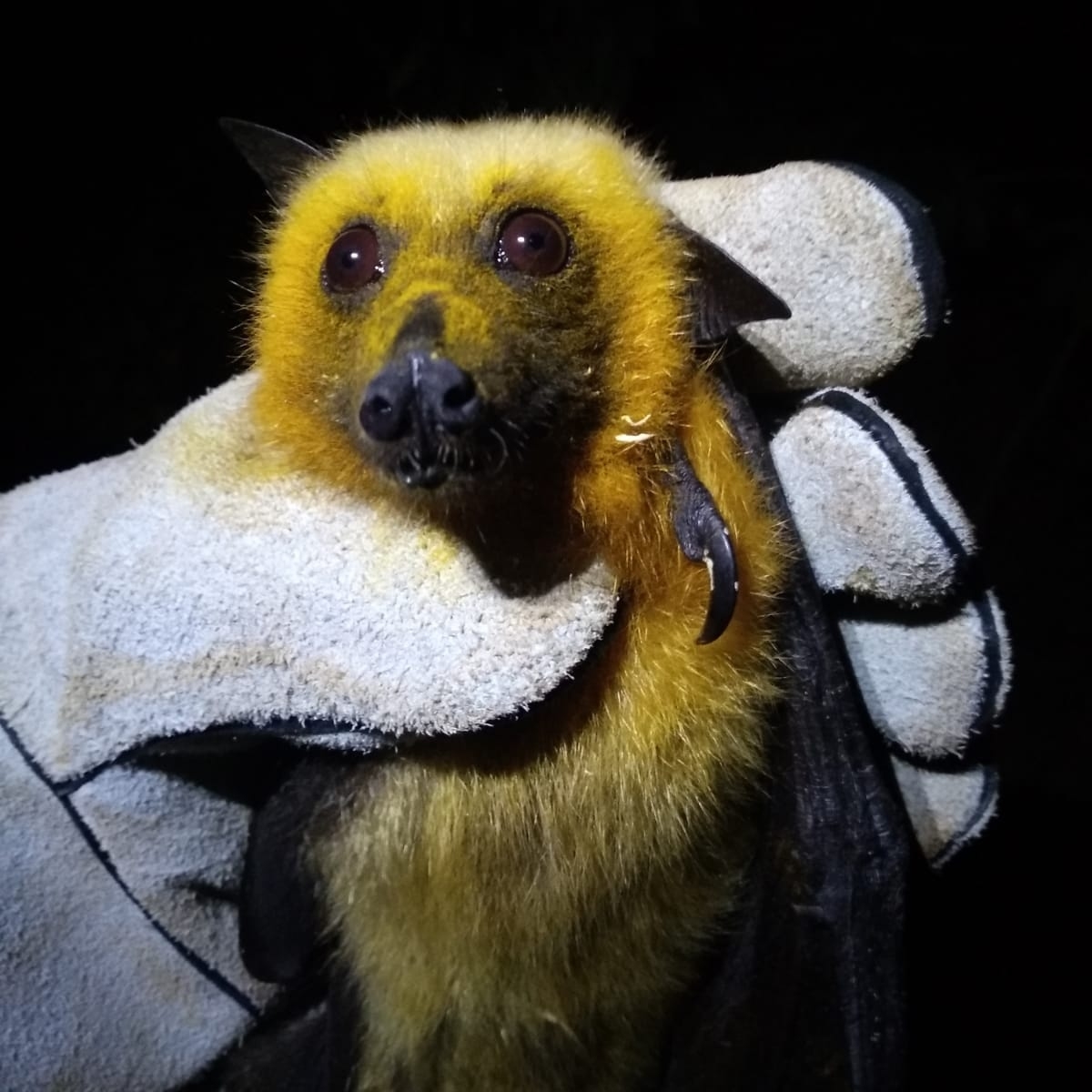
While the Seychelles flying fox does have blonde fur, this little fella is covered in pollen, an all-natural seasonal touch that will benefit the flora it visits. This fruit-moncher will also sow seeds on the forest floor by pooping them out as it flies.
📷Dr. Isabella Mandl
Our thoughts are with our bat conservation friends at the Ukrainian Bat Rehabilitation Centre during this incredibly dangerous and difficult time. Find out about their work here https://t.co/9rGuUBtchW
@ninivechen@MPIforBI@greif_stefan@SJPuechmaille@AHubancheva I think it was the winter 10/11 (or the following?) as I only obtained the Marie Curie Fellowship to work with Björn in March 2010 (and started later in the year). Can't believe it's pretty much 10 years since Björn passed away. He was such a brilliant scientist and great person!
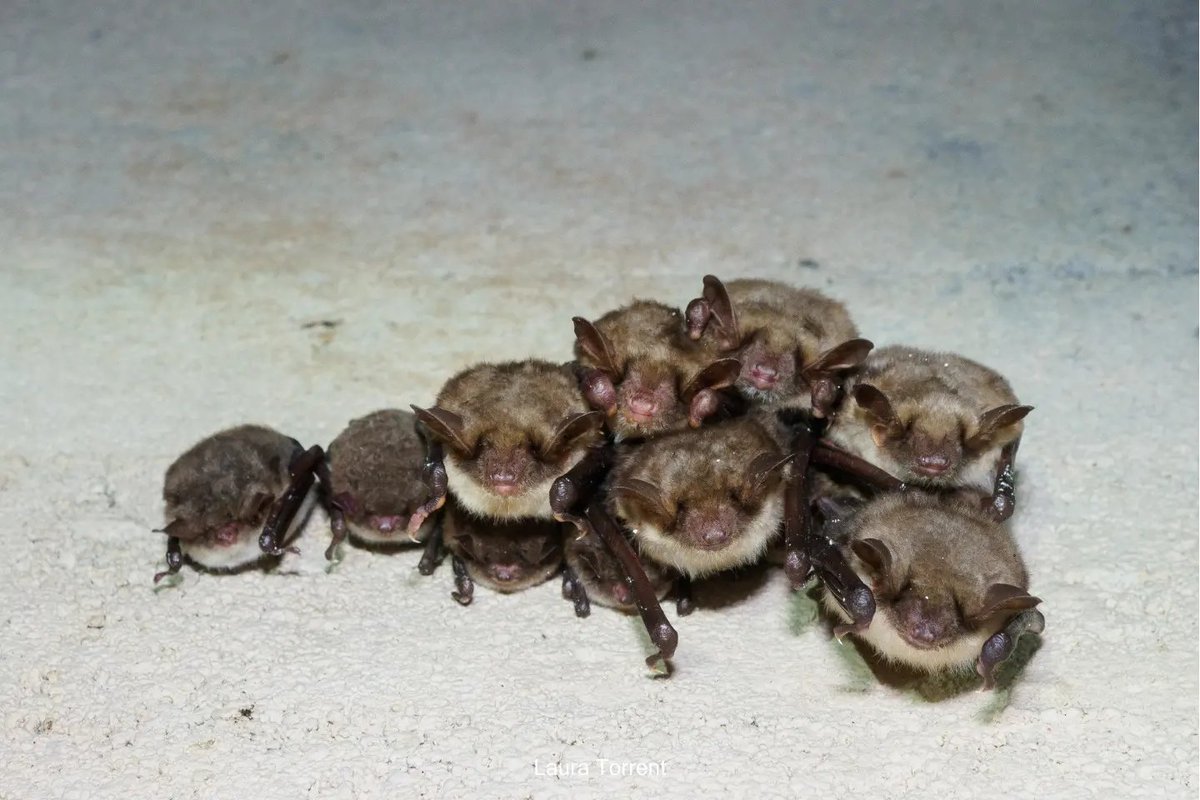
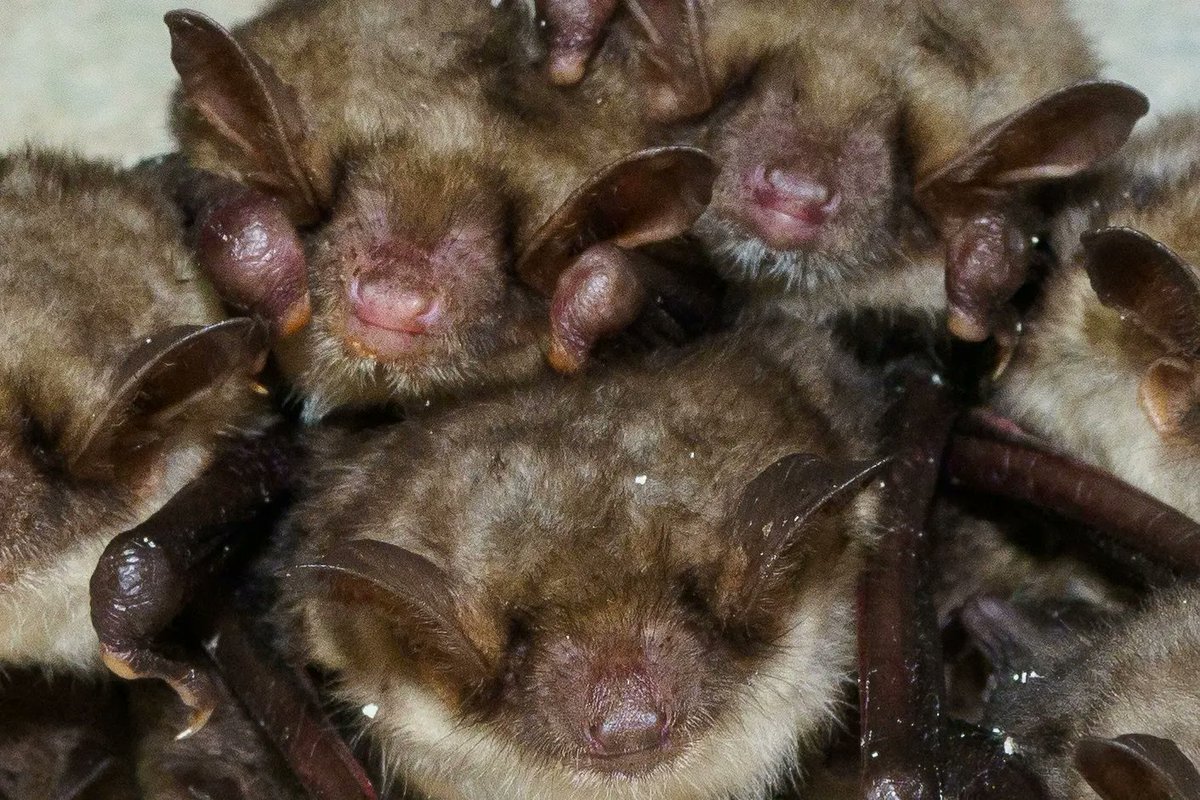
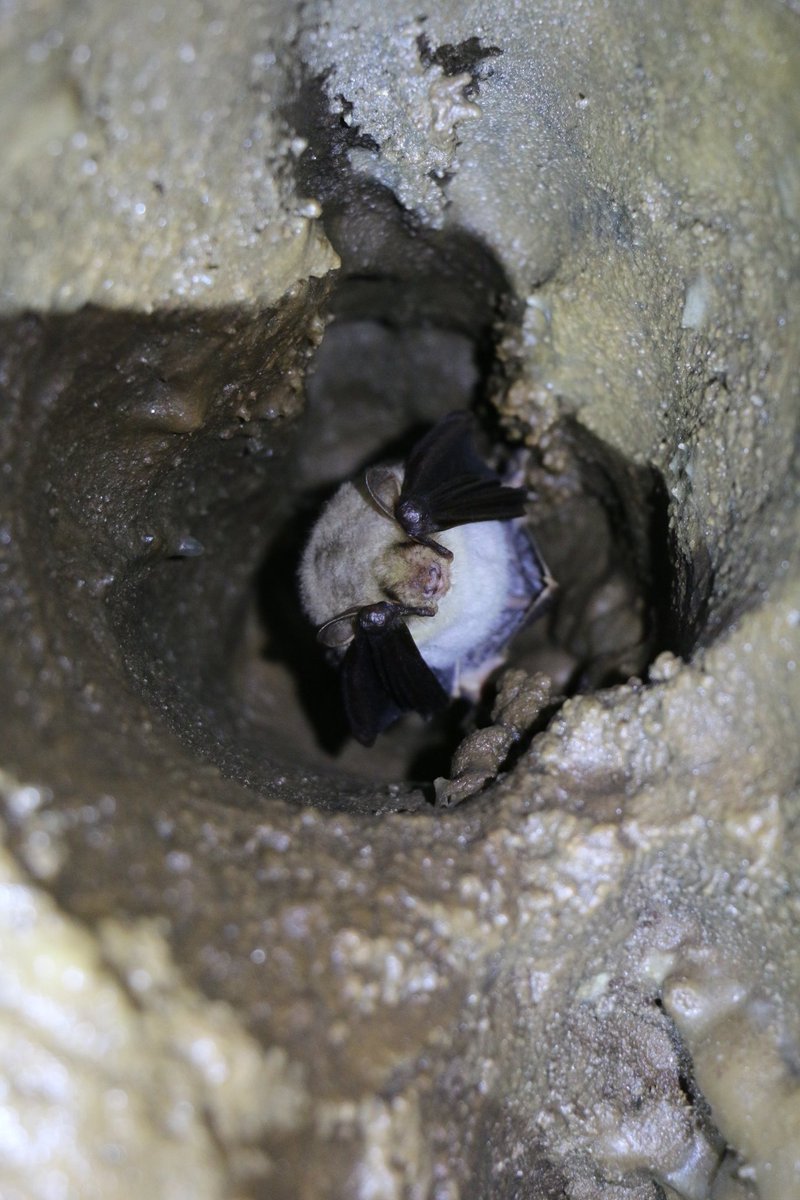
It's always satisfying to find one of these beauties. We have two species in Piedmont, very similar to each other and usually forming mixed colonies.
🦇 Large Myotis (Myotis myotis / Myotis blythii)
#bats#hibernation#winter#cave#monitoring#wildlife#conservation
Recently sequenced!
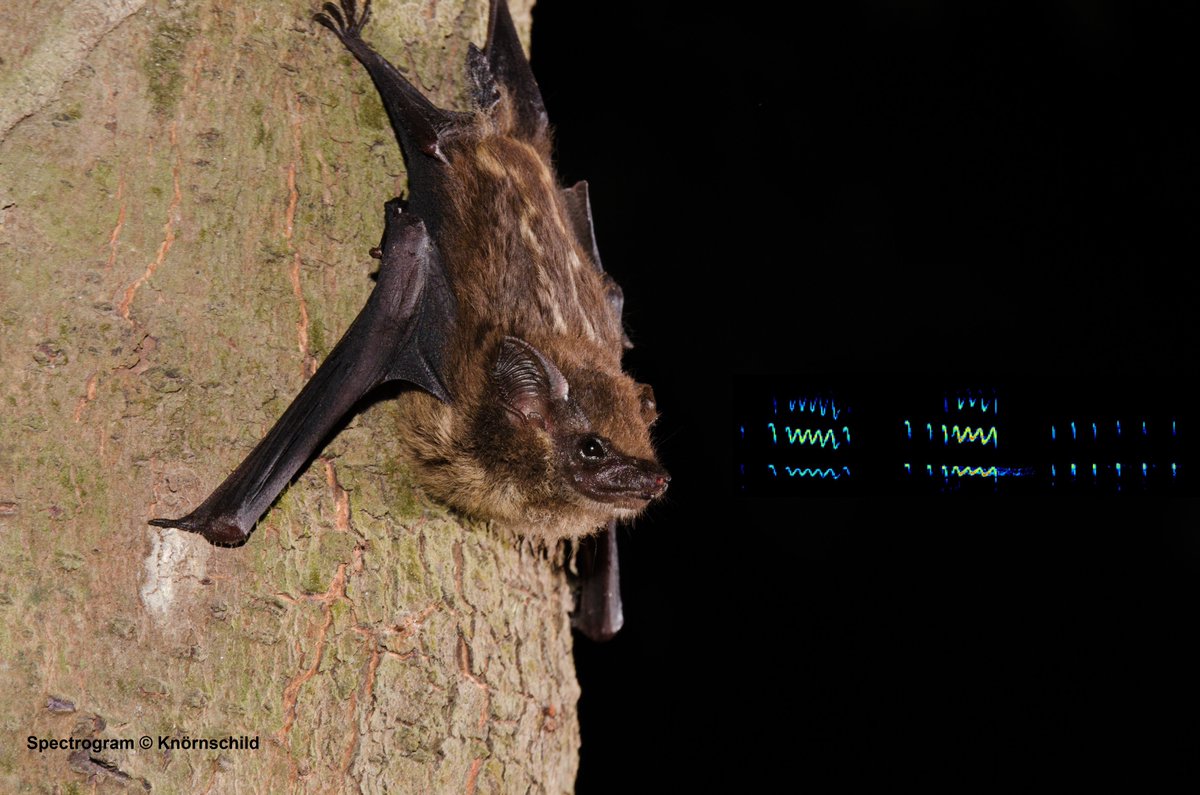
The Saccopteryx Bilineata is a remarkable vocal learner. Their vocal repertoire has many vocalisation types that are produced in different behavioural contexts. Did you know that pups even go through a babbling phase during song acquisition? 🦇🧬
@BatTed_1000 Good question. I would argue not. Pathogens spread more in summer (vs winter) colonies when indivs are active; yet in the summer, they form tight clusters (well, not always!). It might be to avoid disturbance (being kicked) by neighboors while hibernating. But who knows!
Going down 90 meters below ground level in a vertical cave to count an amazing cluster of Mediterranean horseshoe bat (Rhinolophus euryale, France, Occitanie). That is sometimes what it take to do hibernacula counts!
#bats#Chiroptera
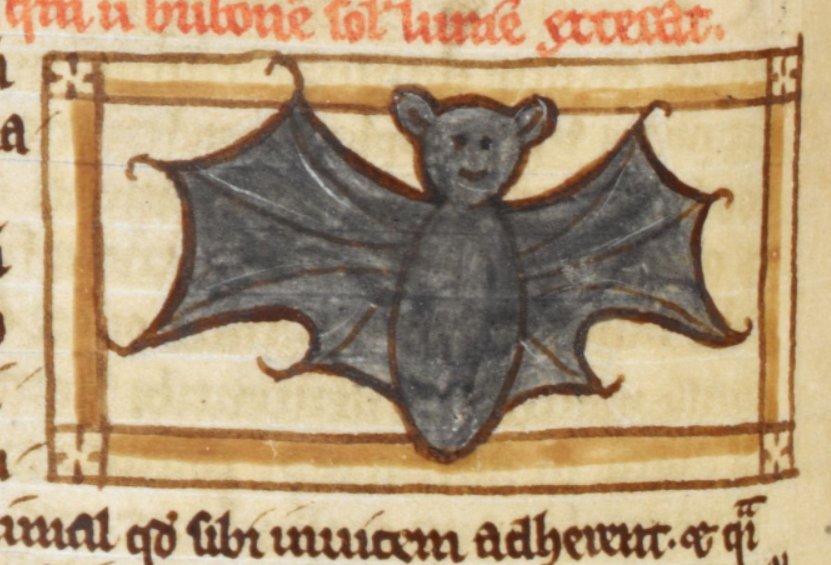
The full story and etimologic origin. The literal translation of "chauve-souris" is 'bald' 'mouse'. Why bald? It comes from the Gaulish 'kawa sorix' meaning 'mouse owl' but the word 'kawa' has been misunderstood and changed over time to 'calva' meaning bald!
@Bat_Watch Some bats species are indeed not able to take off from the ground, but some are specialised in hunting on the ground (e.g. the lesser short-tailed bat [Mystacina tuberculata] in New Zealand) and can easily take off from the ground. Check this video https://t.co/Tg5Or8xrKM
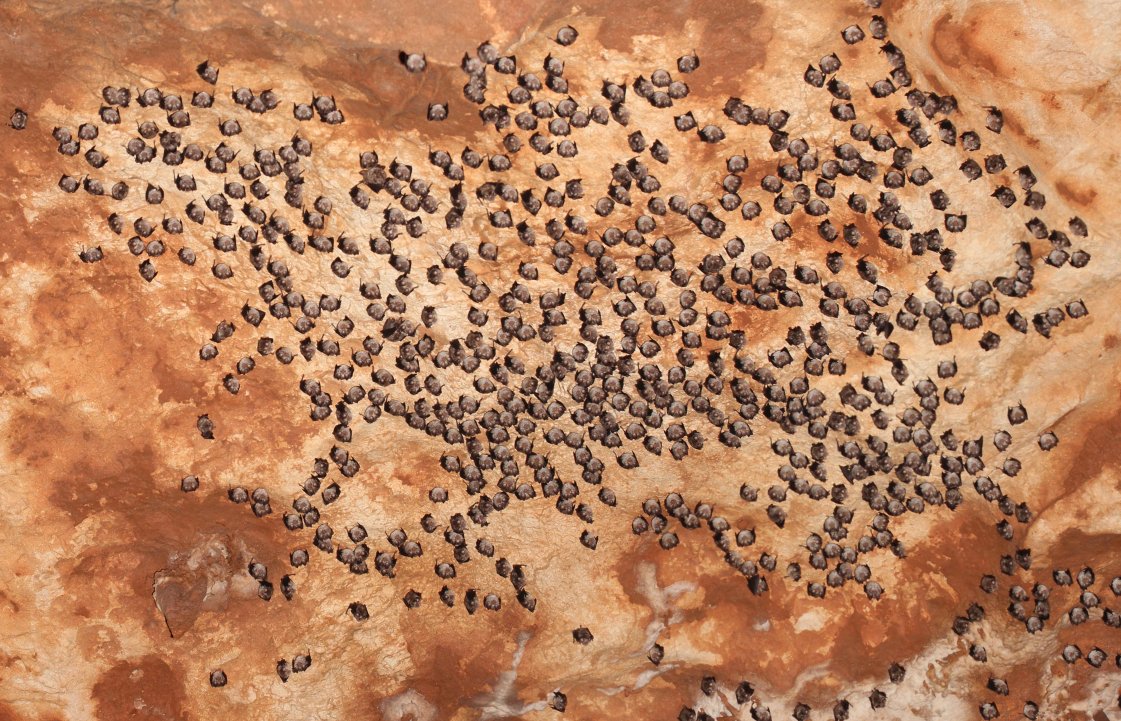
It can be very challenging to visually estimate numbers. The average of the 7 estimates is 206 while counting on the picture gives 158 individuals (maybe 159; green dot). That being said, counting on pictures is not always super easy either as some individuals can be hidden under
Hibernation count! Great to see #bats again. Miniopterus schreibersii can form quite tight clusters that are classically counted on photos (more reliable). If you estimate without counting (i.e. first impression), how many bats do you think there are here?
#Chiroptera#Monitoring