As an AD, one of the hardest things I witness our coaches deal with is a parent wanting it more than their child. Coaches use offseason work ethic, skill, athleticism, and what is most valuable to the team when determining playing time.
Parents often hear from their child that the coach does not like them, that it is unfair, or that favorites are being played. In many situations, the harder truth is that the child simply does not love the sport as much as the parent does.
That can lead to parents fighting battles with coaches that their child should be learning to handle themselves. One of the most important lessons sports can teach young people is how to communicate, compete, handle adversity, and advocate for themselves.
Playing time is rarely about one conversation or one moment. It is usually about consistency, effort, preparation, attitude, and trust built over time.
This has become an ongoing trend in sports today. The athletes who grow the most are usually the ones who learn to accept coaching, respond to challenges, and take ownership of their role instead of relying on others to fight their battles for them.
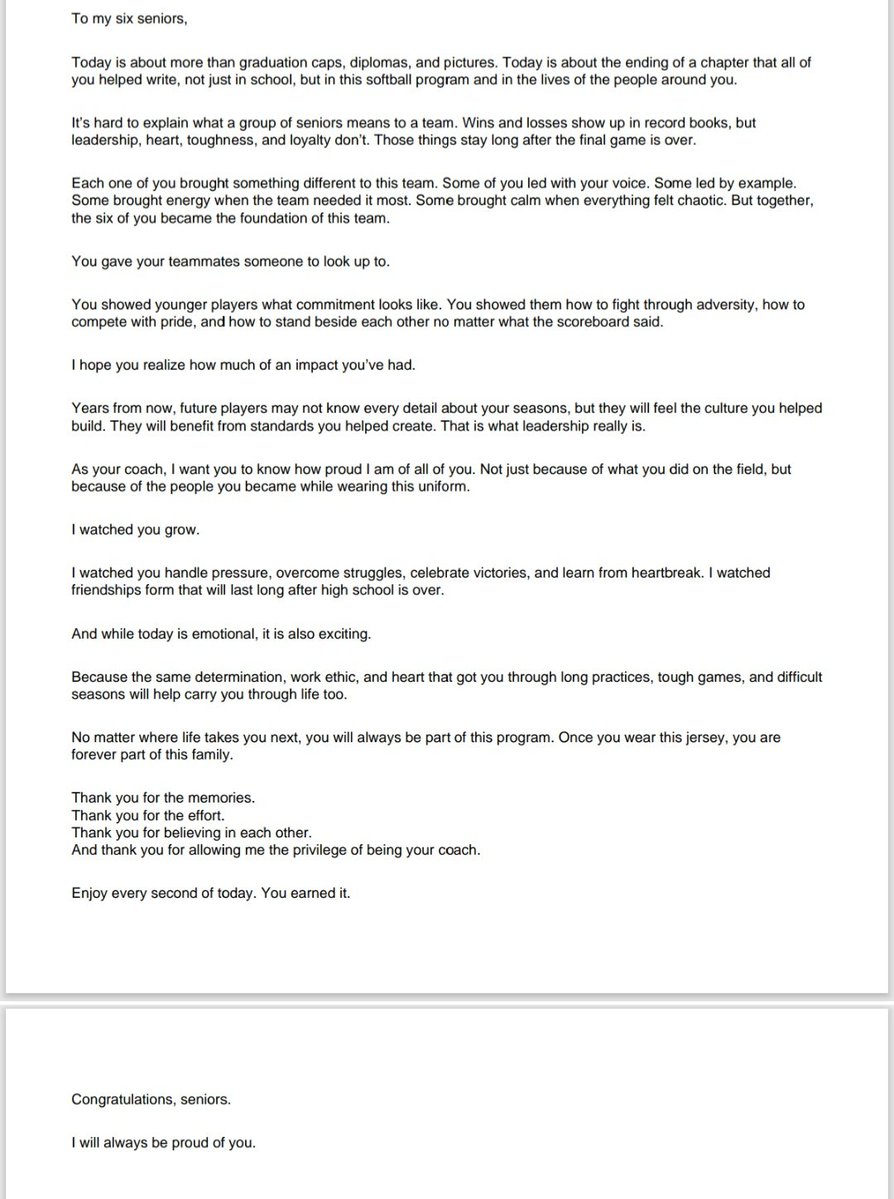
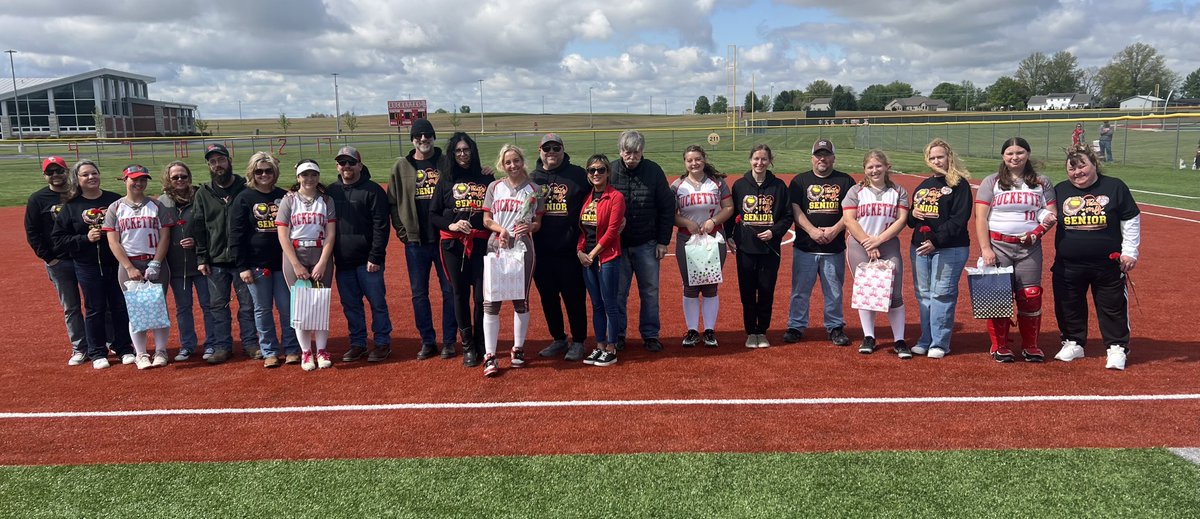
Awesome Senior Day yesterday! Im very proud of you! You will do great things in life! Great win with a walk off hit by Senior Savannah Pace! Thank you all! Thanks to all the parents. Happy Mothers Day Moms!
Congratulations to our 6 🥎seniors who were recognized today prior to our game with Seneca East‼️
Thank you for all of your hard work and dedication to our program. Best of luck the rest of the season.
Go Buckettes‼️
I am getting really tired of out-of-season coaches and clubs pressuring student athletes to participate in weekday practices or weekend tournaments while they are competing in in-season sports.
Let kids compete and be all-in during their season.
Coaching is a thankless job, with little appreciation given. Long hours, constant criticism, you win it is all the kids, you lose it is all your fault. Thank you to the coaches out there rocking it. We do not hear that enough. Bless you all.
Being a head coach at any level where you’re trying to develop and win is extremely lonely. As a HC you’re thinking so many steps ahead of everyone else. Assistants, parents and kids are normally singularly focused. This means you’re constantly second guessed and challenged.
This has happened at pretty much every level from travel ball to high school.
How about, Thank you coach we’re killing it and you’re a big part of it. To which I’d say, “Thank you, but it’s all about the kids really.”
I kind of hate it.
As an AD, one of the biggest challenges is understanding what athletes and parents truly want. Everyone says they want to win, but too often the communication I receive is centered around why practice is being missed, why workouts can’t happen, or why the commitment isn’t possible.
Winning is rarely about what happens on game day, it’s built in the unseen hours of preparation, consistency, and sacrifice. You cannot claim to want success while consistently avoiding the work required to achieve it.
Too often, “we want to win” really means “we want the rewards of winning without the discomfort of earning it.” When that gap exists, the blame often shifts to the coach instead of the habits.
Great programs are built when athletes, parents, and coaches all align in understanding that commitment comes before results. Wanting to win and being willing to do what it takes to win are two very different things.
The “boring” stuff wins ballgames:
-Backing up the play
-Putting the ball in play
-Moving the runner
-Making the routine plays
-Consistent communication
-Throwing strikes
-Smart baserunning
-Taking your walks
-Getting HBP, holding your ground
-Hitting a cutoff man
-Hustling out everything
*At some point, the “boring” tasks of ⚾️ will win extra games! And more often than not, playoff berths, seedings, playoff wins, and even championships can be determined and decided by what many would call “boring.”
Turn the “boring” into the “important” and that’s how you win!
#BaseballTruth
The 10 Truths Parents Rarely See
1. Coaches lose sleep.
2. Decisions aren’t personal.
3. Playing time is complex.
4. Culture matters more than stats.
5. Accountability is care.
6. Coaches invest emotionally.
7. Development isn’t instant.
8. Hard feedback is intentional.
9. Wins don’t tell the whole story.
10. Coaches remember kids forever.
Perspective matters.
As an AD, I struggle to understand why some parents resist high standards for their kids. Growth doesn’t come from comfort, it comes from being pushed, being coached hard, and being held accountable.
As a dad, I hate seeing my kid disappointed. But I’d rather see him face adversity now than be unprepared later. Learning to handle failure, earn your role, and fight through challenges matters more than any short term result.
Winning matters. Not just on the scoreboard, but in learning how to prepare, compete, and respond when things don’t go your way. That’s what builds someone ready for the real world.
Athletes: This is the real reason you get subbed out.
One of the best ways to be a mentally strong athlete is to learn how to own your body language—regardless of external circumstances, opposition, or adversity.
Be the athlete whose body language never wavers.
Don't let mistakes define you.
Excuses are for the weak.
Blame is for cowards.
Bad body language?
That's quitting without saying it.
Champions own their failures and move forward.
What's YOUR response when things go wrong?
I'm 55.
I wasted 25 years learning this the hard way.
But I'll teach you in 5 minutes.
If you're soft, stop reading now.
Here are 25 uncomfortable truths I wish I knew earlier:
“Young people, you need to bet on yourself.
If you think you're that good, you don't need a handout. You just allow your work to speak for itself."
Do not ask to be chosen.
Work until you cannot be ignored.
“Please don’t ever judge me for wins and losses that’s not who I am as a coach.
Relationships- you want it for them.”
Championships change careers.
Relationships change lives.
Athletes. Coaches.
Don’t just chase wins. Change people.
That’s the real legacy.
🎥@glenn_kinley