From IP selection to distribution deals: it's the behind-the-scenes of what it takes to bring 2-minute scrollable episodes to your screen. I write for @TheKenWeb in today's Trade Tricks.
Read here: https://t.co/uqXq46TO5r
A rich CEO saving damsels in distress. A jealous spouse vying for revenge—eerily similar plots to Wattpad-style fan fiction. It's not a coincidence. I spoke to Pratilipi ( user-generated storytelling and publishing platform) because I was curious about the content-supply pipeline
With 185+ pre-produced microdramas, Pratilipi supplies to players like Tiktok & JioHotstar, powered by a 21.5 million stories-slate. Alternatives are fragmented. Solo production houses lack budgets and time. Distribution-giants like KukuTV are opting to creating stories in-house.
Roadies is coming to Netflix, an 18 crore deal signed with Jiostar, The Ken learned exclusively. They also platformed Hustle S5 for 13 crores. Netflix India's content is becoming like cable-TV—diluted, family-friendly, safe. Take Delhi Crime S3, with barely any police brutality
It's inevitable. Tapping into casual TV-viewing audiences is needed to survive. Censorship pressures and right-wing backlash over "edgy" content hasn't made life easy either.
Why is this shift so jarring, compared to rival OTTs? Does it change their DNA? I write for @TheKenWeb
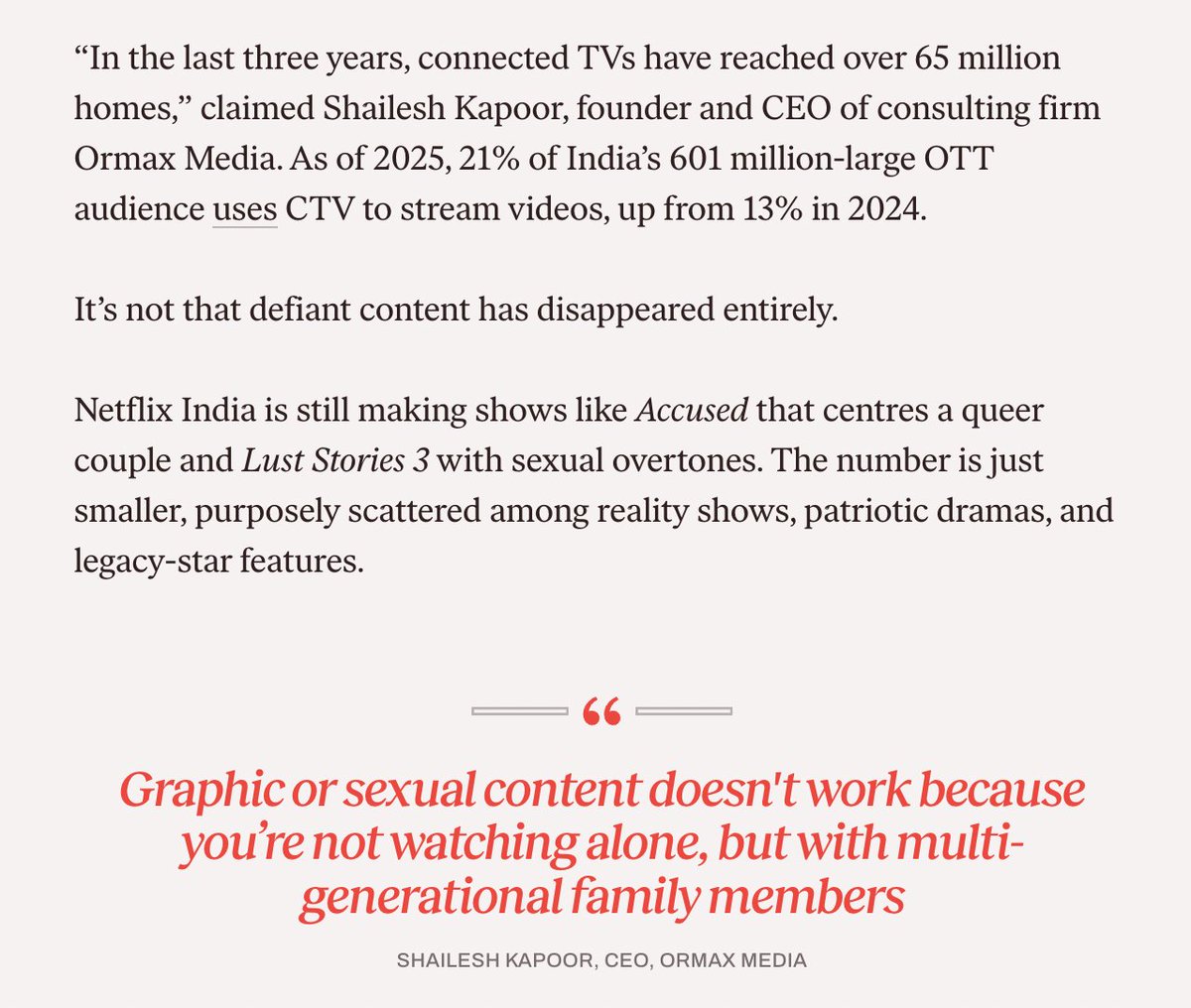
Netflix went from Sacred Games to Kapil Sharma. And it’s paying off
Once unafraid of showcasing violence, nudity, or state failure, Netflix is slowly becoming a sanitised Indian TV channel
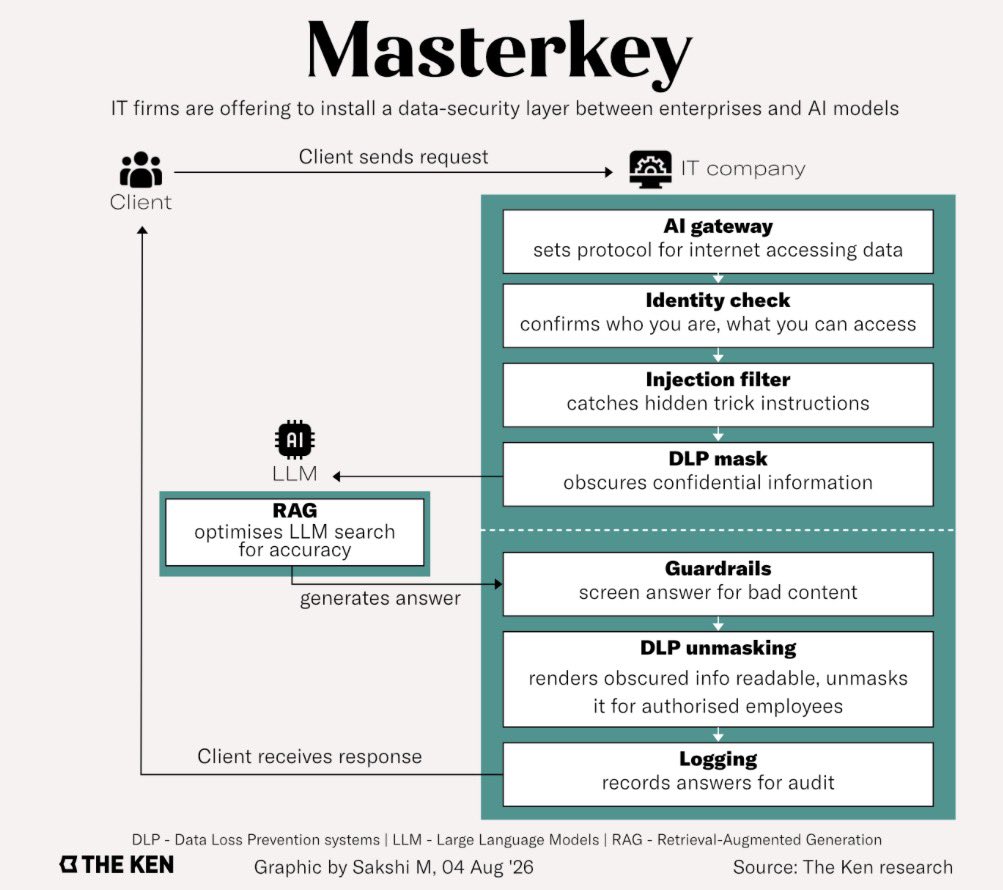
Unsurprisingly, AI security as a main pitch is gaining ground. IT companies want to bridge this “trust gap” between enterprises and AI cos.
ITs’ USP isn’t security tech, but the ability to be fall guys if things go south.
Read my story for @TheKenWeb
https://t.co/NGEaKSccw5
With tight work deadlines, it can be convenient to have AI models think, create, strategise for you. In the process, you might unknowingly upload sensitive company data.
Recent cases of rogue AI agents abd security breaches have exacerbated security concerns for enterprises
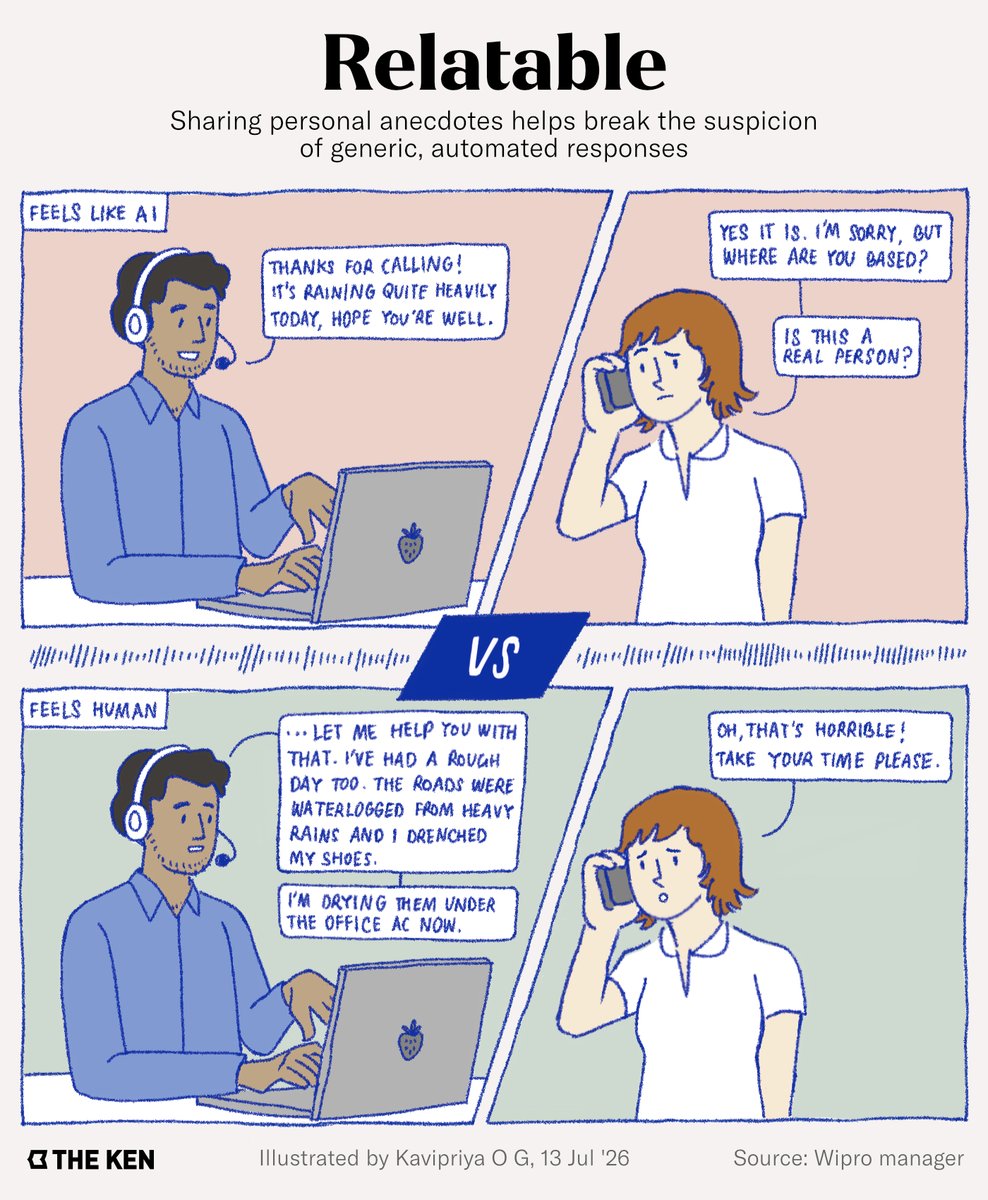
@Kenneth@dharmeshba I spoke to a bunch of people within Wipro, one of whom shared this example. I’ve not named sources since there is a risk of tracing it back to them. The methodology is good old reporting😄
That's exactly the problem BPOs are running into, so they're finding creative ways to overcome it. It's turned an ideal solution into a conundrum—what happens when humans start sounding AI, while AI sounds more human every day?
I write for @TheKenWeb
https://t.co/jUF0vamvCx
A large chunk of call-centres sit in India, but struggle with one thing: a good CX agent, especially those handling geographies like America and Europe, needs English fluency (accent and language). Enter AI accent-translators like Sanas, turning Indian accents into American ones
It's a goldmine for BPOs, who can now hire less-fluent talent at rates as low as Rs 5,000-20,000. But hiring cheap is hitting areas that accent translators can't fix. Or worse, making the synthesised-voices sound robotic. As if you're AI. And no one likes talking to AI bots
Lower salaries, dampened appraisals. Companies can't help but restructure pay—they are facing the wrath of bad markets, increasing costs and AI disruptions. It's only time before the rest of the industry follows. Read my story today for @TheKenWeb
https://t.co/4Sbl9TpqVc
In India, IT companies have been the face of stable, salaried office jobs. You took 20-year home loans, enrolled your children in premier schools, took care of retired parents. But things are changing.
Accenture announced a new salary hike payout structure: 50% distributed into monthly take-homes, 50% paid in lump-sum. TCS changed quarterly bonuses to annual. For now, it's not a big deal. The same amount reaches you by the end of the year. But over years, the issue compounds.
@TechWiser@TheKenWeb Hi @TechWiser team, I have emailed you. The statement was based on a X post exchange, which we have linked in the piece. Please let me know what was incorrectly framed so we can correct it. Thanks!
But I was more intrigued by what structurally allows for such lawsuits. And why do the accused back down without much fight? I write in today's newsletter for @TheKenWeb
https://t.co/UdeosB3m91
Why does India make it easy for companies to sue their way to success? Recently, AI+ and Motorola have been embroiled in controversy for slapping gag-orders on tech creators who criticised their products. Motorola even involved social media platforms directly.