Excited to kick off my Cybersecurity journey! 🔐💻 I’ll be sharing my progress, lessons, and projects here. Cybersecurity is not for techies only, it's for everyone who wants to understand how the digital world stays safe🚀
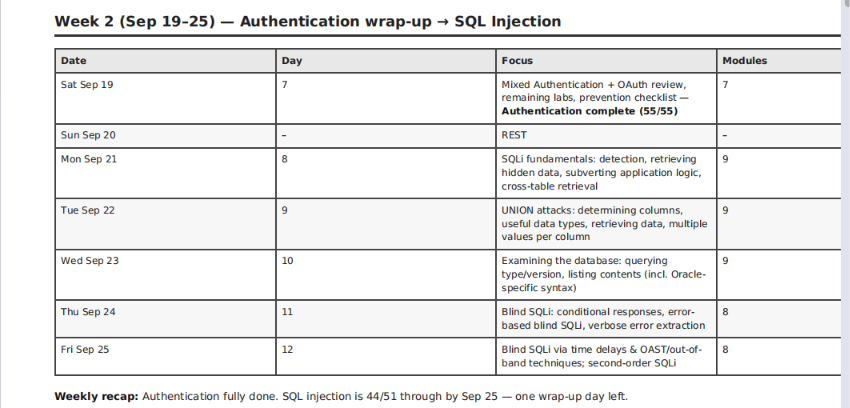
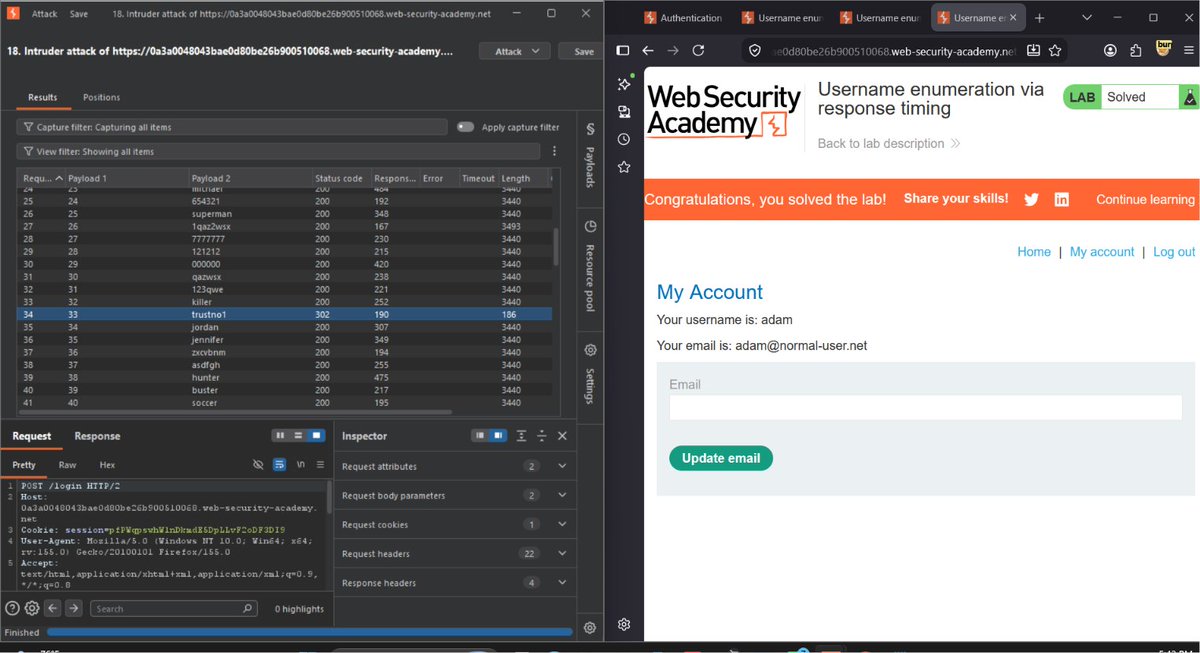
Successfully completed Week 2 of my web security course plan. One thing that stood out to me about authentication is that a website can ask you for two verification steps and still not actually enforce 2FA.
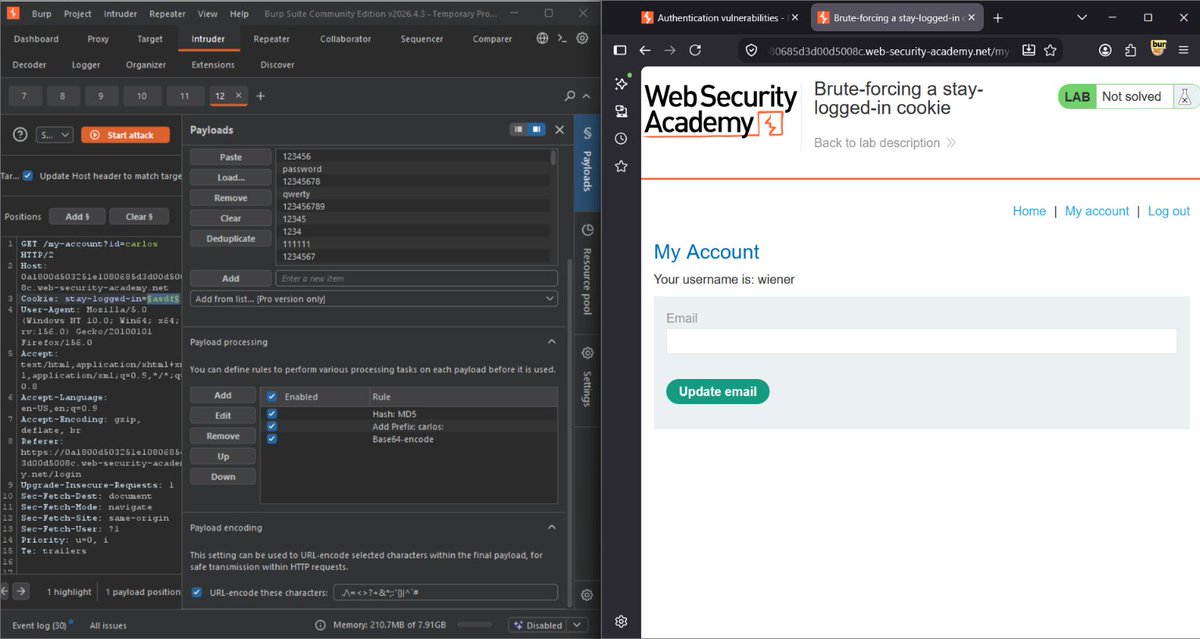
If the application doesn't properly validate that the second step was completed, an attacker may be able to skip it and access authenticated functionality. Also explored password reset/change flaws, remember-me tokens, 2FA brute-forcing and authentication logic with Burp Suite.
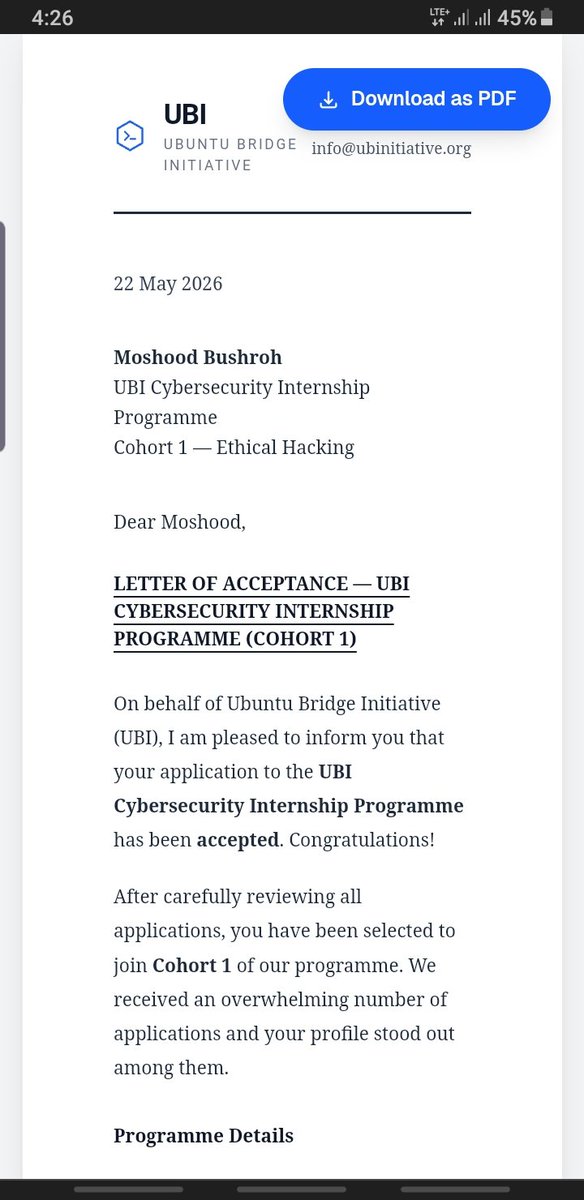
Been gone for a minute. Exams took me out few weeks after I posted about starting my internship at UBI. 😭
It was an intense one, but I’m finally back. Proper documentation is coming.
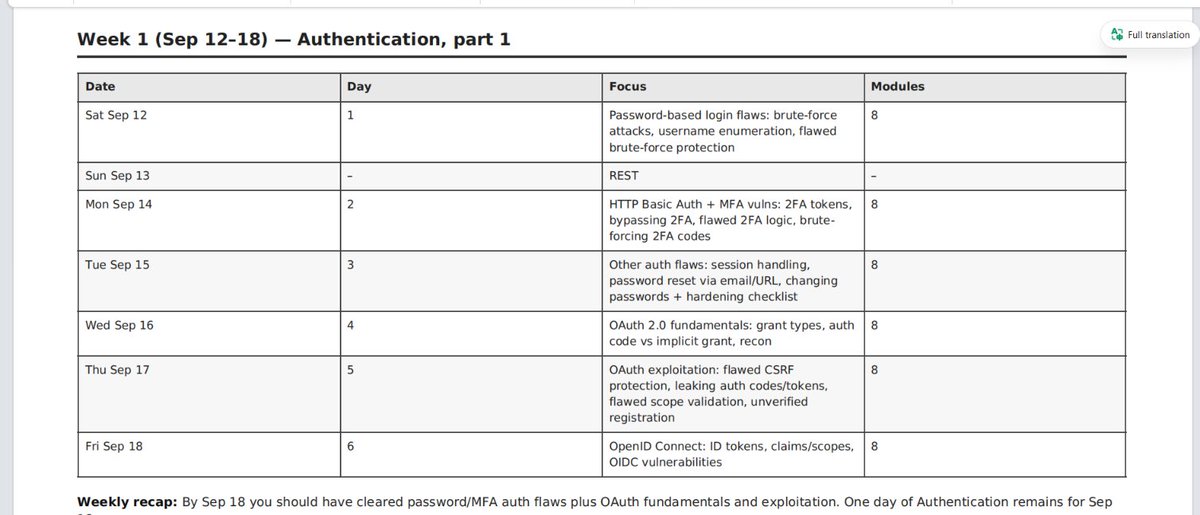
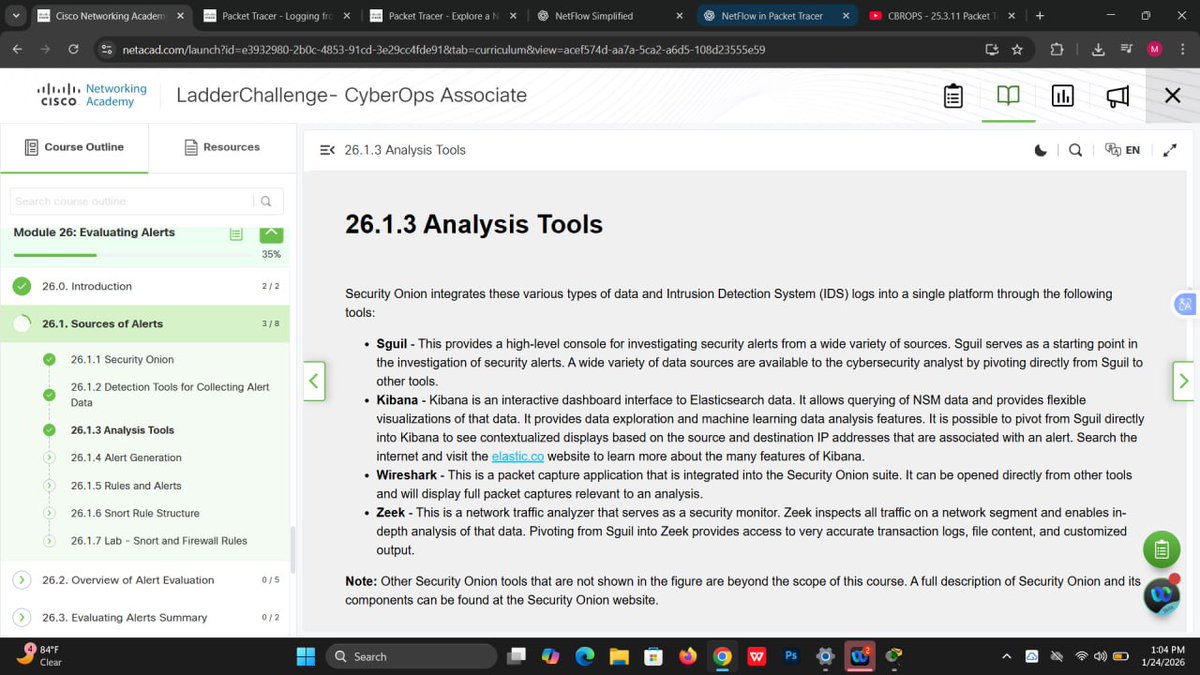
Made a 3-month learning plan, and week one is almost done. Documenting at the end of each week.
A short video walkthrough Project Aegis, the phases, the tasks, and what you'll build.
The idea came from 2 things: my research into how vulnerable healthcare companies really are, and what I learned from the Designing Cisco Security Infrastructure (SDSI) course.
#CyberSecurity
Project Aegis: Secure a Healthcare Enterprise,
Phase by Phase.
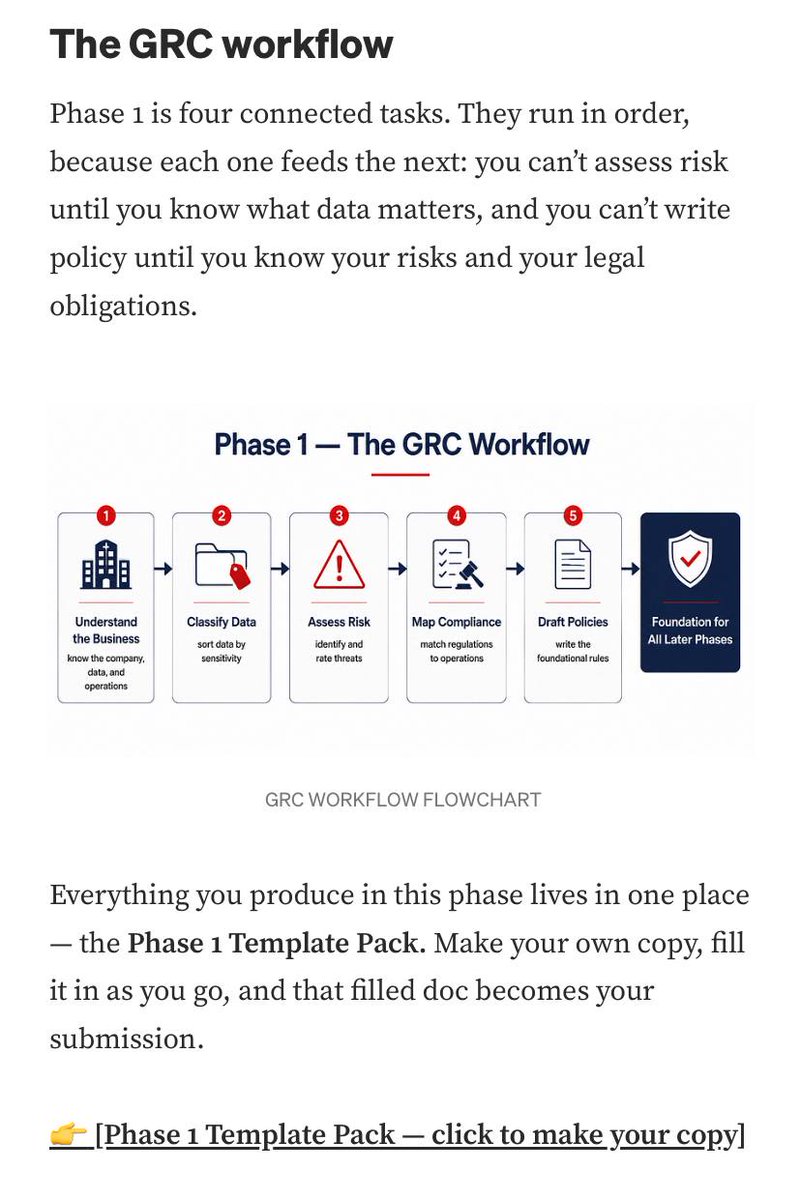
A hands on project where you step in as a security architect and secure a fictional health tech company end to end, from wide open to fully defended.
Beginner to pro. 8 phases.
#CyberSecurity@ireteeh
Back to this space.
June was a great month,the month I gained the most hands-on experience in this field. I was so tied up at UBI that I didn't get to post much about it.
Now that I'm on break, it's time to share the different projects I've worked on throughout the internship.
Whether you're a student, early-career professional, lecturer, or just passionate about Cybersecurity and Artificial Intelligence, this is your chance to learn, connect, and be part of the future.
Secure your spot today! 👇
https://t.co/Lz3ywTbTs8
🚀 Excited to announce the
CYBERAI SHIELD SUMMIT 2026 coming to Osun State this July!
Powered by OffShield Security
This summit brings together students, professionals, tech enthusiasts, and cybersecurity & AI lovers
open to anyone, from anywhere !!!
Not all cyber threats type, some of them talk. What if your security system could hear deception?
Hello Cyber friends, let me put you on to something interesting: “Velma” by @modulate_ai , a voice-native, one of it's kind Ensemble Listening Model - that is changing how we think about verification.
Velma doesn’t just confirm identity, it listens for intent.
When a caller sounds coerced
When an attacker is mimicking a real user
When urgency is being weaponized to force access
When behavior suddenly doesn’t match the norm
This is powerful, especially in moments like:
Help desk password resets
Privileged access requests
Customer account recovery
High-risk financial approvals
Remote identity verification, and so many more!
Because let’s be honest, most attacks today don’t just break systems, they manipulate people.
Now imagine combining:
Behavioral signals + Identity data + Device posture + Risk scoring
That right there is adaptive intelligence.
And it doesn’t stop there. Voice-native analysis can:
Detect social engineering earlier
Flag insider risk through behavioral shifts
Expose fraud attempts like account takeovers and impersonation
Add a new layer of real-time telemetry to security operations
We’re entering a phase where how something is said matters just as much as what is said.
Curious how this actually works in real scenarios? You might want to take a closer look at Velma.
Because your next breach might not start with a code but an actual conversation.
STOP missing the signals that matter. Check out Velma here: https://t.co/MxtUCwTu9z
If you’re an AppSec engineer in Africa aiming for some kind of monthly remote consulting gigs with European clients in 2026, these 7 shifts completely changed the game for me:
🧵 Thread
I completed the Password-Based Login Vuln labs. Learnt more about brute force attacks, rate limiting, HTTP Basic Auth, 2FA flaws, and how weak authentication logic can be bypassed. Still exploring 2FA vuln. Where can I practice what I've learnt so far apart from the labs?