@ManzarSohail1@Simonov_A_N@DRMacFarlane@ACSCatalysis Thank you so much=) On the contrary! Carbon is one of the most ideal support materials as it provides a large surface area for the catalyst. (relative to something more conventional like glassy carbon)
#PhD on an industry-funded project for the green H2 generation from seawater available now for an IMMEDIATE start
@ChemistryMonash@DRMacFarlane@Monash_Science@MonashEnergy
Join us to support and lead the Australian Renewable future
Email me your CV if interested
H2 electrooxidation on Pt - sounds simple, right?
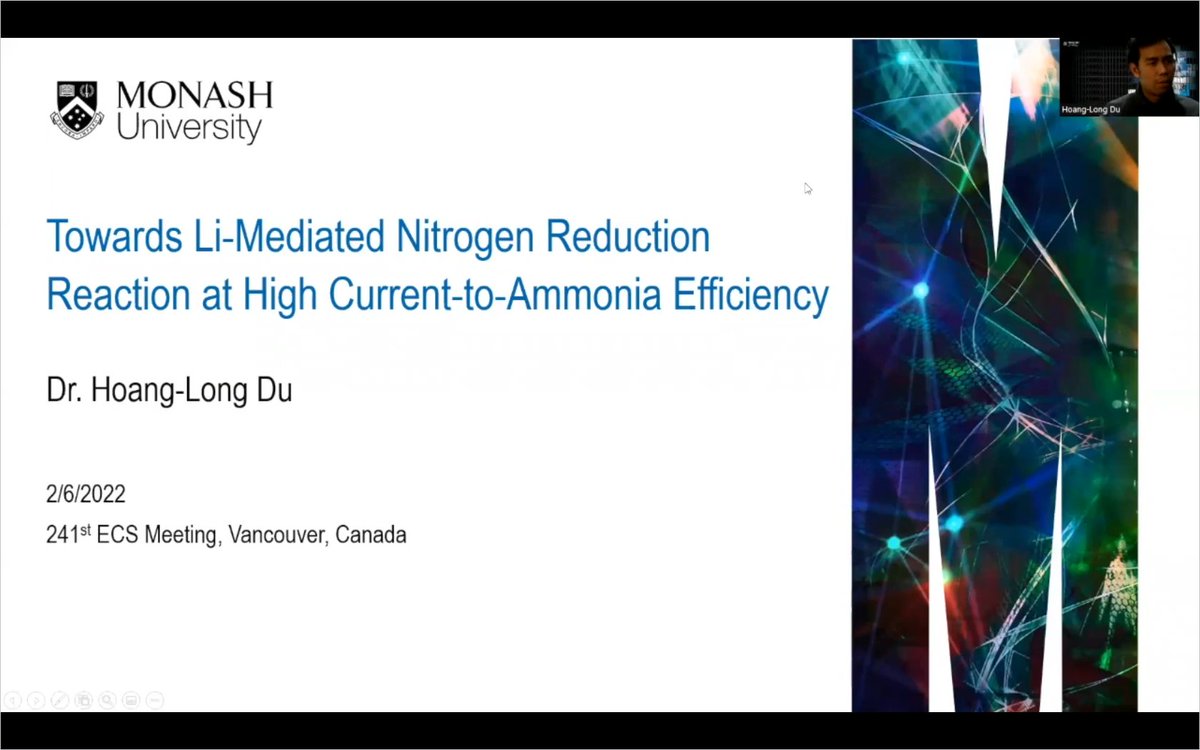
But have you tried it in organic Li electrolyte solutions as an anode process for the #ammonia electrosynthesis?
To learn about challenges of the HOR for the NRR, see @Beck_Hodgetts paper in @ACSCatalysis:
https://t.co/HK2F59vceQ
Thanks to @K_Matuszek for alerting me to my apparent new obsession with sunglasses sales.😎 My apologies to anyone who was harassed by my little hacker bot in the last 30 mins or so...
A comprehensive review of nitrogen reduction to ammonia in aqueous media published today in Nature Comms by our team and it still seems elusive:
https://t.co/tSnuEsa2HH
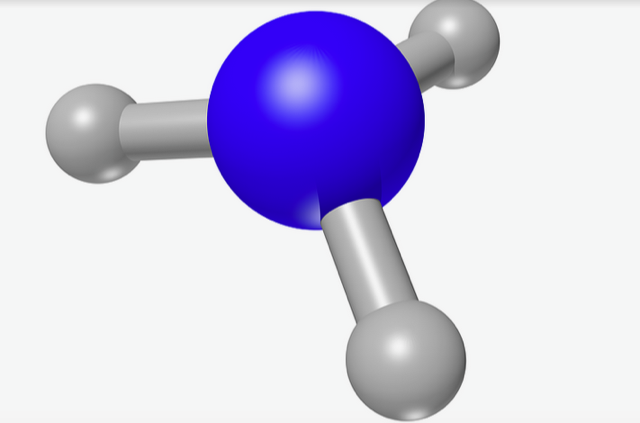
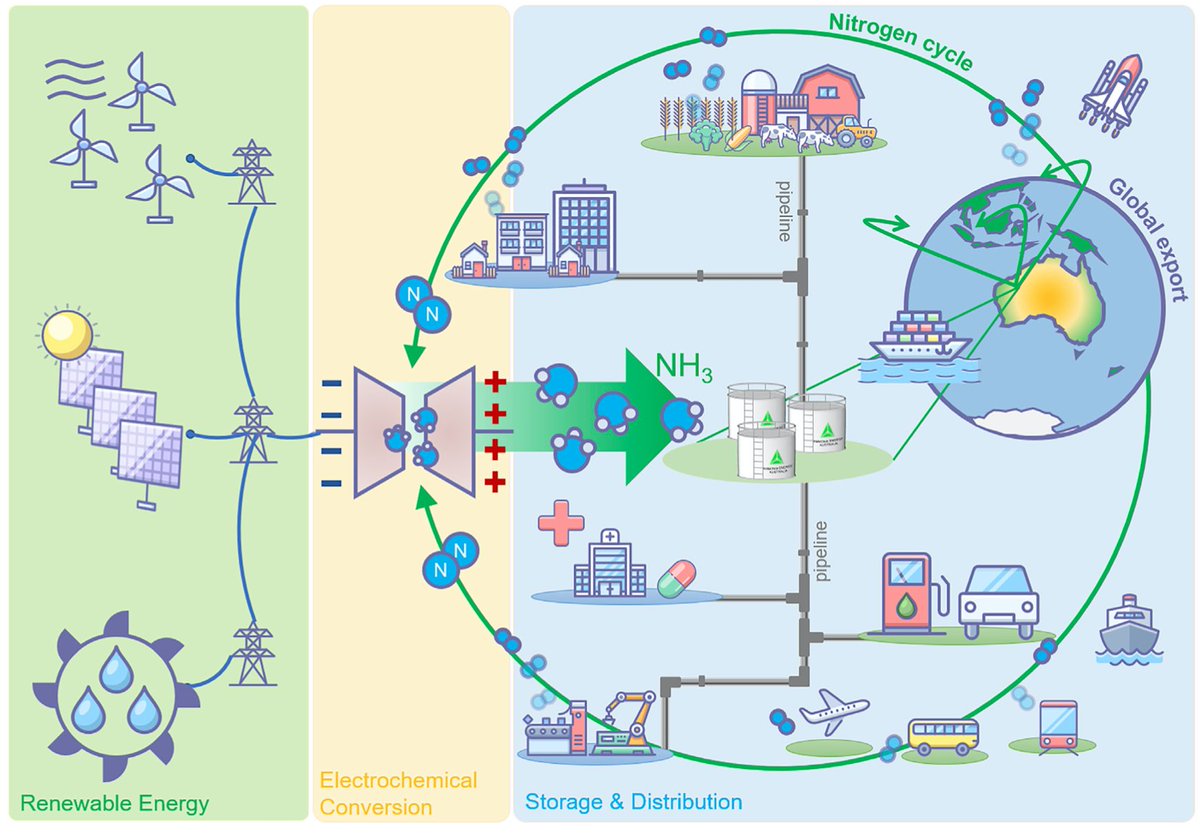
In the race to find cheap, efficient, non-polluting ways of generating and storing hydrogen, @MonashUni chemists have now developed a roadmap for the new ‘ammonia economy’.
https://t.co/ZaOfRcOZjc
@ChemistryMonash@DRMacFarlane@ARC_ACES
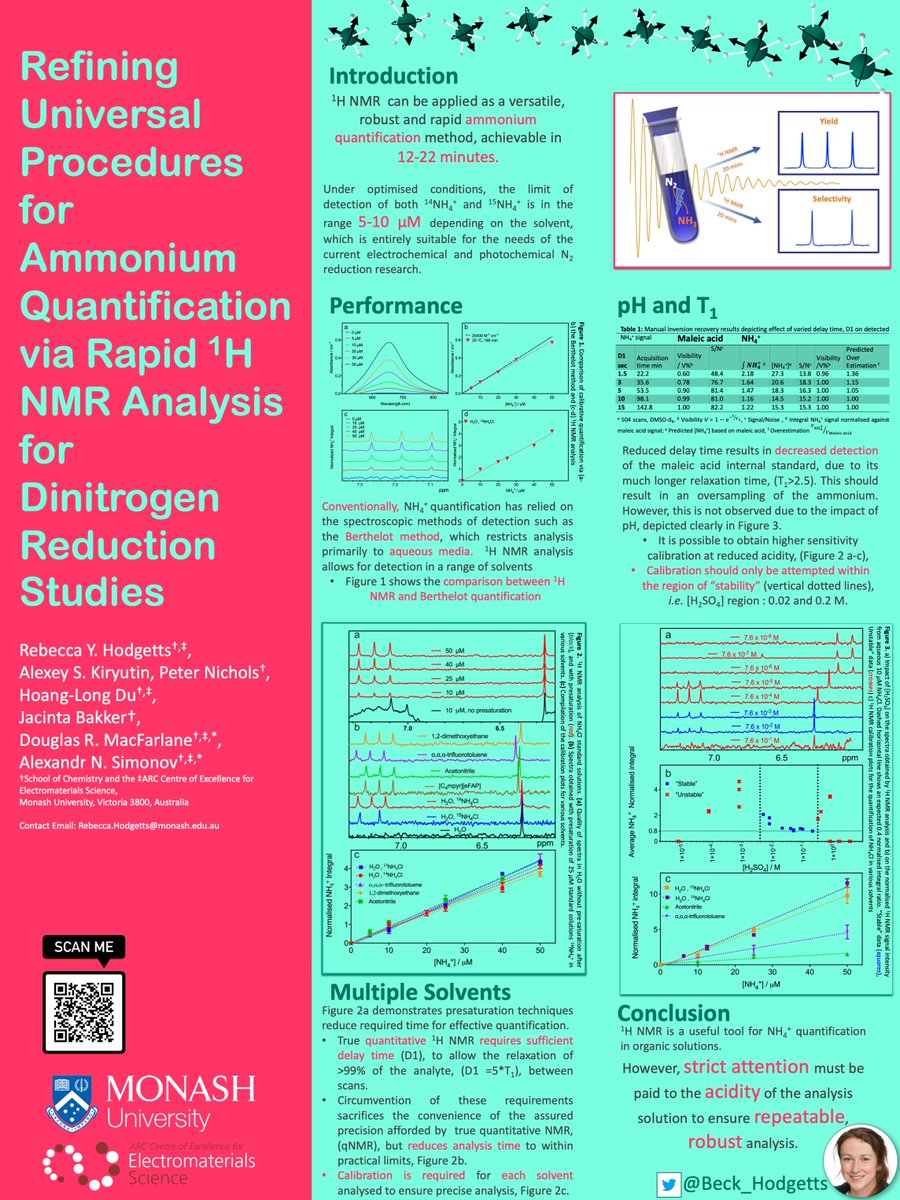
#RSCPoster2020 time!
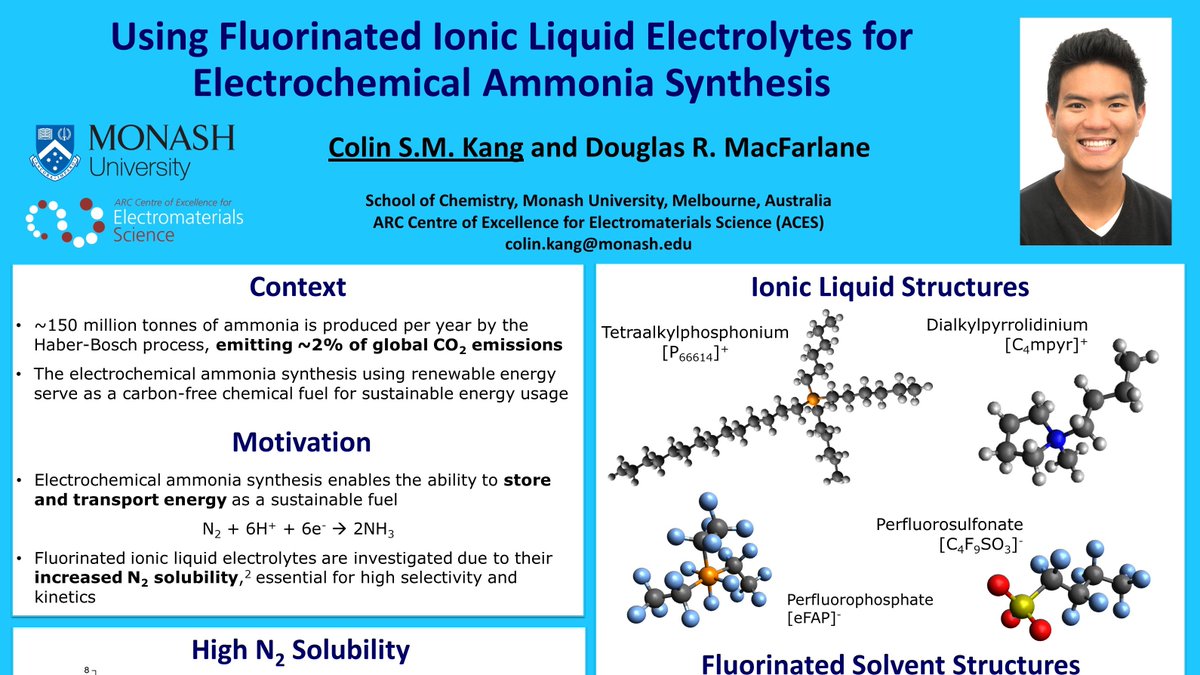
Careful selection of electrolytes to promote nitrogen gas solubility and improve ammonia production.
For anyone interested in a carbon-free energy source around the world!
#RSCEnergy@Monash_Science@ARC_ACES
Readable captions.. great suggestion @sjwill99 ! Here is a higher res version of my #RSCPoster2020 =)
Please note the captions for this poster have been severely refined (ironically to enhance readability) For full details : https://t.co/y9Nzu5o0zi
@nadineborduas@ChemistryMonash@Monash_Science@ARC_ACES Hi there, I see no reason why this would not work, gaseous NH3 can be transferred into an analyzable solution by pumping a known quantity of gas through an acidic solution. When applying this work I would strongly suggest a non aqueous acidic solution.
@RacheleOssola@ChemistryMonash@Monash_Science@ARC_ACES I will try:) first off access to cation ic is rare (for me at least) and IC columns tend not to tolerate the electrolyte in these solutions. typically using this would require pretreatment to remove any potential risk to the column. not impossible, but problematic
@drclairemurray@ChemistryMonash@Monash_Science@ARC_ACES well really the question is how this work will move my other projects forward. I am working on nitrogen reduction in a variety of organic solvents. so this was very much a necessary starting point for me. :)