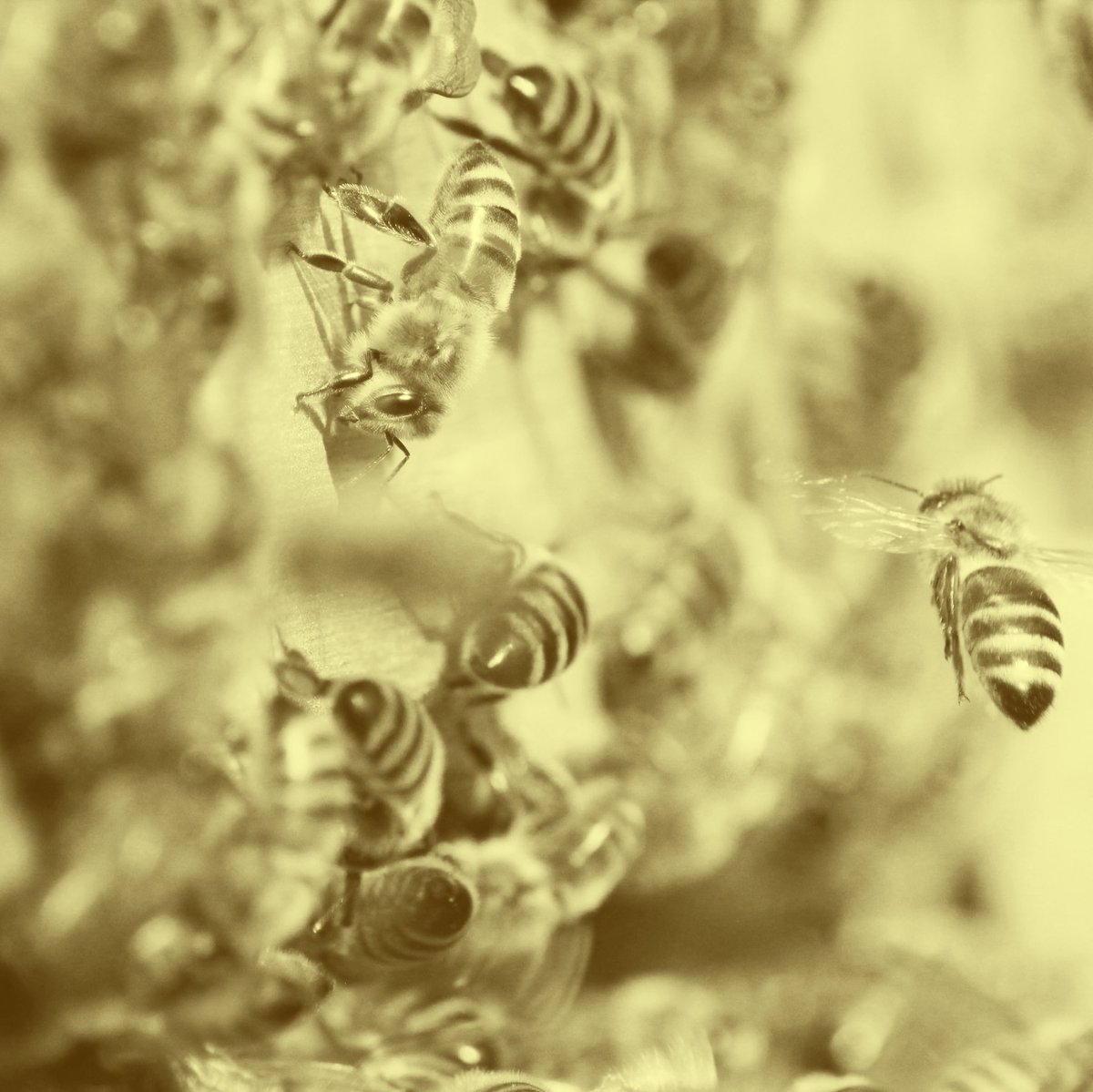
Proteggere le #api 🐝: una nuova strada per la valutazione del rischio.
Il #ParlamentoEuropeo ha chiesto all’#EFSA…. Continua https://t.co/7kDgFz6tbp
Protecting #bees 🐝: a new way forward for risk assessment.
The #European Parliament 🇪🇺 requested #EFSA … continue
@EFSA_EU
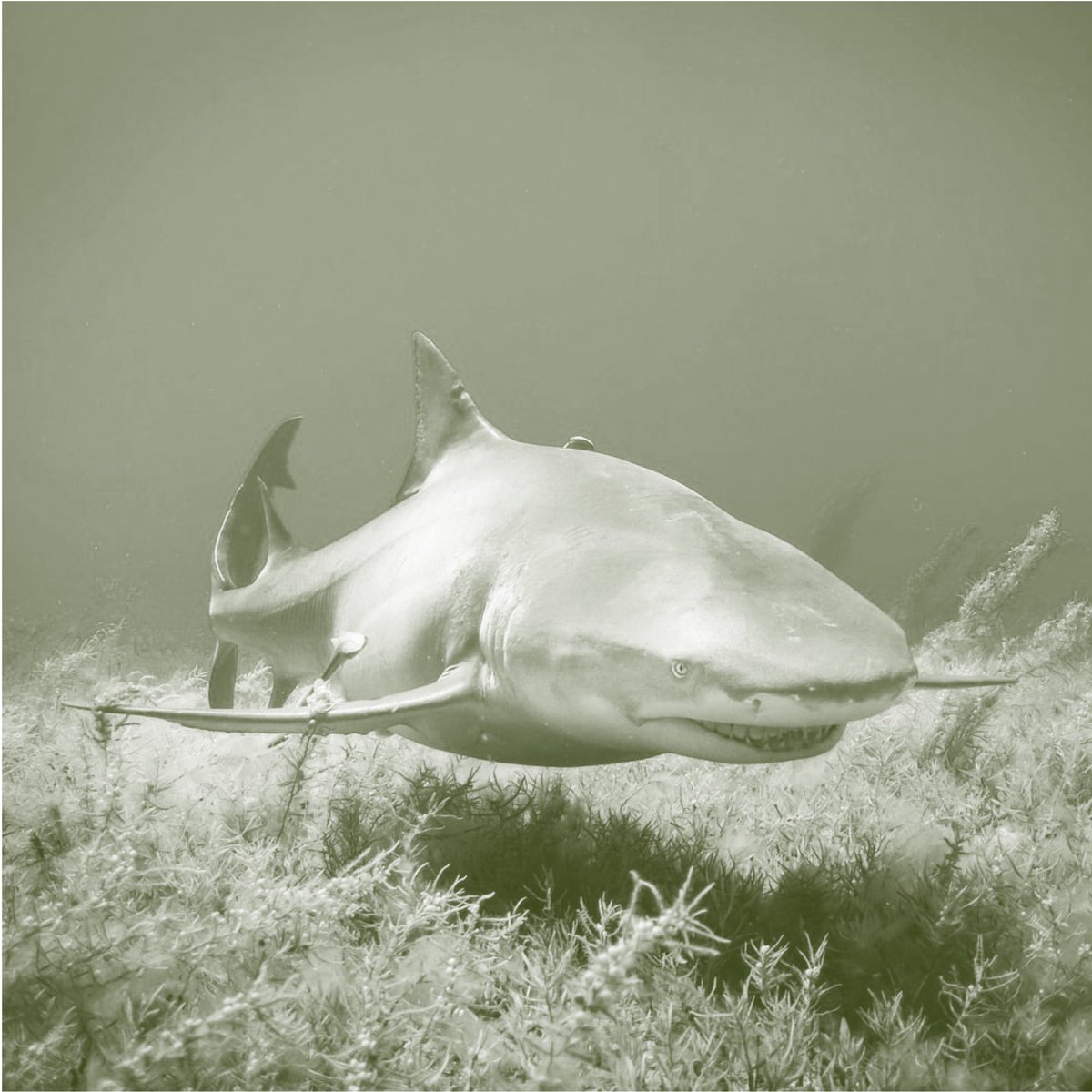
Ogni anno, la scoperta di nuove specie di squali sottolinea quanto poco sappiamo della #biodiversità oceanica 🦈… continua a leggere su Instagram https://t.co/gcUKa3Xkra
Each year, the discovery of new shark species underscores how little we know about #ocean#biodiversity 🦈…
42° ARTEVENTO CERVIA
Lo stand del nostro Team Bee human vi aspetta al festival il 23, 24 e 30 aprile e il 1° maggio.
The stand of our Bee Human
Team is waiting for you at the festival on April 23rd, 24th and 30th and on May 1st.
#CatchTheWave#festivalaquilonicervia#Beehuman
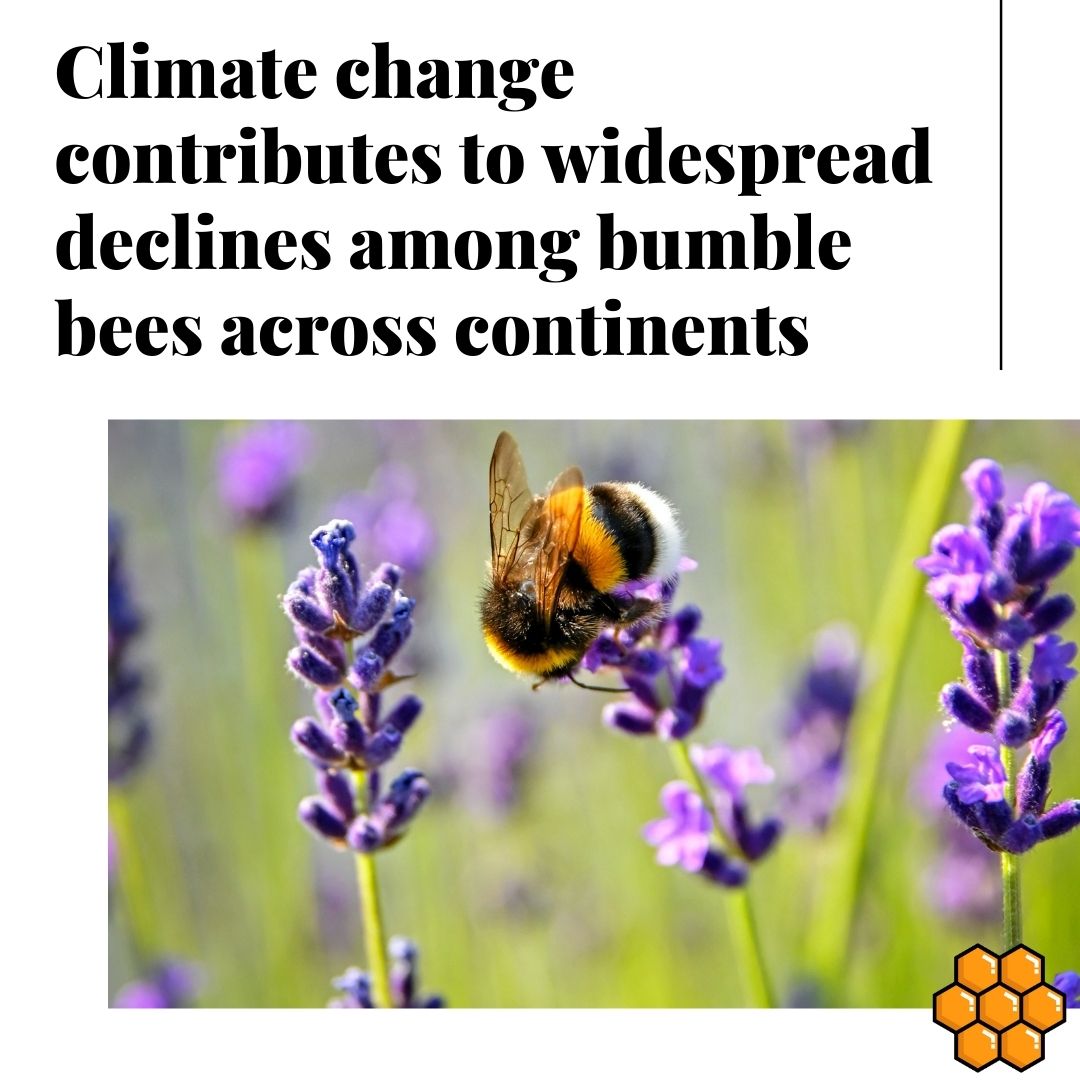
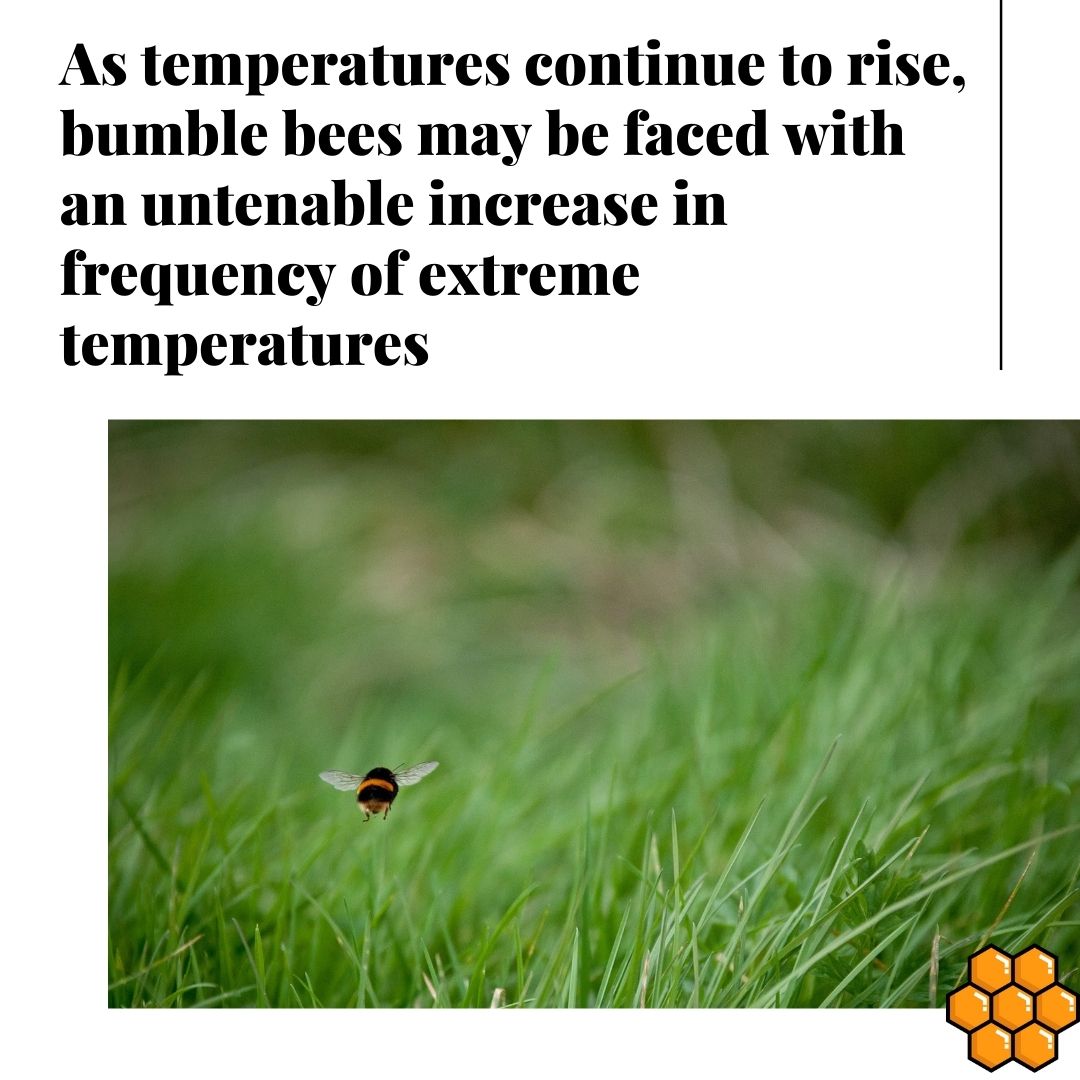
As average temperatures continue to rise, bumble bees may be faced with an untenable increase in frequency of extreme temperatures.
SCIENCE, 7 Feb 2020, Vol 367, Issue 6478, pp. 685-688, DOI: 10.1126/science.aax8591
https://t.co/ImjNYku4SR
#bees#Bee 🐝
The KwaZulu-Natal sardine run, popularly known as the “greatest shoal on Earth,” is a mass migration of South African sardines from their temperate core range into the subtropical Indian Ocean
Keep reading 👇
Once the upwelling ends, they find themselves trapped in physiologically challenging subtropical habitat and subject to intense predation pressure
This makes the sardine run a rare example of a mass migration that has no apparent fitness benefits
For more info 👇
Automated data collection and machine learning are set to revolutionize in situ studies of natural systems
More info 👇
https://t.co/3TyI4eBNdJ
#ecology#machinelearning#science#technology
In this study, the researchers showed the adverse effects of different #artificial#light sources on multiple aspects of #hawkmoth visual #ecology
More info 👇
https://t.co/wqZGMC5Fpk
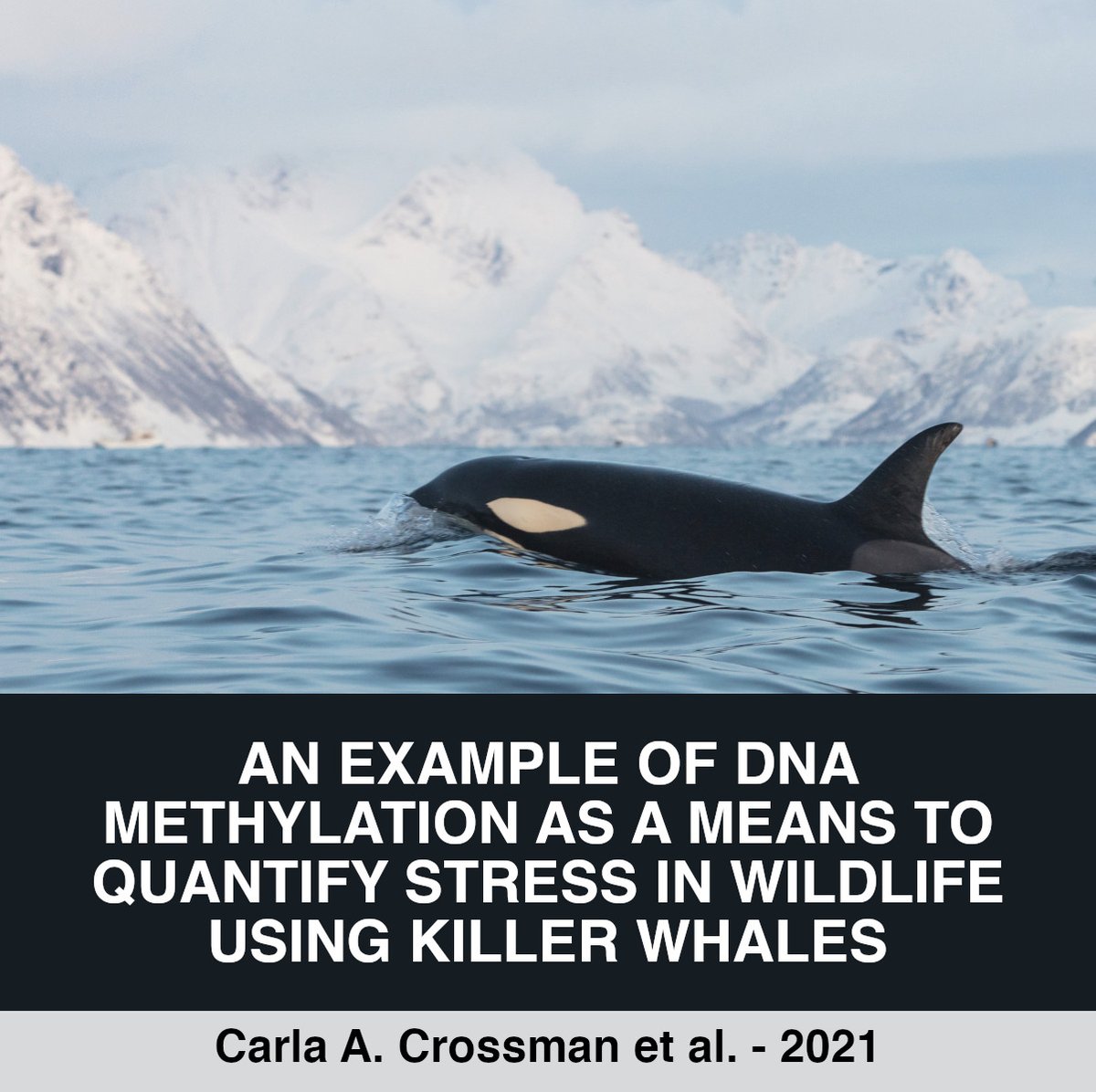
DNA methylation patterns could represent a useful method to assess the cumulative effects of non-lethal stressors in wildlife
More info 👇
https://t.co/se0vtXpjTK
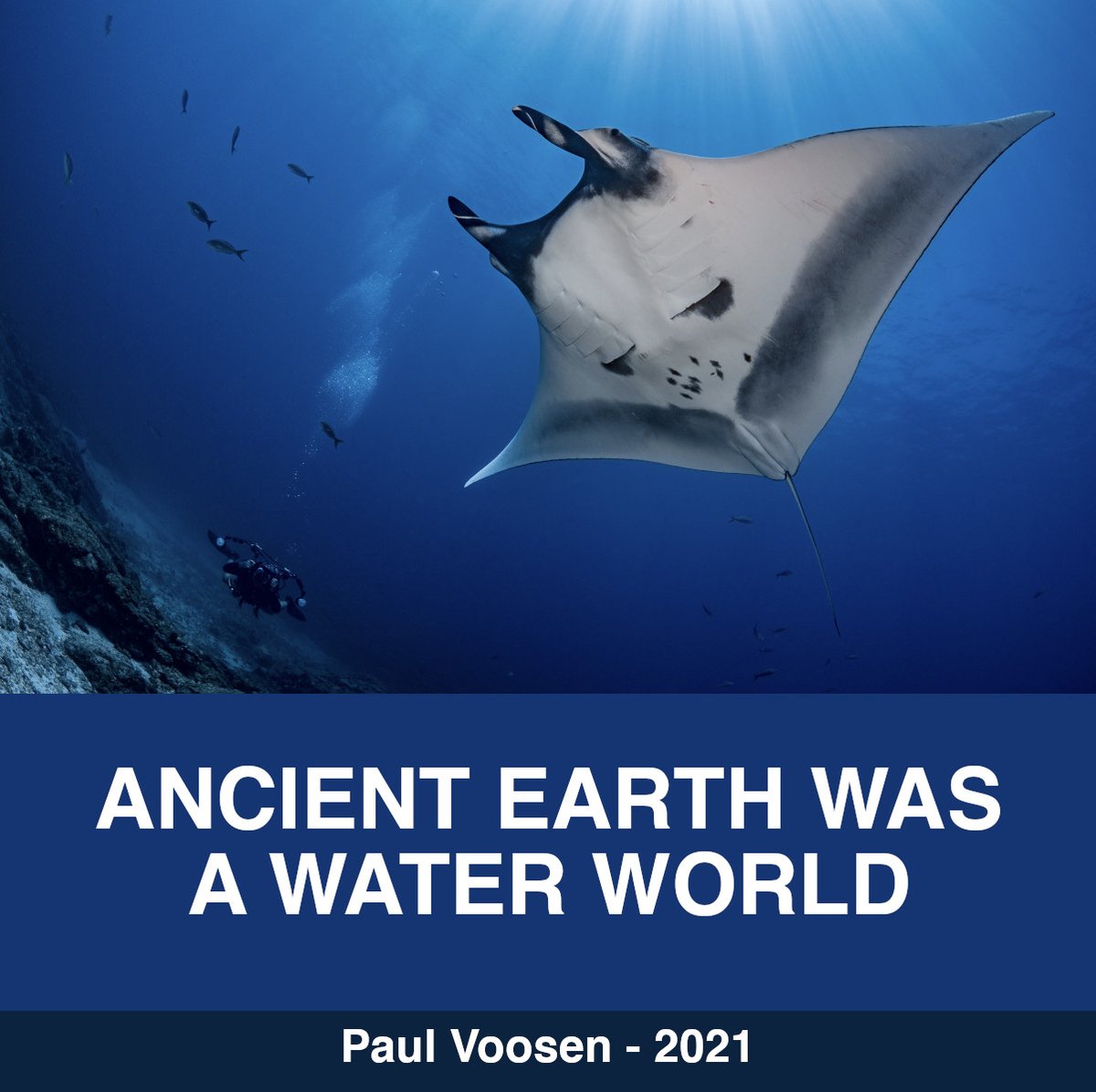
Over time sea levels have risen and fallen with temperatures—but Earth's total surface water was always assumed to be constant. Now, evidence is mounting that some 3-4 billion years ago, the planet's oceans held nearly twice as much water—enough to submerge today's continents
👇