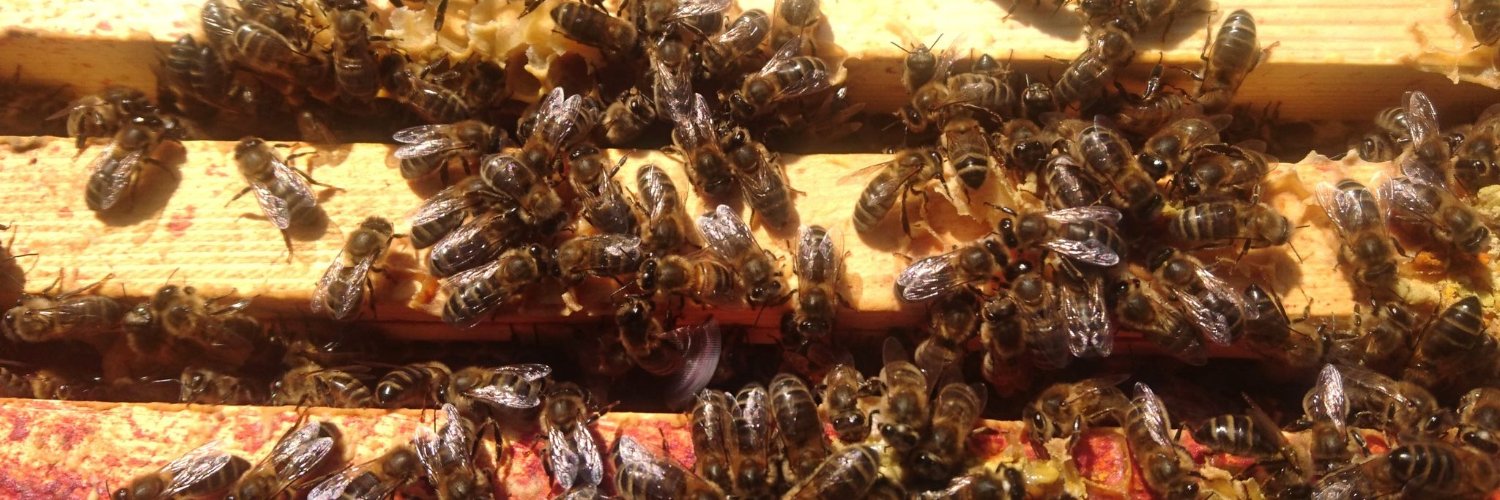
Fantastic for us to have the opportunity to talk about #honeybee genetics in Maxim Nekliudov's new documentary film 'Natives' about the UK's native honey bee. https://t.co/WjoQ4iE7VJ
@KerbalNut@ScrabbleTuesdee @gunsnrosesgirl3 Not legal to have hives which don't have movable frames allowing ease of inspection in lots of US states - including Ohio and Texas.
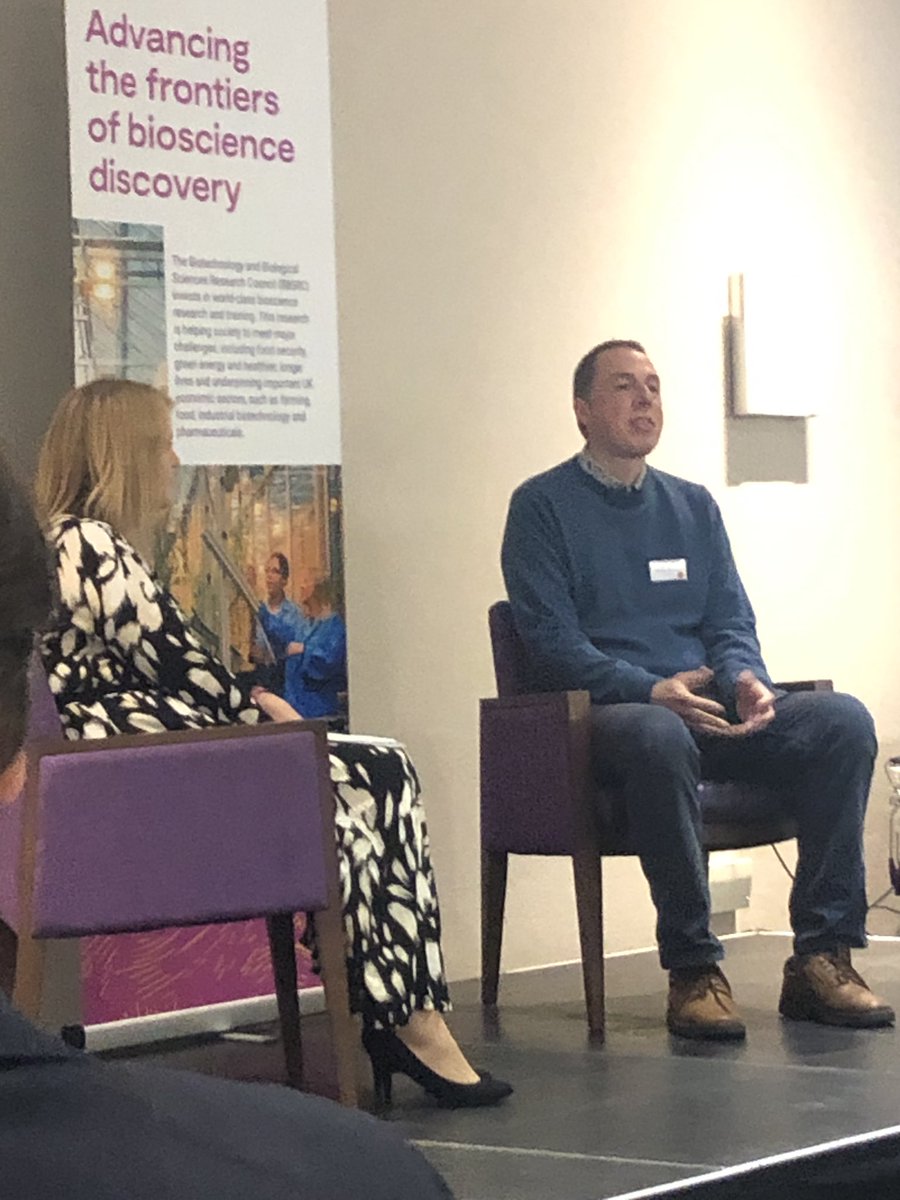
Delighted to be invited to talk about spinning out Beebytes as a social enterprise at the @BBSRC Sparking Innovation conference #BBSRCSparkingInnovation
Happy to have been able to support this fascinating work into the #honeybee#waggledance - there's always more to learn about these fascinating insects!
https://t.co/OZ9iK7aeKj
Nest Sweeper is an innovative solution to the invasion of Yellow Legged #AsianHornets in the UK. Learn how this technology-driven approach is revolutionising the way we monitor and protect our pollinators. Please read + support https://t.co/uKSHdjwFeg #invasivespecies#ai
Asian yellow legged hornets - 'Special Briefing for Beekeepers - Update 2024'
Andrew Durham on 16th Jan 7pm
Briefing will cover:
Situation in 2023 & beyond
Open to all members, encourage AHAT teams to attend.
Assocs have been sent the Zoom link
@ElmTreeBees AFB has been well-established at times in various places (e.g. Perth) but strong controls mean localised extinction is usually possible. However with spores it can come back into play any time old equipment is reused. Details on the epidemiology here: https://t.co/RS9SZGrqS8
@ElmTreeBees Technically-speaking, EFB doesn't form spores, but instead can exist in a 'vegetative cell state'. Less resilient, but still long-lived in 'normal' conditions (until we start throwing fire and bleach at them...)
@ElmTreeBees Asymptomatic colonies usually have adult bees carrying live bacteria (with larvae strong enough that they survive to adulthood). While AFB can last decades as spores, EFB can still survive for long periods > 18 months in honey, maybe longer on brood comb.
@ElmTreeBees Colonies can overcome EFB if strong enough (numbers, forage, genetics), it's a weaker strain, or there's a brood break (especially due to natural or shook swarming). But this combination is rare, and mortality can be over 90%.
Feeling very lucky to spot Braula in a sample of bees from the Scilly Isles. Braula is a wingless fly that lives in bees and steals their food - mostly wiped out by varroa treatments but still hangs on in varroa-free locations.
Fungicide can affect memory formation in honey bees by interfering with glucose levels in the haemolymph. A fascinating insight into how agrochemicals can impact pollinator health. https://t.co/L20R6hUefw
New research confirms antiquity of ancient human footprints at White Sands, showing they were left behind c. 23,000 and 20,000 years ago and demonstrating that humans were present in southern North America during the Last Glacial Maximum (LGM) https://t.co/nc4WT6yyHI #Archaeology