We are incredibly proud to spotlight these visionary leaders who are redefining the communications and PR landscape in Ethiopia. From industry pioneers to strategic architects, these men are setting new benchmarks for excellence and driving powerful brand narratives at the highest levels.
Recognized among the top men shaping the PR industry in Ethiopia, these professionals are at the forefront of innovation, strategic growth, and narrative excellence.
Join us in celebrating:
- Daniel Meboya Massamba, NORCAP Expert, Strategic Communication, African Union Commission
- Henok Sirak, Head Group PR and Corporate Communications, Ethiopian Airlines
- Yasser Bagersh, Managing Director, Cactus Ethiopia
- Addis Alemayehou, Chairman, Kazana Group | CEO,
251 Communications & Marketing PLC
- Samuel Bekele, Founder, Spotlight Communications and Marketing Ltd
- Behailu Ayele, Corporate Communications & CSR Director, BGI Ethiopia
- Dagmawi Zeleke Asfaw, Communications Director at Ethiopian Investment Holdings
- Yishak Zelleke, Managing Director, Prologue Burson
- Lioul Asfaw, Managing Partner, Velocity Marketing ET
- Zelalem Woldemariam, Founder, Zeleman Communications
#AfricaPRWeek #AGPRW #AfricaGlobalPRWeek #RedefiningPR
Last night I had gango Ethiopian style. They have fresh beef hanging on the right side of the restaurant. You choose your preferred cut, and it is barbecued/braaied, then served sizzling on a metal plate with fire underneath.
I had it with Injera, Ethiopia’s national staple food — a soft, spongy flatbread made primarily from teff flour, a highly nutritious ancient grain native to the Ethiopian highlands.
It is fermented for two to three days, giving it a slightly sour taste and a unique texture filled with tiny holes (called eyes) that absorb the sauces beautifully. Injera is to Ethiopians what sadza is to Zimbabweans.
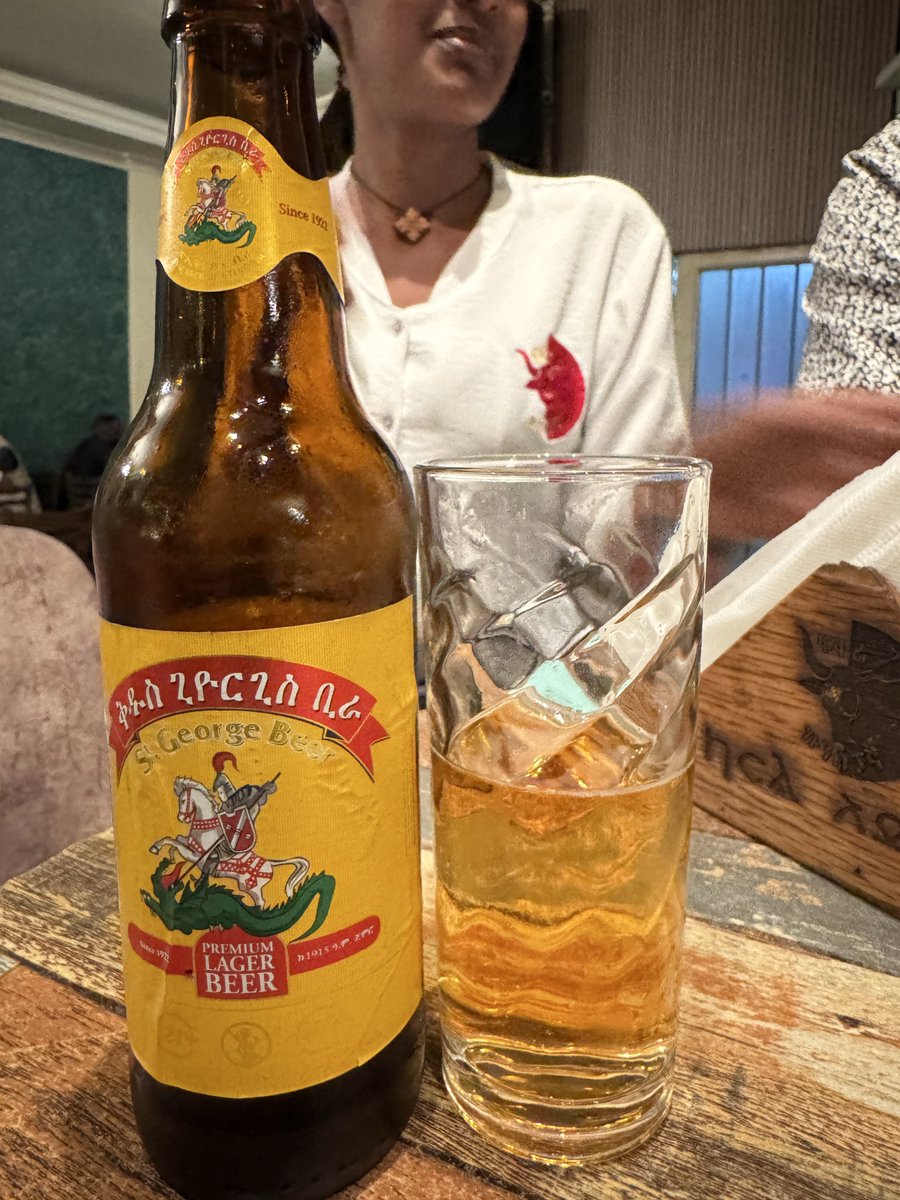
I also tried their beer called St. George; it is smooth, , crispy, tasty, and easy on the tongue. St. George Beer is one of Ethiopia’s oldest and most beloved lagers, brewed by the St. George Brewery.
It was the first industrial brewery in Ethiopia, established in 1922 by a Belgian investor named Gaston Vanderhaegen and named after Saint George, the patron saint of Ethiopia.
St. George Beer is a national icon to Ethiopia, it is what Castle is to Zimbabwe and South Africa.
What I experienced with their version of gango, Injera, and St. George Beer reflects more than just Ethiopian cuisine; it represents the heartbeat of the country’s economy. That single restaurant alone serves seven carcasses of cattle a day.
These foods and drinks are produced locally, creating jobs for farmers who grow teff and barley, butchers who supply the meat, restaurant workers, and brewery staff. They sustain entire value chains that run from rural villages to urban markets.
The brewing of St. George Beer and the making of Injera also foster national pride and cultural identity, drawing tourists eager to experience authentic Ethiopian flavours. This cultural tourism brings in foreign currency while strengthening Ethiopia’s soft power across Africa.
I asked myself; why do we import maize when we have so much land in Zimbabwe? It comes down to one thing that I preach about daily, leadership! People want to see and experience an economy that is growing.
Congratulations, #Ethiopia, for achieving Regulatory Maturity Level 3 in the @WHO’s global classification of national regulatory authorities.
Ethiopia now joins Egypt, Ghana, Nigeria, South Africa, Tanzania, Zimbabwe, Senegal and Rwanda in reaching Maturity Level 3 on the continent.
This progress is making Africa closer to improving local production and access to safer, quality medicines and medical products. #HealthForAll
Fun fact:
The stadium where Barça and PSG are currently playing is the same stadium where Derartu Tulu won the women’s 10,000m in 1992, becoming the first Black African woman to win an individual Olympic gold medal.