Behavioral science is the various disciplines dealing with the subject of human actions, usually including the fields of sociology, social & psychology
Hi all, this account tries to tell the Behavioral Science TRUTH between 'NUDGE', 'SLUDGE' and 'BUDGE' based on real evidence, is BS here to help us or control us?
“Seen their schemes in operation since the date of their Stop Notices? Let us know.”
In other words, we’re not doing our job properly and we know it. 🤦♀️
#LoanChargeScandal#LoanChargeSuicides
5 / Negative impact of behavioural insights on mental health
While behavioural insights can have many positive impacts on mental health, there are also potential negative consequences to consider. Here are some ways in which behavioural insights could have negative impacts on mental health:
1. Manipulation and Coercion: If behavioural insights are used inappropriately or unethically, they can manipulate individuals' behaviour without their consent or awareness. This can lead to feelings of distrust, loss of autonomy, and stress, especially if individuals feel their choices are being controlled or influenced in ways that are not in their best interests.
2. Stigmatization and Labeling: Behavioural interventions that target specific behaviours or groups of individuals may inadvertently reinforce stereotypes or stigmatize certain populations. This can contribute to feelings of shame, isolation, or low self-esteem among those who are targeted by the interventions.
3. Privacy Concerns: Some behavioural interventions may involve the collection and analysis of personal data, raising privacy concerns among individuals. The use of personal information to tailor interventions or target specific groups may lead to feelings of intrusion or violation of privacy, especially if individuals are not adequately informed or consent to the use of their data.
4. Unintended Consequences: Behavioural interventions can have unintended consequences that may negatively impact mental health. For example, nudges designed to promote certain behaviours may inadvertently increase feelings of guilt or inadequacy among individuals who do not conform to the desired behaviour. Similarly, interventions that simplify decision-making processes may lead to feelings of frustration or overwhelm if individuals feel their preferences or needs are not adequately considered.
5. Dis-empowerment: In some cases, behavioural interventions may dis-empower individuals by undermining their sense of agency or self-efficacy. If individuals feel that their choices are being manipulated or predetermined by external forces, they may become passive or resigned, leading to feelings of helplessness or apathy.
Example: The impact of behavioural insights on mental health was reported in the Loan Charge All-Party Parliamentary Group Report on the Morse Review into the Loan Charge March 2020. It concluded that independent assessment and a suspension of HMRC’s use of behavioural insights was needed, “in light of the ongoing suicide risk to those impacted by the Loan Charge”. Clear misconduct and bullying, including using 30 behavioural insights in communications, were cited in one of the known suicides of people facing the Loan Charge.
https://t.co/519efPxZS5
4 / Positive impact of behavioural insights on mental health
Behavioural insights can have several positive impacts on mental health when applied ethically and responsibly. Here are some ways in which behavioural insights can contribute positively to mental health:
1. Promoting Healthier Behaviours: Behavioural insights can be used to encourage individuals to adopt healthier behaviours that support mental well-being, such as regular exercise, healthy eating, and stress management techniques. Nudges and interventions that make these behaviours more accessible, convenient, and socially normative can help individuals make positive changes to their lifestyle.
2. Reducing Stigma and Promoting Help-Seeking: Behavioural insights can inform strategies to reduce stigma surrounding mental health issues and encourage individuals to seek help when needed. Messaging that normalises help-seeking behaviour, provides accurate information about mental health conditions, and addresses common misconceptions can help overcome barriers to seeking support.
3. Improving Access to Services: Behavioural insights can be used to improve access to mental health services and support. Strategies such as simplifying appointment scheduling processes, reducing administrative barriers, and providing personalized recommendations for relevant services can make it easier for individuals to access the care they need.
4. Enhancing Social Connections: Behavioural insights can inform interventions that strengthen social connections and support networks, which are essential for mental well-being. Strategies that encourage social participation, foster community cohesion, and facilitate supportive relationships can help individuals feel connected and supported in their communities.
5. Building Emotional Resilience: Behavioural insights can promote emotional resilience and coping strategies to deal with stress, adversity, and challenges. Interventions that teach emotion regulation skills, promote mindfulness practices, or encourage positive reframing of situations can help individuals build resilience and manage their mental health more effectively.
3 / Nudge vs Sludge vs Fear vs Propaganda
1. Nudge: Definition: Involves subtly altering the presentation of choices to encourage positive behaviour without restricting options. Examples: HMRC has utilised nudge principles in various ways to encourage tax compliance and prompt individuals to fulfil their tax obligations. Such as sending personalised messages or reminders to taxpayers to file their tax returns on time, highlighting the benefits of compliance and the potential consequences of non-compliance. These messages aim to guide taxpayers towards making timely and accurate tax submissions without imposing restrictive measures. HMRC have also used communication strategies to promote voluntary disclosure of tax liabilities, through campaigns that emphasize the benefits of coming forward and rectifying tax errors voluntarily. HMRC is increasingly using ‘nudge’ letters to circumvent the normal dispute resolution process and put pressure on individuals currently engaged in a dispute with the taxman https://t.co/fZDR5CQXBO
2. Sludge: Definition: Involves creating barriers, complexities, or excessive steps that make it difficult for individuals to take certain actions. Examples: There have been instances where HMRC bureaucratic processes or complexities created sludge. Such as, customer service help line delays, lengthy and complicated forms, or procedures for applying for tax credits or benefits, which deter eligible individuals from accessing support. Delays in processing tax-related inquiries or appeals, unclear instructions, or inconsistent information provided by HMRC have also contribute to sludge, making it challenging for taxpayers to navigate through tax-related processes efficiently.
3. Fear: Definition: Evoking an emotional response by highlighting potential risks, threats, or consequences associated with certain actions or behaviours. Examples: HMRC's communications has occasionally highlight the potential consequences of non-compliance, such as penalties, fines, or legal action. While the intent is to inform taxpayers about their obligations, such messaging has evoked, anxiety, stress and mental illness. There have been reports that individuals affected by the Loan Charge policy have experienced significant stress and mental health challenges, and in some tragic cases, individuals have taken their own lives. HMRC have reported 10 suicides, 13 attempted suicides and 24 serious injuries. https://t.co/GYG5UB56rx
4. Propaganda: Definition: Using information, persuasion, or manipulation to promote a particular agenda, ideology, or viewpoint. Examples: Spreading misleading or biased information to influence public opinion on a political issue, often serving the interests of a specific group or organisation. Such as HMRC’s misleading press releases and the HMRC campaign of disinformation over their failure to take action against promoters of loan schemes
https://t.co/OwANWiGpcJ
2 / UK's Behavioural Insights Team
The UK government’s Behavioural Insights Team was set up in 2010. It was initially established under the administration of then-Prime Minister David Cameron, with the aim of applying insights from behavioural economics and psychology to inform and improve public policy and service delivery. The unit operated within the Cabinet Office and collaborated with various government departments to design interventions that nudge citizens towards making choices, that the government wanted in areas such as health, finance, energy conservation, and tax compliance.
The Behavioural Insights Team (BIT) became a limited company in 2014. After initially operating as a part of the UK government, the team transitioned to a partly government-owned, partly employee-owned company structure in 2014, using Employee Benefit Trust (EBT) schemes. This change allowed BIT to operate more independently while still collaborating with government departments and agencies on behavioural insights projects.
UK Departments and agencies with teams of nudgers include:
Cabinet Office (which initially housed the Behavioural Insights Team)
Department for Work and Pensions (DWP)
HM Revenue and Customs (HMRC)
Department of Health and Social Care (DHSC)
Department for Education (DfE)
Ministry of Justice (MoJ)
Department for Business, Energy & Industrial Strategy (BEIS)
Department for Environment, Food & Rural Affairs (DEFRA)
National Health Service (NHS) England
1 / What is Behavioural Insights
Behavioural insights, also known as behavioural economics or behavioural science, is an interdisciplinary field that combines insights from psychology, economics, and other social sciences to understand and influence human behaviour. It examines how individuals make decisions, including cognitive biases, social influences, and contextual factors that shape behaviour.
While behavioural insights as a field have been developed over many years by various researchers and practitioners, two individuals who have significantly contributed to its popularization are Richard Thaler and Cass Sunstein. Thaler, an economist, and Sunstein, a legal scholar, co-authored the influential book "Nudge: Improving Decisions About Health, Wealth, and Happiness" in 2008. This book introduced the concept of "nudging," which involves designing choice architectures that steer individuals towards better decisions without restricting their options. The ideas presented in "Nudge" have had a profound impact on public policy and have led to the establishment of behavioural insights teams in governments around the world, including the UK's Behavioural Insights Team, commonly referred to as the "Nudge Unit."
@Keir_Starmer@RachelReevesMP@jamesmurray_ldn@UKLabour@GOVUK
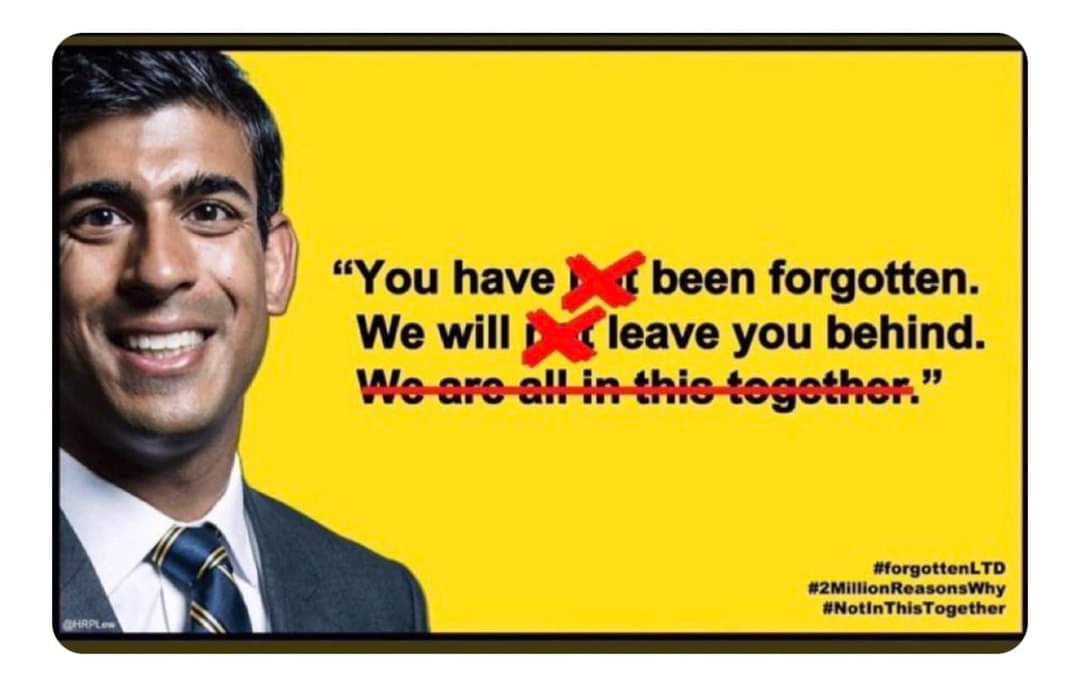
YOU NOW OWN THIS SCANDAL AND YOU WILL BE HELD TO ACCOUNT
@Ray_McCann55#LoanChargeReview#RayReview THERE IS A REAL RISK OF MORE #SUICIDES IF VICTIMS ARE FORCED TO PAY UP.
The #LoanChargeScandal and the #PostOfficeScandal share several key similarities, although they are different in nature and context. Both are major UK injustices involving flawed systems, government failings, and devastating personal consequences for innocent people.
Here’s a breakdown of the similarities:
🔹 1. Wrongful Accusations of Ordinary People
#LoanCharge: Tens of thousands of freelancers and contractors were retrospectively hit with huge tax bills for using loan-based remuneration schemes that were legal and disclosed at the time. Many claim they were misled or had little choice.
Horizon:
Sub-postmasters were accused of theft and fraud due to errors in the Horizon IT system, which falsely showed shortfalls.
🔹 2. Government and Institutional Cover-Up
Loan Charge: #HMRC and the Treasury have defended the policy despite evidence it was unfair and that many taxpayers were misled or coerced.
Horizon: The Post Office denied faults in the Horizon system for years, even as evidence mounted that it was unreliable.
🔹 3. Devastating Human Cost
Loan Charge: Reported #suicides, #bankruptcies, broken families, and #mentalhealth crises. A direct #suicide risk report was made but not published until pressured.
Horizon: Similar personal tragedies – many sub-postmasters went to prison, lost homes, businesses, reputations, and suffered severe trauma.
🔹 4. Denial of Fair Legal Process
Loan Charge: #Taxpayers were denied the right to appeal through normal tax tribunals; instead, they faced accelerated payment demands.
Horizon: Sub-postmasters were prosecuted using flawed data; courts were misled, and many were denied a proper defence.
🔹 5. Retrospective Injustice
Loan Charge: Applied retrospectively, initially going back as far as 1999.
Horizon: People were held accountable for system errors going back decades, with little recourse.
🔹 6. Lack of Accountability
Loan Charge: Despite Parliamentary pressure, no one in HMRC or the Treasury has resigned or been held to account.
Horizon: Only after years of campaigning and a public inquiry have some Post Office executives begun to face consequences.
🔹 7. Grassroots Campaigns Led to Public Awareness
Loan Charge: The Loan Charge Action Group (LCAG) @LCAG_2019 and cross-party MPs @loanchargeAPPG fought to expose the injustice.
Horizon: The Justice for Subpostmasters Alliance and investigative journalism (e.g., by @nickwallis) were key in raising awareness.
Summary
Factor Loan Charge Scandal Horizon Scandal
Victims #Contractors, #freelancers, #SmallBusiness, #Subpostmasters
Systemic Failure #HMRC retrospective tax policy Faulty IT system (Horizon)
Institutional Denial Treasury/HMRC Post Office
Personal Harm Suicides, financial ruin, wrongful imprisonment
Legal Injustice No tax tribunal access Flawed prosecutions
Grassroots Pressure LCAG and APPG on Loan Charge JFSA and public inquiry
This shows how state institutions can cause widespread harm when they refuse to admit mistakes — and how justice often requires public pressure and persistence. Don't repeat the mistakes with the #RayMcCann #LoanChargeReview. There is a real risk of more #Suicides if victims are forced to pay up.
HMRC should've been more proactive, Tax Advisors and Scheme Providers brought to account for their inactions and the Chancellor and Treasury held in contempt for mis- leading Parliament, the House of Lords and the general public
@LCAG_2019@loanchargeAPPG#LoanChargeScandal
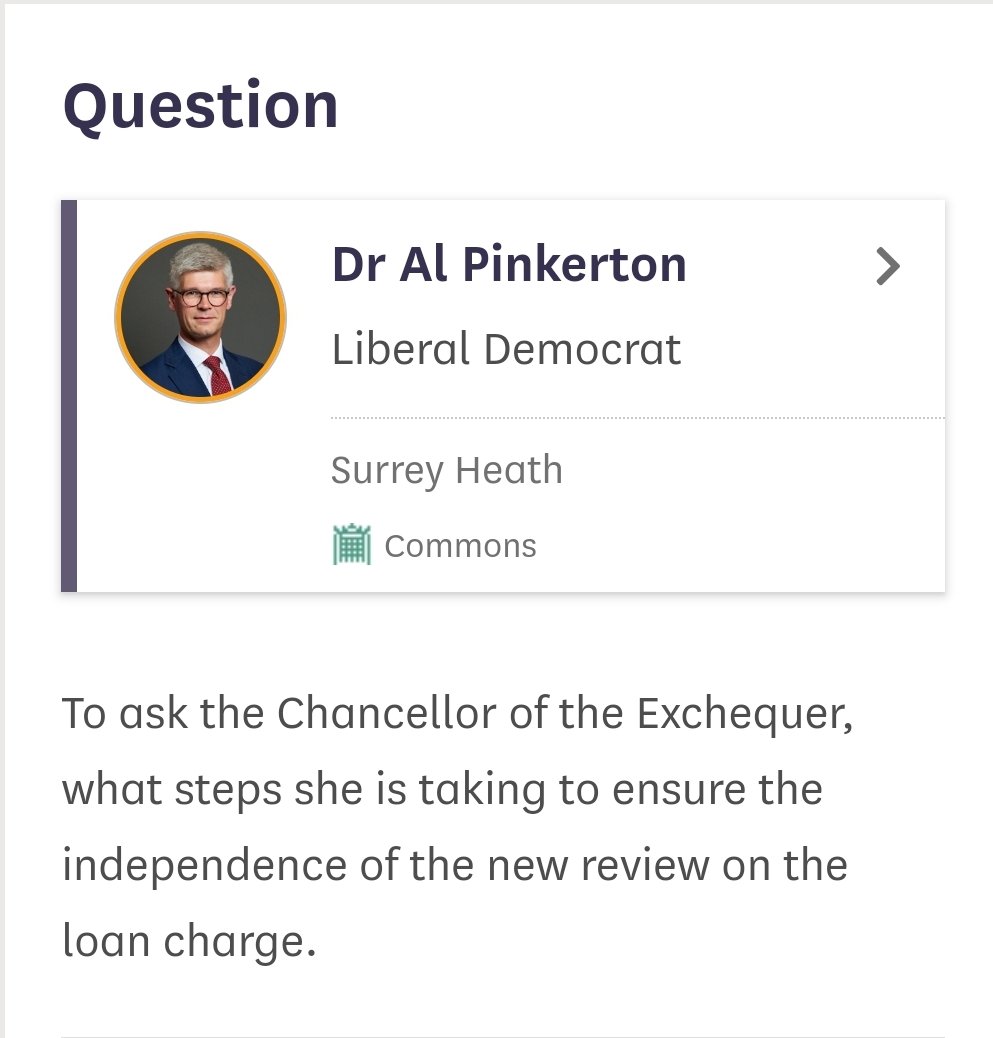
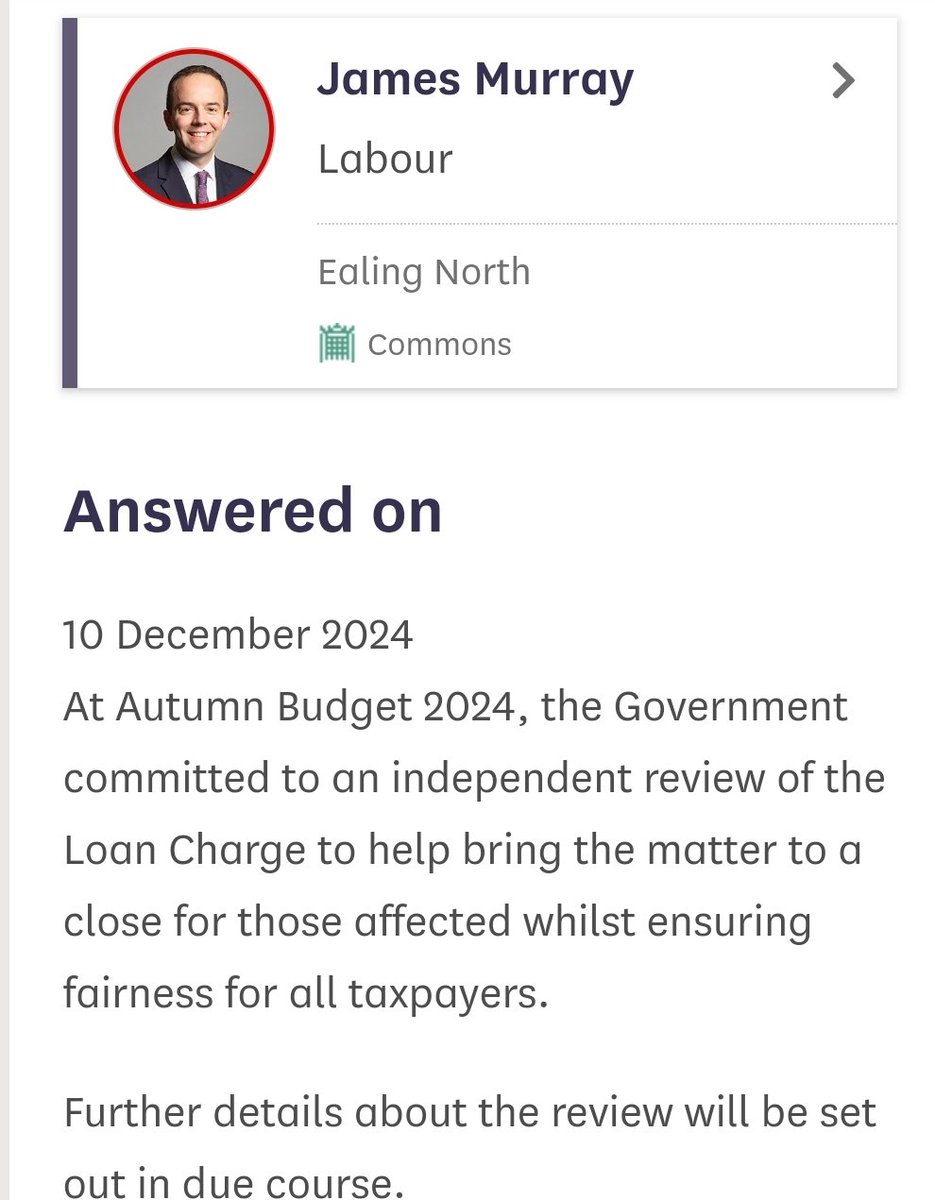
Thank you @Alpinkerton for raising Written Questions on independence & scope of #LoanChargeReview and to @jamesmurray_ldn for replies.
Many thousands of #LoanChargeScandal victims await review James, please pause Loan Charge & associated HMRC actions until Review finalised.