Selenotropism – it is that deep, almost primal pull toward something higher, gentler, more truthful. A kind of inner leaning—not toward escape, but toward alignment.
This is not naive optimism. This is soul-driven orientation. The body may be weary, the path unclear, the heart cracked wide—but still, something within you turns toward the light. Not the blinding glare of artificial clarity, but the subtle, silver glow of something sacred and steady. Like the moon that rises without sound, you begin to remember what still lives in the dark.
The ego looks for proof. The soul feels direction. And Selenotropism is the soul’s quiet compass—pointing not to what is easy, but to what is true. It’s the choice to rise when it would be easier to retreat. To soften when it would be easier to harden. To keep moving—not quickly, but deliberately—toward what brings life, depth, and quiet joy.
This instinct is ancient. It is what carried you through the nights you thought would break you. It’s what whispered “not yet” when giving up looked easier. It’s what reminds you that even in darkness, growth is not only possible—it is holy.
Selenotropism is not about arriving in the light. It’s about choosing to turn toward it—again and again. Even when the mind is full of doubt. Even when the heart is heavy. It’s the trust that light still exists & that you are worthy of walking toward it.
~ @Coach_Mantas
✨🙌🏽💫
𝐃𝐢𝐣𝐨 𝐮𝐧𝐚 𝐯𝐞𝐳 𝐌𝐚𝐜𝐚𝐮𝐥𝐚𝐲 𝐂𝐮𝐥𝐤𝐢𝐧: “Cuando era niño, mi padre era abusivo, física y mentalmente. Todo lo que él intentó hacer en su vida, yo lo logré antes de los diez años. No he hablado con él en unos 30 años; tuvo siete hijos y ahora tiene cuatro nietos, y ninguno quiere saber nada de él. Cuando crecí, pensé: ‘Así es como no voy a ser con mis hijos’. Ahora que tengo los míos, me sorprende cómo pudo ser así. Tenía todos estos hijos encantadores. Es una locura. Yo elijo estar, elijo querer, elijo hacerlo diferente. Porque no heredar el dolor también es una forma de amar.”
When the waves of consciousness are transcended by concentrated meditation practice, consciousness, being purified, experiences oneness with the Supreme Self. The manifested world, the (truth) seeker’s consciousness, and Supreme Consciousness are experienced as one.
~ Mhasaya
El Verdadero Amor Según Bryan Adams
La canción "Have You Ever Really Loved A Woman?" de Bryan Adams es una exploración lírica del amor profundo y comprometido hacia una mujer.
A través de sus versos, Adams describe lo que significa amar verdaderamente a una mujer, enfatizando la importancia de la comprensión, la empatía y el apoyo incondicional.
La letra sugiere que amar a una mujer va más allá de la atracción física; implica conocerla íntimamente, escuchar sus pensamientos, apoyar sus sueños y ver un futuro juntos.
El coro repite la pregunta que da título a la canción, invitando a los oyentes a reflexionar sobre la naturaleza de su propio amor y si han experimentado ese nivel de conexión emocional y compromiso.
Adams insiste en que el amor verdadero requiere comunicación y afirmación, diciéndole a la mujer que es deseada y que es la única, proporcionando seguridad y promesas de un amor eterno.
Musicalmente, la canción combina la balada rock característica de Bryan Adams con influencias latinas, lo que refuerza la pasión y la intensidad del mensaje.
La guitarra española que se escucha en la canción añade un toque romántico y exótico, subrayando la universalidad del amor y la conexión humana que Adams busca transmitir a través de su música.
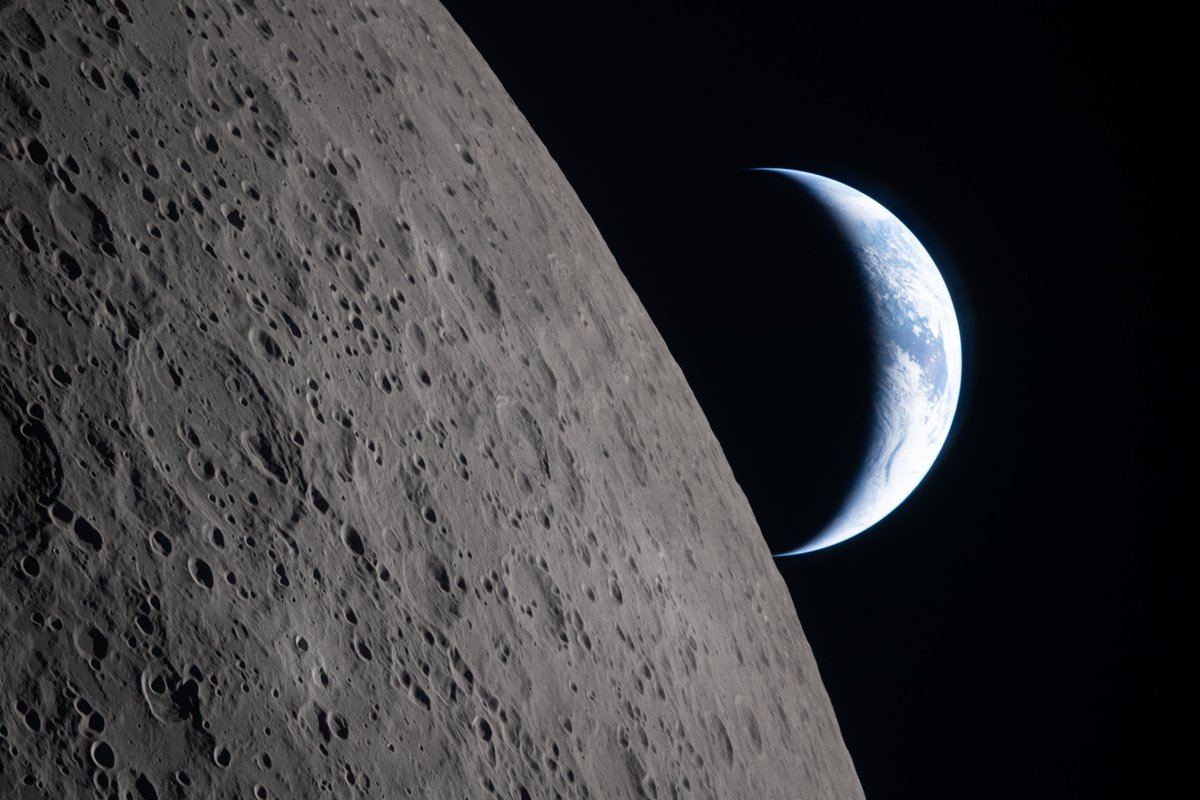
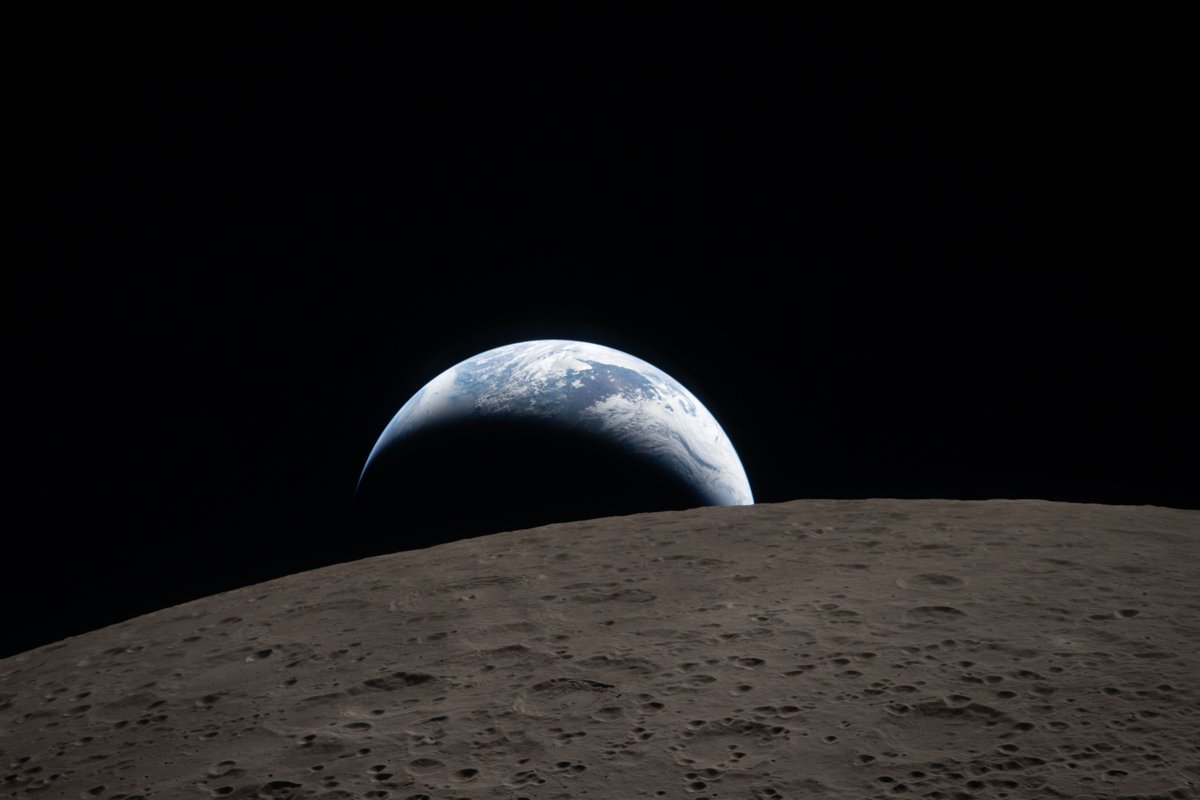
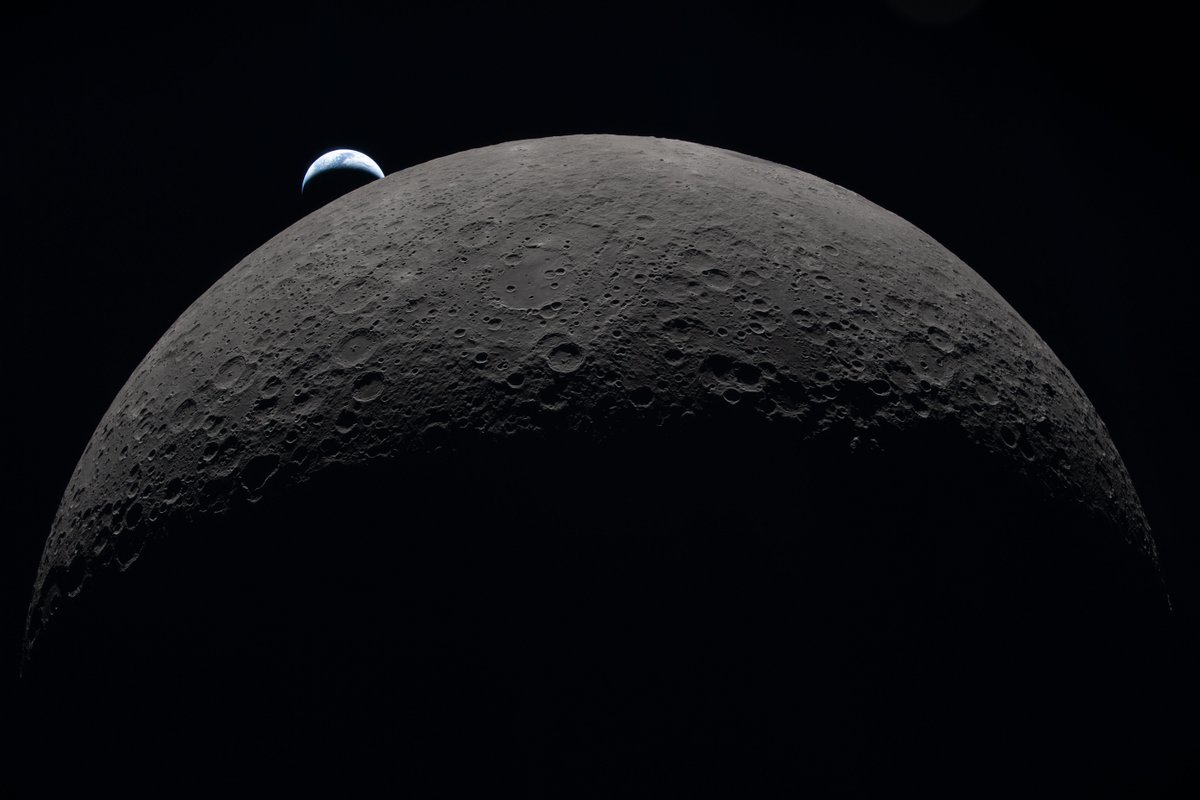
Hello, Moon. It’s great to be back.
Here’s a taste of what the Artemis II astronauts photographed during their flight around the Moon. Check out more photos from the mission: https://t.co/rzM1P0QbOl