Changing #LandUse and #zoning policies can bring far-reaching economic, social, and environmental benefits. A new RMI report quantifies the emissions reduction potential and added community benefits of reforming these strategies. Learn more: https://t.co/0FLj1FP3n9 #urbanism
@davidsirota Where is your support for zoning and land use reforms that encourage more infill and transit-oriented development? Analysis at RMI, WRI, and UC Berkeley all find that infill development is one of the most important things a city can do (and has under its control) for climate
Rocky Mountain Institute research shows 90-foot buildings along Austin transit corridors would cut city driving 34% while creating space for one million homes. This approach reduces energy use 16%, improving housing affordability.
https://t.co/k9cs2fOBby
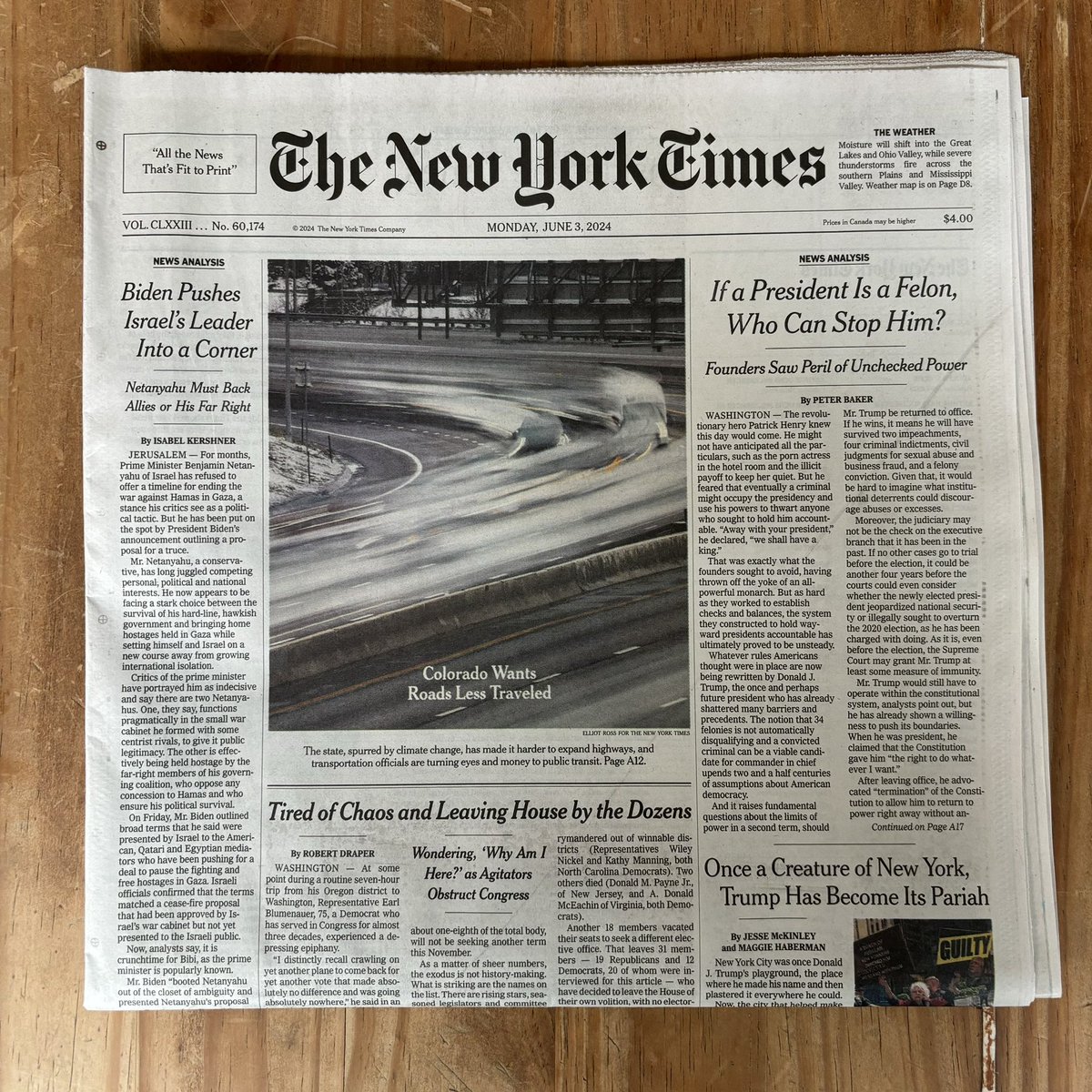
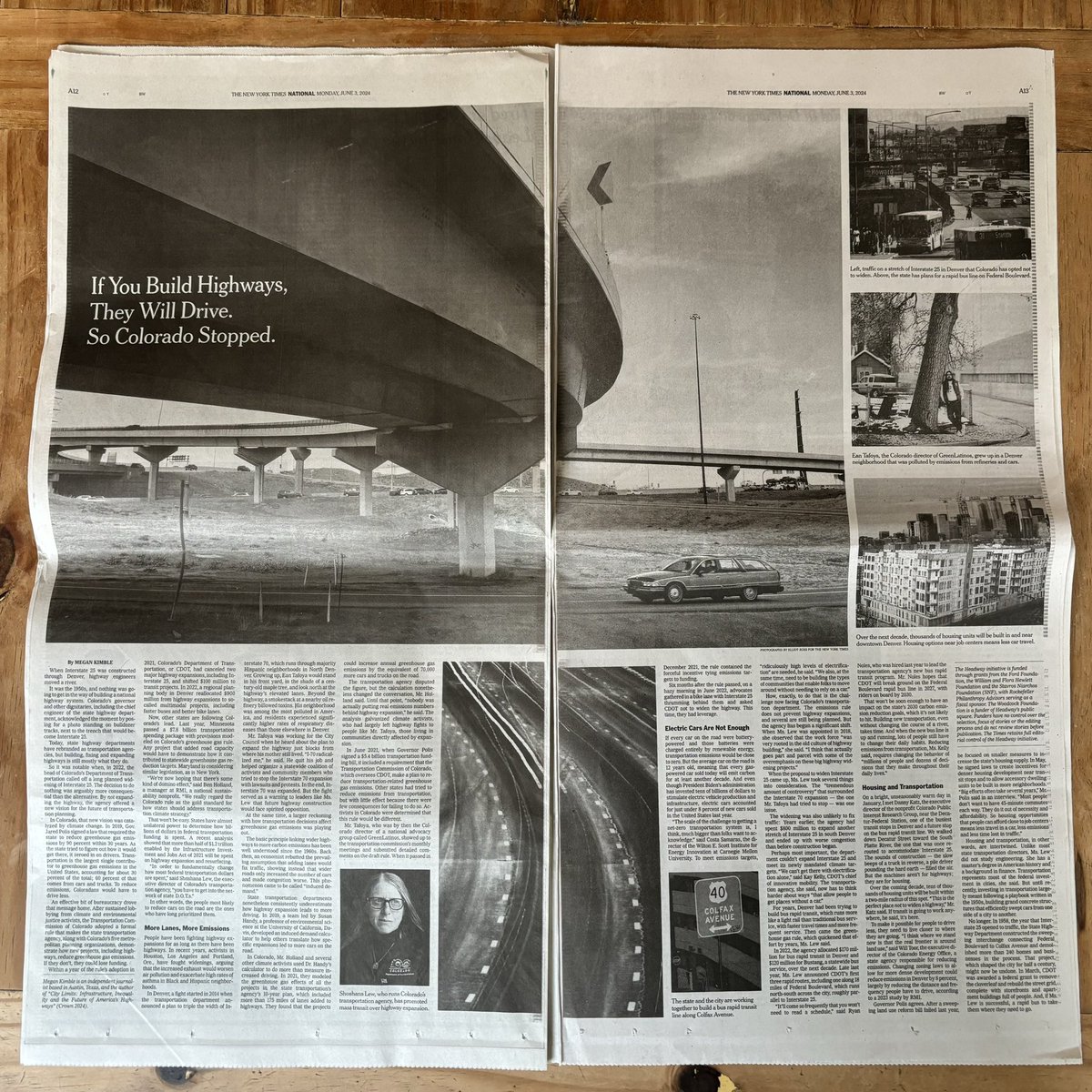
A1!!! My story about the Colorado Department of Transportation ran on the front page of today’s @nytimes. Immense gratitude to @vtitunik for the assignment and astute editing & Elliot Ross whose vivid photographs brought this wonky story to life https://t.co/DbV6X3QKju
Great article by @megankimble on Colorado's decision to shift funding away from harmful highway expansions and toward healthy, sustainable, and affordable transportation options like walking, biking, and transit.
In addition to the climate benefits, this will save Coloradans billions of dollars (see below from CDOT's cost-benefit analysis):
https://t.co/IOt3C83jDV
🚨Colorado is ditching needless highway expansions and shifting $1 BILLION in investments ➡️ clean public transit! This opens the door for other states to follow CO's lead by backing policies that improve air quality, save money, and save lives. @nytimes: https://t.co/SsIJRO2nyZ
To make it possible for people to drive less, they need to live closer to where they are going. “I think where we stand now is that the real frontier is around land use,” said Will Toor, the executive director of the Colorado Energy Office
https://t.co/T65fDxhbXy
For @nytimes, I wrote about a significant shift happening at the Colorado Department of Transportation: Instead of widening (some) highways, the agency is building rapid transit 🧵
https://t.co/1ZHmwDY4Iw
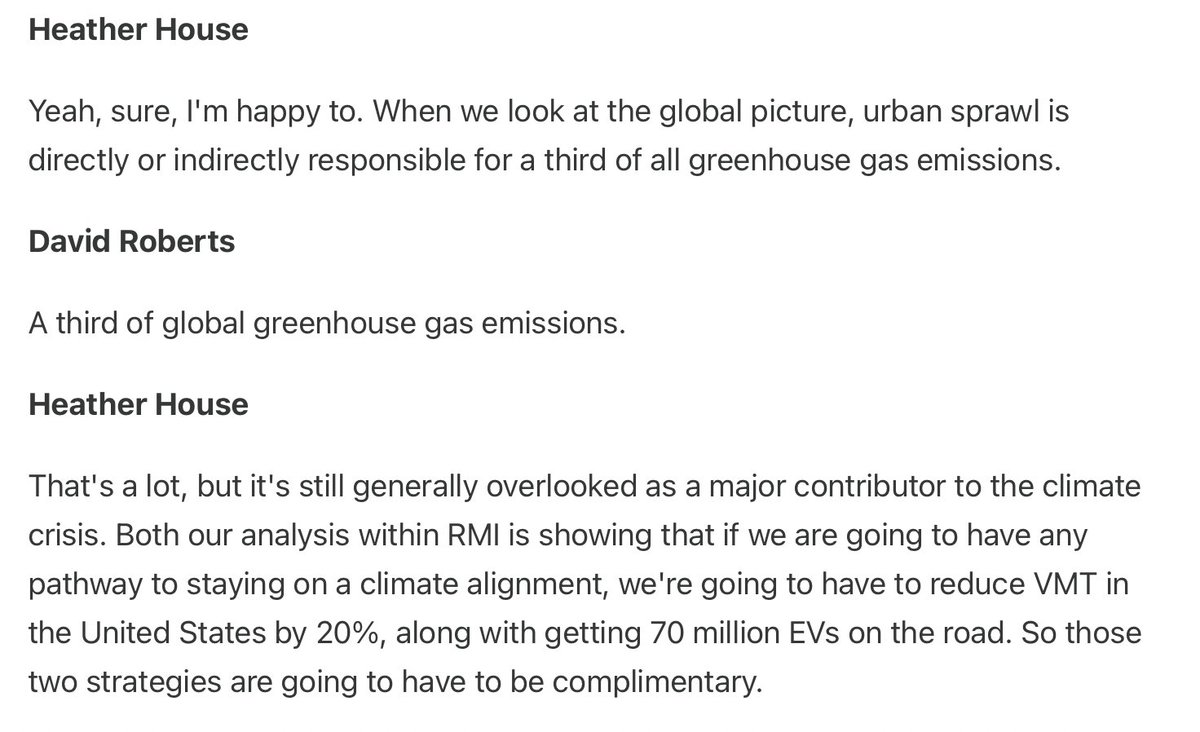
Read / listen to this @drvolts convo with @RockyMtnInst's Heather House and Rushad Nanavatty https://t.co/XqUTricAul
This is why housing policy is transportation policy is climate policy
Megan Kimble's new book, City Limits shares the experience of Texans impacted by freeway projects & those fighting for changes. I'm proud @megankimble included some of our work.
You can help us give a copy of the book to Texas transportation leaders: https://t.co/VT9LhqsdsL
Construction of I-35 through Austin, TX destroyed Black neighborhoods and divided the city. Watch the full video here: https://t.co/sLUFE28oVH
This video is inspired by the amazing work of @SegByDesign and @SmartGrowthUSA
Video by Reconnect Austin
What benefits would your state see if it prioritized other modes of transportation over driving? 💭
RMI’s Smarter MODES Calculator quantifies the money, lives, & pollution saved from reducing the amount we drive: https://t.co/lt4IHTDzq8 (1/2)
@alicentrhaenyra @komradekhris Agreed. basically sidelined the native Americans as afterthoughts in the film. Even Lily Gladstone’s character is given minimal screen time and lines compared to Leo & Deniro. It has a really odd neutral Goodfellas-like POV with all the murders. not a good movie.
@maryschmidt It’s straight up a bad movie. I don’t know why more people haven’t criticized how little the film presents the native Americans’ perspective. It feels inappropriately like any other bad-guys Scorsese film. And the acting, across the board, is super wooden.