@oostfronter Maurice de wilde heeft daar geweldige docu's over gemaakt. De repressie. Geschiedenis wordt geschreven door de overwinnaars. Deze toestanden zijn onderbelicht en vaak niet (ge)(ver)geten
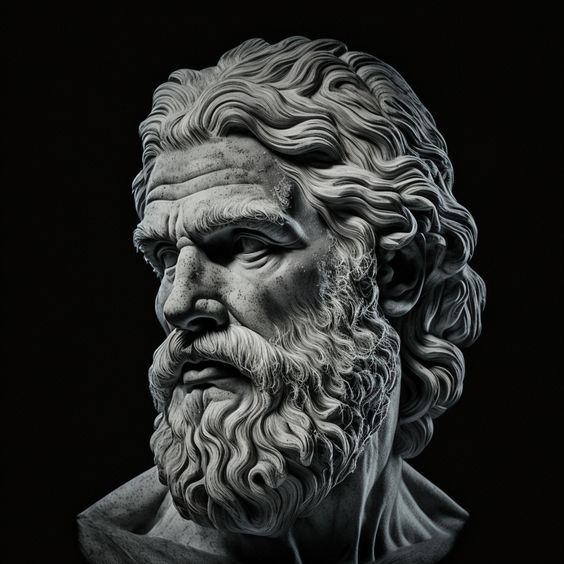
Epicteto curó la ansiedad 2.000 años antes de que existiera la terapia.
Nació esclavo. Cojo. Sin nada. Y se convirtió en el maestro que estudiaría un emperador de Roma.
Sus enseñanzas son el manual más crudo para una mente en calma.
7 frases de él que todavía funcionan 🧵
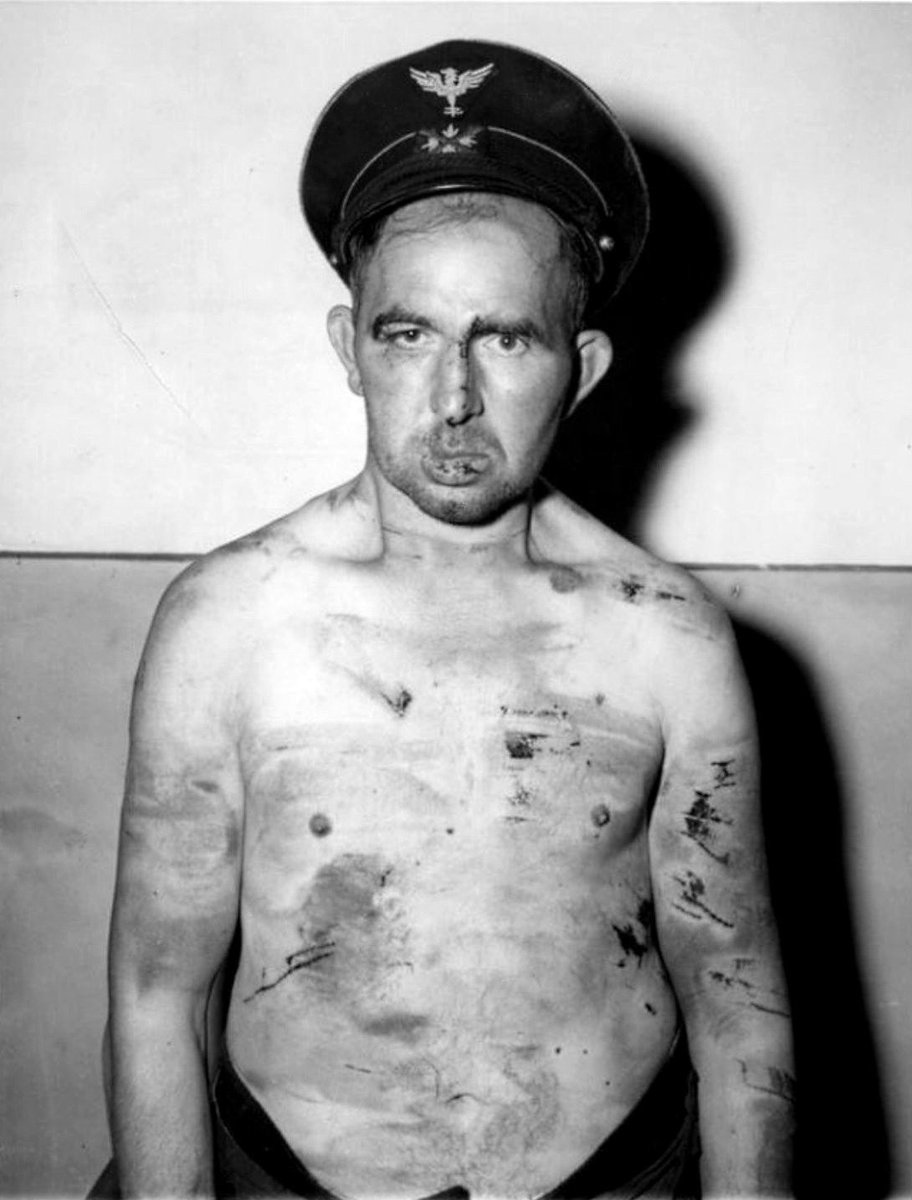
1944. The mayor of the Belgian town of Olloy-sur-Viroin was captured by the resistance group " Front de l'Indépendance" and they beat his ass.
During his tenure under German occupation, the mayor collaborated with the Gestapo and was responsible for the arrest of young Belgian men who were sent to labor and concentration camps.
I have gathered a list of 201 Nazi war criminals who found refuge in Argentina after World War II. The master list I have compiled contains thousands of names, but I have selected these as the worst of the worst. I will be posting them here.
Part 1:
1. Adolf Eichmann (Germany). Organized Holocaust deportations. Fled to Buenos Aires in 1950 as Ricardo Klement, worked at Mercedes-Benz. Abducted by Mossad in 1960, tried in Israel, hanged in 1962.
2. Josef Mengele (Germany). Auschwitz camp doctor known as the Angel of Death. Lived openly in Argentina for years, fled to Paraguay then Brazil in 1959. Drowned in Brazil in 1979, never caught.
3. Erich Priebke (Germany). SS captain involved in the Ardeatine Caves massacre in Rome. Lived in Bariloche for decades under his own name. Exposed in 1994, extradited to Italy, died in prison in 2013.
4. Josef Schwammberger (Austria). Commandant of forced labor camps in occupied Poland. Settled in Buenos Aires in 1949. Extradited in 1990, convicted, died in a German prison in 2004.
5. Eduard Roschmann (Austria). Known as the Butcher of Riga for his command of the Latvian ghetto. Entered Argentina in 1948. Fled to Paraguay when extradition loomed in 1977 and died there weeks later.
6. Walter Kutschmann (Germany). Gestapo officer accused of murdering Polish professors and thousands of Jews. Arrived in 1948 as Pedro Olmo. Arrested in 1985, died before extradition in 1986.
7. Ludolf von Alvensleben (Germany). SS general behind mass killings in Poland and Crimea. Reached Argentina in 1946, gained citizenship. Never extradited, died in Córdoba province in 1970.
8. Gerhard Bohne (Germany). Administrator of the Aktion T4 euthanasia program. Arrived in 1948. First Nazi ever extradited from Argentina, in 1966, but declared unfit for trial. Died in 1981.
9. Kurt Christmann (Germany). Commanded a killing squad using gas vans in Russia. Hid in Buenos Aires through the 1950s. Returned to Munich, convicted in 1980, died in 1987.
10. Hans Fischböck (Austria). Ran the plunder of Dutch Jewish property as a wartime commissioner. Fled to Argentina in 1951. Quietly returned to West Germany, never tried, died in 1967.
11. Siegfried Uiberreither (Austria). Gauleiter of Styria, one of the most senior Nazis to escape justice. Fled to Argentina in 1947 under a false name. Later returned to Germany under an alias, died in 1984, never tried.
12. Horst Wagner (Germany). Foreign Office official who coordinated the deportation of hundreds of thousands of Jews. Escaped to Argentina. Returned to Germany, proceedings stalled, died in 1977 unconvicted.
13. Albert Ganzenmüller (Germany). Deputy head of the German railways who scheduled the deportation trains. Fled to Argentina. Returned in 1955, trial suspended, died in 1996.
14. Hans Hefelmann (Germany). Ran the child euthanasia program from the Reich Chancellery. Reached Argentina in 1948. Returned to Germany, trial halted in 1964 on health grounds, died in 1986.
15. Karl Klingenfuss (Germany). Foreign Office official on Jewish affairs. Settled in Buenos Aires, refused to return, led the German-Argentine Chamber of Commerce. Died around 1990, never charged.
16. Hartmann Lauterbacher (Austria and Germany). Hitler Youth deputy leader and Gauleiter. Fled to Argentina in 1950, later moved to Egypt and Oman. Returned to Germany, died in 1988, never tried.
17. Erich Müller (Germany). Senior Propaganda Ministry official under Goebbels. Entered Argentina in 1950 under a false name. Lived openly as an accountant in Buenos Aires, never charged.
18. Guido Zimmer (Germany). SS captain who served under Walter Rauff in wartime Italy. Sailed to Buenos Aires in 1949, declared himself a farmer. Never prosecuted.
19. Friedrich Rauch (Germany). SS officer linked to hidden Reichsbank gold. Arrived in Argentina in 1948, worked as an industrialist in Villa Ballester. Believed to have died in Austria in the 1970s.
Es poco conocido que en 1935, militares británicos de la Legión Real fueron recibidos por Adolf Hitler, Göring y Rudolf Hess, toda la plana nazi, en una visita guiada por el campo de exterminio de Dachau, Alemania.
Estos militares británicos incluso conocieron a Karl Gebhardt, el criminal cirujano que hizo experimentos con humanos en Auschwitz.
Pero estas visitas oficiales no terminaron ahí, en Septiembre de 1938, coincidiendo con la visita del Primer Ministro británico Chamberlain a la residencia personal de Hitler, 800 nazis visitaron Londres y viajaron en barco junto a militares británicos, ondeando las esvásticas y haciendo el saludo nazi por el rio Támesis.
Imágenes que nunca salen en sus indocumentales, Reino Unido colaboró con Hitler, pactando con él y entregándole los Sudetes, además su oligarquía (como la familia real) lo apoyó y lo financió.... si entraron en guerra con Hitler es porque no tuvieron más remedio, porque los nazis amenazaban su dominio colonial e imperialista, su parte del pastel.
Van alle historische affaires vind ik het schandaal rond de vervalsing van de Hitler-dagboeken (1983) het meest interessant. Hier komt alles samen: bedrog, geldzucht, goedgelovigheid.Ik schreef er al eens over (https://t.co/6G3MJ04tB3) en las nu dit boek via vriend Willem Bouwman
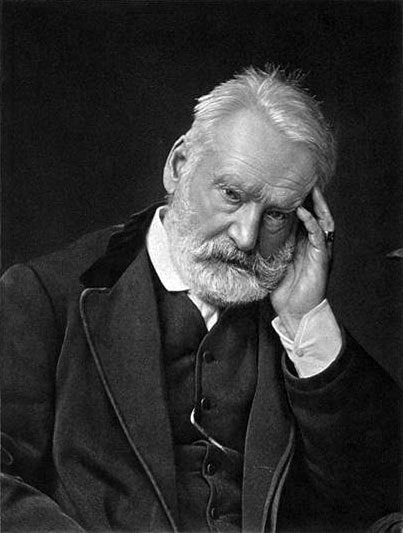
Dijo una vez Víctor Hugo: “No, no me estoy volviendo viejo, me estoy volviendo sabio. He dejado de ser lo que a otros agrada para convertirme en lo que a mí me agrada ser. Dejé las noches de fiesta por insomnios de aprendizaje, dejé de vivir historias y comencé a escribirlas. Cambié las copas de vino por tazas de café, me olvidé de idealizar la vida y comencé a vivirla. Llevo en el alma lozanía y en el corazón la inocencia de quien a diario se descubre.”
In the days following the German surrender, a mixed column of Croatian Ustasa and Home Guard troops, Slovenian and Serbian collaborators reached Bleiburg in southern Austria around 14–15 May 1945, hoping to surrender to the British.
The British refused and handed them to Yugoslav Partisans. The surrender at Bleiburg itself was negotiated by Milan Basta, political commissar of the 51st Vojvodina Division, while the columns surrendered into the Yugoslav 3rd Army under Kosta Nadj; OZNA, the secret police led by Aleksandar Rankovic, organized much of the subsequent prisoner handling.
What followed was a wave of summary executions and lethal forced marches, the "Way of the Cross," back into Yugoslavia, with mass killings at sites such as Kocevski Rog in Slovenia.
Scholarly estimates put the death toll roughly in the range of 50,000–80,000 dead Ustasa, Home Guards, and other scums. After years spent serving fascism, many of them finally discovered that the road home ran straight through the grave.😉
Dijo una vez Paul Auster: “Se vive solo. Los demás están cerca, pero la vida se vive en soledad. A veces logramos asomarnos al misterio del otro, rozar su verdad, pero eso ocurre rara vez. Es el amor, casi siempre, lo único que permite esos breves encuentros, esas grietas luminosas en la pared de nuestra soledad. Y aun así, volvemos a estar solos. Siempre.”
This day in 1945, shooting on Dam square, Amsterdam.
Despite Germany’s surrender days earlier, German soldiers opened fire on Dutch civilians celebrating on Amsterdam’s Dam Square as they waited for Canadian troops to arrive.
32 people were killed and more than 100 wounded. The exact reason for the shooting remains uncertain. #WW2
Cognitive tricks Navy SEALs use under extreme pressure:
1. When their mind says they are done, they know they have only used 40% of their real capacity. Quitting is always a mental event before it becomes a physical one.
2. They never think about the whole mission. Only the next step. Then the next. Breaking the impossible into small pieces keeps the brain functioning when others shut down.
3. In chaos, they find the one thing that matters most right now and lock all focus there. Everything else disappears.
4. They control panic through breathing alone. Slow the breath and you manually slow the brain's fear response within seconds.
5. They embrace discomfort instead of fighting it. Resistance to pain costs more energy than the pain itself.
6. They make decisions fast with incomplete information. Waiting for certainty in a crisis is the most dangerous choice of all.
7. They detach emotionally from outcomes during execution. Emotion clouds judgment. Clarity wins missions.
8. They use positive self-talk as a weapon. The internal voice either kills you or carries you. They choose carefully.
9. They train in conditions harder than real missions deliberately. When reality feels familiar your brain stays calm.
10. After every mission they review what went wrong without ego. Continuous cold honest feedback is their greatest weapon.
German Major Josef Gangl taken by an American photographer on May 4, 1945.
The following day, he was killed while shielding former French Prime Minister Paul Reynaud, fighting alongside American soldiers and French prisoners against SS forces.
On May 5, 1945, less than a week after Adolf Hitler’s suicide and just three days before Germany’s unconditional surrender, one of the strangest battles of World War II took place at Castle Itter.
The castle had been converted into a high-security SS prison for prominent French prisoners, including former prime ministers Édouard Daladier and Paul Reynaud, senior military leaders, Charles de Gaulle’s sister, and tennis champion Jean Borotra.
As Germany collapsed, the guards fled, but the surrounding Austrian countryside was filled with groups of roaming SS and soldiers looting and killing civilians. Fearing for their lives, the prisoners sent out messengers for help.
One reached the nearby town of Wörgl and connected with the Austrian resistance, who introduced him to Major Josef Gangl. A decorated soldier, ordered to fight to the last man, Gangl turned against the Nazi cause, and he and his men took up arms to protect civilians. When he heard about the prisoners, he agreed to help.
On May 4, Gangl and his men linked up with U.S. forces from the 23rd Tank Battalion. Lieutenant John C. Lee Jr. didn’t need much convincing. With a small force, just a handful of soldiers and a single tank, they headed to the castle, arriving that evening.
Hours later, a far larger SS force attacked.
What followed was an almost implausible stand: American soldiers, Wehrmacht troops, Austrian resistance fighters, and the French prisoners fighting side by side. Despite Lee's order to stay out of it, the prisoners grabbed weapons and joined the defense.
During the battle, Gangl was killed while pulling Reynaud to safety, the only defender to die. The group held out through the night, but by morning, they were low on ammunition. In a desperate move, Borotra volunteered to vault the castle walls and seek reinforcements.
He made it. Just as the SS prepared to bring anti-tank guns to bear on the castle, American reinforcements arrived, routing the attackers and capturing around 100 SS troops.
One of the two instances in the war where U.S. and German soldiers fought side by side, and one of the last battles in the European theater.
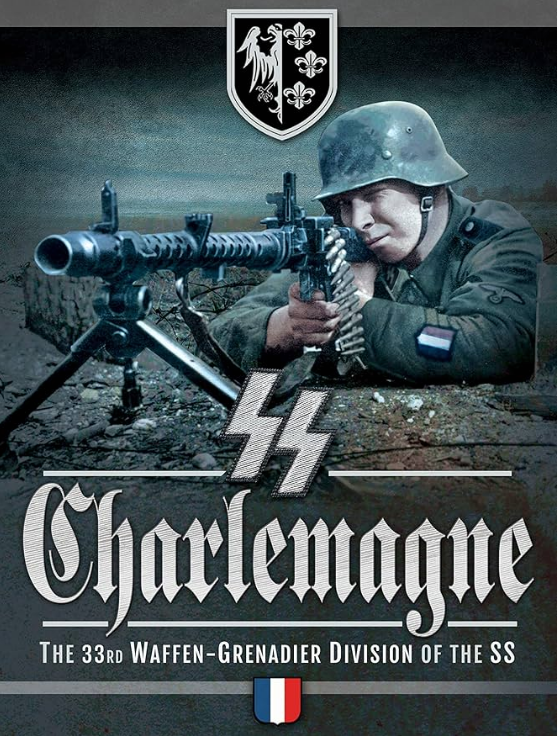
🧵In April 1945, the last soldiers defending Hitler's bunker weren't German.
They were French.
This is the bizarre, tragic story of the SS Charlemagne and one of WWII's most controversial last stands 👇
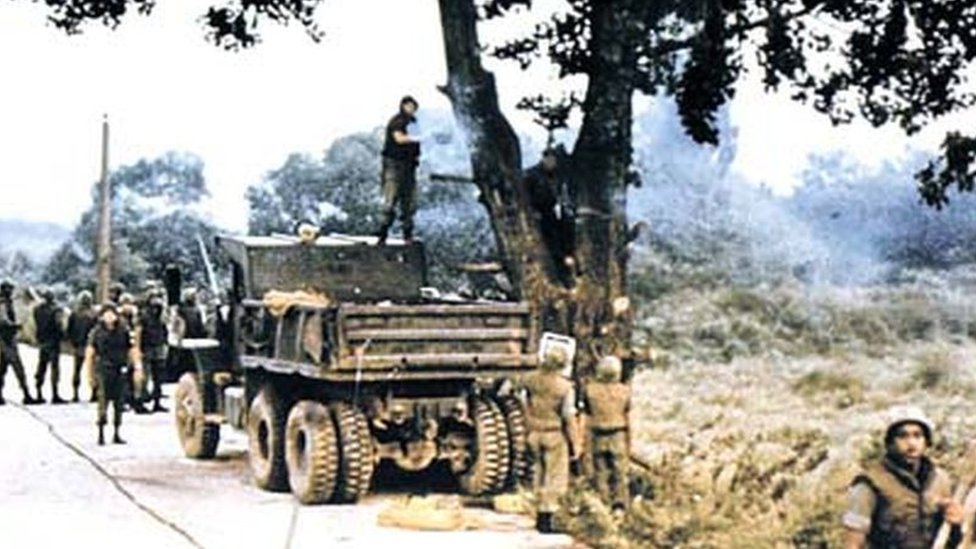
The Most Expensive Tree Trimming in History
On August 21, 1976, the United States military launched the single most expensive gardening operation in human history to cut down one poplar tree.
Three days earlier, two American officers had been brutally hacked to death with their own axes by North Korean soldiers in the Demilitarized Zone while attempting to trim a tree blocking their view. The response was not a diplomatic protest, but a terrifying display of overwhelming force known as Operation Paul Bunyan.
At 7:00 AM, a convoy of 23 vehicles, including two 30-man security platoons and a team of engineers with chainsaws, rolled into the DMZ. Overhead, 27 helicopters circled, escorted by F-4 Phantoms and B-52 bombers capable of carrying nuclear payloads.
Off the coast, the aircraft carrier USS Midway moved into strike position, while 12,000 ground troops stood ready for World War III. As North Korean forces watched in stunned silence, the engineers methodically cut the tree down in forty-two minutes, proving that the price of one branch could be the threat of total annihilation.
Deze nacht, de nacht van Gethsemane. De nacht van Jezus' dodelijke angst voor wat komen ging. De nacht waarop Petrus, Johannes en Jacobus hem niet in de steek lieten. Maar toch in slaap vielen. Zoals het leven is.
@WimBerkelaar Degrelle zijn interviews met Maurice De Wilde zijn legendarisch. Je kan het niet eens zijn met de man zijn overtuiging maar wat een charisma en overtuiging
Hij gold - voordat Marc Dutroux zijn misdaden pleegde - jarenlang als de beruchtste Belg die ooit geleefd heeft: de Waalse fascist en SS-er Léon Degrelle (1906-1994), de man die zijn berechting ontliep door naar Spanje te vluchten. Ik schreef dit over hem: https://t.co/xCe85tk9YO