@UEenMexico@FAndreUE@Excelsior Con quién puedo conversar sobre las iniciativas y apoyo Europeo contribuyendo a la transición verde en México, por ejemplo con respeto al desarrollo y crecimiento urbano y regional?
@Jodie_Boisvert I can relate. I wouldn't say that I loved to read and indeed I generally dislike reading professionally, but it's inevitable. During my PhD recreational reading took a significant hit, as did my involvement in music and film. None ever fully recovered (I'm still in academia).
@MichaelESmith Fair point. I don't like discussing on Twitter (soon to be X-ed). I'd say it's not particularly useful to understand the functioning or sustainability of settlement and landscapes, but not so much not so not to have use for types as indicative guides at times.
@AnnaMeierPS English is my second language. I am an especially slow reader. I question and probe words and meaning at every turn. Currently working largely in my third, I notice the veracity of these statistics. In fact, they'd be very conservative in my current context.
@MicrobiomDigest Good reply. How we publish needs urgent revision, incl. conferences & all work going into publishing incl. academic roles in this work & the content creation. Many think this, but I've been missing a true movement & broad support with proactive action against predatory practices
#LatestPaper#mdpiland
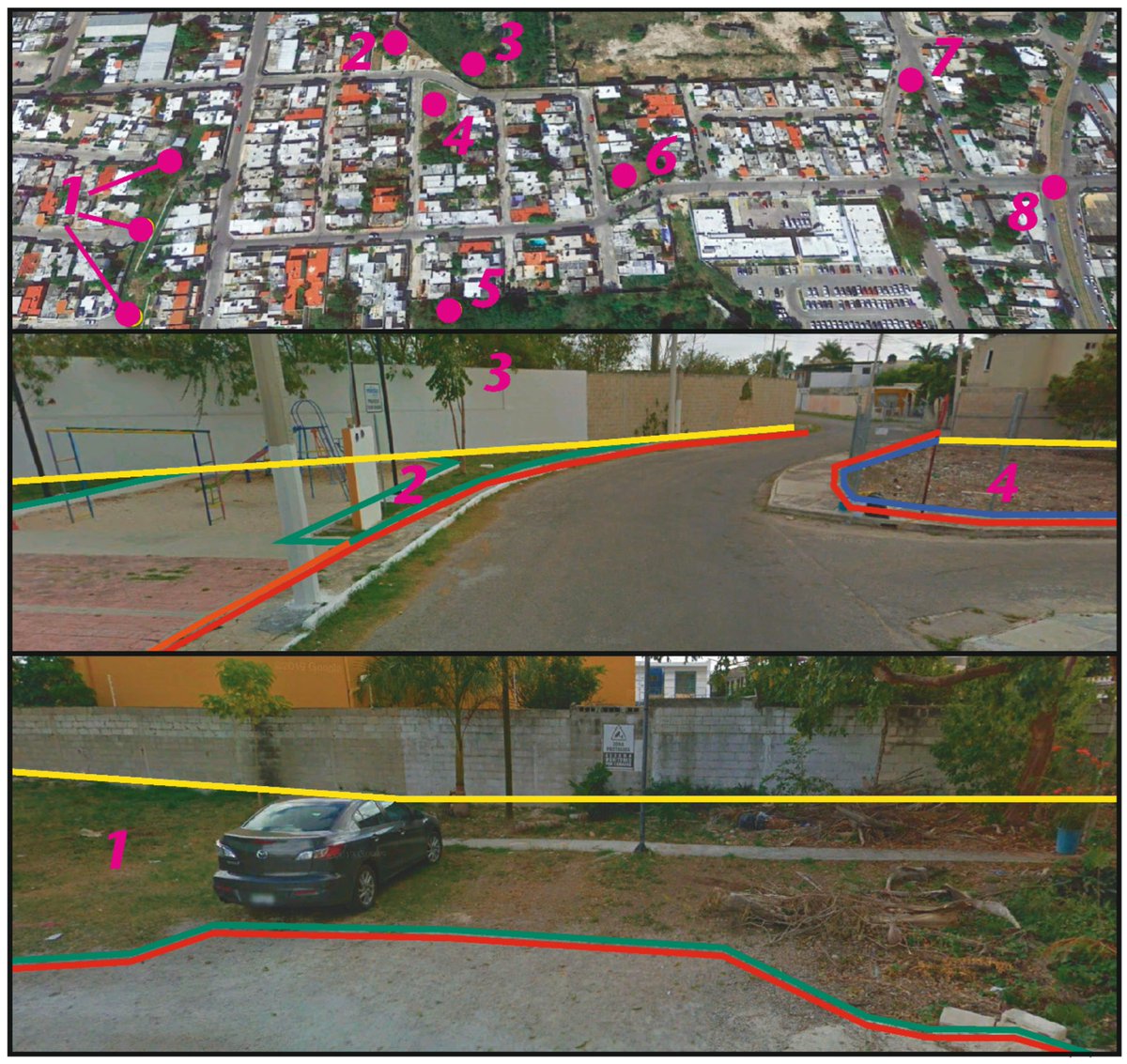
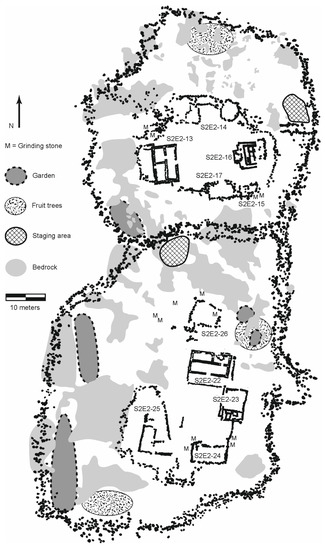
Engagement with Urban Soils Part II: Starting Points for Sustainable Urban Planning Guidelines Derived from Maya Soil Connectivity
by Benjamin N. Vis, Daniel L. Evans and Elizabeth Graham
🔗https://t.co/tFL1dCnkTR
#UrbanSoils#UrbanPlanning
@LNivisonSmith@OpenAcademics@CouragePhD@PhD_Genie@AcademicChatter I hope your unusually considerate, available, and hands-on approach is appreciated. When on my first job in the academy I soon discovered that a key reason why good supervisory intentions are not maintained is the lack of time allocation and recognition of their workload models.
@j_wilson_white Also would like to add that I do entirely agree that it is pointless to me to require students applying for PhD places or finding to already have publications. Increasingly this has become a marker for suitability, which I think is inverting the order of things.
@j_wilson_white Important perhaps to distinguish whether the dissertation is entirely publications-based which is sometimes the case or more in book form. Regardless, learning to publish is essential during a PhD and having nobe of it published at all before defense weakens one's position.
@RABoficial @spreaker My first Spanish language interview (on Catalan radio). It was daunting, I'm sure I wasn't as eloquent or comprehensive, but a pleasure nonetheless.
@rodriguesjm6@OpenAcademics The problem with frequent endemic rejections is they devalue failure as much as they devalue success. I landed a prestigious fellowship after over three years of increasing desperation on the job market & over 200 attempts. It tells me my 'success' is as erroneous as my failures.
@science_pit @OpenAcademics RCUK funding used not to cover stipends, so no living allowance. I was the recipient of a University Research Scholarship, which offered almost the same. Applying for that was very simple and decided on the basis of the materials submitted for the PhD place application.
@science_pit @OpenAcademics My experience is from some years back and a vastly different discipline. Indeed do not expect it to cover London costs. Elsewhere, when frugal, you may expect to break even. My impression is that PhD proposals now demand more strict proformas.