🚨 Struggling Readers Transformed in Just 5 Minutes a Day!
Tired of the reading achievement gap persisting year after year? Join us to discover the simple, fast solution 👇
📅 October 16 - 20
📍 Facebook (& YouTube) Live
https://t.co/jd62HRrum6 #Scienceofreading#phonics
No, audio books aren't "cheating." They are an amazing way to build...
💜 comprehension
💜 vocabulary,
💜 language skills,
💜 love of reading,
💜 attention,
💜 compassion for others,
💜 and more!
https://t.co/POxvnvAhOK
❝There are more phonics programs in the world than there are ice cream flavors....it’s hard to cull through if you are a novice in this field.❞
Neat to comment for Ed Week on a parent's program!! 😊
https://t.co/olzgWQjuY7 #scienceofreading#scienceofreadinginstruction
Definitely recommend this webinar from @ReadSimplified and Dr. Susan Brady that really helped to clarify/summarize the updated research on phoneme awareness and explain the most efficient ways to teach it. https://t.co/eJ89zMqAxh
@larissaphillip The main difference is in the scope and sequence and it makes so much more sense. Plus, the S2P programs align AND adapt better to current reading research (PA with letters, Share’s Self-Teaching, Set for variability, etc.)
👀 Groundbreaking collection of stories & articles from 16 practitioners of speech to print, aka Structured Linguistic Literacy, approaches!⚡️My contribution: Another Way-How Can One Teach Decoding without Rules & Syllable Types?
It's that time of year again...
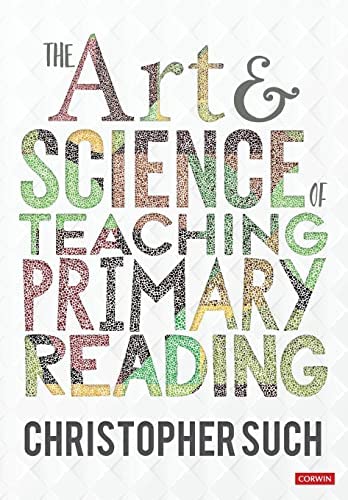
I have *two* copies of The Art and Science of Teaching Primary Reading to give away.
Simply *retweet this tweet* for your chance to win a copy. Good luck!
There is a giant chasm between what contemporary research tells us about phonemic awareness and how we teach children to read.
But there IS a way to bridge the gap. 🌉
To learn more, visit https://t.co/8mXJW7ADVZ
#Readsimplified#Scienceofreading
@larissaphillip The main purpose of teaching heart words that way, is to help students read harder high frequency words. Yes, they practice spelling them. But the goal is reading. It seems like your main goal with Wednesday is spelling the word.
@NateJoseph19 Research, combined with seeing effects with my own eyes. BUT, typically whole programs aren’t bad. So I would adapt/supplement the program with better practices until I found something better.
If any parents you know want a really accessible and brief introduction to phonics, I'd highly recommend @PhonicsforSEN's book:
https://t.co/efOjTELoK2
@drakos_l@NateJoseph19 I’ve noticed this as well. For Kindergarten especially, the scores don’t seem to be an accurate measure of reading performance, or a good predictor of future reading achievement. It seems to be a better measure of those things once a student is past 3rd grade.
We are honored to be hosting esteemed reading researcher Dr. Susan Brady in an upcoming complimentary talk🔷Phoneme Awareness: How Knowledge About this Component of the Science of Reading Has Evolved🔷 https://t.co/kZOgQQp9lH
@chrisp16@haemesmer ''These findings indicate that integrated spelling may improve systematic phonics for children at risk of early reading difficulties'' https://t.co/YkhNyA5lAN Linguistic phonics teaches decoding in tandem with spelling from the start for all children.
@NateJoseph19 Yes about phonics. I remember learning about digraphs, diphthongs. Not specifically how to teach it though. No about phonemic awareness. Both bachelors and masters programs were careful not to appear to subscribe to any specific “program” so everything was general.