🚨 We're recruiting a Research Analyst interested in using #neuroimaging & #biomarkers to study the earliest changes in #AlzheimersDisease!
For more information please visit: https://t.co/ezgEpfrgts
🚨 We're recruiting a postdoc interested in using #neuroimaging & #biomarkers to study the earliest changes in #AlzheimersDisease! For more information please visit: https://t.co/nJHAhqZZlY
Nirschl & Kolb labs are recruiting a Scientist I/II to develop novel PET tracers for protein aggregates in Alzheimer’s, Parkinson’s, FTD & ALS!
Seeking experts in radioligand binding, protein biochemistry, SPR, and/or tissue assays.
Apply by Aug. 25:
https://t.co/v32OO0mHQE
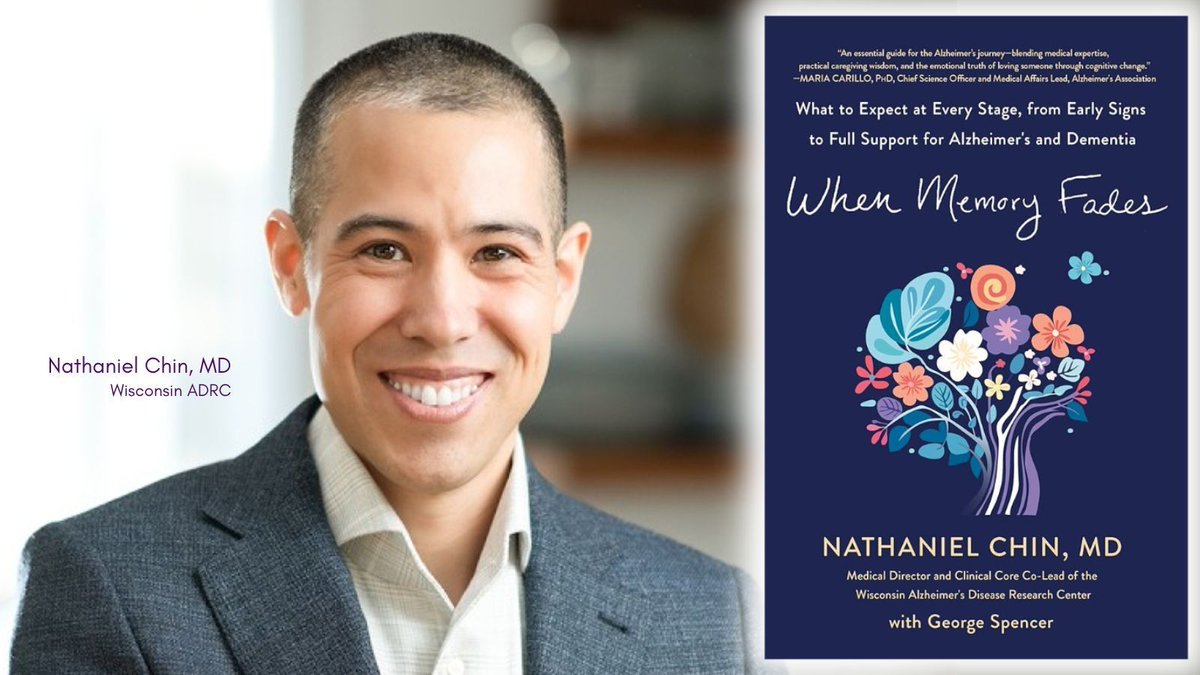
Congratulations to @NathanielChinMD, from the Wisconsin Alzheimer’s Disease Research Center on the publication of his book, “When Memory Fades.” Thank you for sharing your expertise on AD/ADRD!
🚨 Hiring Alert!
@jnirsch and the Wisconsin Brain Donor Program are hiring a Neuropathology Technician & SEA-AD Program Coordinator!
Apply by June 9th, 11:50pm CDT: Neuropathology Technician & SEA-AD Program Coordinator - Madison, Wisconsin, United States
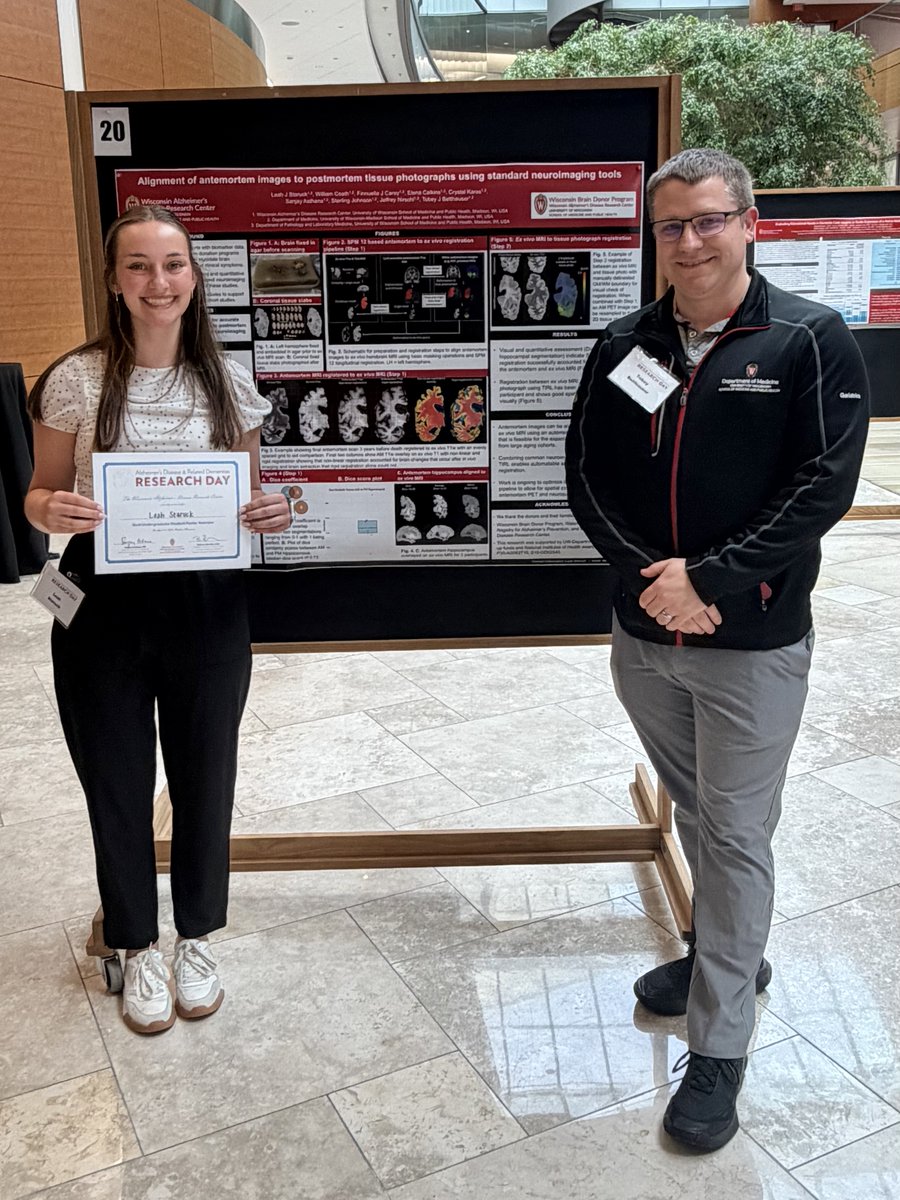
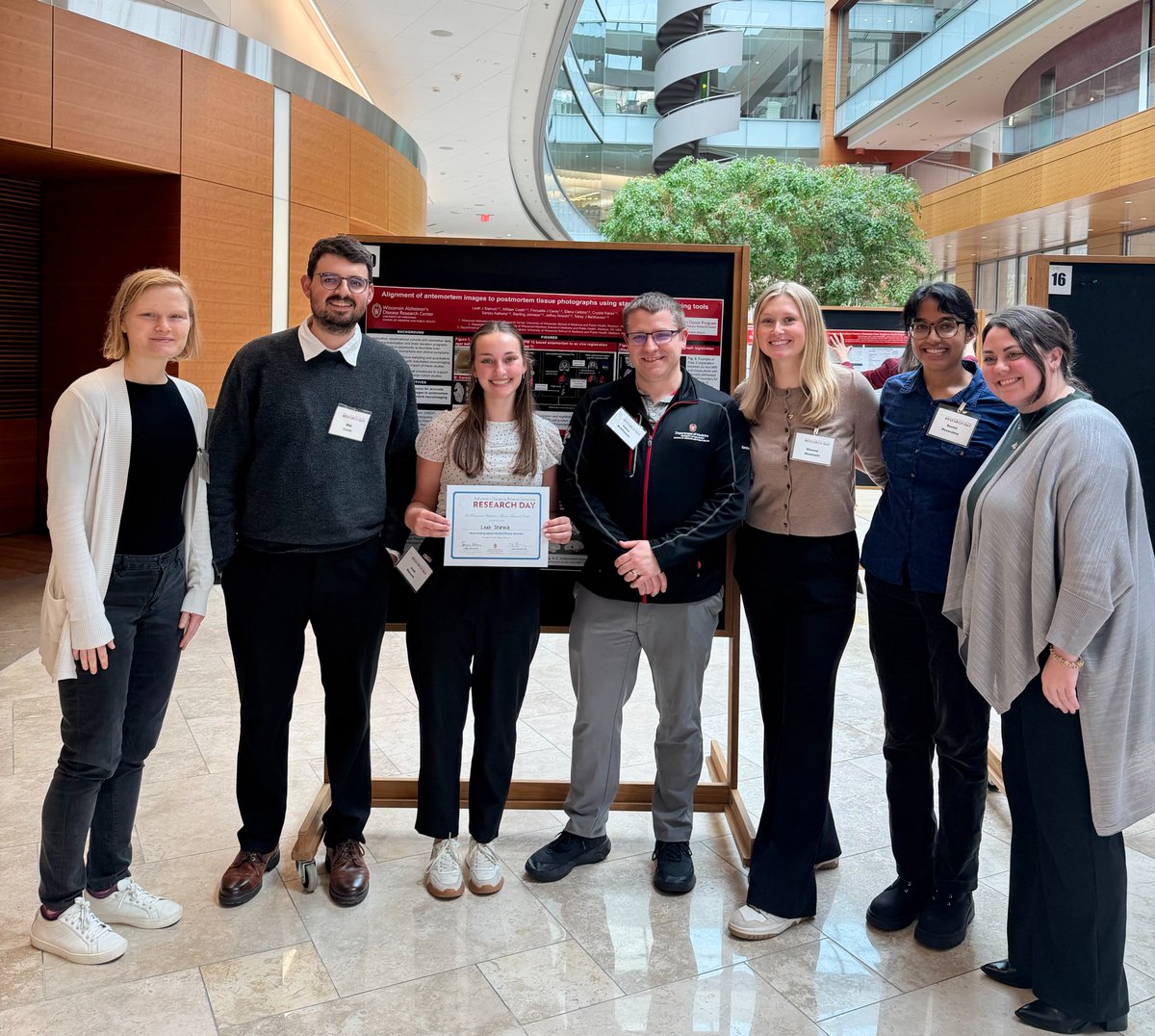
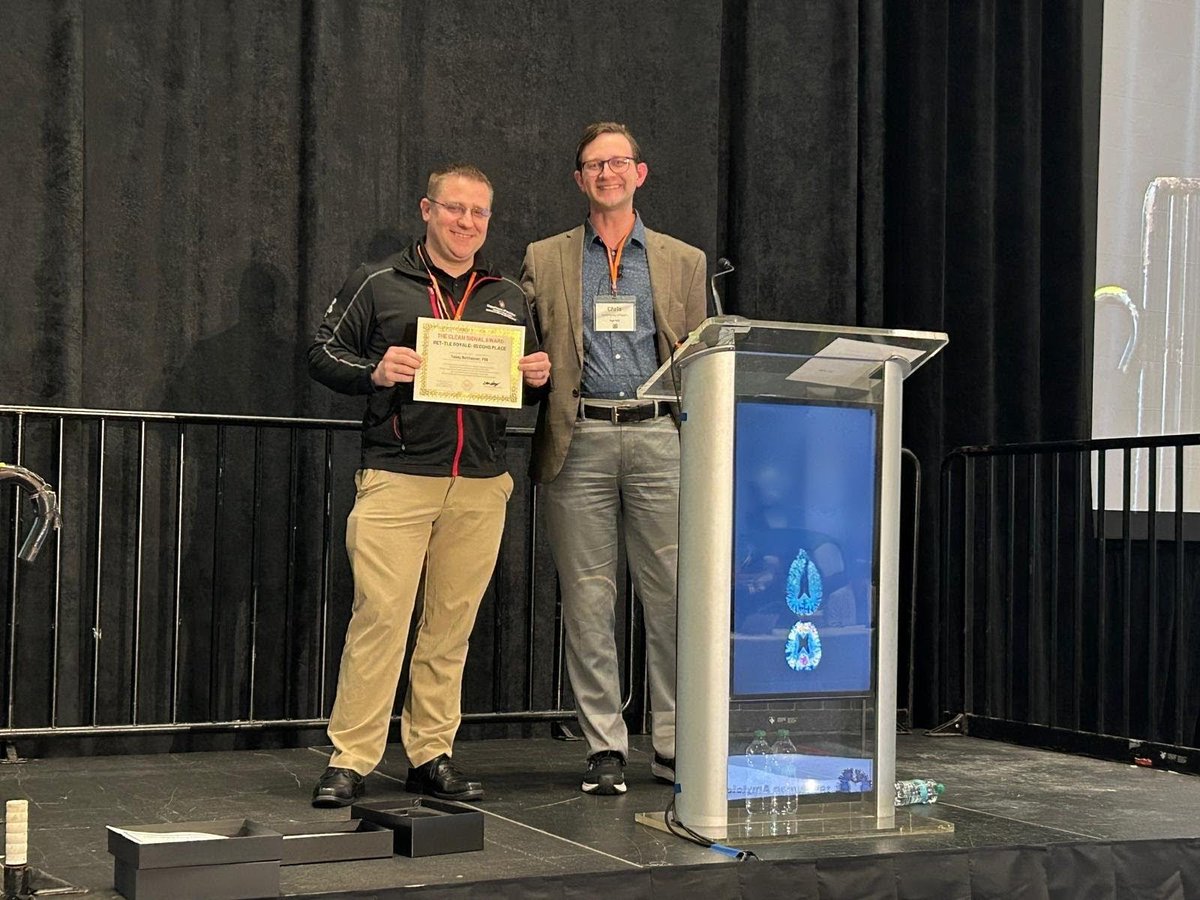
We had a great time attending yesterday's @WisconsinADRC ADRD Research Day as a Team! Congratulations to Leah Staruck for winning the Best Undergraduate Student Poster Award! 🥳
Positions across different @ISTAART Professional Interest Areas Executive Committees are open! Self-nominate if you would like to step into a leadership role within your field!
Find out more here: https://t.co/QqobpwBuNv
Self-nominate until March 10 here: https://t.co/IARZxYNn2g
Cody, et al., use temporal modelling to show that Alzpath and Lilly plasma p-tau217 can provide individualized estimates of p-tau217 positive age and time 👉 https://t.co/qks7N1MQDO
#Alzhimers@tobeybetthauser
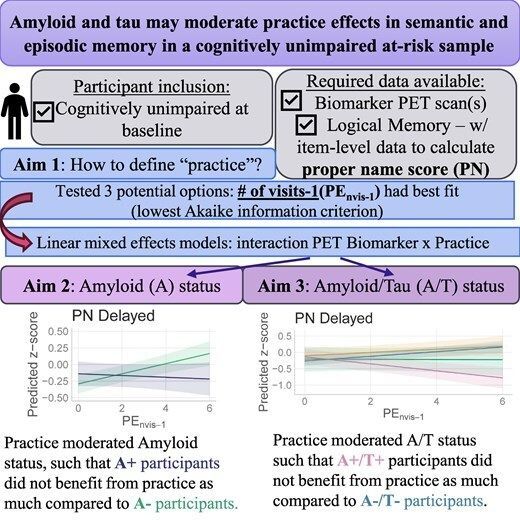
Basche et al. explore the utility of proper name recall and practice effects as indicators of preclinical Alzheimer’s disease. They show that practice effects may be sensitive to PET biomarker status 👉 https://t.co/adtEzM62zo #Alzhimers
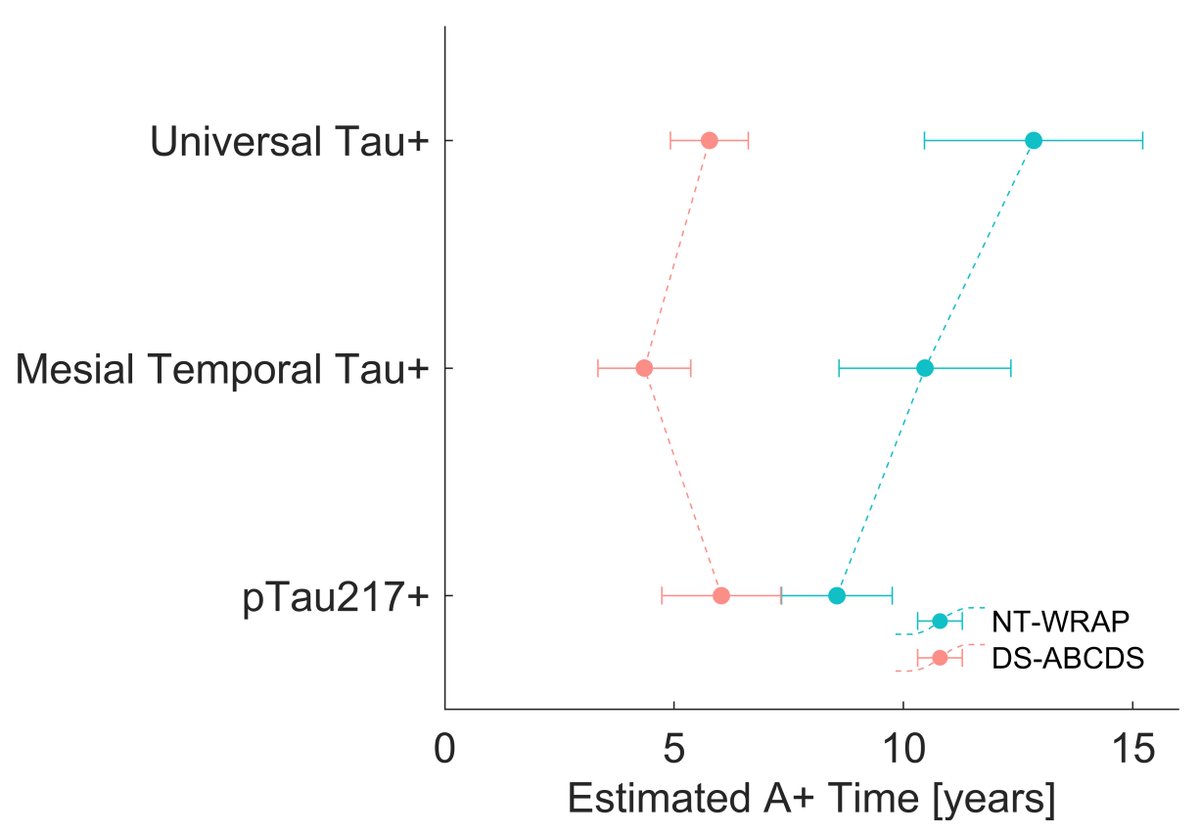
Zammit et al. show that Alzheimer's disease biomarker changes occur earlier and progress more rapidly in people with Down syndrome vs the general population, highlighting the need for earlier therapeutic interventions. https://t.co/P5R7XzwJan
Advances in neuroimaging for AD and related dementias highlighted in new @NeuroimagingPIA article
Read about:
➡️Updates to diagnostic/staging criteria
➡️Harmonization guidelines
➡️Evaluating biomarkers for treatment benefits
➡️New tracer developments
https://t.co/wkGZvWzmje
Please join us for tomorrow's virtual Grand Rounds with our own @tobeybetthauser, #Geriatrics and Gerontology, presenting “Neuroimaging and Fluid Biomarkers of Alzheimer's Disease.”
Details: https://t.co/7NUottGeuj
🔥Recent advances in #neuroimaging of #Alzheimers disease🧠✨
https://t.co/BrKZqeFjTY
➡️ Resource for researchers & clinicians
➡️ ATNIV biomarkers, staging, connectomics &more
➡️ Plus: how are sex & country represented in first/last authorship?
@NeuroimagingPIA@alzdemjournals
New first-author pub is out! @tobeybetthauser https://t.co/uHNBKnM5S7
With tau PET we found ⬆️ amyloid, APOE ε4, and ⬇️ education were linked to earlier tau pathology onset (T+). We also saw a median of ~7.5 years from T+ to dementia, and shorter times for people older at T+.
Congrats to @margoheston on publication of her manuscript in Alzheimer's & Dementia on understanding what contributes to when tau pathology becomes detectable by PET, and the time from T+ to dementia onset. https://t.co/8kJYRUkCBe
🔔‼️CCANDL is currently recruiting students for both hourly paid and for credit work! Read more about these positions on our website: https://t.co/HeSQBG6JWT
The de Leon Prizes in Neuroimaging recognize scientists from @ISTAART’s community of researchers and clinicians judged to have published “best papers” in the field of neuroimaging of neurodegenerative processes.
The 2025 de Leon Prize honorees at #AAIC25 are as follows 🧵