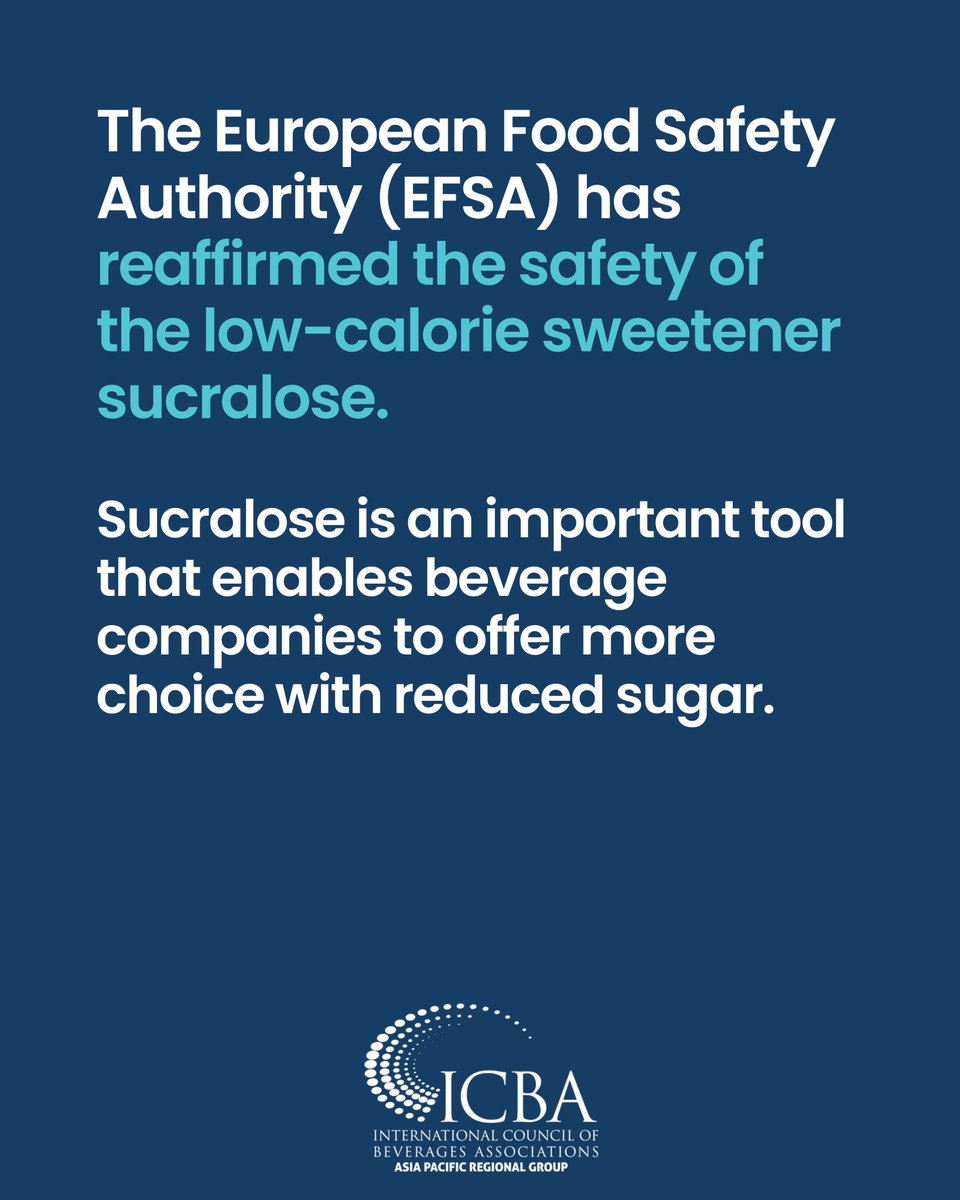
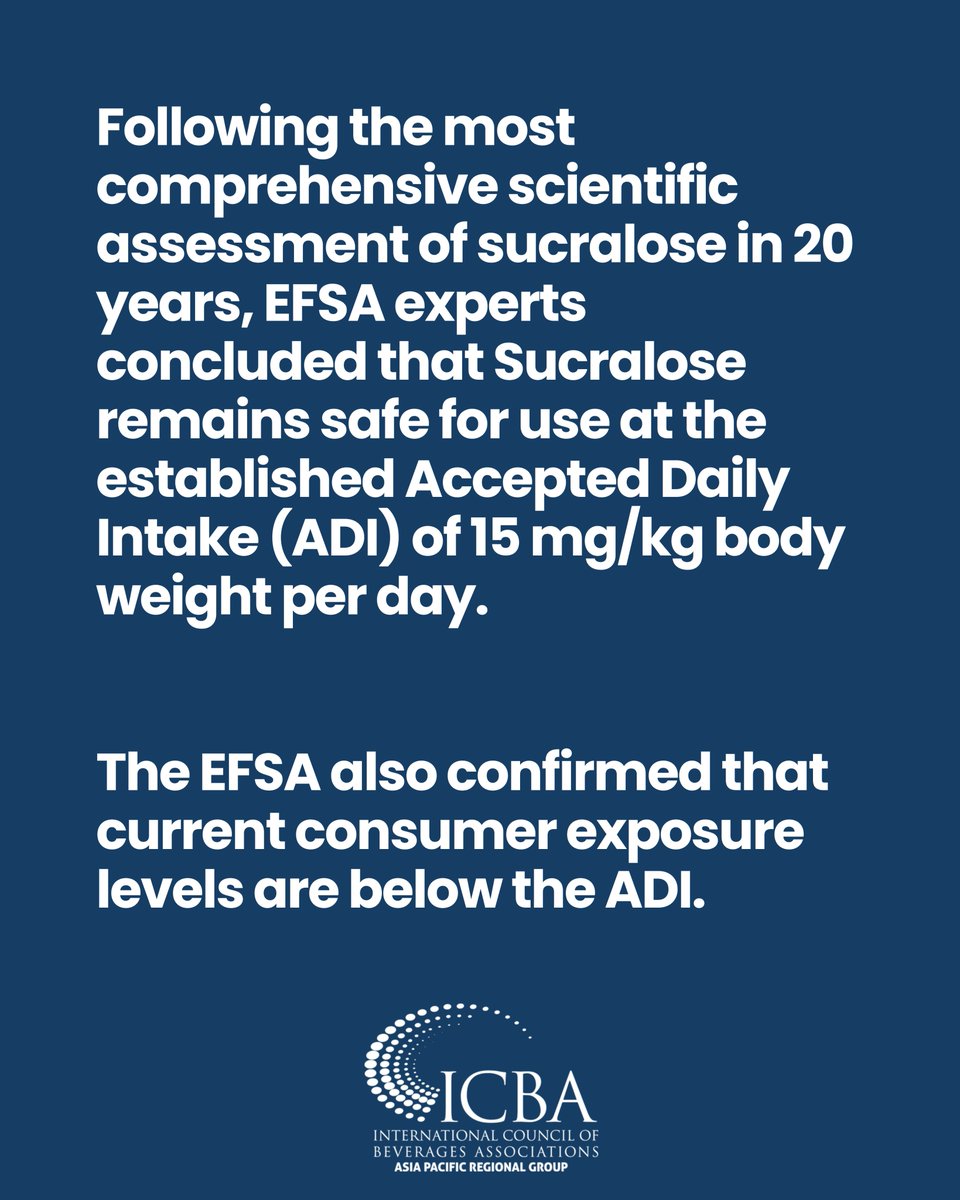
The @EFSA_EU has reaffirmed the safety of sucralose following its most comprehensive review in 20 years.
EFSA confirmed that sucralose remains safe at the established ADI of 15 mg/kg body weight per day, with current consumer exposure below this level.
#Sucralose#Science
Recent claims about misleading labelling and quality of popular bottled water brands are rejected by the ABCL and Australasian Bottled Water Institute.
All bottled water in Australia complies with strict safety, quality & labelling standards.
#BottledWater#AusWater
The ongoing sugar tax debate continues to generate strong media interest and opportunities to share our industry's perspective.
Yesterday, our CEO, Geoff Parker, spoke with Ali Moore on @ABCMelbourne Radio.
Listen to the segment from 2:43:40: https://t.co/u6Vdfgfnv5
The second video in the @ICBA_APAC Insight Series: What the Experts Say, featuring Glen Neal, explores how ingredients are rigorously assessed before being approved for use in our food and drinks.
A strong, science-based system gives Australians confidence with every sip.
What does it take for an ingredient to be approved in food & drink?
Glen Neal explains the rigorous global safety checks by FSANZ, FDA & EFSA – if the evidence isn’t strong, it’s out. If approved, strict limits protect consumers.
#ICBAAPAC#FoodScience
Calls to double the CDS refund to 20c ignore the real barriers: access and convenience. Higher costs for consumers won’t fix the system. Our full statement 👉https://t.co/KSjGVusriq
The first video in the @ICBA_APAC Insight Series: What the Experts Say features Glen Neal on the science and regulation behind ingredient safety in non-alcoholic drinks.
ABCL is proud to support this important regional work.
With 30+ years in food regulation, Glen Neal explains how ingredient safety in non-alc drinks is built on science, regulation & decades of safe use.
Every ingredient is assessed by authorities like FSANZ and clearly labelled to support informed choices.
#IngredientSafety
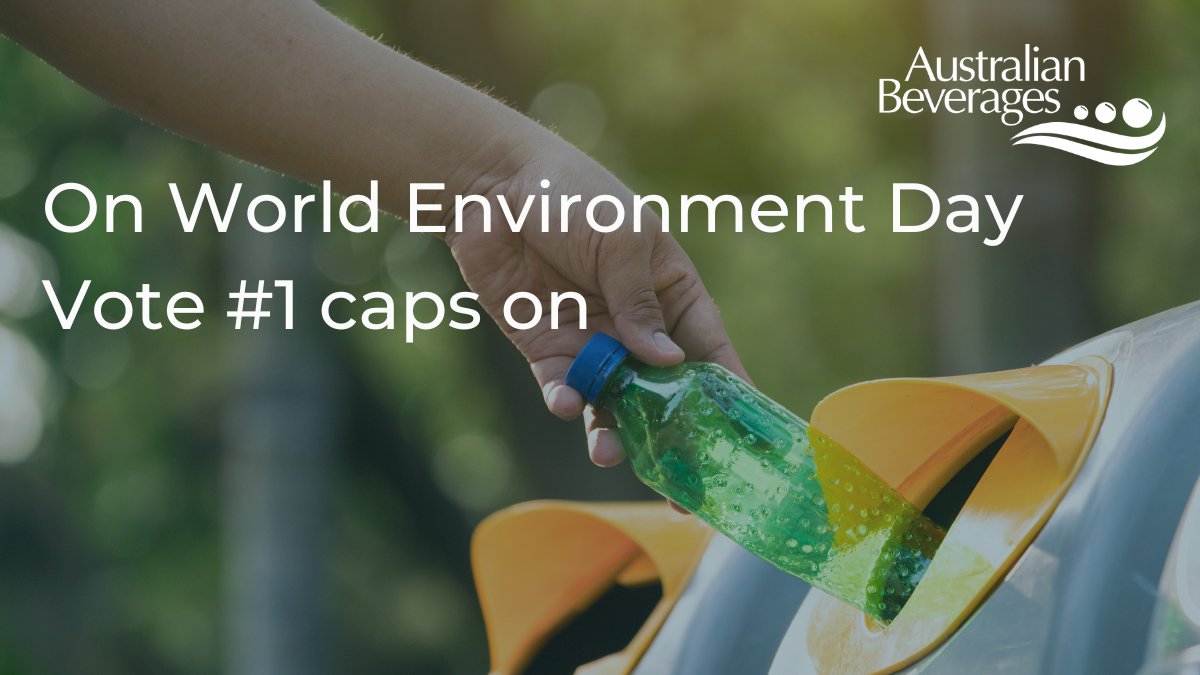
On World Environment Day we're calling on all Environment Ministers to agree bottle caps can be collected on bottles in CDS/CRS & kerbside. Caps are still littered and are recyclable so should be attached to the bottle to be recovered and recycled. #capson@tanya_plibersek
Protecting our little blue marble and the life that relies on it is an essential part of everything we do. That’s why we’re so proud to stand behind initiatives that support sustainability and stop our containers from being a source of pollution.
We’re excited to learn that @QldGov#containersforchange is expanding to include glass wine and spirits bottles. It’s a great win for consumers, making it easier to identify what can be returned – and it supports a sustainable circular economy. https://t.co/8ZgdjxzShP
Best, the system will support caps-on, which reduces littering and waste (and is less confusing for all of us). Victorians can begin receiving their 10c refunds on eligible drinks containers from 1 November!
We’re excited to announce that the Victorian container deposit scheme – CDS VIC – is launching on 1 November! This is a great way to keep bottles and caps out of landfill and waterways while supporting recycling and a circular economy.
https://t.co/Ma7JC3Dy6l
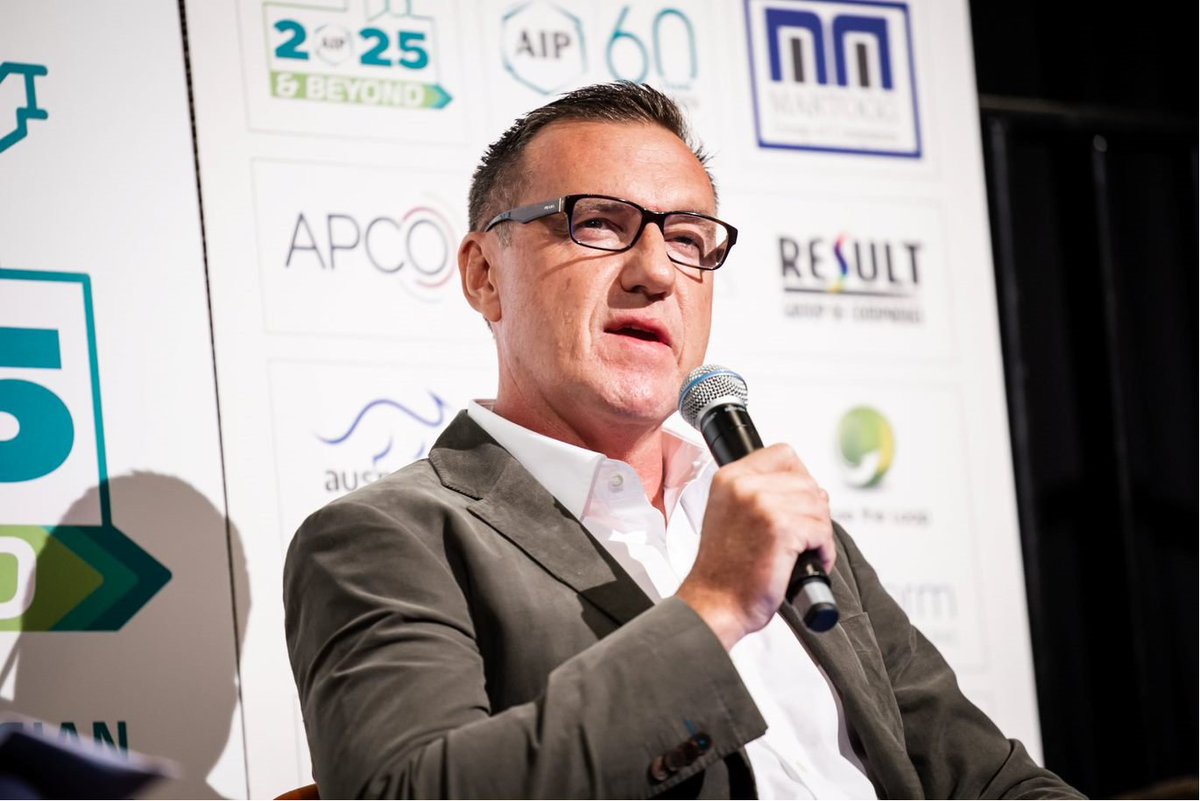
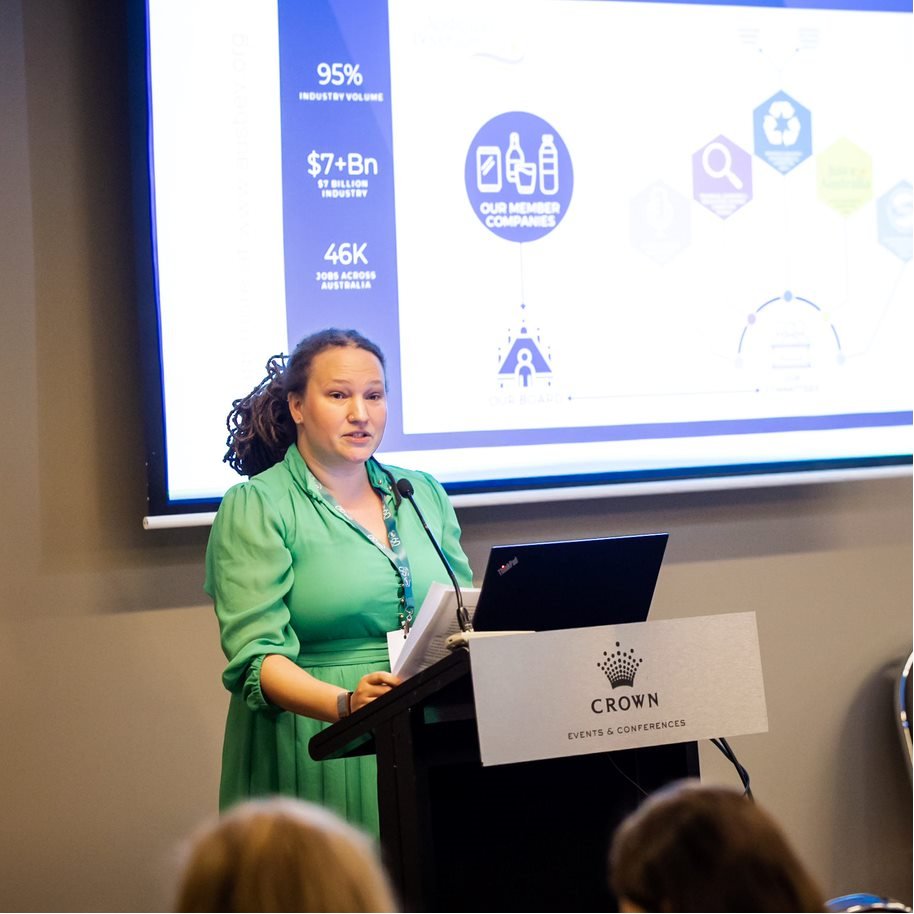
ABCL CEO Geoff Parker and sustainability manager Shannon Doherty shared their experience and expertise at the AIP Packing Conference last week. It was great to see a focus put on circularity and sustainability. It is the future of packaging!
More than half of the plastic that comes in for recycling comes from container deposit schemes. We're leading the way toward a #CircularEconomy!
https://t.co/rt5HMYUCh6
On #IWD, we pause to celebrate the fantastic contributions women make. We’re proud to be led by a female board chair and have strong women leading up our sustainability, technical, and corporate affairs arms.
#iwd#internationalwomensday
Happy UN International Day of Women and Girls in Science! Celebrating the amazing women scientists in the Australian non-alcoholic drinks industry #innovation
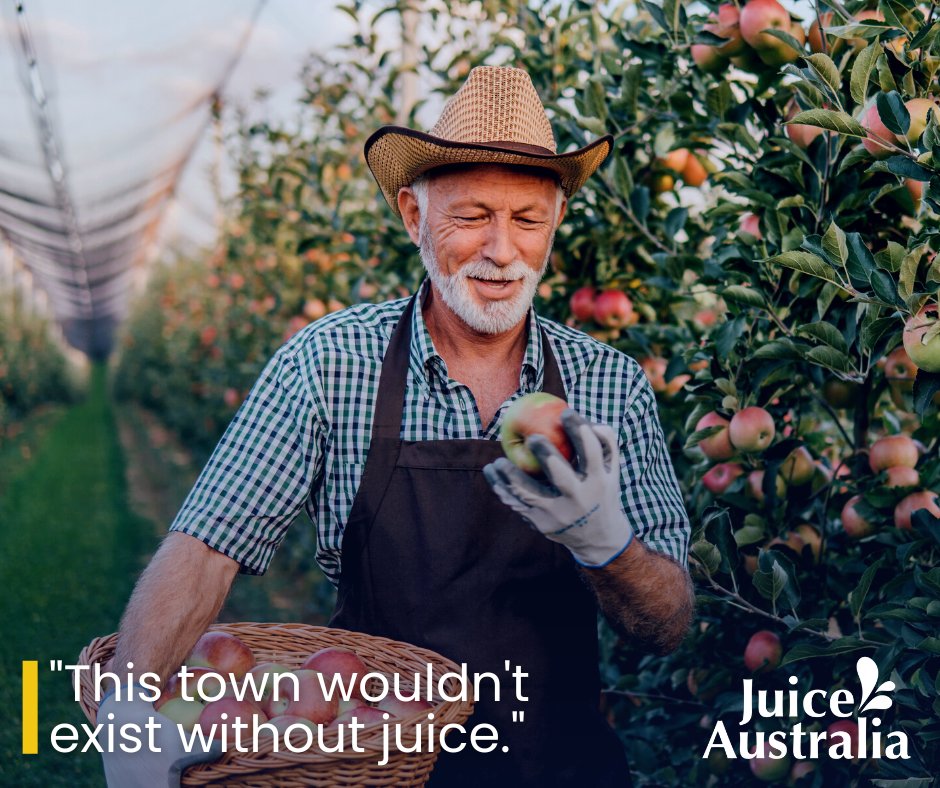
#Juice is the lifeblood of regional towns throughout Australia, supporting growers & their employees while also bolstering local supply chain and production opportunities. As a result, the juice industry alone provides approximately 5,000 FTE roles to Australians – and counting!
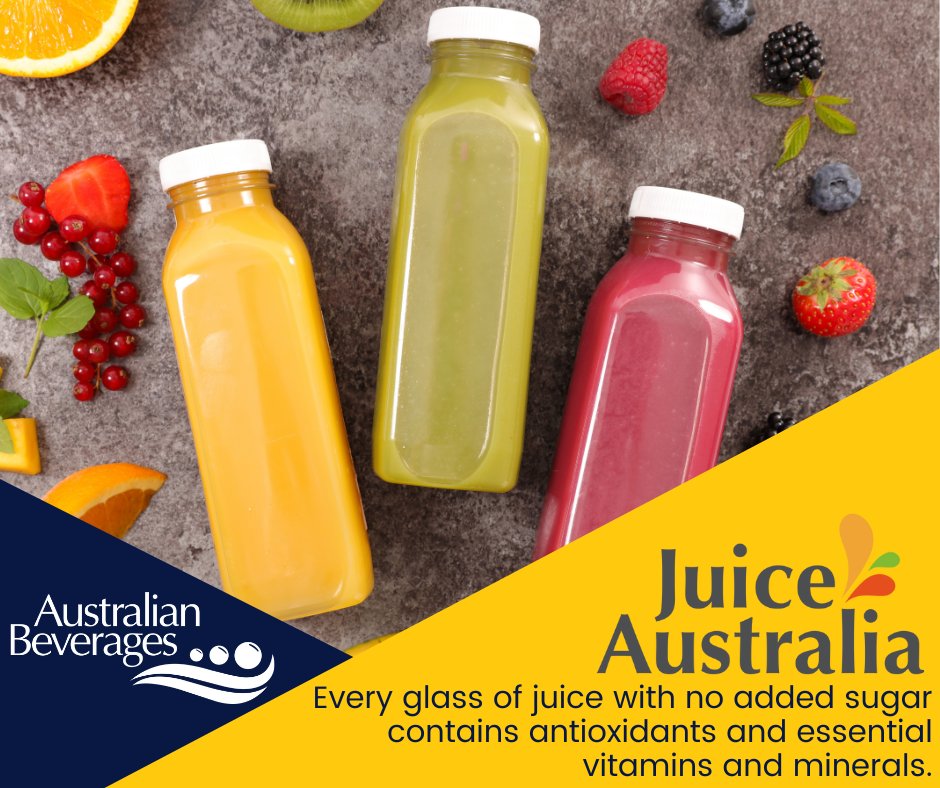
#DidYouKnow that every glass of #juice with no added sugar provides antioxidants, as well as essential vitamins and minerals? With a serve of fruit in every occasional 125mL glass, why not #GetSomeJuiceInYou?