The @EFSA_EU has reaffirmed the safety of sucralose following its most comprehensive review in 20 years.
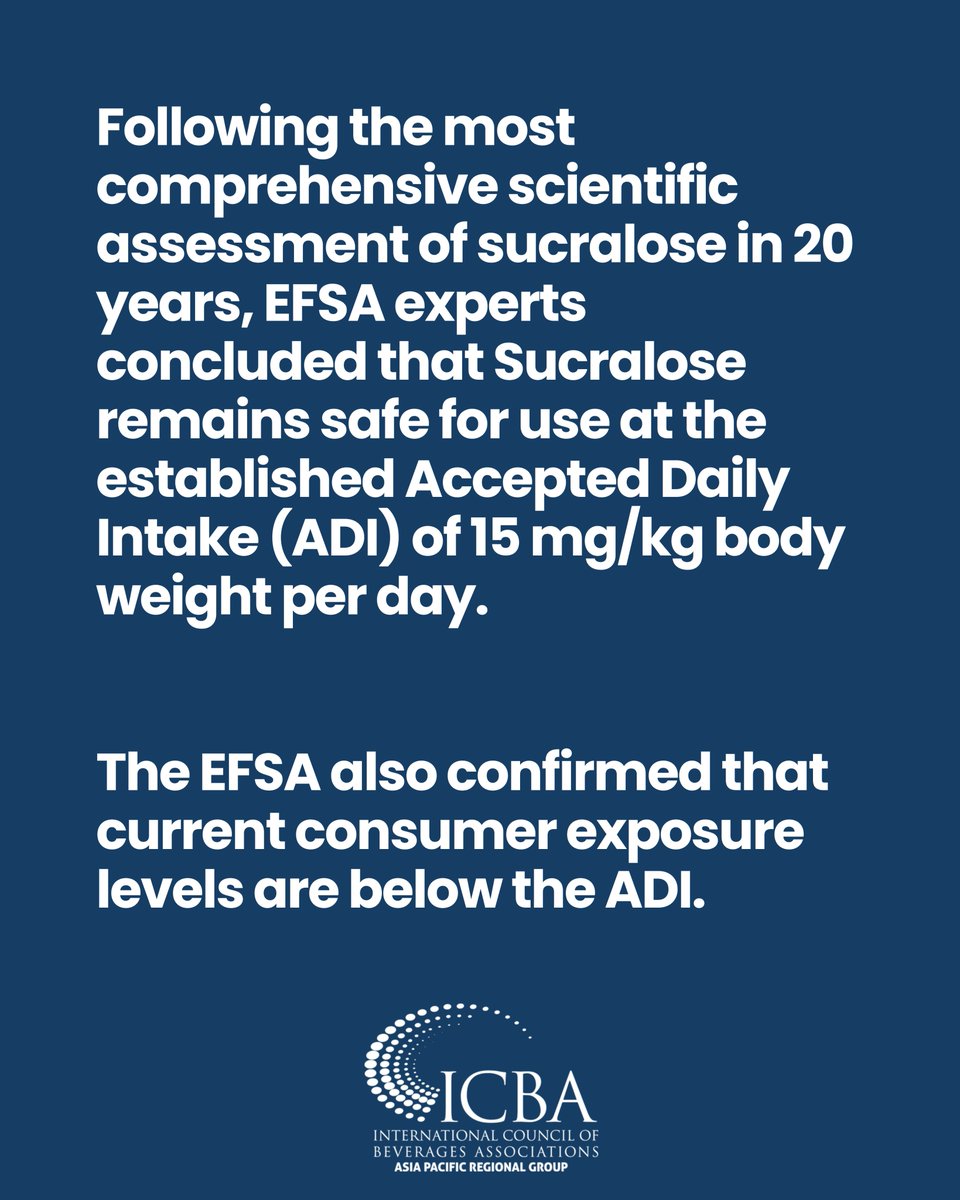
EFSA confirmed that sucralose remains safe at the established ADI of 15 mg/kg body weight per day, with current consumer exposure below this level.
#Sucralose#Science
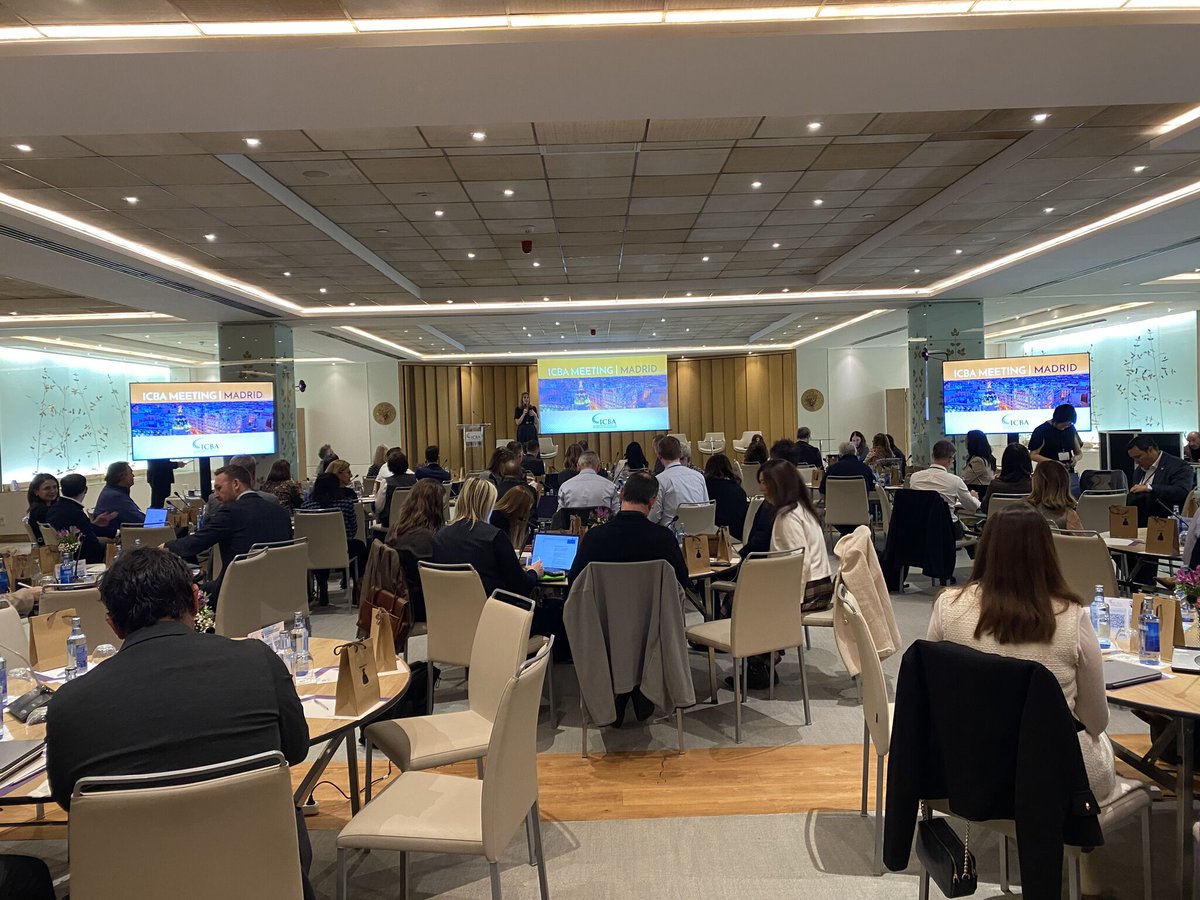
Last month, the ICBA community met in Madrid for our bi-annual global gathering. Our Executive Director, Geoff Parker, shared insights on global advocacy, science, and sector challenges.
Global collaboration strengthens our networks and builds a more resilient beverage sector.
Have you checked out our Insight Series: What the Experts Say?
Glen Neal unpacks how FSANZ, FDA & EFSA assess ingredient safety to protect consumers.
#ICBA#FoodScience
What does it take for an ingredient to be approved in food & drink?
Glen Neal explains the rigorous global safety checks by FSANZ, FDA & EFSA – if the evidence isn’t strong, it’s out. If approved, strict limits protect consumers.
#ICBAAPAC#FoodScience
What does it take for an ingredient to be approved in food & drink?
Glen Neal explains the rigorous global safety checks by FSANZ, FDA & EFSA – if the evidence isn’t strong, it’s out. If approved, strict limits protect consumers.
#ICBAAPAC#FoodScience
With 30+ years in food regulation, Glen Neal explains how ingredient safety in non-alc drinks is built on science, regulation & decades of safe use.
Every ingredient is assessed by authorities like FSANZ and clearly labelled to support informed choices.
#IngredientSafety
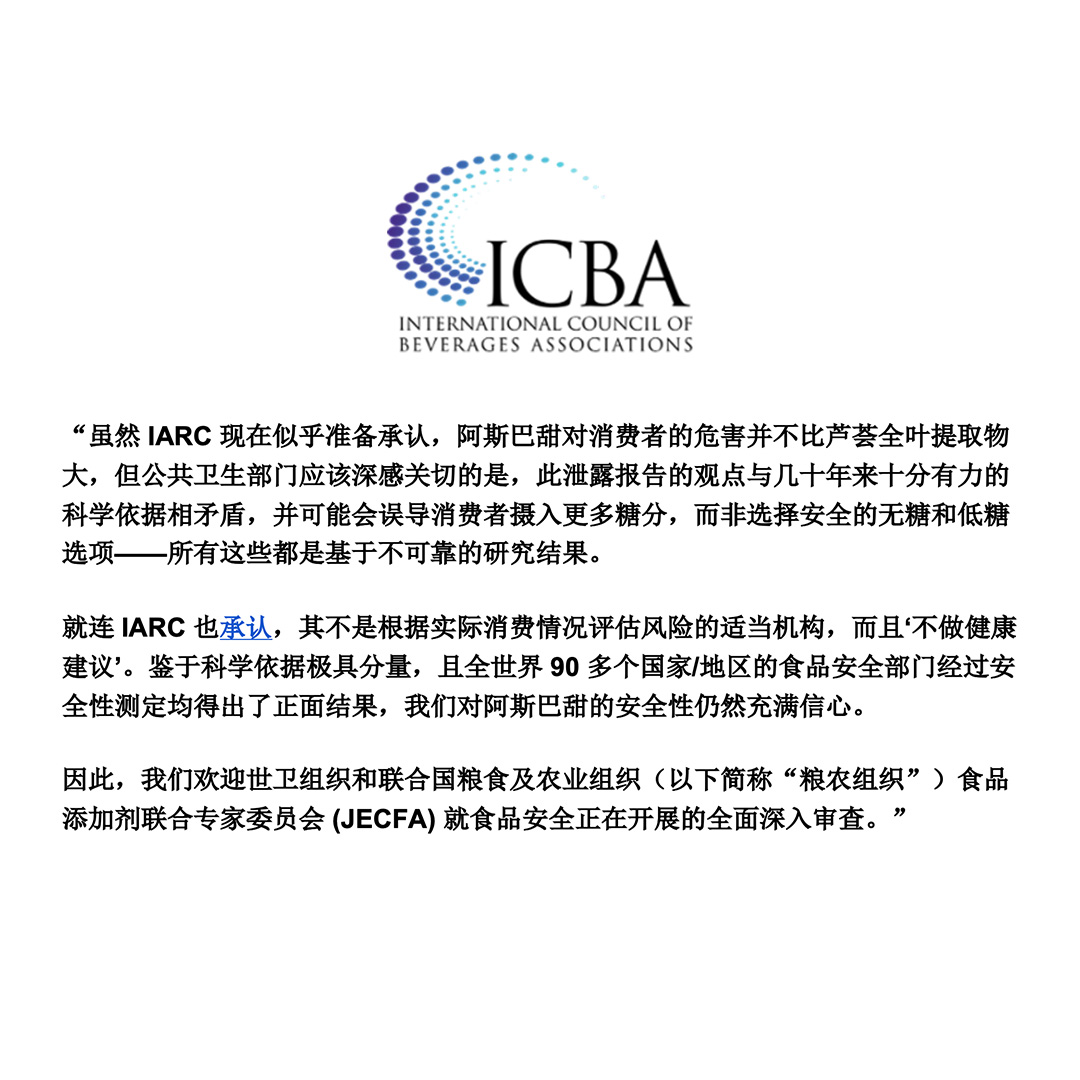
Statement (Mandarin – Simplified Chinese) by the International Council of Beverages Associations on leaked aspartame reports published today by @ReutersUK https://t.co/wvi2NLNazZ
Many manufacturers are using plastic alternatives in their beverage packaging, or contributing to the circular economy in countries across the globe. Manufacturers are also devising more effective supply chain processes, keeping the earth and consumers in mind.
The non-alcoholic beverages industry is constantly striving for innovation, through sustainable packaging, supply chain effectiveness and product innovation.
The World Health Organisation (WHO) recently published a set of draft guidelines examining the impact of marketing food and beverage products to children.
The global non-alcoholic beverages industry is dedicated to positively changing the landscape of children’s marketing, & has long made commitments in these areas while respecting that parents & caregivers are best placed to determine what should be consumed by their children.
ICBA APAC and its members have long supported evidence-based efforts to address global health and nutrition-related challenges. To learn more about the industry's commitment, visit our website: https://t.co/zB5v27Vrma
The World Health Organisation published its Draft Guideline on the Use of Non-Sugar Sweeteners on July 15. The non-alcoholic beverages industry relies on the risk assessments conducted by food standards agencies around the world that repeatedly affirm the safe use of NSS.
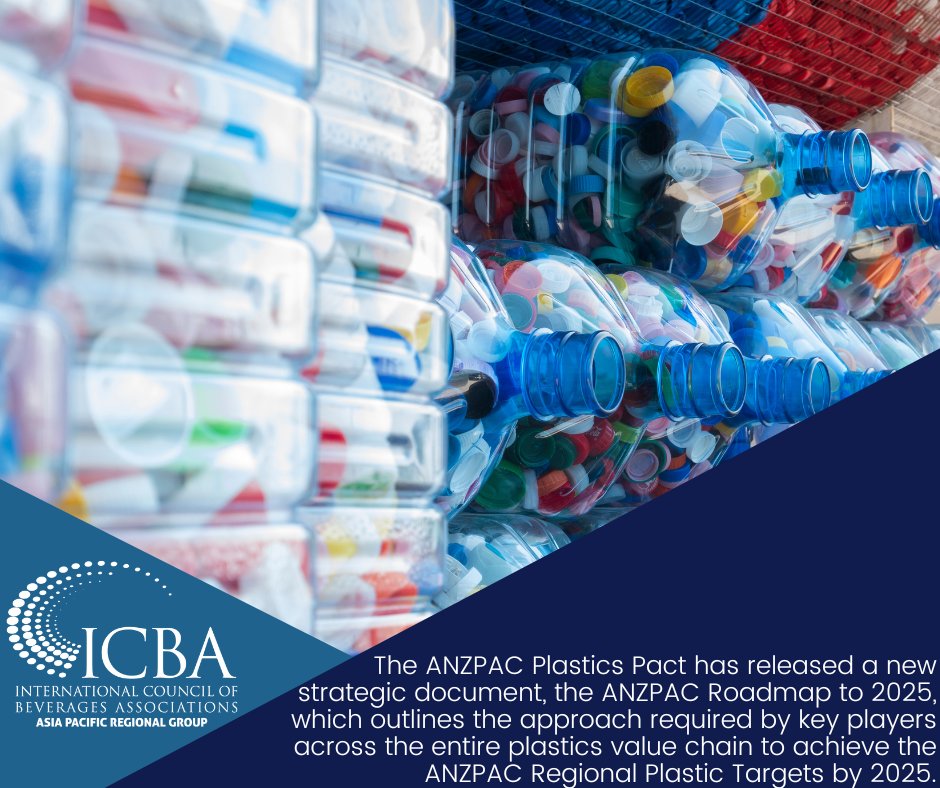
The #ANZPACPlasticsPact has released a new strategic document, the ANZPAC Roadmap to 2025, which outlines the steps required to achieve the region's Plastic Targets by 2025 and sets out a pathway that will change our relationship with plastic packaging to be more #sustainable.
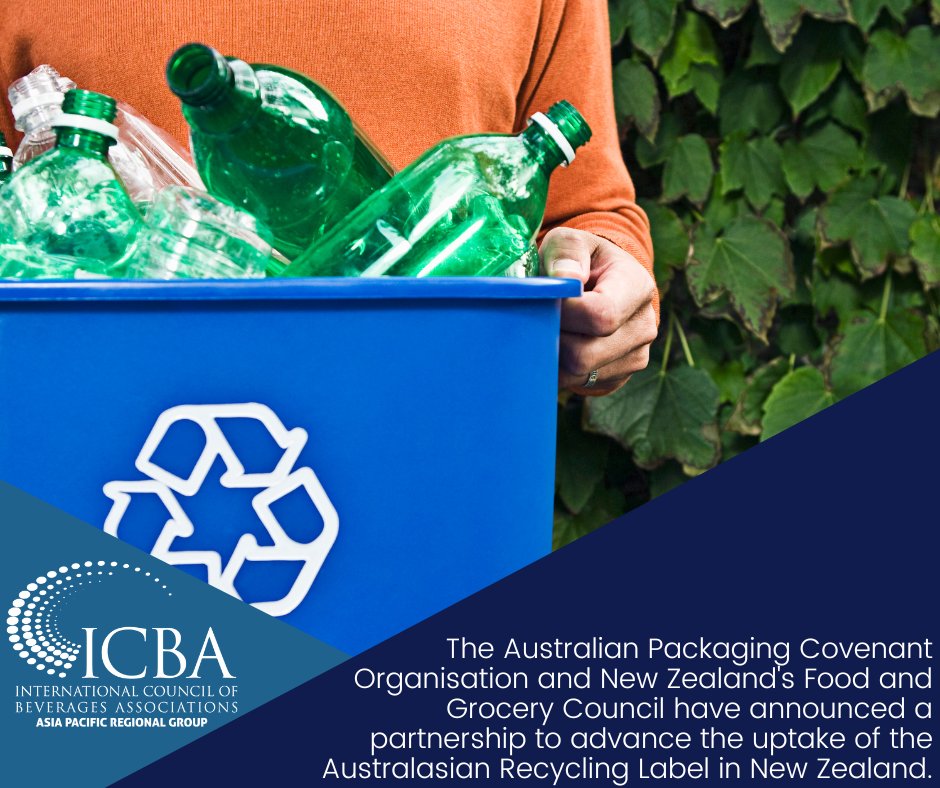
Yesterday, the Australian Packaging Covenant Organisation and New Zealand's Food and Grocery Council announced a partnership to advance the uptake of the Australasian Recycling Label throughout New Zealand.
Food Industry Asia recently compiled data on consumer perceptions on sustainability matters. The data indicated that citizens of major cities throughout Southeast Asia want both Industry and Government to help facilitate behavioural change when it comes to sustainability.
ICBA APAC & the ABCL (@BeverageCouncil) co-hosted the ‘Post-COVID Consumer Trends’ webinar last week, covering key consumer and industry trends such as the complexity of the post-COVID retail environment in Australia & consumer attitudes & behaviours across AUS, APAC & globally
The forum will feature a panel of diverse speakers addressing perspectives from industry, academic and government stakeholders. For more information on the speakers, click here: https://t.co/10jjkWh5L8