Why do major international outlets cover a political upheaval from New Delhi instead of Dhaka? And what gets missed when a country in crisis is reported at regional distance rather than from the ground?
In "Bangladesh: Why Were Foreign Correspondents Absent?" by @BhamToLahore , the article examines why much of the international coverage of Bangladesh’s 2024 anti-government protests and Sheikh Hasina’s ouster was produced by foreign correspondents based outside the country, particularly in New Delhi. It points to concrete factors, including accreditation denials for foreign reporters during the January 2024 elections, risks of harassment or deportation, and the broader economics of South Asia bureau coverage, while arguing that distance can flatten the cultural and political specificity of events on the ground.
The article’s central warning is that when foreign reporting is absent, local journalists carry the burden of frontline coverage, but their work does not always receive the reach, protection, or institutional weight it deserves.
🔗 Link to the full article is in the comments below.
#Bangladesh #ForeignCorrespondents #PressFreedom #InternationalReporting #JournalismEthics #SouthAsiaMedia #NewsroomAccountability
Podcasting isn’t just entertainment anymore; it is rewriting the rules of journalism. Can this audiowave break the grip of the old gatekeepers and pull voices from the Global South to the center where they belong?
Dive into Anam Hussain’s piece and see how podcasting lets journalists bypass corporate filters, amplify voices the mainstream media routinely sidelines, and tell stories with depth.
It could be considered a quiet revolt against the information order that has shaped global narratives for decades. The real question is whether the gatekeepers are ready to lose their monopoly.
To read the whole article: https://t.co/032Z1JNRAd
@BhamToLahore
#PodcastJournalism
#MediaRevolution
#GlobalSouthVoices
#IndependentReporting
#ChallengingGatekeepers
Travel journalism is often romanticised as a glamorous profession, but in reality, it involves hardships, tight deadlines, and logistical challenges.
How can Journalists balance cultural sensitivity and ethical storytelling, while navigating unfamiliar environments?
Read more about this by professional travel journalist @BhamToLahore here: https://t.co/1ZlSySmri7
#travelphotography
#TravelJournalism
#StoryTelling
#JournalismEthics
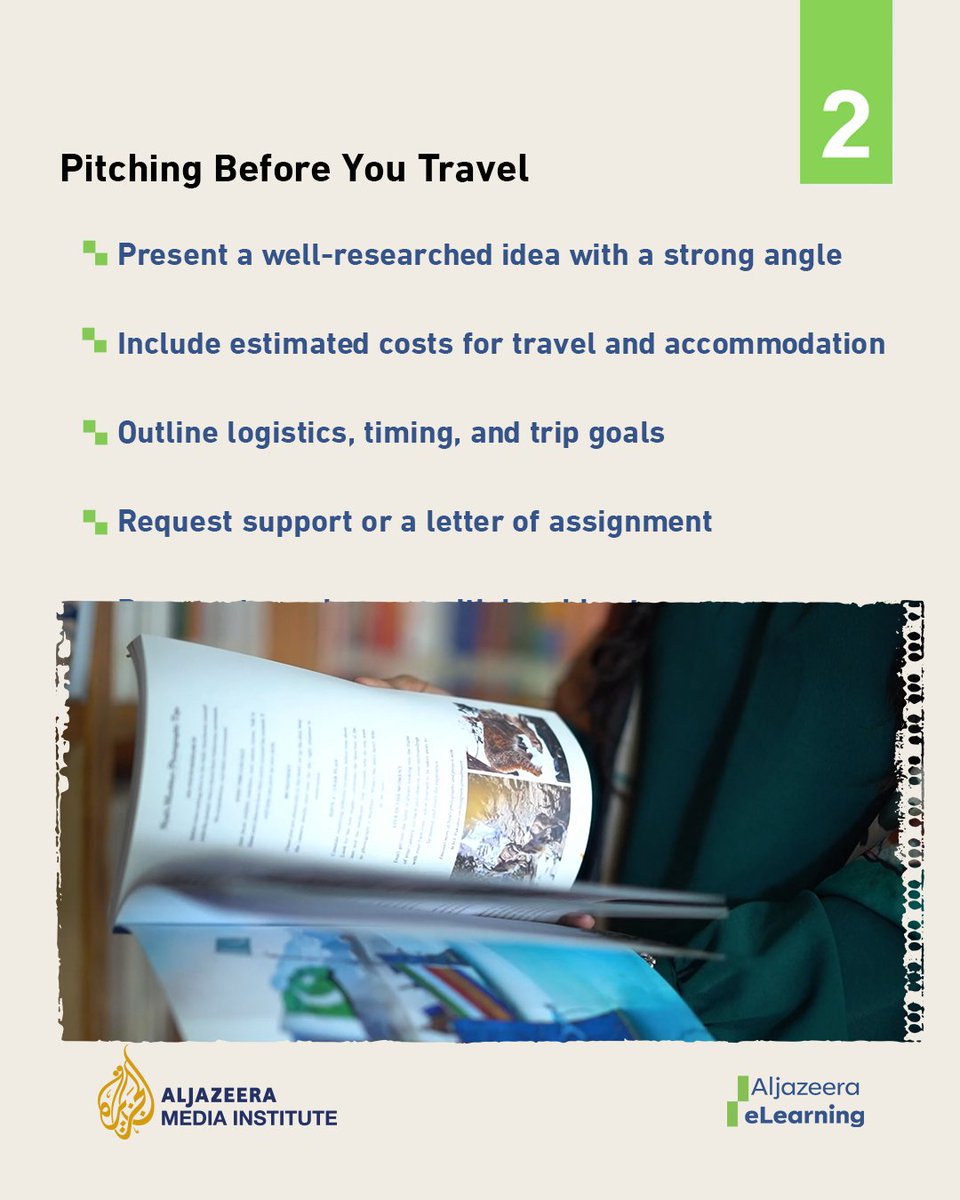
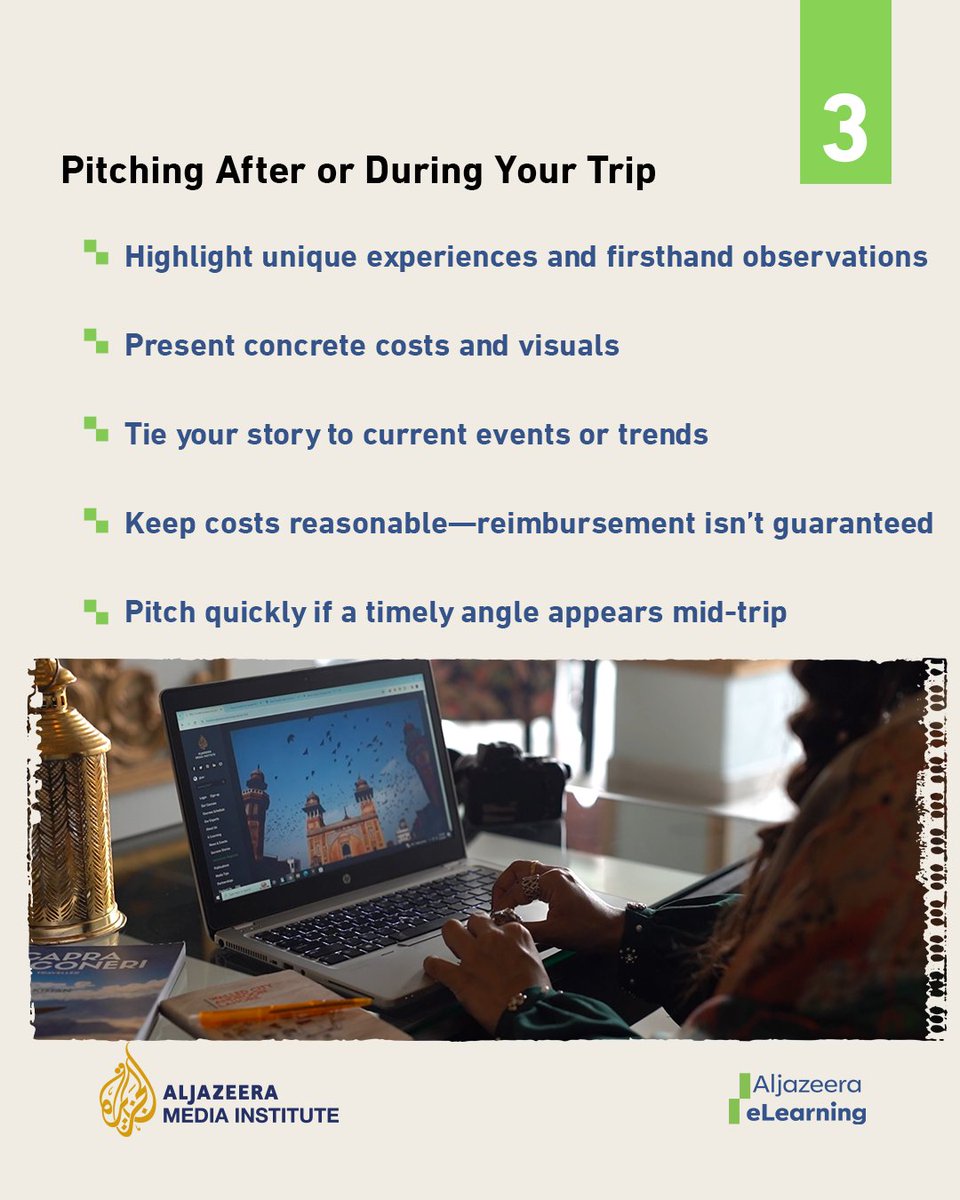
Great travel stories begin with great research, before the journey.
These five areas of research will sharpen your focus and deepen your story.
Learn from our FREE Course with @BhamToLahore on Travel Journalism: https://t.co/MnGHUuXi9q
#eLearning#TravelJournalism#Decolonizing
Drawing on my experience of researching, writing, teaching, and storytelling, this course explores the art of capturing a place through detailed observation, cultural context, ethical reporting, all while carrying the voice of locals at the heart of every narrative. Enroll now!
Turn your travels into powerful stories that challenge stereotypes, spark empathy, and & build a career
Join our Travel Journalism course with Anam Hussain and start telling stories that matter & write with impact
Enrol: https://t.co/MnGHUuXPYY
#eLearning#TravelJournalism
@AJeLearnEN@BhamToLahore This shift from content creator to credible reporter is exactly what the travel space needs right now. Authentic storytelling beats Instagram pretty every time
Travel journalism isn’t sightseeing—it’s a reporting assignment.
Want to go from tourist to truth-teller?
Start with these 5 essential skills
Join @BhamToLahore in Al Jazeera’s eLearning Travel Journalism Course: https://t.co/MnGHUuXPYY
#eLearning#TravelJournalism#MediaTraining
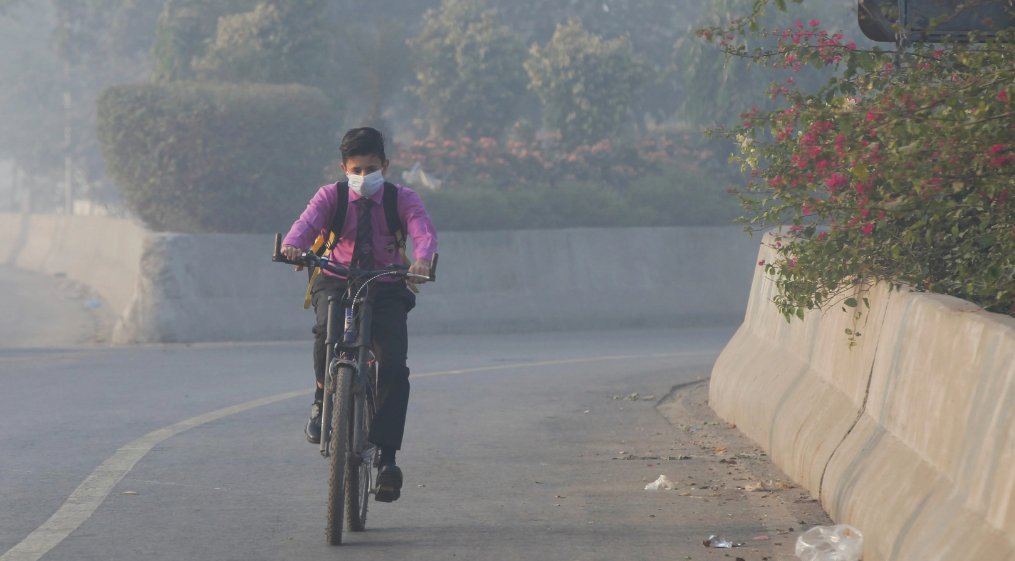
My latest for @AJEnglish: Air pollution is a growing crisis in Pakistan, with children bearing the brunt. Their voices and powerful drawings tell a story we must hear. Thanks to @rafay_alam, Dr. Cheema, Sabahat Rafiq, and Natasha Wali for their invaluable contributions.
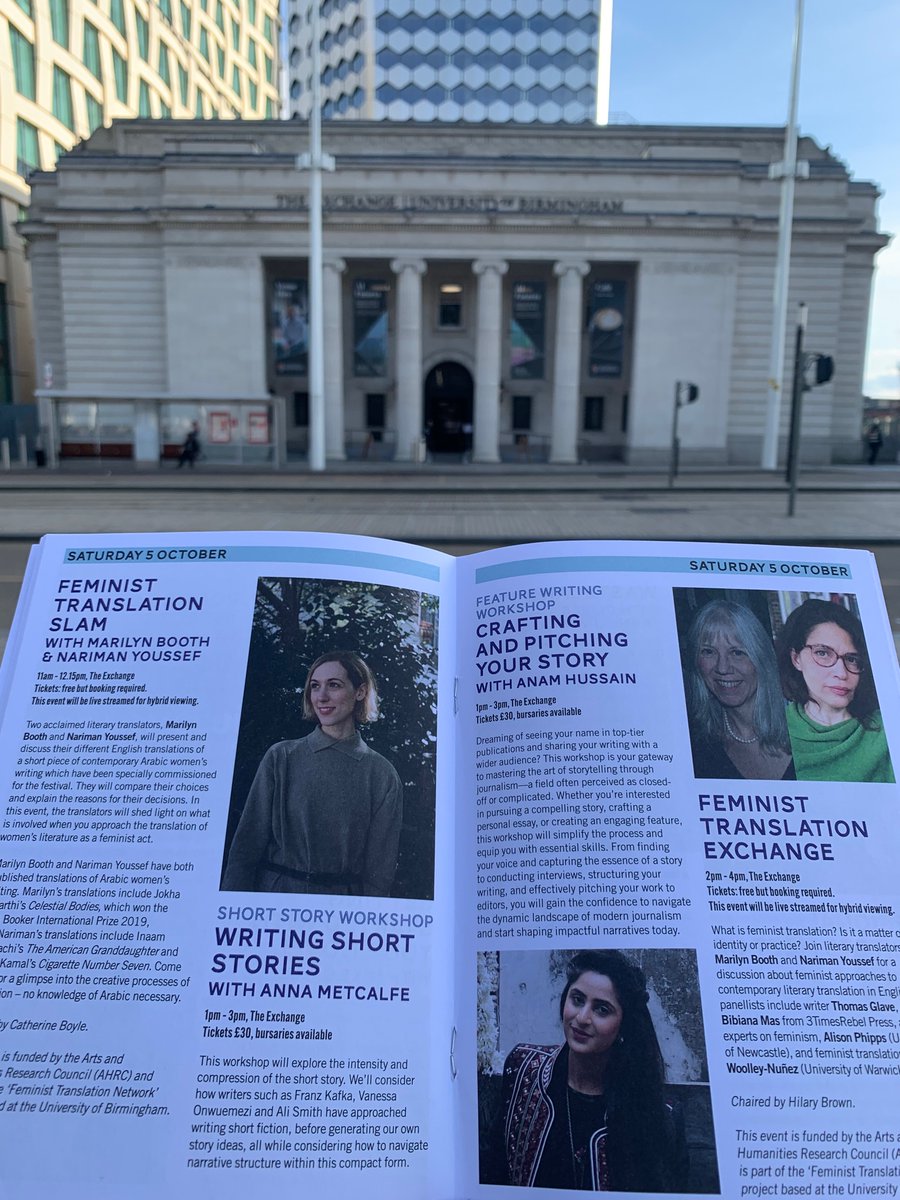
Wrapped up a feature writing workshop with @BhamLitFest, alongside an excellent lineup. Thank you to everyone who attended and made it special. We explored narrative techniques, finding your voice, and the power of the human element in storytelling.
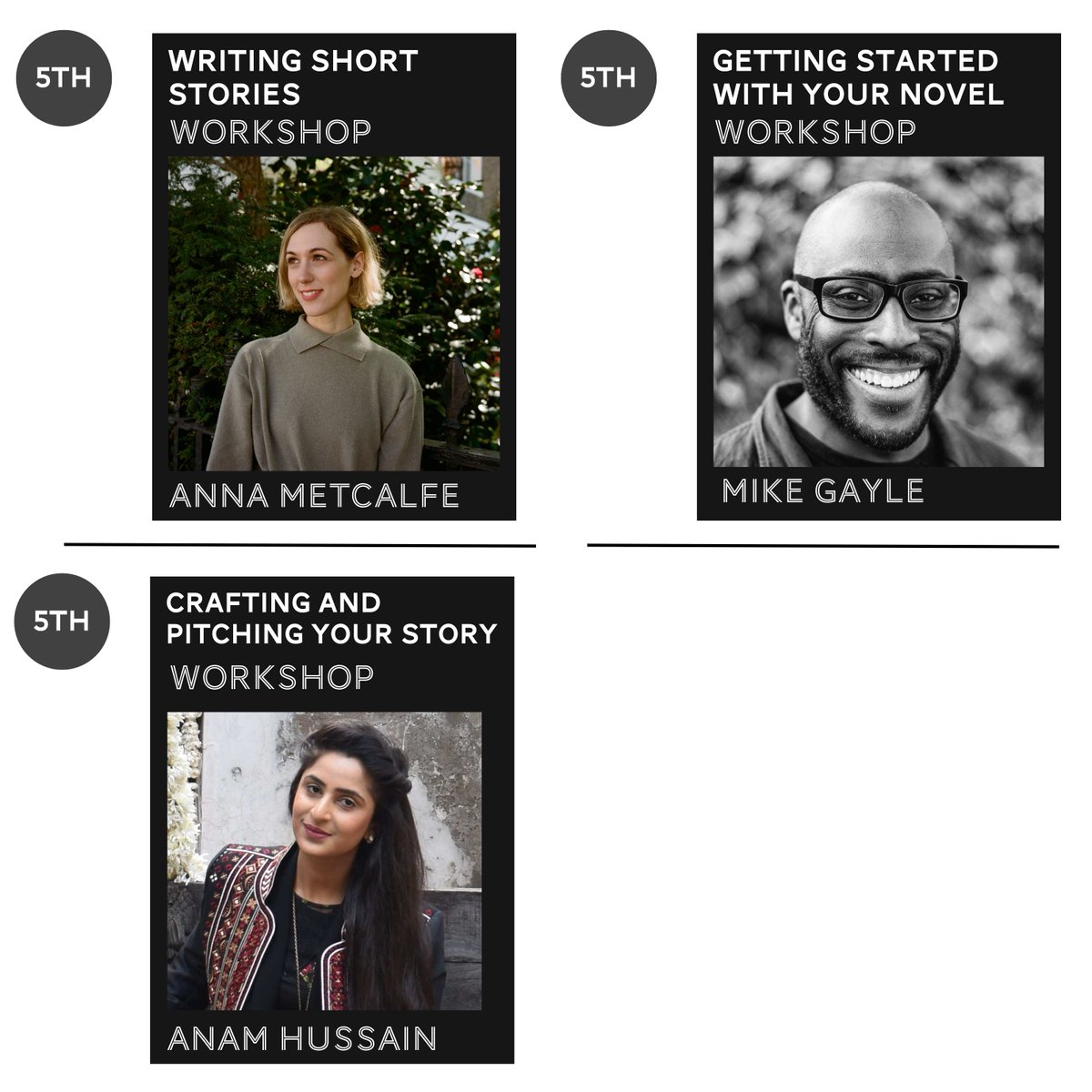
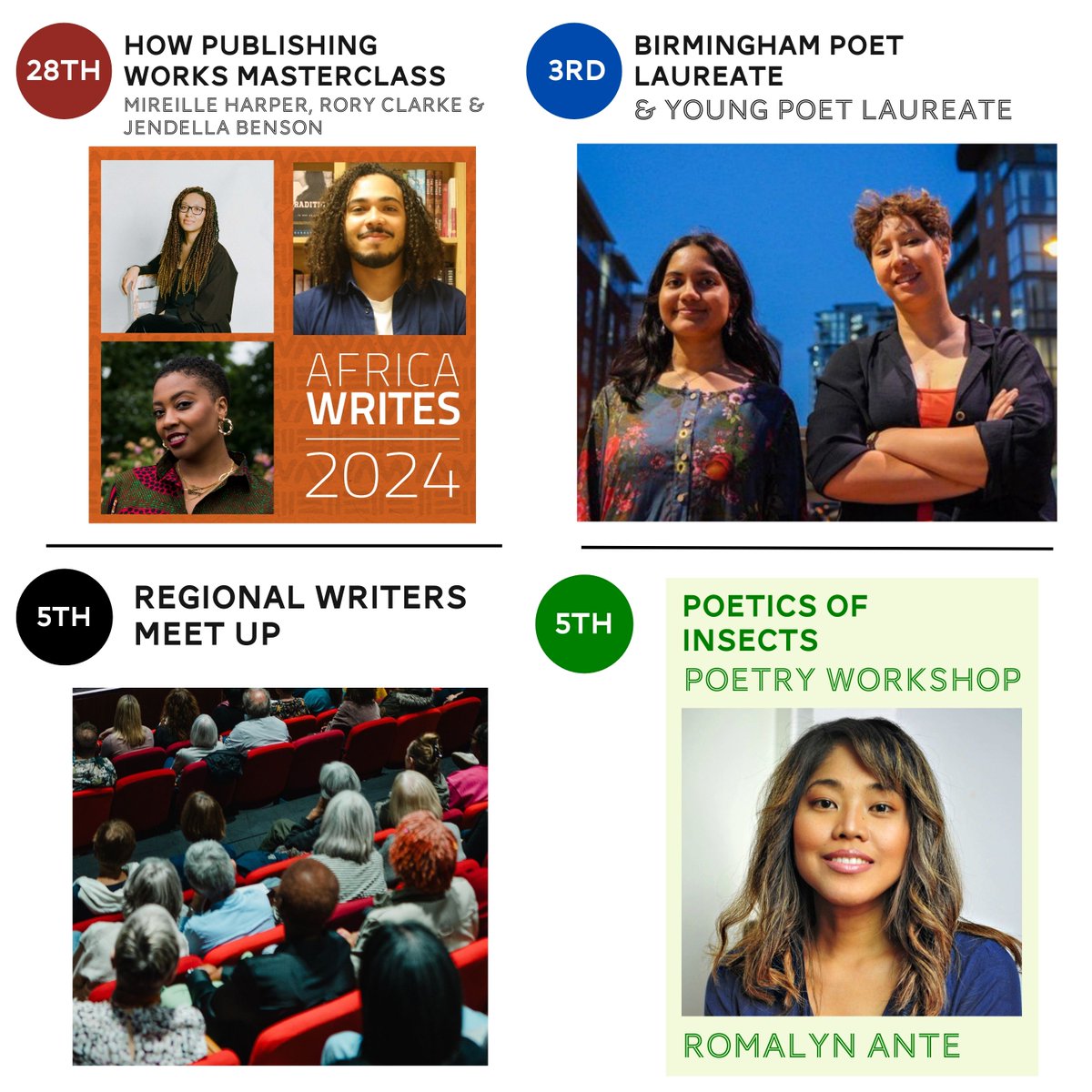
For #BLF2024 we have an amazing line of events for writers. Meet-ups, masterclasses and workshops we have something for everyone from, poetry, short stories to fiction.
🔗 Click here to secure your space: https://t.co/xMRQt3ToDE
Bangladesh: Why Were Foreign Correspondents Absent? (By Anam Husain @BhamToLahore)
https://t.co/427wgtTL9b
In the recent political upheaval in Bangladesh, many foreign journalists reported from nearby regions like New Delhi. This absence underscored the vital role of local journalists in providing firsthand accounts. The events highlighted the importance of both local and foreign journalism, showing that Bangladesh’s story deserves to be told with depth and richness from both local insights and international perspectives.
#Bangladeshstudents #BangladeshiProtests #Media #NewsUpdate #newsfeed #Bangladesh
India and Pakistan: Journalists building Bridges for Understanding (By Safina Nabi)
https://t.co/RfjKTEsMFJ
How do media narratives influence public perceptions in conflict zones?
What role can #cross_cultural journalism play in global #conflict_resolution?
What are the challenges and benefits of collaborative journalism in politically sensitive contexts?
Amid decades of tension, journalists from #India and #Pakistan are uniting to combat hostile narratives and highlight shared challenges. Through collaboration, they’re fostering understanding on pressing issues like #climate_change and #healthcare, proving that empathy can transcend borders. Discover how initiatives like the #Journalists' Exchange Programme are paving the way for #peace_journalism and a more nuanced narrative. 🌍✍️
#MediaForPeace #CrossBorderCollaboration #JournalismInitiatives