The video shows a tourist confronting security personnel after being stopped at a barricade in the Minamarg area near Zoji La in Kargil district, Ladakh. During the argument, she questions why tourists were being stopped and compares the restrictions with those faced by people in Kashmir. She is also heard saying, "We are Gen Z, we'll not tolerate this nonsense."
In a viral street interview, a Muslim man said he loves Pakistan after being asked by a journalist, and he refused to chant "Bharat Mata Ki Jai." He asserted that "Pakistan was once a part of India" and that "all Muslims around the world are our brothers."
The comments have ignited a fresh debate around nationalism, religious identity, and freedom of expression in India. This exclusive ground report dives into the tensions at the heart of the conversation, capturing raw and unfiltered public sentiment.
A viral video purportedly shows Maulana Tauqeer Ahmad inviting Prime Minister Narendra Modi and Uttar Pradesh Chief Minister Yogi Adityanath to embrace Islam, claiming that over 20 lakh Hindus have converted to Islam since 2014. In the same remarks, he allegedly stated that his objective is to see Sharia law implemented in India, drawing a comparison with Afghanistan.
A viral video purportedly shows Maulana Tauqeer Ahmad inviting Prime Minister Narendra Modi and Uttar Pradesh Chief Minister Yogi Adityanath to embrace Islam, claiming that over 20 lakh Hindus have converted to Islam since 2014. In the same remarks, he allegedly stated that his objective is to see Sharia law implemented in India, drawing a comparison with Afghanistan.
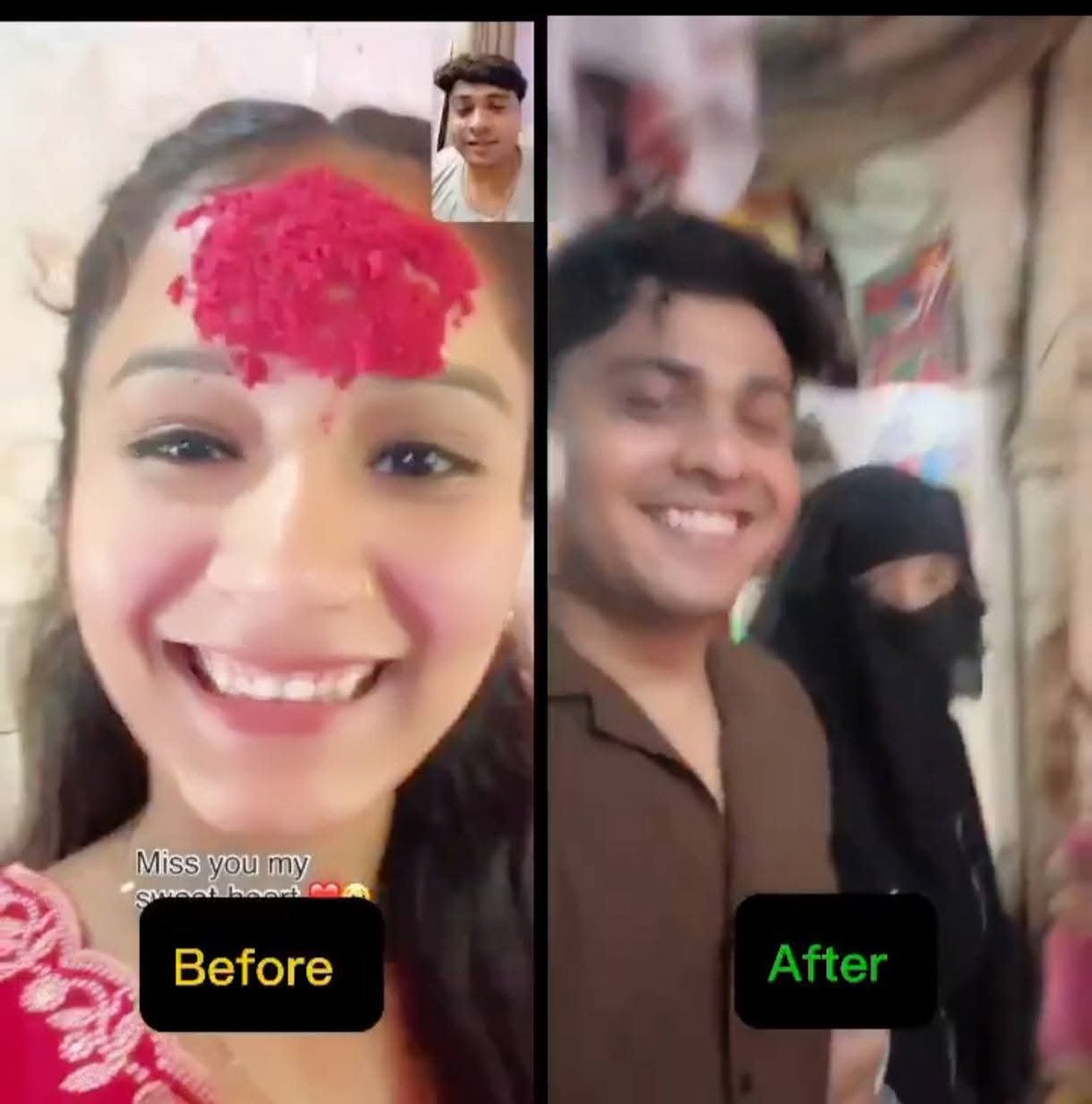
Millions of Hindu men and women live in this country, yet interfaith marriages continue to spark intense debate. Many families believe it's important to educate their children about relationships, informed choices, and potential risks before making lifelong decisions. Open conversations and awareness matter more than assumptions.
We are failing again and again to teach our daughters & sisters about Love Jihad 💔
Awareness begins at home. Silence helps no one.🙏🤔
#LoveJihaad #viral #hindu
A video circulating on social media purportedly shows a youth claiming that he was paid ₹50,000 to target Hindu girls and 5 lakh if the relationship culminated in marriage and religious conversion. In the same video, he alleges that the money and instructions came from his mosque. The authenticity of the video and the claims made in it have not been independently verified, and there is no official confirmation regarding the allegations at this time.
A mother became a human shield to protect her children as a train passed just inches above them in Bihar, India.
In a moment of unimaginable courage and a mother's instinct to protect her children, she put their lives before her own.
Miraculously, all of them survived.
For years, the term "Love Jihad" was mocked and dismissed as propaganda. Anyone who raised concerns was labelled communal or accused of spreading fear. But behind the debate are real cases and real victims whose stories rarely get attention.
Across India, multiple reports have emerged of young women allegedly being lured into relationships through fake identities, deception about religion, or emotional manipulation. In some cases, families claim these relationships later led to pressure for conversion or complete isolation from their own beliefs and identity.
The issue became so widely debated that even cinema touched it, with films like The Kerala Story portraying the alleged pattern of radicalisation and forced conversion.
For years, the term "Love Jihad" was mocked and dismissed as propaganda. Anyone who raised concerns was labelled communal or accused of spreading fear. But behind the debate are real cases and real victims whose stories rarely get attention.
Across India, multiple reports have emerged of young women allegedly being lured into relationships through fake identities, deception about religion, or emotional manipulation. In some cases, families claim these relationships later led to pressure for conversion or complete isolation from their own beliefs and identity.
The issue became so widely debated that even cinema touched it, with films like The Kerala Story portraying the alleged pattern of radicalisation and forced conversion.