In week 6's lecture, a 33hr operation involving a team of 50 experts have used VR to separate conjoined twins in real time- absolutely amazing! It was a successful procedure #HSBH2009
https://t.co/MHpi8zY4Wb
Despite it being known that it's tricky to balance out between delivering enough alerts to prevent significant errors, but not too many to cause alert fatigue for doctors, Week 6's lecture highlights a lack of studies on the effectiveness of alerts on patient outcomes. #HSBH2009
Personally, I think that using images like outdoor stimulation is a great way to keep boredom at bay while using a treadmill. It's also a great way to distract yourself from mild discomfort when it comes to running! #HSBH2009
I am amazed by how much more I notice technology in my daily life. Something like this nature simulation on stationary bikes at the gym makes exercise more interactive whilst tracking things like heart rate, RPM and distance to keep up with personal health goals!#HSBH2009
From Week 9's lecture on VR and mental health, I was curious about how it helps those with gaming disorders as it seemed counterintuitive to me at first. This journal is interesting in providing an example of a VR scenario. #HSBH2009 https://t.co/6z3dMMbrna
@RhiannonSoans Hi Rhiannon, there is an article by Sleep Cycle addressing privacy concerns. It seems pretty direct about consumers concerns. https://t.co/3F6X2SVLK9
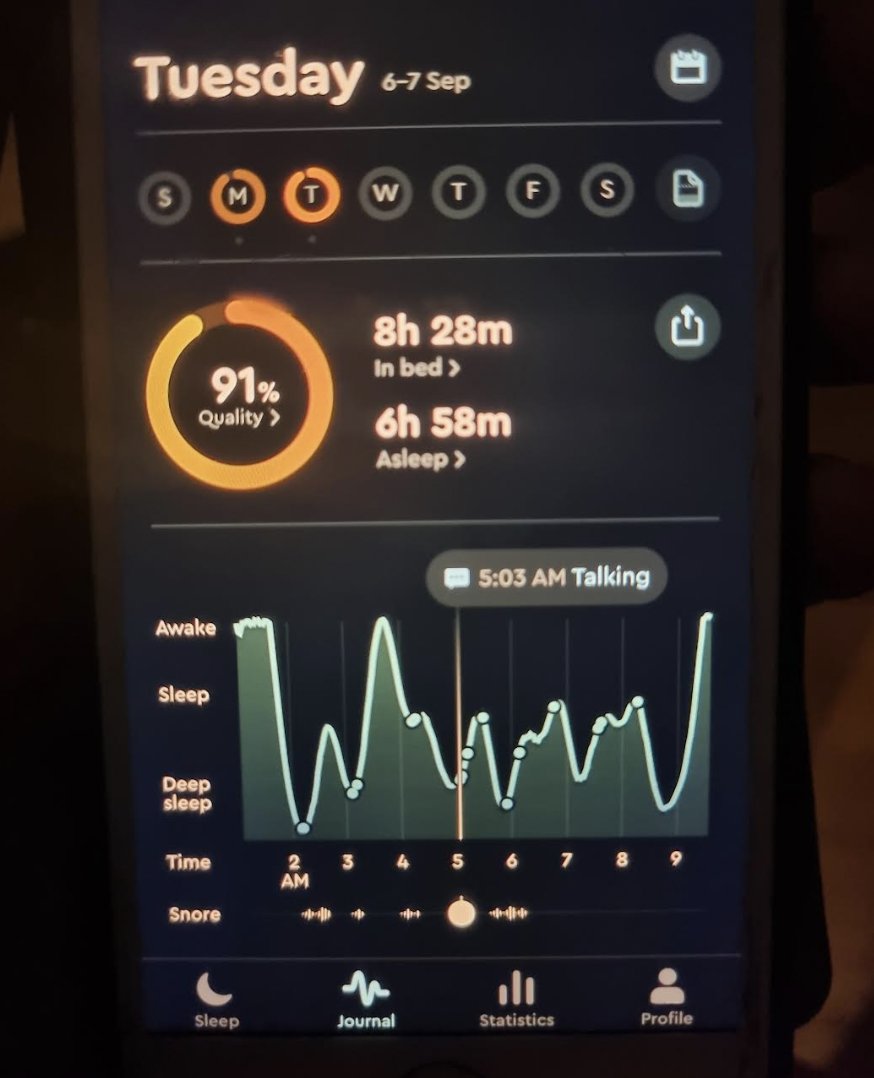
eHealth is everywhere! Trying out the Sleep Cycle app- an alarm is set between a 30 minute window to wake you up. I wonder how accurate apps like these are? Sometimes I hit snooze regardless of waking up in my so called 'light phase'. Also...I talk in my sleep? #HSBH2009
@RhiannonSoans Hi Rhiannon, I agree that this app is great! Though I do wonder about privacy, anonymity and data collection with this app. It records you snoring and talking in your sleep in which some people may find concerning. What are your thoughts? #HSBH2009
Telehealth requires clinicians to practice to work through distractions by managing technological issues and workflow effectively. In Week 3's tutorial, I found it distracting to read notes about the health condition alongside my group partners face on the same screen. #HSBH2009
Week 8's lecture discusses the potential of gamification to result in greater adherence to treatments for patients. Interesting to know that also health professionals (ie. surgeons in training) have also used serious games as a way to up-skill! #HSBH2009
In Week 7 of #HSBH2009, a lecture on social media and mental health wellbeing was presented. I thought it was intriguing that passive users (ie. people who browse rather than post) reported more negative outcomes in mental health rather than active users who post. Thoughts?