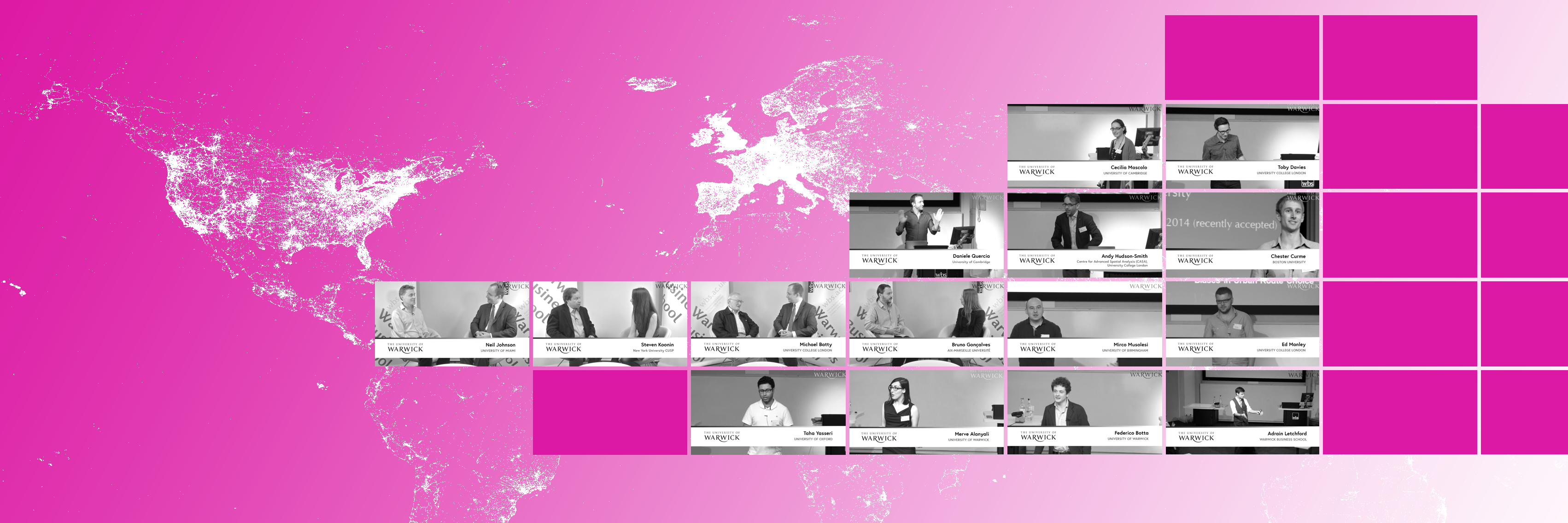
Join @t_preis & @suzymoat's #FLBigData MOOC to explore how the vast amounts of data generated today can help us predict how humans behave. Starts on 22 May 2017
Measuring and predicting human behaviour with online data: a few highlights of @thedatascilab's research programme
https://t.co/FNSey0SiT2
https://t.co/WCE5l7bpUp
https://t.co/c8vT4sjeHs
https://t.co/8WL62Ihc3V
https://t.co/tqhxIRLRaV
Just published: #COVID19 has shone a spotlight on the importance of timely indicators to make good decisions. Here, we use @GoogleTrends to generate rapid estimates of visitor numbers to @DCMS-sponsored museums such as the @NationalGallery https://t.co/YZTb1neHsQ 1/4
In this @epj_ds paper, our @exetercompsci colleague @Fede_Botta and our own @t_preis and @suzymoat show that data on @Google searches for museums can be used to generate early estimates of visitor numbers before official figures are published by @DCMS. 2/4
The arts have been hit badly by #COVID19. Using online data to generate rapid indicators of the renewed uptake of publicly funded cultural opportunities could offer policymakers early insights into the post-#COVID19 recovery of this vital sector. 3/4
New visualisation using @lightwave3d with a bit of help from #R and #Python, depicting where 35 million #Flickr photos were taken. Published in our new @thedatascilab paper, where we infer global travel flows using online data https://t.co/cW8v7zizzF #dataviz#datavisualization
Absolutely delighted to announce that yesterday @thedatascilab's @thoughtsymmetry passed her PhD viva with no corrections! We forgot to take a pic in all the excitement ;) so here's an old one from the @BigDataMOOC. Huge congrats Dr Seresinhe - so very well deserved! @turinginst