Avalanche was architected around a fundamental premise: global financial infrastructure cannot depend on a single shared execution environment.
Independent consensus, sovereign L1s, and customizable execution environments were deliberate design decisions, made years before institutional adoption became a shiny object.
Now the focus is on translating those architectural advantages into sustained economic activity, with network incentives and AVAX tokenomics evolving alongside global adoption.
A clear direction for Avalanche’s next phase.
As more businesses build on Avalanche, its economic design should evolve with them. Our research agenda will follow closely, measuring the value created and informing how incentives align 🔺
Wall Street isn’t going to put its most sensitive financial operations on infrastructure it can’t control.
Avalanche was architected for a world where institutions need the power of blockchain without surrendering control over their privacy, networks, participants, or data.
Institutions and businesses can create their own blockchains, tailored to their specific needs, and built with Avalanche technology.
They can:
- Own their infrastructure: Operate dedicated networks with independent consensus and institution-controlled validator sets
- Keep sensitive activity private: Restrict visibility to authorized nodes instead of exposing transactions, positions, and business activity on a public blockchain
- Enforce access at the protocol level: Determine who can transact, deploy contracts, and participate in securing the network
- Control where data lives: Run validators in approved jurisdictions and infrastructure environments to meet operational and regulatory requirements
- Connect without sharing execution: Use Avalanche Interchain Messaging to communicate across independent L1s through cryptographically verified messages, without putting private data on a shared execution layer
This is what institutional blockchain infrastructure should look like, and one size will never fit all.
Banks shouldn’t have to expose their books, enterprises shouldn’t have to surrender control of their data, and financial institutions shouldn’t have to compromise their requirements to operate onchain.
The future of finance will be built on infrastructure that meets the businesses and institutions where they’re at.
That’s why they’re building on Avalanche.
LATEST: Avalanche has announced a more focused strategy centered on institutional finance, productive tokenized assets and embedded payments.
The network also plans to make AVAX increasingly integral to its ecosystem by developing new mechanisms to align network incentives and drive adoption.
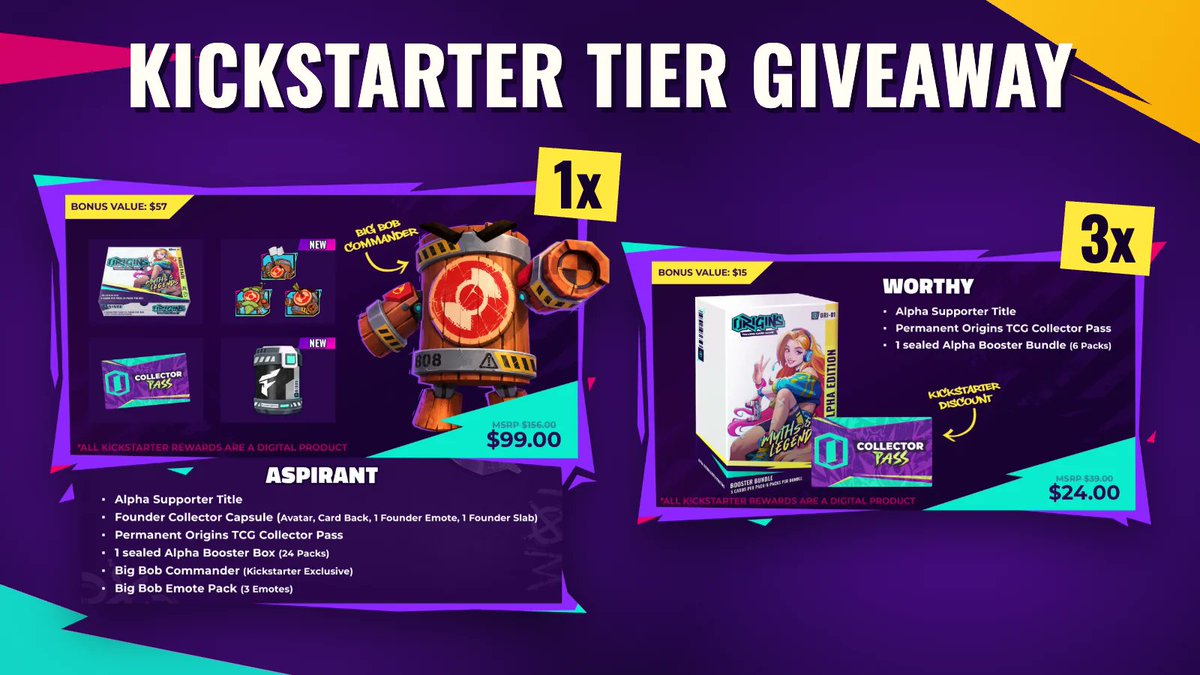
I've said this a bunch of times, but really... a huge update is coming to the community site today.
Minigames, Drafts, Leagues, Giveaways and a bunch more, let's go through them one by one, stick till the end for the giveaways.
“I’m not surprised that we’re starting to see major institutions choose Avalanche.”
On @MilkRoadDaily, @Bitwise’s Matt Hougan and Ryan Rasmussen explain why Avalanche fits what NYSE is building.
Privacy, security, customization, and compliance controls are essential for institutions.
Avalanche is the only network that has the flexibility to build what @NYSE needed.
@JohnNahas84 joined @Tyler_Did_It and @farokh to explain Avalanche’s focus on enabling institutions to launch their own network around their business requirements.
We have good, bad & great news:
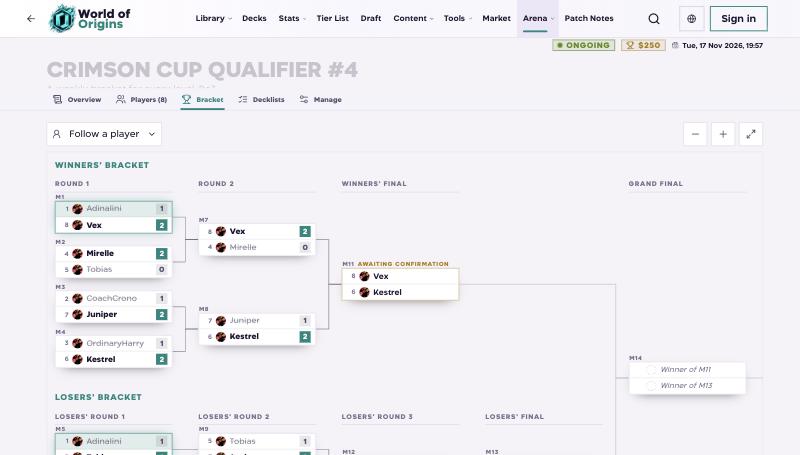
Good: The 1024 slots for our Harvest Bowl filled up in less than 24h
Bad: If you missed the announcement there are no spots left :(
Great: We're working on our own tournament hub that will allow us to host much bigger tournaments in the future
Creator Drops are coming to Origins!
Join our creator AMA in 2 hours to learn more about drops & the future of the creator program
To join our creator community and the AMA, check out the post below ↓↓↓
What is the Avalanche Foundation’s economic research framework, and why does it exist? 🔺
A sustainable ecosystem depends on three questions: how much value is created onchain, how the network can capture that value sustainably, and how it can be distributed to reinforce the network.
These questions need careful study and rigorous answers. That is the work of our research team, across tokenomics, validator economics, network security and protocol design.
Our Chief Investment Officer, Matias A. (@frostLedger), outlines how the framework works in practice.
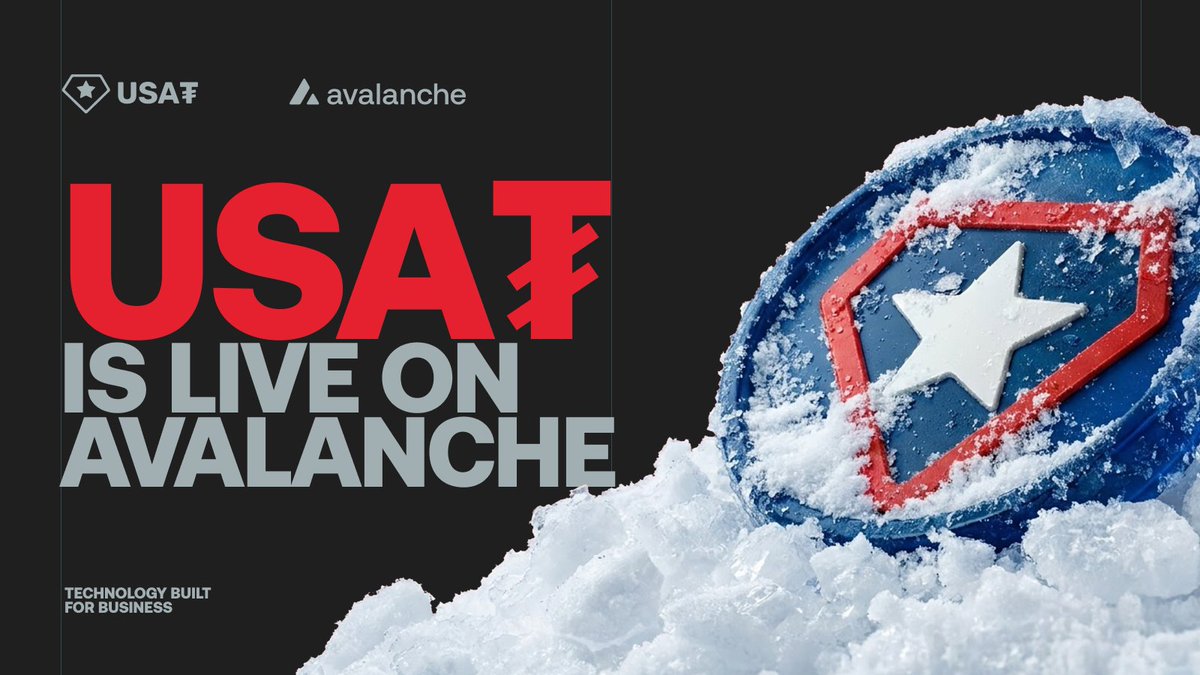
BREAKING: USA₮ is now live on Avalanche
Issued by @Anchorage Digital Bank and supported by @Tether, USA₮ is set to power dollar liquidity in Aave’s new RWA Hub, built on Avalanche.
The Hub will give institutions a new way to put tokenized assets to work: borrowing USA₮ against their holdings without selling them.
I've spent most of my life playing and making video games, and one thing that's always frustrated me as a player is feeling like the developers aren't listening.
You know the feeling. A controversial update drops, the community erupts, and... complete radio silence from the team.
Are they reading our feedback? Do they care? Does anyone there even play the game?!
When we started building @origins_tcg, I made a promise to myself that we'd be different.
Not that we'd always get everything right. God knows I've made enough mistakes in my career to know better than to promise that. 😅
But I knew we'd be present. That we'd listen. That we'd engage with our players rather than hide behind carefully worded announcements and hope the controversy blows over.
Our latest balance update has been a good reminder of why that commitment matters.
A lot of the changes in today's update were well received, but others generated some pretty strong criticism. And while we've been actively talking with players and creators behind the scenes, it's become clear that those conversations haven't always reached the broader community.
That's on us.
We've already had multiple meetings discussing the feedback, and we're working on making our balance process more transparent. Players deserve to understand the thinking behind our decisions and to know we're reading and paying attention to their feedback every day.
Here's a good example.
Players have been asking us to stop Spellbook from randomly generating Legendary cards. We heard that feedback weeks ago, agreed with it, and wanted to include the change in this update. Unfortunately, we couldn't get it through development and QA in time.
It's coming in the next update.
But here's the thing. We never told anyone that.
So from the community's perspective, it probably looked like we weren't listening at all. RIP. 🤦♂️
That's exactly the kind of disconnect we shouldn't have.
As for cards like Sandman and Glinda, we're watching them closely. Our data currently shows healthy win rates and play rates, which is why we haven't adjusted them yet. But they're at the very top of our watchlist. 👀
Data isn't everything. A card can be statistically balanced and still create a frustrating experience. We know that, and we're paying attention to how those cards actually feel to play against.
We're not going to agree with every piece of feedback, and not every popular suggestion will become a change. That's part of making games.
But you should never have to wonder whether we're listening.
I've always believed that the best games are built with their communities, not just for them.
And I want Origins to be a game where that isn't just something we say. It's something you experience.
So keep the feedback coming. The praise, the criticism, and yes, even the occasional pitchfork. 😉
As someone who's right there on the Grandmaster leaderboard with many of you, I have similar experiences and feedback that I share with the design team. And I genuinely appreciate everyone who cares enough to speak up.
Especially when it's not necessarily what we want to hear. ❤️🙏
Lots of new updates coming to the community site:
- Support for Tournaments and Leagues
- Market tab with Sale and Listing stats
- New patch
- Card engine revamped, custom cards now look EXACT copy of ingame cards
- Locations now show rarity
- You can use variants in decks