Bioacoustics 🔊can be utilised to further our understanding of nature whether it's @edwbaker offering insights into early insect acoustics and Ensiferan biology 🦗https://t.co/IyETngxmKW
or how human noise impacts habitats like the Thames
https://t.co/7IcmQ5N6E2
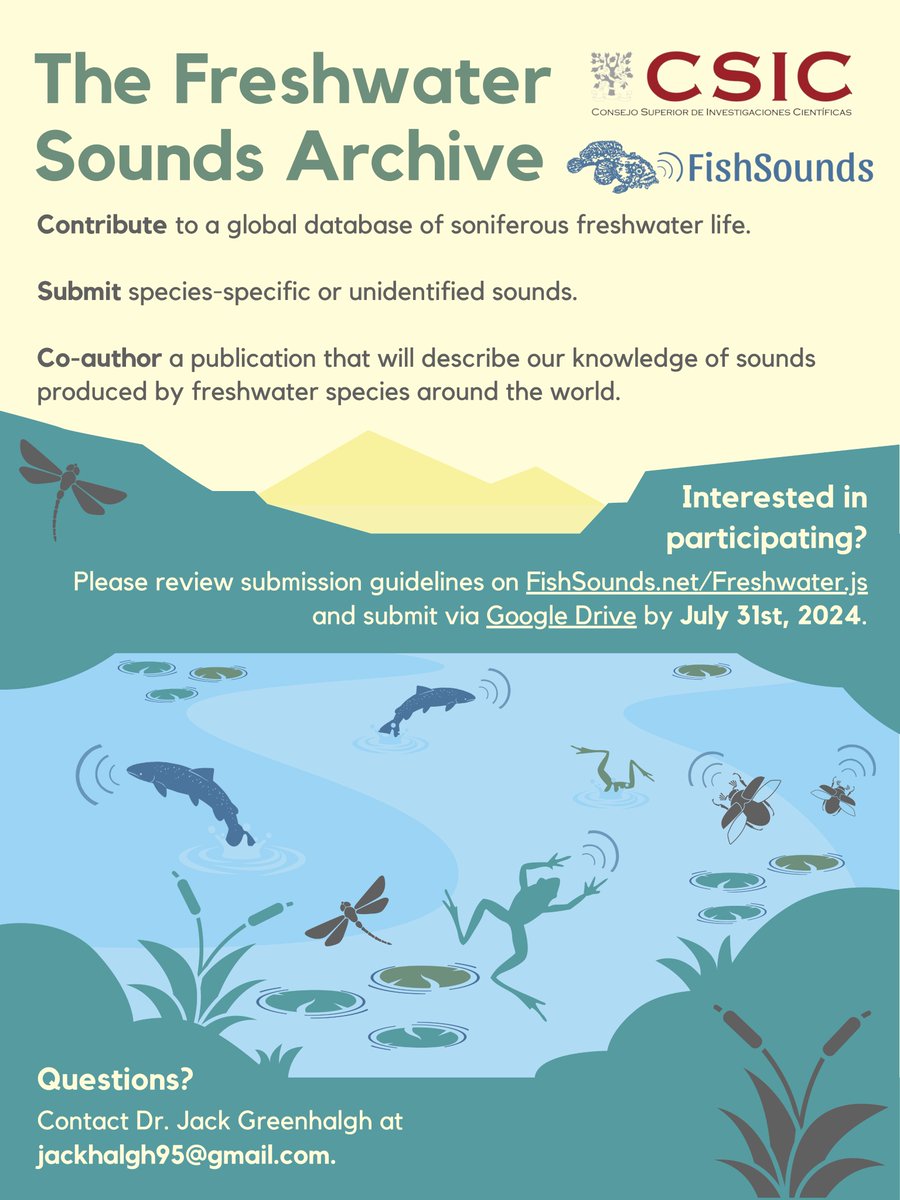
Introducing The Freshwater Sounds Archive, an initiative led by myself in collaboration with @fishsoundsweb!
Contribute to a global archive of soniferous freshwater life and receive recognition as a co-author in a resulting data paper. See link 👇4 more
https://t.co/QfAVAcoWZa
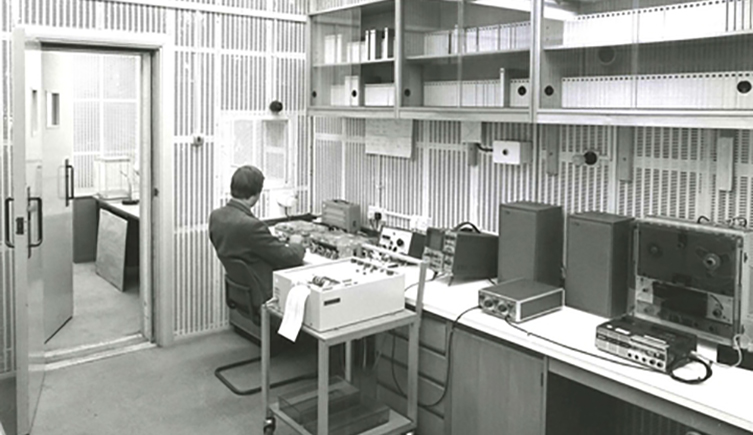
This deeply 70s recording studio at the Museum was used to record insect sounds. 🐝
We still look after the collection of sounds recorded, although the studio is long gone.
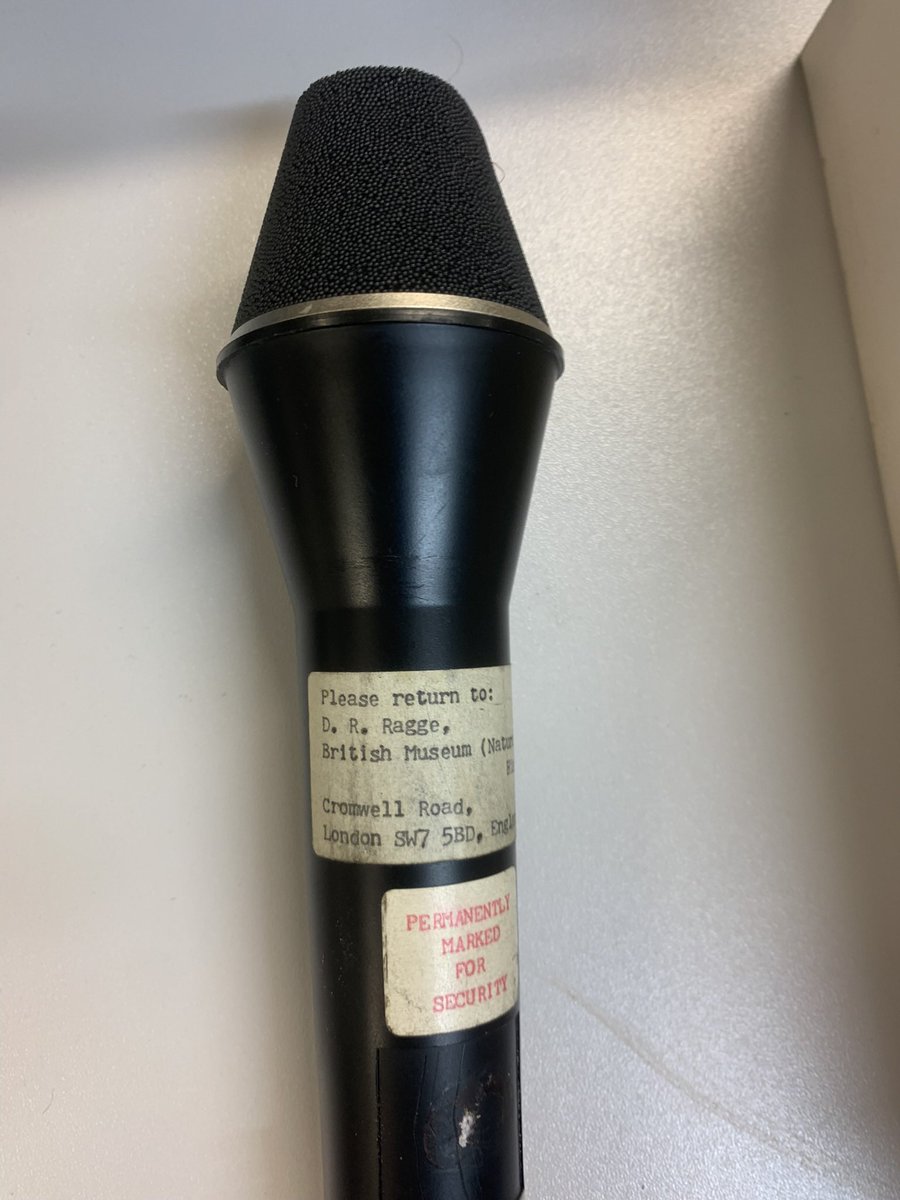
While testing some new power and ethernet connections for acoustic monitoring @NHM_London I came across some equipment from the old BM(NH) Acoustic Laboratory. Had the pleasure of naming a species first identified by a recording of its song after David Ragge a few years ago.
My PhD thesis is now available via @ResearchGate: https://t.co/6Suh3L61zK.
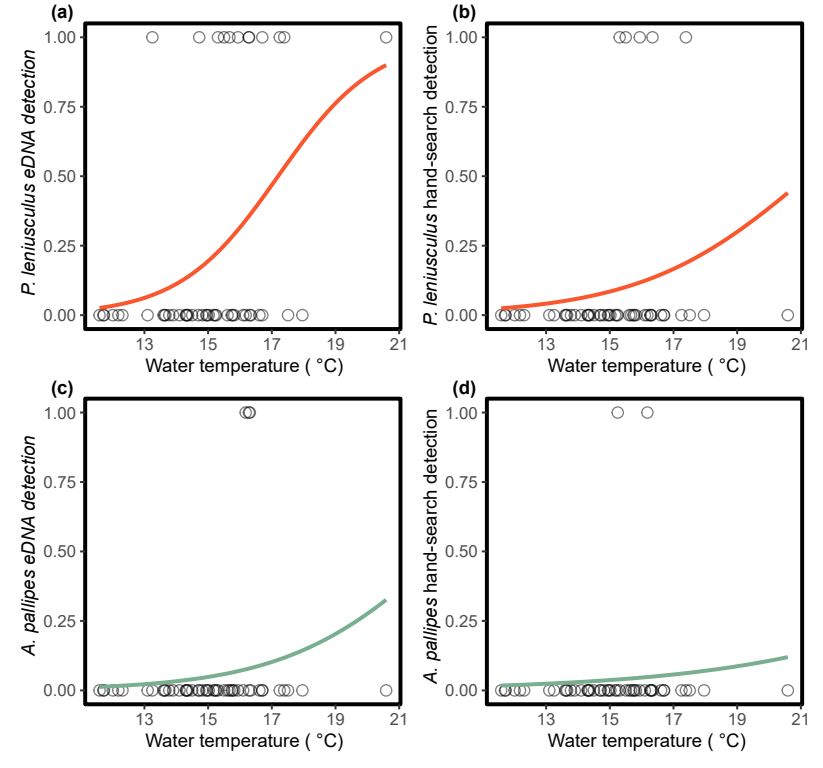
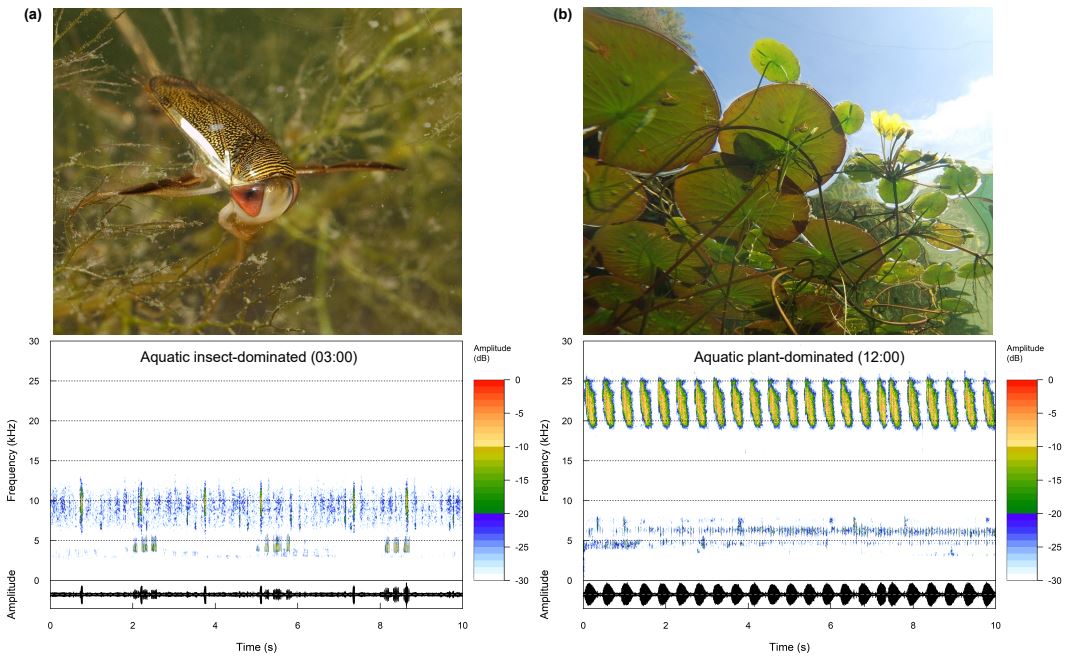
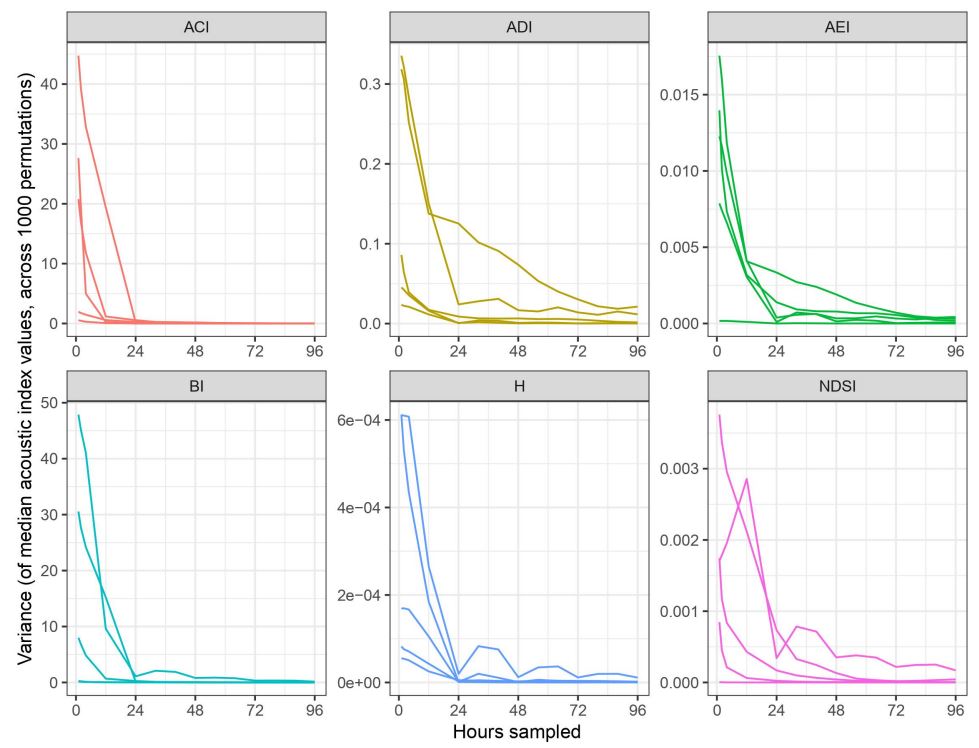
I used eDNA and ecoacoustics to:
🦞Detect invasive/endangered crayfish & identify rivers vulnerable to invasion.
🔊Describe pond soundscape ecology/phenology, & provide guidelines for survey design.
We’re hiring a funded PhD fellow in #MachineLearning and #Bioacoustics@AgderUniversity!
The fellow will work with acoustic data on 🐟 & 🐸 in the coastal zone @coastresnor & @CairEnglish in ☀️southern Norway!
Apply by Nov.14 👉 https://t.co/HbeRWflfWI
Please RT! DMs open 😊
Proposed changes to Audubon Core - note that one has possibility of setting wider precedent, and one may have implications for existing implementations.
“Out of intense complexities… individuals and indices” by Ed Baker
https://t.co/v9Oz62ATqE
Some thoughts on “observatory” bioacoustics, including fine-to-coarse continuum of scope, scale and speed