🚨New paper, now published in @Nature! Using pan-genetics across the Solanum genus🍅🥔🍆we reveal why gene duplications🧬are major contingencies in crop engineering. My postdoc work in the Lippman lab @CSHL, in collab. with @mike_schatz and many others! https://t.co/LTrLU5kpku
Centrophilic retrotransposon integration via CENH3 chromatin in Arabidopsis @Nature from Tetsuji Kakutani & colleagues - beautiful insights into control of transposon insertion into the centromeres
https://t.co/Dd2rPLrHrn
CSHL’s Rob Martienssen and colleagues discovered that plants have a backup plan when things go awry during the genetic inheritance process. https://t.co/1eiDxbfGty
Bumped back up to my feed and I was reminded how crazy it is that targeting specific TEs with small RNA rescued chromosome 5 segregation defects in the absence of DDM1 DNA methylation and endogenous small RNAs. Silencing backup is important to the program for sure.
This paper led by Dr. Atsushi Shimada is out @NaturePlants! Centromere function can be dependent on a few TEs, and in RNAi mutants, small RNAs targetting these TEs are enough to reestablish normal chromosome segregation! Crazy! https://t.co/8RTJ28FCHo
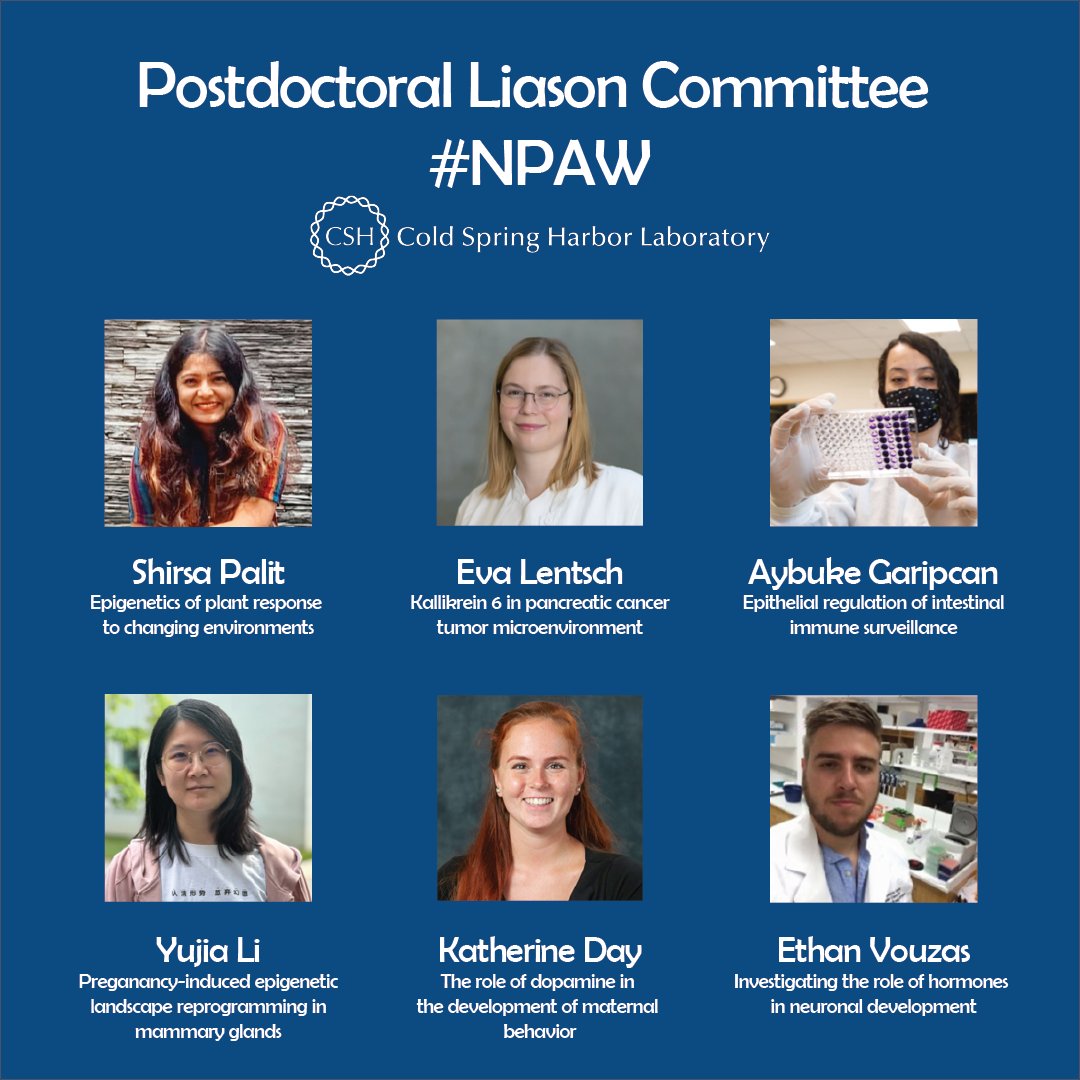
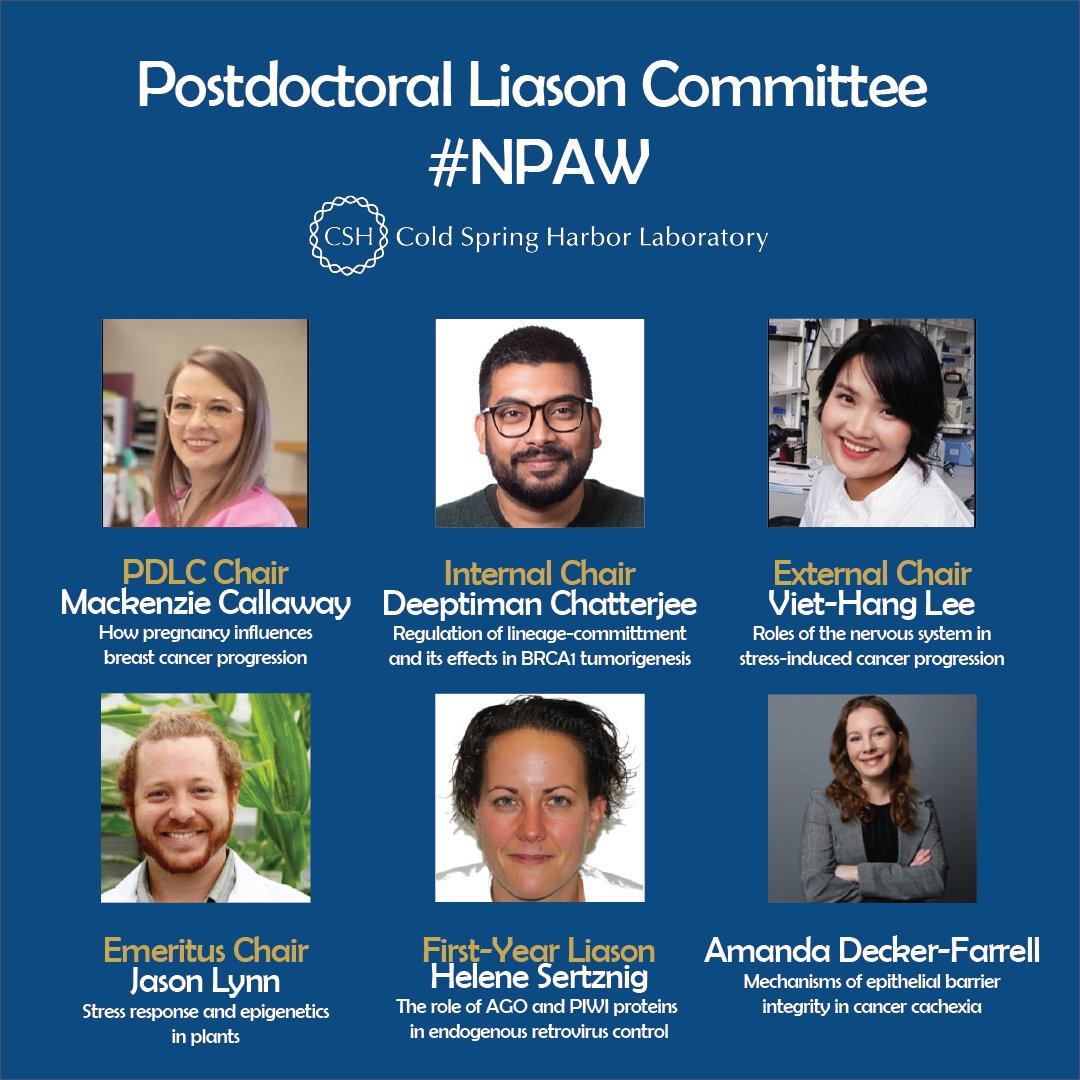
As National Postdoc Appreciation Week continues, we’d like to thank our Postdoctoral Liason Committee @pdlccshl1 for their gracious contributions to the CSHL postdoc community! This is the team and their areas of study. 🧵(1/3) #NPAW2024
This was a really fun project to be a part of! Here is a fascinating example of how centromeric transposons and RNAi are integral to germline stability, helping us to understand how TE diversity and RNAi dosage can influence (epi)genetic diversity. https://t.co/fd2HUn1Fpy
This paper led by Dr. Atsushi Shimada is out @NaturePlants! Centromere function can be dependent on a few TEs, and in RNAi mutants, small RNAs targetting these TEs are enough to reestablish normal chromosome segregation! Crazy! https://t.co/8RTJ28FCHo
This was a really fun project to be a part of! Here is a fascinating example of how centromeric transposons and RNAi are integral to germline stability, helping us to understand how TE diversity and RNAi dosage can influence (epi)genetic diversity. https://t.co/fd2HUn17A0
This paper led by Dr. Atsushi Shimada is out @NaturePlants! Centromere function can be dependent on a few TEs, and in RNAi mutants, small RNAs targetting these TEs are enough to reestablish normal chromosome segregation! Crazy! https://t.co/8RTJ28FCHo
So great to see this paper out in @Nature. Beautiful molecular characterization of a new toxin-antidote drive system in maize, led by Ben berube, with assistance from Martienssen lab @antnerves @CrisAlves_bio @BioJlynn and collaborators @arminscheben@jrossibarra Jerry Kermicle
Why was corn able to spread and adapt so rapidly across the Americas 4,000 years ago? Research from CSHL’s Rob Martienssen suggests that the answer may lie in a genetic system called Teosinte Pollen Drive. https://t.co/iC5ZB6e47Y
How do TFs recruit the transcriptional machinery? This critical cellular function is incompletely understood. Led by postdoc Nick Morffy, we experimentally identify Arabidopsis ADs at scale and use this immense dataset to create an AD predictor, TADA.
https://t.co/RpzbyhmRv6
The Madzima Lab at Michigan State University is hiring a Postdoctoral Research Associate!
Details - Research Associate-Fixed Term https://t.co/ckKnDV7RYV
Reminder to join us for the virtual MGC Career Development Workshop today at 11:00 EST! See the previous tweet for registration information. Looking forward to seeing everyone there!
Come check out our Career Development Workshop featuring four amazing members of the Maize Genetics community! Huge thanks to @Thumaize, @Manwinder_97 and the @CoopMaize Membership Committee for putting this together for the third iteration. Register here: https://t.co/8HsxiC9c05
Please share! We are looking for an experienced scientist to join our team @CSHL! This exciting project is in collaboration with a leading US-based venture capital firm and biotech company. Apply here: https://t.co/VXFW696JVA