Biologics Prescribers Collaborative represents physicians aiming to ensure sound biologic/biosimilar policies, while promoting patient health and safety.
With the cost of health care increasing in recent decades, pharmacy benefit managers, or PBMs, have become an increasingly prominent player in how patients access #biologic drugs and other medications.
Read more from Madelaine Feldman, MD, FACR: https://t.co/eJaZGZxXfL
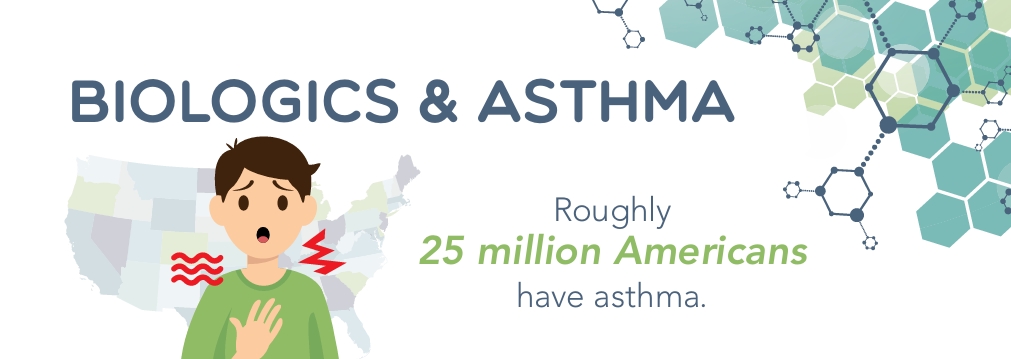
Biologics have been shown to be effective in treating patients with severe asthma by:
❇️ Decreasing the frequency of hospitalization
❇️ Reducing symptoms and the need for other controller medication
❇️ Improving lung function
Learn more: https://t.co/mvLRNwdvov
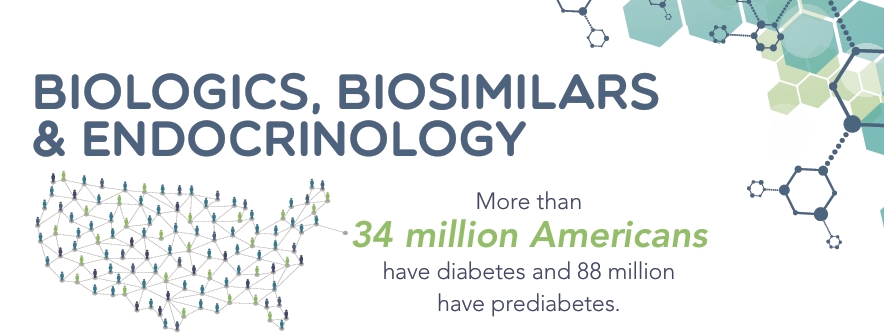
DYK? 77% of surveyed endocrinologists expect to prescribe biosimilars more in coming years.
Learn more about the use of biological medicines in endocrinology and diabetes treatment: https://t.co/rSMO3AcGAV
More than 200 million Americans have a neurological disorder.
Biologics and biosimilars are both FDA-approved biological medications that offer innovative treatment options for many neurological conditions.
Learn more: https://t.co/aMHaREtnUL
#DYK? The Biologics Price Competition and Innovation Act of 2009 provided a roadmap for how biosimilar drugs can be approved and become available to patients fighting cancer, arthritis, skin conditions and other diseases.
Learn more: https://t.co/NletXB4pv4
Patients should not lose access to their treatments because of an unintended consequence of Medicare Drug Price Negotiation Program.
Learn how policymakers can help: https://t.co/cULVh8UHCB
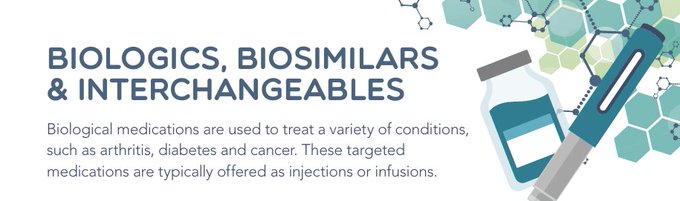
Biologics have transformed treatment for conditions like cancer and autoimmune disease, but access is often limited.
Learn more: https://t.co/nX49NZqxEh
Biologic medicines are used to treat serious and complex health conditions. But access to these treatments is not uniform. Whether a given patient can get a biologic often depends on how his or her insurance plan is designed.
Learn more: https://t.co/2HjO8nHnFS
Nearly a decade after the first U.S. biosimilar approval, meaningful strides have been made to expand the biosimilar market. But, there is still work to do for biosimilars to reach their full potential.
Learn more: https://t.co/5eeZm5B6Oh
For some patients, a self-administered biologic is the right option. But access to these treatments can be riddled with roadblocks.
Learn more: https://t.co/fmNXpD4Bmu
Biologics, biosimilars and interchangeables can offer patients with skin conditions a variety of treatment options.
Learn more: https://t.co/eUTG8EJyfO
#DYK? Medicare administrative contractors play a major role in determining the care that patients receive. They must be open and transparent, follow FDA approval guidelines, and accept patient and provider input.
Learn more: https://t.co/OQpa79iGCr
Sanjay Juneja, MD, Kathy Oubre and Claire Saxton give their perspectives on the connection between biologics, biosimilars and cancer care.
Read more: https://t.co/1ujeFHvboI
Patients should not lose access to their treatments because of an unintended consequence of the Medicare Drug Price Negotiation Program.
Learn more: https://t.co/cULVh8UHCB
#Biologic drugs, including #biosimilars, are increasing the number of effective treatments for #RheumaticDiseases.
Read more from Karen McKerihan, MSN, NP-C: https://t.co/BVa9dikpEi
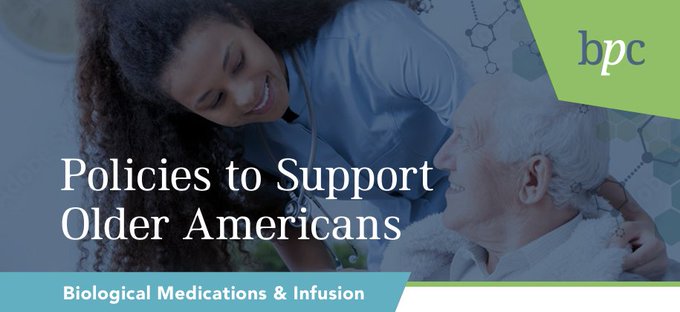
There are several barriers that make it difficult for older patients to access biological medications such as:
🔹 Hesitancy
🔹 Access to infusion centers
🔹 Transportation
🔹 Education
🔹 Insurance coverage
Learn more: https://t.co/GeidTTfXp8
With education and policies that keep physicians and patients in charge of treatment decisions, patients can find the biologic medicine that works for their disease – and their life.
Learn more: https://t.co/TDaii6S5fh
Medical innovations such as biologics are revolutionizing the treatment of complex conditions, bringing new hope and possibilities to patients.
Read more in @patientaccess' Fast Facts: https://t.co/L2BbkKxQ9F