Today, we are pleased to announce that the first participant has been dosed in QUELL-CV, our Phase 2 proof-of-concept trial of BGE-102, BioAge's oral, once-daily, brain-penetrant NLRP3 inhibitor, in patients at elevated cardiovascular risk.
Inflammation is now recognized as a driver of cardiovascular events on par with elevated LDL cholesterol — yet, unlike cholesterol, it remains largely undertreated. A key driver of age-related chronic inflammation is the NLRP3 inflammasome, an immune sensor that sits upstream of the signals like hsCRP, IL-6, and IL-1β that are associated with inflammatory cardiovascular risk. By inhibiting NLRP3, BGE-102 is designed to turn that inflammation down at its source.
The trial in brief:
- Randomized, double-blind, placebo-controlled
- Participants: ~160 adults with obesity, elevated systemic inflammation, and at least one additional cardiovascular risk factor
- Three once-daily oral dose levels of BGE-102 vs. placebo, over 12 weeks
- Primary endpoint: percent change in hsCRP
- Topline data anticipated in the second half of 2026
QUELL-CV builds directly on our Phase 1 results, in which BGE-102 achieved median hsCRP reductions of 86% on a well-tolerated, once-daily oral dose — a profile that is potentially best-in-class. With a second proof-of-concept study in diabetic macular edema planned to start mid-2026, we're working to demonstrate the broad potential of this drug.
Read the release: https://t.co/BX1vYVLg23
Thanks to our partners at @DeepOriginBio for helping turn a novel target from our human aging data into promising chemical matter in just months. With the initial hits now validated in the lab, we're moving into hit-to-lead optimization. We look forward to expanding our collaboration to additional targets!
https://t.co/LVzvaLE0ts
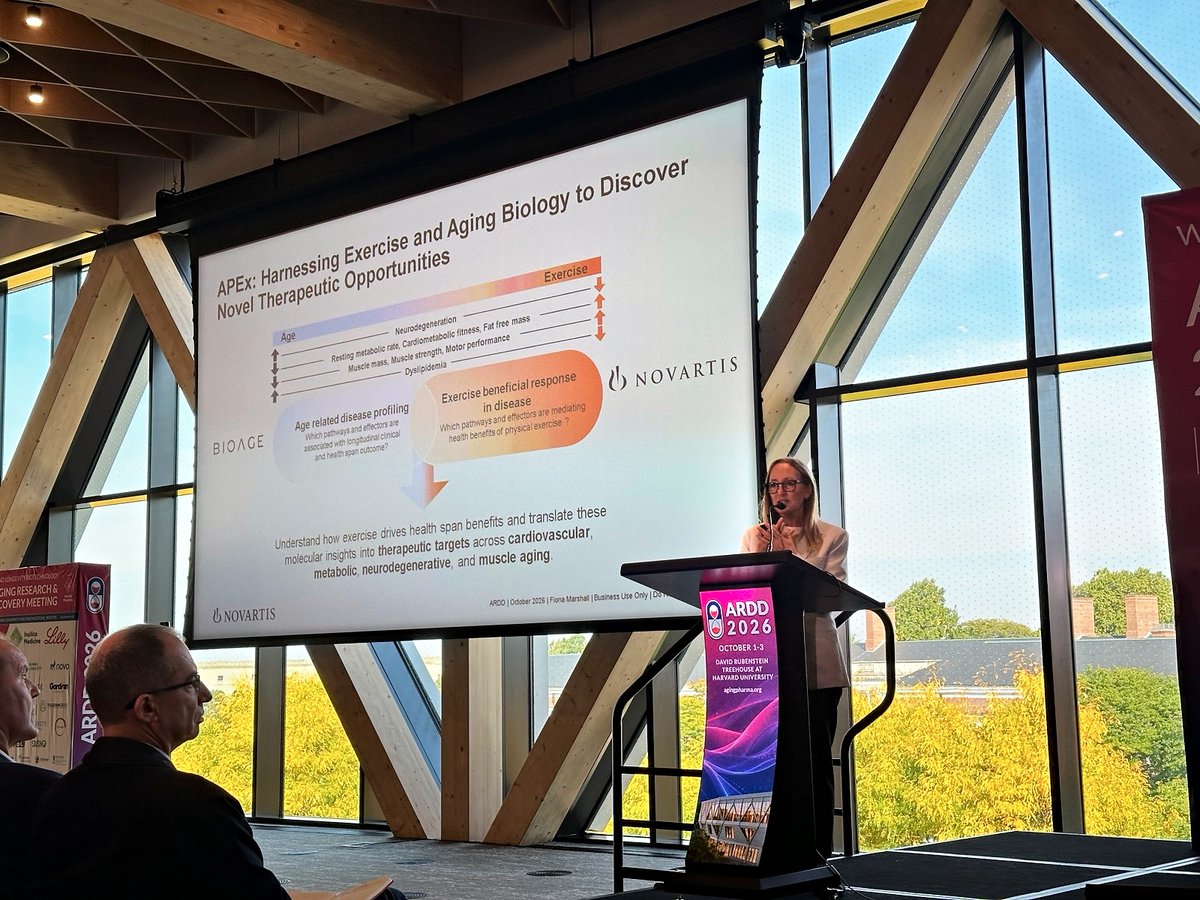
"In less than ten years, hopefully, we could be seeing drugs that have actually come out of this causal biology, at the interface of aging and existing diseases." — @FionaHMarshall, President of Biomedical Research at @Novartis, in her keynote at the 2026 @ARDD_Meeting, covered in @LongevityTech.
The piece also highlights BioAge’s collaboration with Novartis, which pairs our longitudinal, multi-omic human data with Novartis' exercise biology expertise. The goal: to find novel targets that decline with aging and are increased by exercise, which Fiona calls "profoundly beneficial as an antiaging mechanism."
A few ideas from the article that stand out:
• Aging is "probably the most important cause" of disease, and large human datasets have made that link mainstream science.
• Not everyone ages the same way. Some people's aging may be driven more by inflammation, others' by metabolism or declining DNA repair. Stratifying people by "aging endotypes" could match them to the right therapies.
• Regenerative drugs may be cheaper to develop than drugs that slow decline: "It's easier to measure an improvement than a reduction in a decline."
• A clear regulatory roadmap would bring pharma in, but it has to be achievable. 100,000-person trials with survival endpoints aren't practical; composite endpoints that combine validated biomarkers with AI-enabled imaging of muscle, bone, heart, and brain could be.
Read the full piece: https://t.co/xSYojFyHsy
Thanks to Phil Newman for the thoughtful reporting!
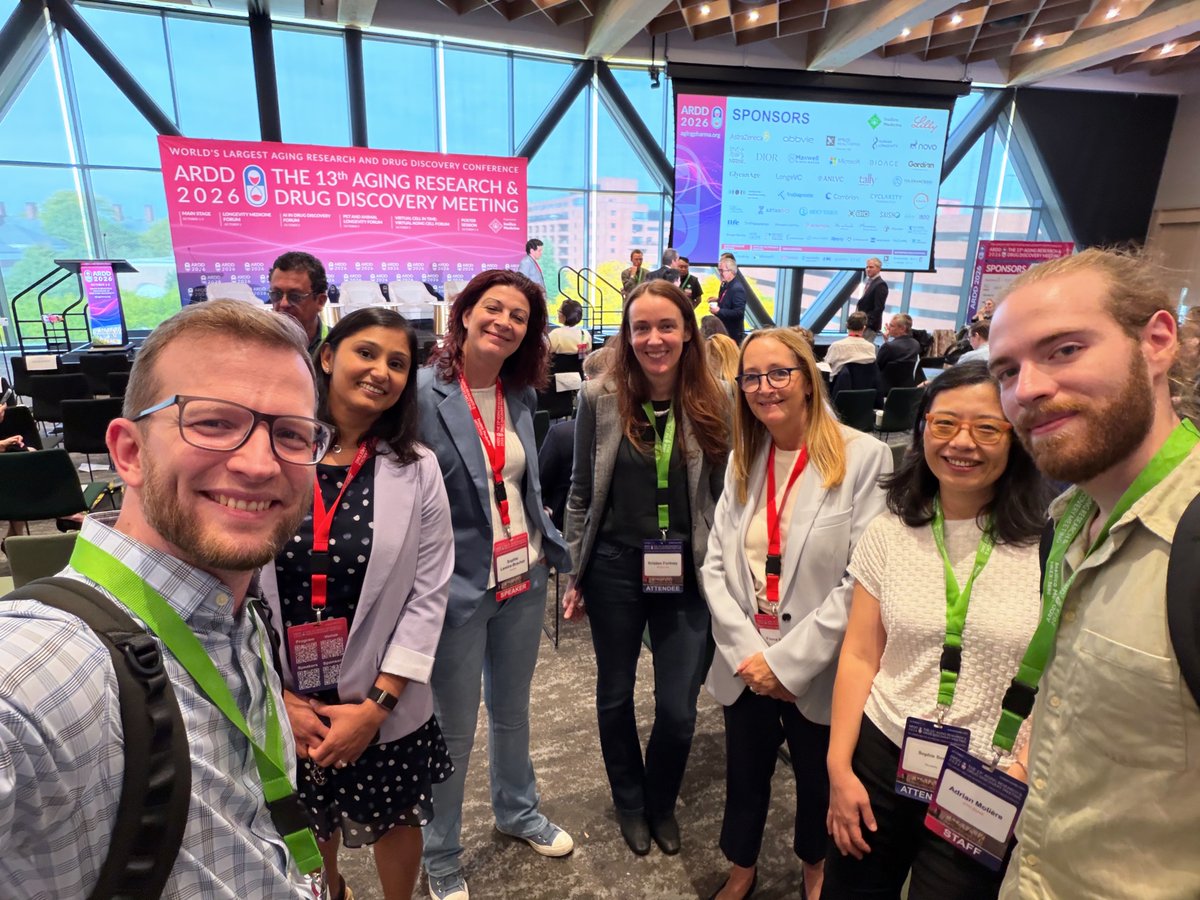
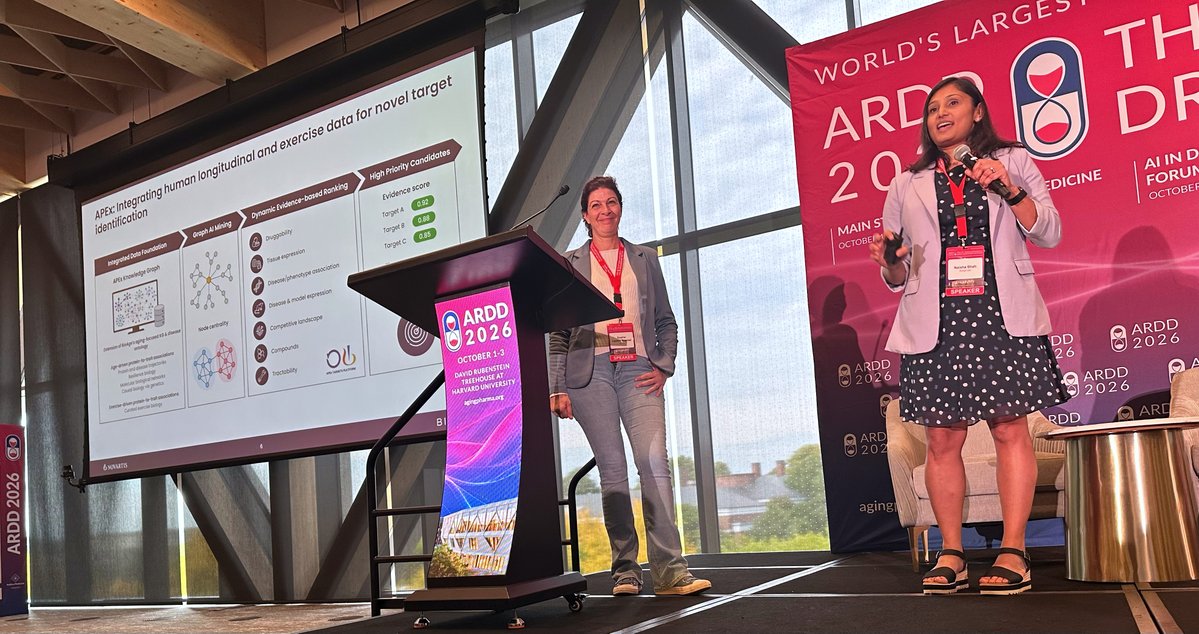
Last week at the 2026 @ARDD_meeting, BioAge and Novartis shared the first results from Project APEx, our target discovery collaboration on exercise and aging — including disease signals that appear in the blood decades before diagnosis, and an example of a promising drug target already emerging from the work.
BioAge's Naisha Shah (SVP, Data Science) and Novartis' Sophie Lemire-Brachat (Executive Director, Translational and Data Science) presented the work. APEx (Aging and Physical Exercise) combines BioAge's discovery platform, built on serial molecular profiles collected over decades alongside diverse measures of healthspan, with Novartis' extensive exercise physiology data. Highlights of the talk:
• Molecular signs of heart failure in the blood nearly two decades before diagnosis, pointing to new ways to intervene earlier
• Distinct protein signatures of resistance and resilience to Alzheimer's disease in people who stay healthy despite high risk
• Proteins that separate people who preserve their fitness over a decade from those who decline
• A new target identified by the partnership, with evidence spanning cardiac, metabolic, muscle, and fitness traits
Fiona H. Marshall, President of Biomedical Research at Novartis, gave us a perfect lead-in with her keynote that morning: treat aging as a system, learn from the people who stay healthy, and find targets in longitudinal human data at scale. That's what APEx is built to do.
Congratulations to Sophie, Naisha, and the teams at both companies (and our collaborators at Age Labs AS)—and many thanks to the ARDD organizers for the opportunity to share these early findings!
Chronic inflammation is one of the hallmarks of aging — but to turn a hallmark into a medicine, we must first identify which molecules matter in people. Today at "Cell Press Symposia: Hallmarks of Aging" in Seville, BioAge SVP-Research Rusty Montgomery, PhD, will share how we do that.
He’ll begin with our discovery platform, built on human cohorts followed for more than 50 years, and the partnerships it supports: a target discovery collaboration with Novartis at the intersection of exercise and healthy aging, and an antibody discovery collaboration with Lilly.
Our platform identified NLRP3, an innate immune sensor whose chronic activation drives inflammation across many diseases, as a promising target for multiple indications. BGE-102, our investigational NLRP3 inhibitor, is now in two Phase 2 trials: QUELL-CV, in people with obesity and elevated inflammation, and QUELL-DME, in diabetic macular edema — from a hallmark of aging to a molecule to a therapeutic candidate, now being tested in the clinic.
Program: https://t.co/2tzynB0dKk
At BioAge, we believe in the power of longevity data to reveal new therapeutic targets — and we want to help geroscience researchers everywhere get more out of the science that's already been done in our field. Here's one example:
The mouse lifespan literature is vast and full of scientific treasure, but much of its value is locked away in individual figures and methods sections. In her talk at @ARDD_meeting today, BioAge's Senior Director of Data Analytics Kia Winslow introduces BioLens, an LLM-enabled database built to unlock that value. Using AI-powered approaches, Kia and team screened the literature to extract structured data from more than a thousand key papers.
BioLens lets researchers ask field-wide questions: which interventions have been tested, how those studies were designed, and how results compare across mouse strains and sexes.
We'll be making BioLens freely available to the research community, one way we're putting frontier AI to work for the longevity field as a whole: https://t.co/qzoPhbq3AM
Many thanks to our collaborators @UriAlonWeizmann and Tomer Levy from @WeizmannScience!
BioAge is a proud sponsor of ARDD 2026, running October 1–3 at Harvard University. Learn more: https://t.co/UtcM0zl0dI
Geographic atrophy (GA), the advanced form of dry age-related macular degeneration, causes irreversible loss of central vision. Approved treatments require eye injections every month or two, and only modestly slow progression.
Today at the 2026 @EURETINA conference in Vienna, BioAge scientist Aiden Eblimit, PhD, will present a talk about a novel approach to treating GA in a model system: inhibition of the NLRP3 inflammasome.
In mice carrying the human NLRP3 gene, oral dosing with an analog of BGE-102, our clinical-stage NLRP3 inhibitor, dramatically reduced retinal lesion volume and largely preserved the structure of the retinal pigment epithelium, the cell layer that GA destroys.
These preclinical data support oral NLRP3 inhibition as a potential approach to GA, adding to our work in retinal disease alongside the ongoing QUELL-DME Phase 2 trial of BGE-102 in diabetic macular edema.
No intervention has a stronger track record for healthy aging than exercise — but which molecular pathways carry that benefit, and which of them can we turn into medicines? BioAge and Novartis are partnering to find out, with a shared goal: new drugs for diseases of aging, aimed at novel targets.
Today at @ARDD_meeting, Naisha Shah, PhD, BioAge SVP of Data Science, and Sophie Lemire-Brachat, Executive Director for Diseases of Aging and Regenerative Medicine (DARe) at Novartis, will share progress from the collaboration in a joint talk: "APEx (Aging and Physical Exercise): A Human Longitudinal Engine for Novel Target Discovery."
Each partner brings complementary strengths: BioAge contributes our longitudinal human aging cohorts and the target discovery platform we've built on those data, and Novartis provides deep expertise in exercise biology, including detailed proteomic maps of how the human body responds to training.
Together, we're identifying the exercise-activated pathways that also track with cardiometabolic health, physical function, cognition, and longevity over decades, and prioritizing the most promising as drug targets. Both companies will take targets discovered through the collaboration forward into drug development.
We're grateful to share the stage with our Novartis colleagues and to show what this partnership has produced so far.
About the collaboration: https://t.co/yjidoe2jLb
BioAge is a proud sponsor of ARDD 2026, running October 1–3 at Harvard University. Learn more: https://t.co/UtcM0zl0dI
Every fall, the longevity biotech and geroscience communities from around the world converge on one conference: Aging Research & Drug Discovery. For its 13th edition, it crosses the Atlantic for the first time, migrating from Denmark to the academic and biopharma hub of Boston.
@ARDD_Meeting 2026 opens today at Harvard, and BioAge is back as a proud sponsor.
Part scientific meeting, part annual pilgrimage, ARDD is where academic labs, pharma R&D teams, AI drug hunters, investors, and founders spend three days comparing notes on how to turn aging biology into medicines. No other event pulls the global field together quite like it, and it's one of the weeks on the calendar that our team looks forward to most.
If you’re joining the fun this year, we’ll see you in Copenhagen West!
Program and details: https://t.co/UtcM0zl0dI
Consider two 80-year-olds. One travels, walks miles a day, and stays socially active. The other struggles with mobility and has grown increasingly frail. Why did they age so differently? And within 20 years, will we have a medicine that changes that?
That was the question put to the panel "Longevity | Toward a Model of Age, Aging & Therapeutic Rejuvenation" by moderator Adele Gulfo, President & CEO of Biopharma Strategies & Insights and a former Pfizer and Sumitomo Pharma executive, at last week's World Medical Innovation Forum in Boston. Joining BioAge CEO @kpfortney on the panel were:
• David Scadden, MD, a Harvard stem cell biologist, co-founder of the Harvard Stem Cell Institute, and professor at Mass General Brigham's Krantz Family Center for Cancer Research
• Elisabeth Roider, MD, PhD, MBA, MD, PhD, a dermatologist at Mass General Brigham's Cutaneous Biology Research Center and longevity venture builder
• Raj Panjabi, MD, Senior Partner at Flagship Pioneering and former White House senior director on the National Security Council
A few threads from the conversation:
• What is the MACE of longevity? LDL gave cardiology a measurable endpoint that unlocked a generation of medicines. Aging has no equivalent yet. (BioAge's approach: start with human longevity data to find targets, then develop medicines for specific age-related diseases through existing regulatory pathways. That's the path for BGE-102, our novel NLRP3 inhibitor, now in two Phase 2 trials.)
• Can medicine move upstream? Preemptive health means protecting and maintaining health before disease takes hold. Continuous monitoring and wearables could give people the data, and the agency, to act earlier.
• The wide-ranging discussion also spanned the thymus as one of the fastest-aging organs in the body, skin aging, and what it takes to build companies in longevity.
Thank you to Adele for a thoughtfully prepared conversation; to Mass General Brigham and Bank of America for hosting; and to David, Elisabeth, and Raj for their insights!
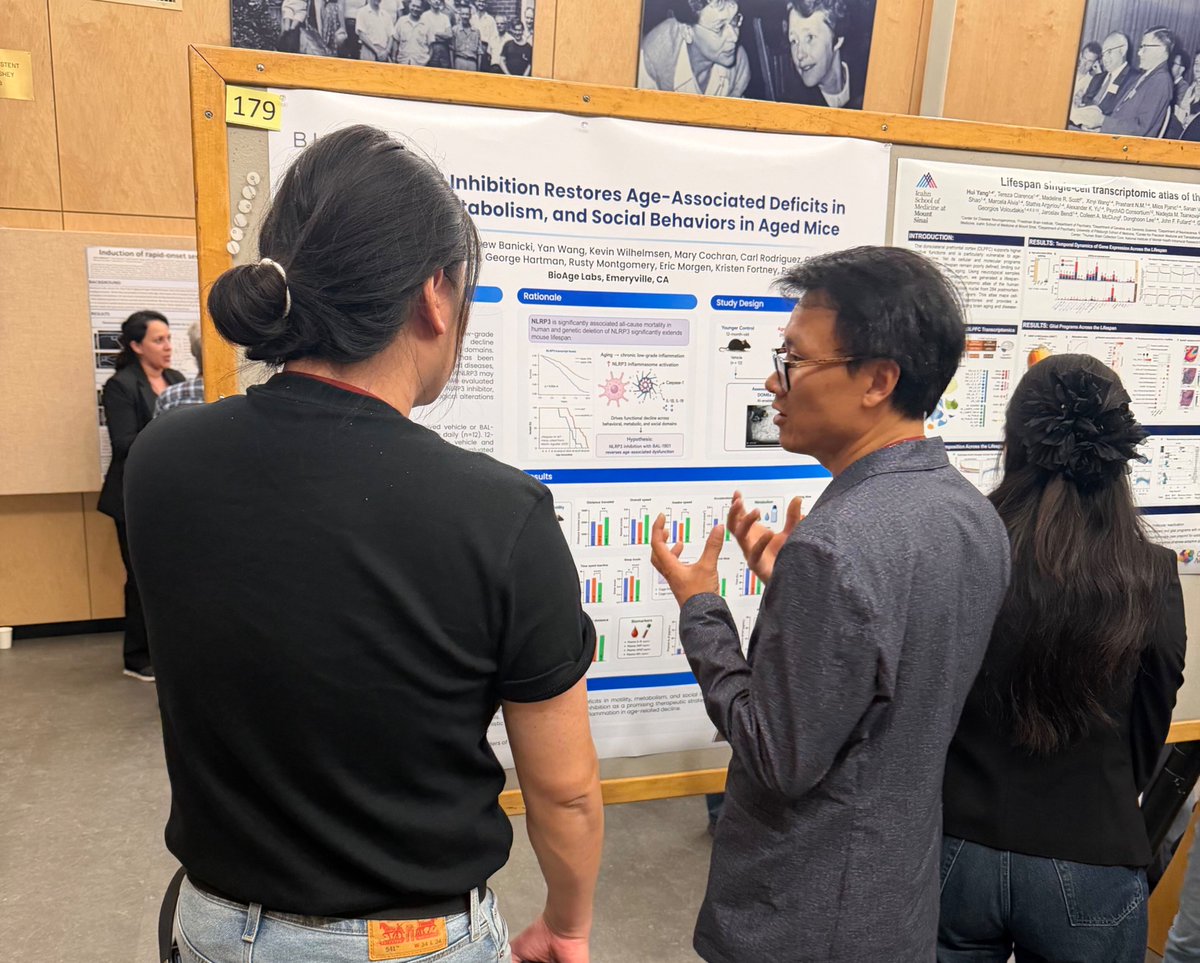
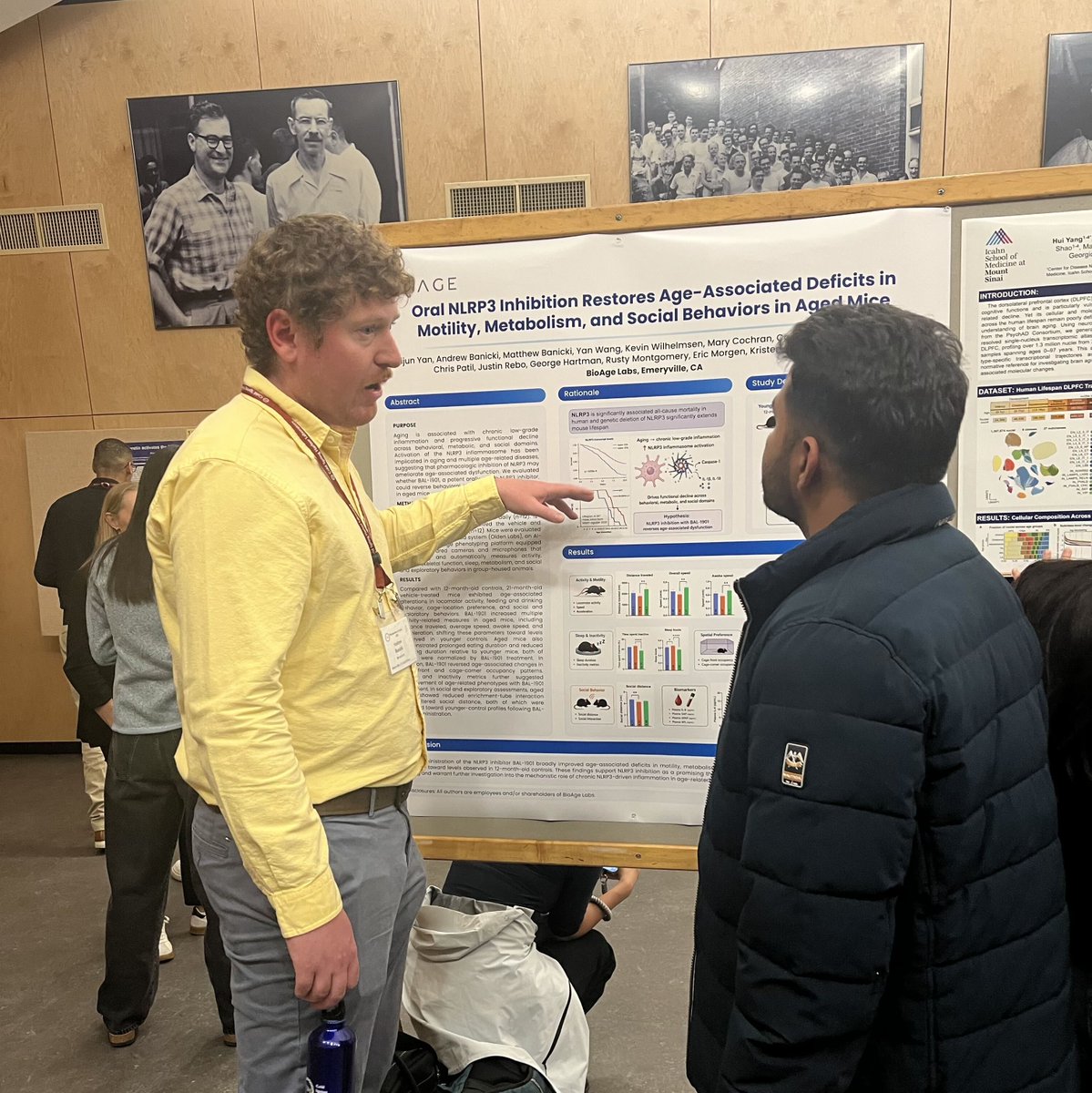
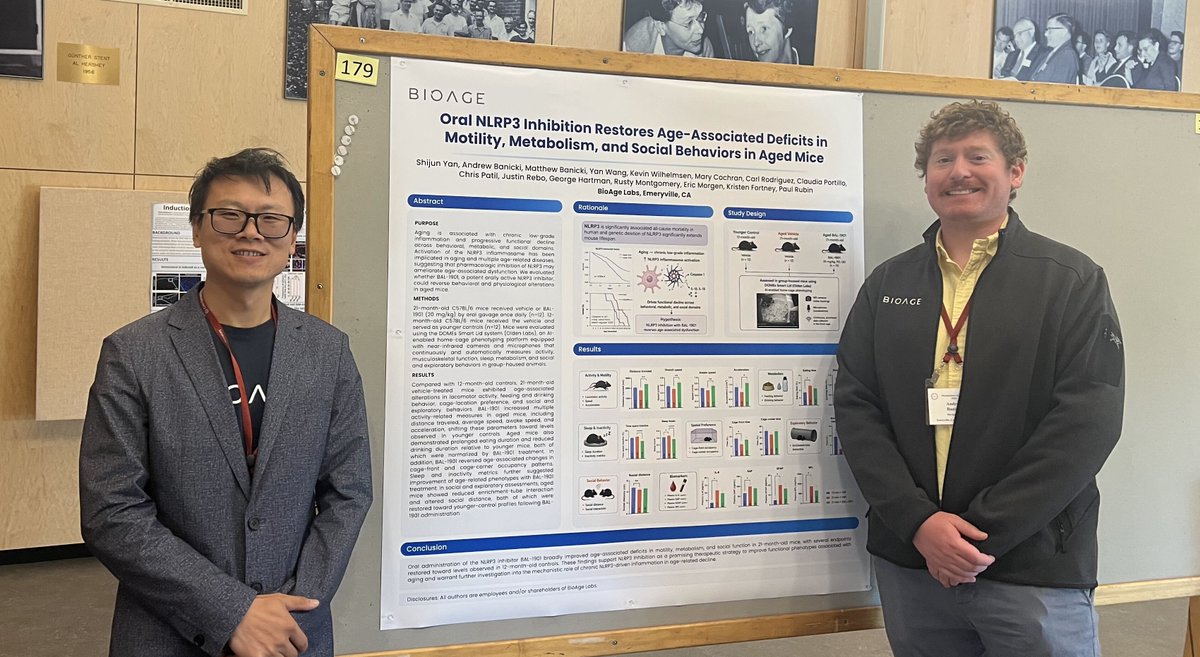
At @CSHL's Mechanisms of Aging meeting, BioAge scientists Shijun Yan, PhD, MBA and Andrew Banicki presented their poster, "Oral NLRP3 Inhibition Restores Age-Associated Deficits in Motility, Metabolism, and Social Behaviors in Aged Mice."
NLRP3 is a key driver of age-related inflammation, and BioAge's discovery platform found that NLRP3 activity is significantly associated with all-cause mortality in humans. In old mice, once-daily oral treatment with a BGE-102 analog significantly increased activity and reduced time spent inactive, bringing these measures to the level of younger animals or beyond.
These preclinical findings support NLRP3 as a potential target for age-related functional decline. BGE-102, BioAge's investigational oral, brain-penetrant NLRP3 inhibitor, is now in Phase 2 trials for cardiovascular risk and diabetic macular edema.
@SofinnovaUS Conversations🧬
What can the biology of human aging teach us about developing new medicines?
We sat down with Kristen Fortney, Ph.D., CEO and Co-Founder of @bioagelabs, to discuss how the company is targeting the biology of human aging to develop new medicines for metabolic diseases.
Watch the conversation below. 👇
#SofinnovaConversations #BioAge #Biotech #Longevity
A piece in @LongevityTech covers QUELL-DME, BioAge’s recently initiated Phase 2 trial of our NLRP3 inhibitor BGE-102 in diabetic macular edema, a vision-threatening condition that affects about one million Americans.
We identified NLRP3 as a target from deep analysis of human aging cohorts, which revealed that reduced activity of the NLRP3 inflammasome is associated with greater longevity. NLRP3-driven inflammation is a central feature of diseases that affect diverse organs, including the cardiovascular system, brain, and eye.
Because DME develops within the context of diabetes, systemic NLRP3 inhibition has the potential to benefit patients both by reducing localized retinal inflammation and by ameliorating the underlying systemic disease.
Read the piece:
https://t.co/OjG1tTC4TN
Thanks to reporter Kyle Umipig for the thoughtful coverage!
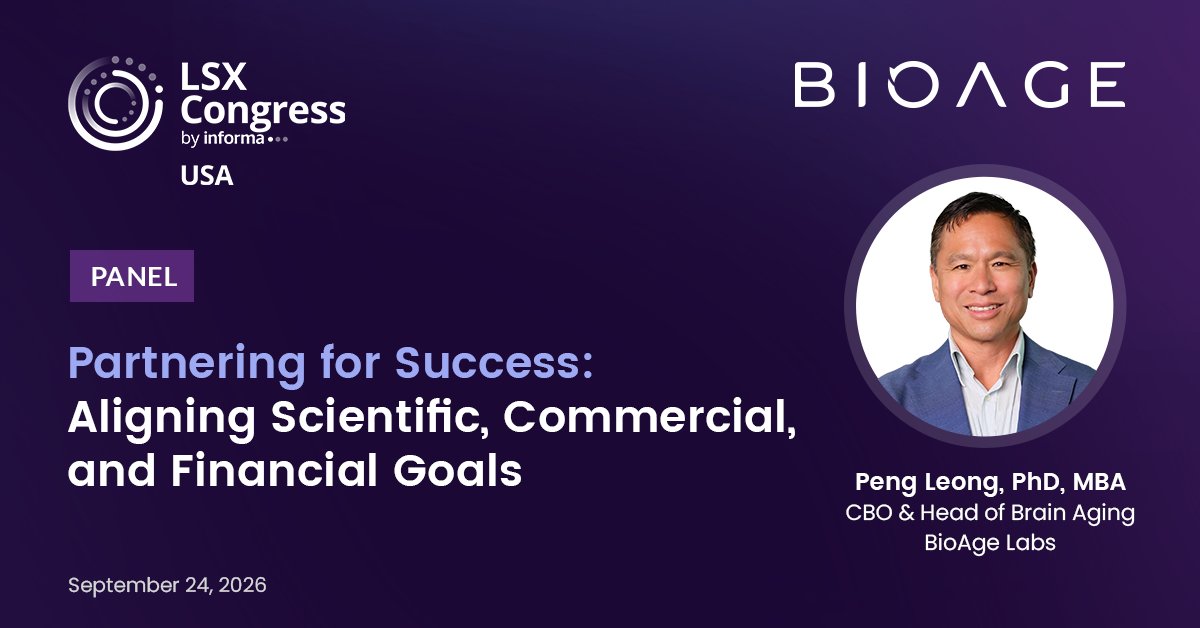
At LSX Congress USA in Boston next week, BioAge CBO & Head of Brain Aging Peng Leong will join the panel "Partnering for Success: Aligning Scientific, Commercial, and Financial Goals."
The panel will cover how to align scientific innovation with commercial and financial objectives, build partnerships that balance risk, reward, and long-term value, and structure collaborations that deliver for every stakeholder.
Joining Peng on stage will be Armin Rump (Otsuka Pharmaceutical), Jukka Muhonen (OBI Pharma), Navin Swaroop (Merck KGaA), and Anu Daniel (Sanofi).
Thursday, September 24
10:50–11:30 AM
Looking forward to a great discussion!
Agenda: https://t.co/nM459bJiof
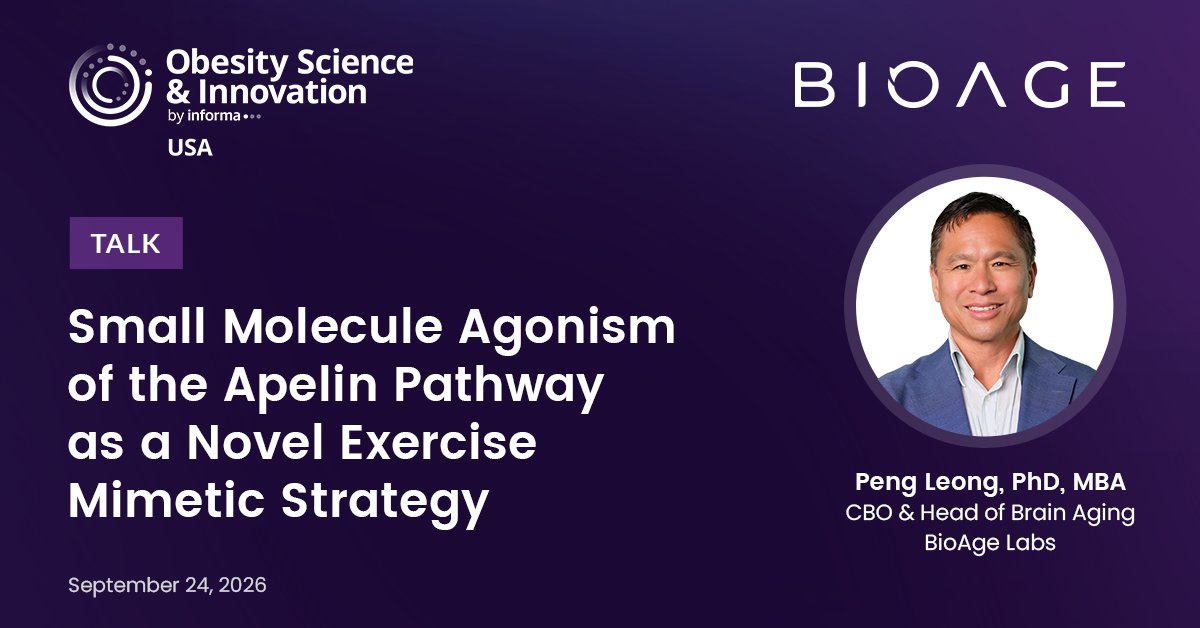
At Obesity Science & Innovation USA, part of Biotech Week Boston, BioAge CBO Peng Leong will present "Small Molecule Agonism of the Apelin Pathway as a Novel Exercise Mimetic Strategy” - demonstrating how BioAge's human aging platform can be used to discover novel exercise mimetics, with apelin agonists as the case study.
Thursday, September 24
9:20–9:40 AM
Agenda: https://t.co/GD5XVbgsPr
Today BioAge announced that the first participant has been dosed in QUELL-DME, our randomized, controlled Phase 2 trial of our NLRP3 inhibitor BGE-102. The trial will assess whether a once-daily oral medication can improve vision in adults with diabetic macular edema (DME).
➡️ Read the release: https://t.co/L1kQqlg1kP
DME affects about one million people in the United States and is a leading cause of vision loss in working-age adults. Standard care requires repeated injections into the eye, and many patients delay starting treatment, miss doses, or never achieve adequate disease control. NLRP3 sits upstream of key disease processes implicated in DME — including IL-6, IL-1β, and IL-18 release, pyroptosis, VEGF production, and disruption of the blood-retinal barrier.
Trial design:
• Evaluating BGE-102 both as monotherapy and in combination with standard-of-care anti-VEGF therapy
• Primary endpoint: change in best-corrected visual acuity at week 12
• Approx. 180 participants across three arms
• Topline results expected in the second half of 2027
BioAge’s discovery platform showed that reduced NLRP3 activity is associated with healthy human longevity. NLRP3-driven inflammation is implicated in diseases across multiple organ systems, including the eye, the heart, and the brain. By inhibiting NLRP3, BGE-102 is designed to turn that inflammation down at its source — with the potential to treat multiple diseases.
QUELL-DME is BGE-102's second ongoing Phase 2, alongside the QUELL-CV dose-ranging trial in patients with obesity and elevated baseline inflammation. Topline data for QUELL-CV are anticipated in the second half of 2026.
How can we modernize the clinical trial system while maintaining the high standards patients expect?
At this year's H-SPAN Summit D.C., Congressman @JakeAuch joined @eric_k_morgen of @bioagelabs for a fireside chat on strengthening the U.S. clinical research ecosystem, improving the clinical trial process, and ensuring the next generation of medical innovation can move from discovery to patients more effectively.
🎥 Watch now: https://t.co/YhADP07YhU
This is just one of the many conversations that took place at this year's Summit.
A4LI Members receive early access to the full 2026 H-SPAN Summit video catalog before each session is released publicly, along with exclusive updates, content, and opportunities to help shape the future of longevity policy.
Become a member today: https://t.co/h30lg3I37e
"We all study the same disease."
That's Harvard cardiologist Peter Libby in a @nytimes feature on inflammation. Cardiology, oncology, neurology, rheumatology: increasingly, the same underlying process — inflammation — turns up in all of them. A chronically activated inflammatory state is a precondition for diseases we have traditionally treated as separate.
BioAge’s discovery platform identified NLRP3 — a central driver of age-related inflammation — from human aging cohorts, where reduced NLRP3 activity is associated with greater longevity. We arrived at the target not from a single disease, but from the biology underneath multiple conditions.
We’re developing BGE-102, our oral, brain-penetrant NLRP3 inhibitor, for two indications that (on the surface) look nothing alike. QUELL-CV, a Phase 2 trial in ~160 adults with obesity and elevated cardiovascular risk, reads out in the second half of this year. A proof-of-concept study in diabetic macular edema will initiate soon.
If one mechanism matters across conditions this different, that tells us something about all of them — and the value of aging biology in treating a wide range of diseases.
📰Read the piece:
https://t.co/zR12NOVibP
Last month, BioAge initiated QUELL-CV, a Phase 2 clinical trial evaluating our oral NLRP3 inhibitor BGE-102 in adults with obesity and elevated cardiovascular risk. A second proof-of-concept study, in diabetic macular edema, is planned to begin later this year.
In a conversation with https://t.co/pCBl0SZAsD's Eleanor Garth, BioAge CEO @kpfortney shared how our multi-indication clinical development strategy for BGE-102 reflects the ambitions — and potential — of targeting the biology of aging:
"Inflammaging is one of the core hallmarks of aging. It's not a feature of any one disease, it's part of how we age — so if you can turn it down, you could potentially help across a lot of age-related diseases at once. … If one molecule delivers clinically in diseases that look nothing alike, that's the real signal we're modifying the underlying aging biology and not just treating one condition."
• Read the feature:
https://t.co/hlBQe4encV
• More about BGE-102 and QUELL-CV:
https://t.co/eVKw5L3LeZ
The GLP-1 era has reset what metabolic medicine can achieve… but what comes next?
Today at the 2026 BIO International Convention, BioAge CBO Peng Leong, PhD, joins "Beyond GLP-1s — New Mechanisms and Modalities for Metabolic Disease," a panel we're proud to sponsor. The conversation will address what incretins leave on the table — including the residual inflammatory cardiovascular risk and the loss of muscle and metabolic function that remain after the weight comes off — and the complementary mechanisms that can address them.
Peng will be joined by a strong bench of metabolic-disease leaders:
• Neeraja Balachander, PhD — VP, Cardiorenal Metabolic, Boehringer Ingelheim
• Ariel Feldstein, MD — Chief Scientific Officer, Internal Medicine, Pfizer
• Chris Francis, PhD — SVP, Corporate Development & Head of Emerging Areas, Wave Life Sciences
• Rob Myers, MD — Chief Scientific Officer, OrsoBio
The discussion will be moderated by @ky_lahucik, Biopharma Correspondent, Endpoints News.
📅 Today, 4:15–5:15 PM · Room 32 AB, San Diego Convention Center
If you're at BIO this week, come join us!