@MiamiRosenstiel grad student | @saintmarys alum | movement ecology, population dynamics, sustainable development of marine resources | BUEE REU 2023 | she/her
Hey y’all! I'm Becca, a recent graduate from Saint Mary's College. I'm interested in marine movement ecology, specifically in the context of sustainable development of fisheries. I plan on attending grad school in the future so follow along to see my journey!
#Mexico Finally Bans Fishing Of Threatened Atlantic Sharks
https://t.co/1MIqSypKmZ
After years of delay, Mexico has finally banned the capture & retention of several threatened shark species, bringing long-overdue national action in line w/ international conservation promises.
Oceanic whitetip sharks: ~80% decline in 3 generations
Whale sharks: ~50% decline in 75 years
Manta & devil rays: up to 99% decline in some regions
A CITES Appendix I listing would ban international commercial trade.
Keep them in our oceans, not on the market. Sign: https://t.co/03D7MbpCVV
In celebration of World Octopus Day, we wanted to revisit one of our favorite cephalopod sightings, the glass octopus — Vitreledonella richardi filmed during a month-long #PhoenixIslandsCoral expedition in 2021.
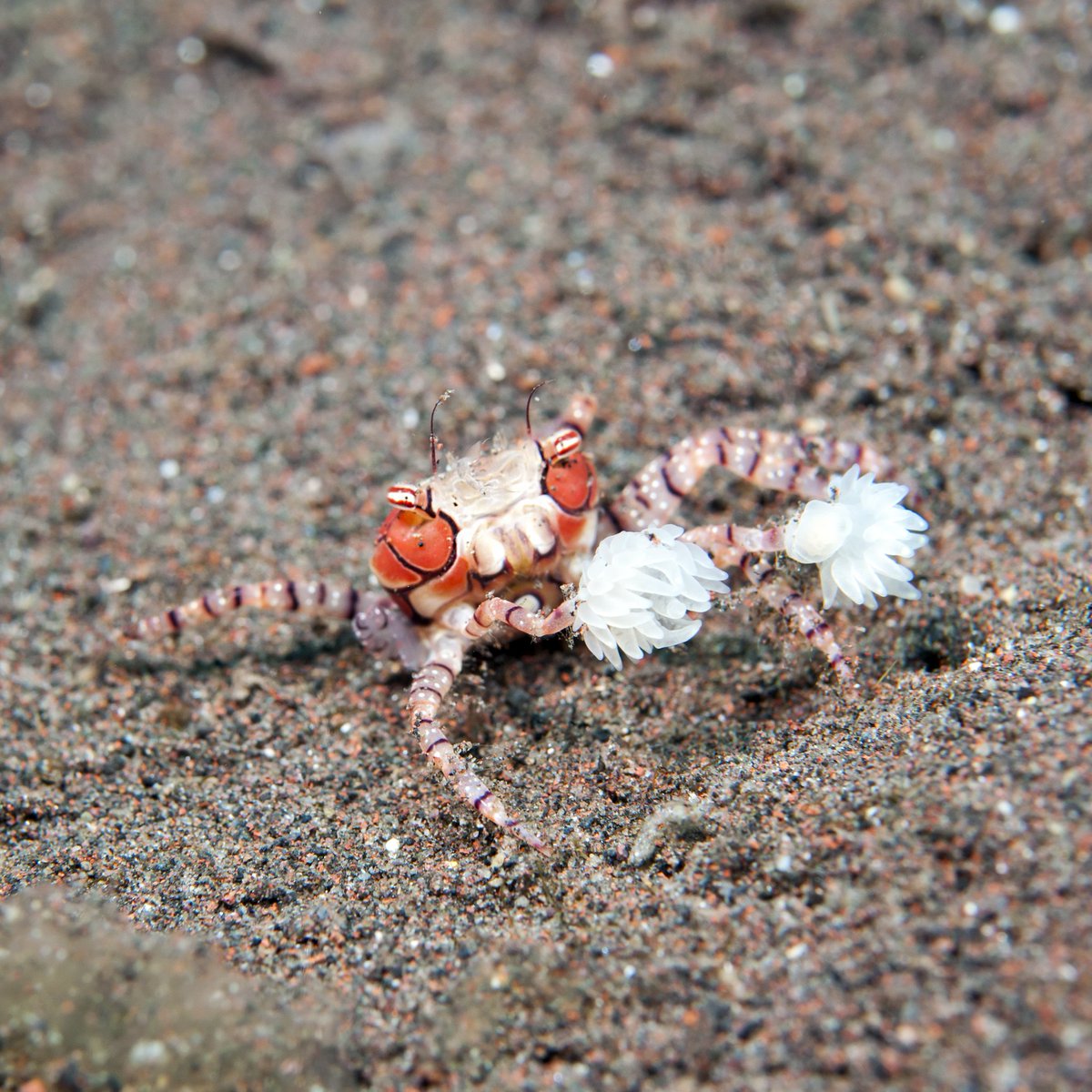
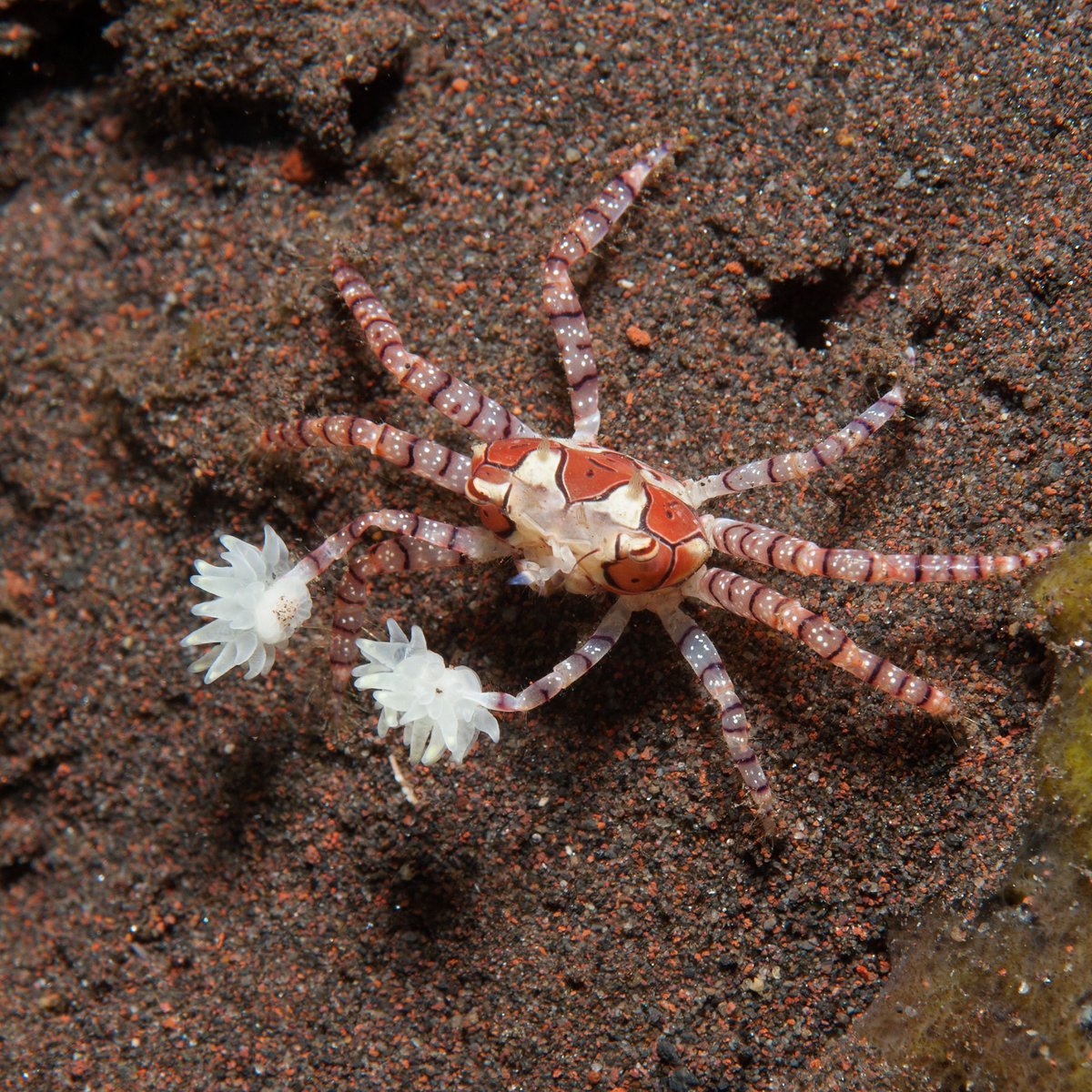
Boxer crabs are the cheerleaders of the sea! ✨
These tiny crabs wield sea anemones like pom-poms, thanks to their specially adapted claws. But they’re not just for show—these living accessories may help defend against predators, stun prey, and even be part of ritualized fighting between crabs. 🦀
New study reveals meat from endangered #sharks sold across US grocery stores, often ambiguously labeled or mislabeled, including critically endangered #hammerhead species.
#Seafood labeling lacks strict oversight, leaving consumers unaware of what they're really buying.
https://t.co/dAdzOZTzlz
propaganda we're not falling for:
- there's no nature in urban areas
- we already know everything about plants & animals
- nature photography requires expensive camera equipment
- you need a degree to contribute to science
- you need to travel far to see interesting species
In the midnight zone, 1,000-4,000 meters below the surface, bioluminescence is the only light. Temperature is constant, around 39°F, and the pressure is extreme. While this zone contains 70% of all seawater, it’s difficult to explore and poorly understood.
#CreaturesOfTheDeep
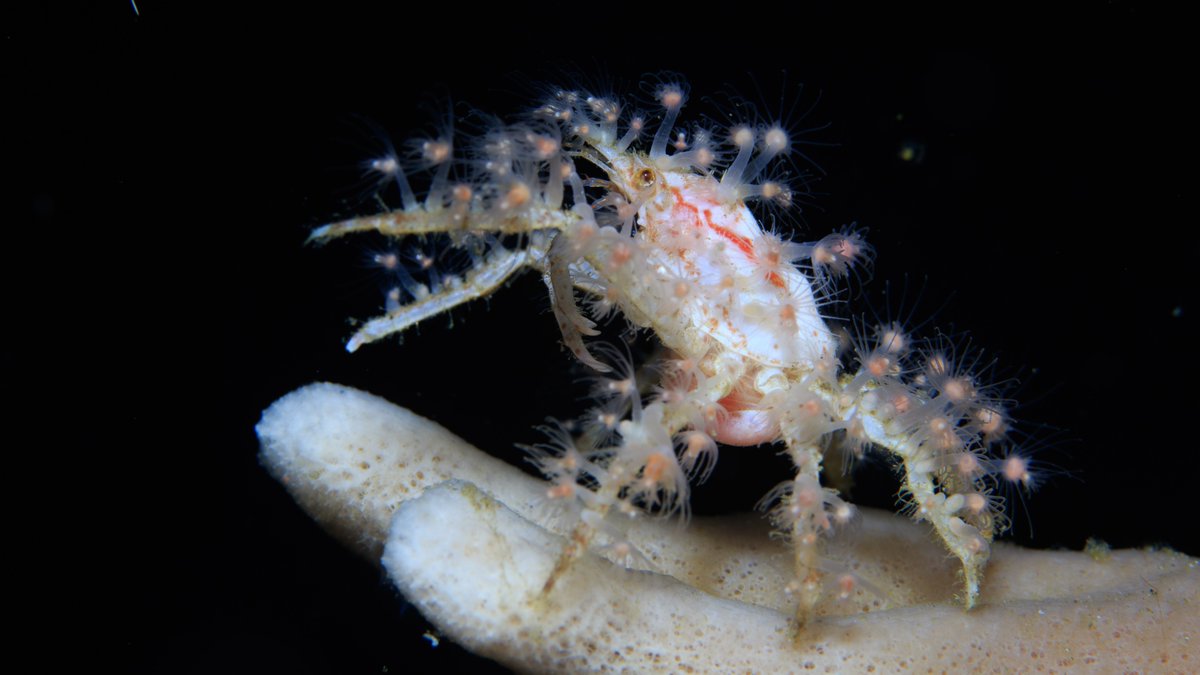
🦀 Decorator crabs use practically everything they can find for camouflage! They will take pieces of algae, sponges, leaves, or even small living animals like anemones, and fasten them to curved bristles on the back of their shell. 🌿 🪸
Learn more: https://t.co/8jAtmqnKBh
These may look like sci-fi stills, but they’re real creatures from the deep ocean.
This incredible, little-explored world faces big threats like #bottomtrawling and deep-sea mining. We must fight to #DefendTheDeep.
Credit: @NOAA
NEW STUDY: Long-term effects of tagging fishes with electronic tracking devices
Matley et al. synthesised knowledge from peer-reviewed acoustic, radio, satellite, and archival tagging studies and anecdotal researcher accounts to assess long-term effects.
https://t.co/VSKfzwNeQS
🌊🐟🦈Strengthening ecosystem-based fisheries management in the North-East Atlantic🌊
ICES publishes advice on ecosystem approaches to fisheries management to address biodiversity & ecosystem objectives in the @NEAFCsec Convention.
👉Read more https://t.co/S9jgFmauqu
#eafm#ebm
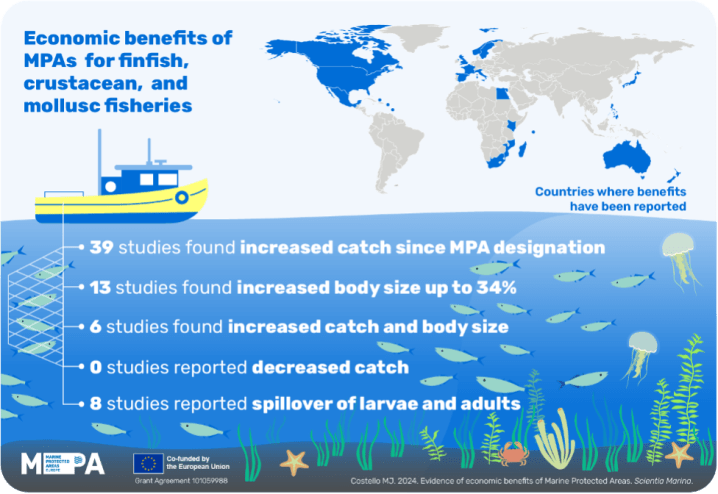
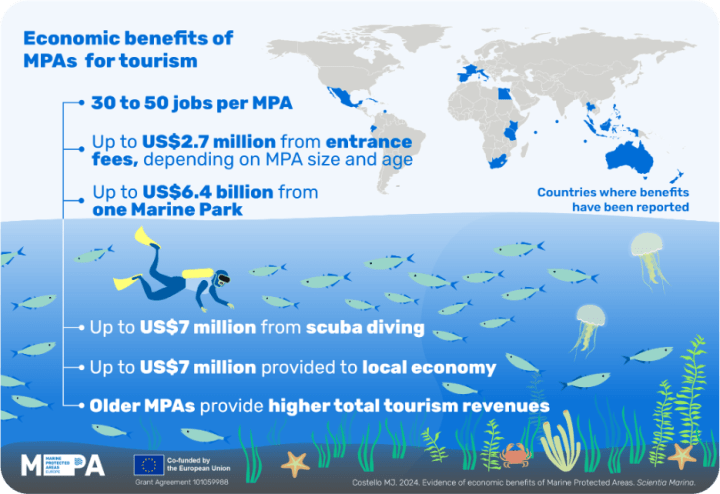
A new study by Dr. Mark John Costello demonstrates that both fishing and tourism benefit from marine protected areas – a final blow to the argument that conservation is costly and harms fishing. https://t.co/4q2cpxylxM