A 70-year-old man undergoing cholangioscopy to evaluate dilatation of the common bile duct was found to have flatworms in his biliary tract (shown in a video). Read the full clinical case: https://t.co/OK4X48EOne
@jfnephlolz Not justifying it, but I think some view it as "doing something." It can feel like we have little to offer when CKD is progressing despite RAAS blockade, SGLT2i, etc. Addition of sodium bicarb tabs may fall into a similar category (but more controversial)
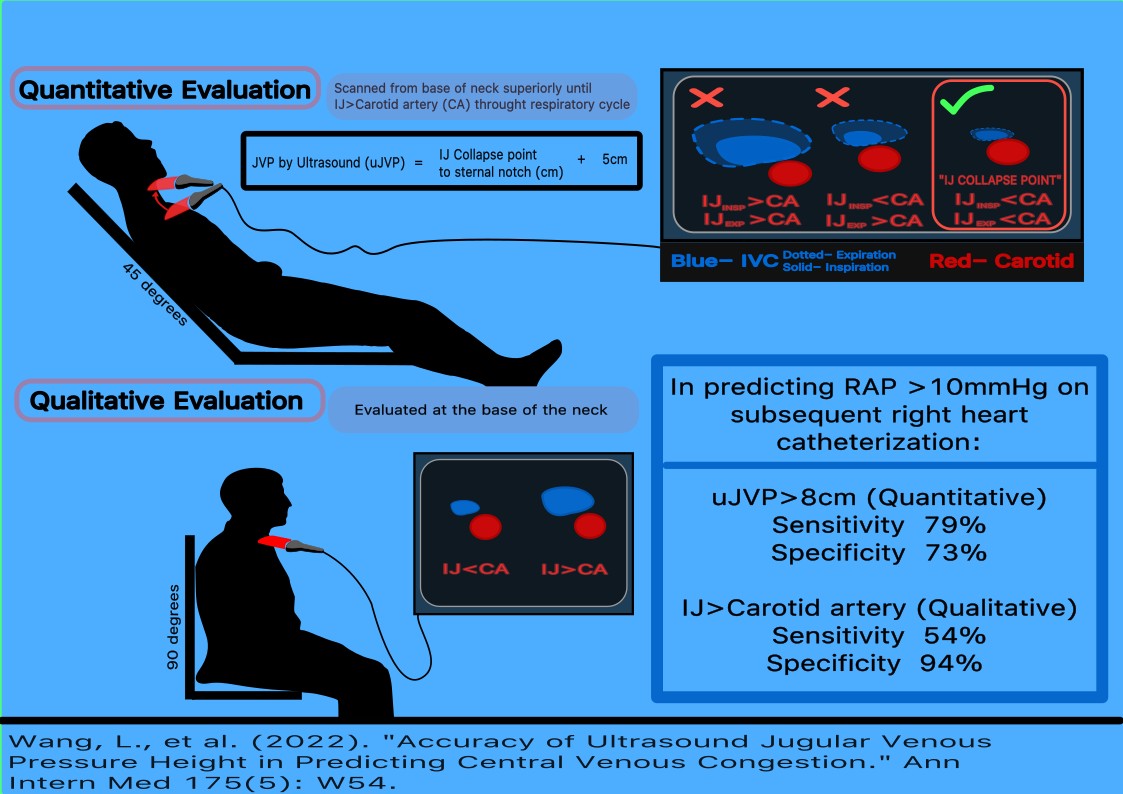
POCUS exam of the IJ is simple and may provide useful information, particularly for those with with limited experience or for patients with challenging body habitus. I loved this study and wanted to try my hand at infographic (feedback welcome). #Medtwitter#nephtwitter#POCUS
@NephCrit_NM@kidney_boy@lambchopsMD BICAR-ICU2 is underway specifically in the AKI 2-3 group. I did grand rounds on this and I agree it’s about the only “good” data out there. I also agree with @kidney_boy that NNT of 6 to avoid HD and similar to avoid death may need to be viewed cautiously
The most interesting point from review of SGLT2i trials, imo, is the correlation between those with a GFR drop after initiations and improved CV and HF outcomes (DAPA-HF). Regardless, the nephrologist in me dies a little on the inside when it happens. #nephtwitter#flozinator
Grand rounds done (on SGLT2i data). No breaking of glass necessary. Turns out the only the only think the -flozins can’t do is lose. Brief mention of GLP1s in CKD, getting everyone excited for FLOW trial readout in ‘24. Will it be another game changer?
@nepherson@NephJC@kidney_boy@renal_911 Any of these topics are sure to drum up debate, heated and long. Sure to fill any empty time and overshadow everything I’ve said prior. Not a true device, just a joke