To all the mothers and families who have lost a child serving in the U.S. Military, we see you.
Today on Gold Star Mother’s Day we take a moment to recognize that your child’s sacrifice was your sacrifice as well. We are deeply embedded in the military community and understand that service is not just something a single person does, but something that an entire family commits to.
Thank you for your service. Thank you for your sacrifice.
Wczorajszy dzień był dla Pary Prezydenckiej dniem od początku do końca polonijnym.
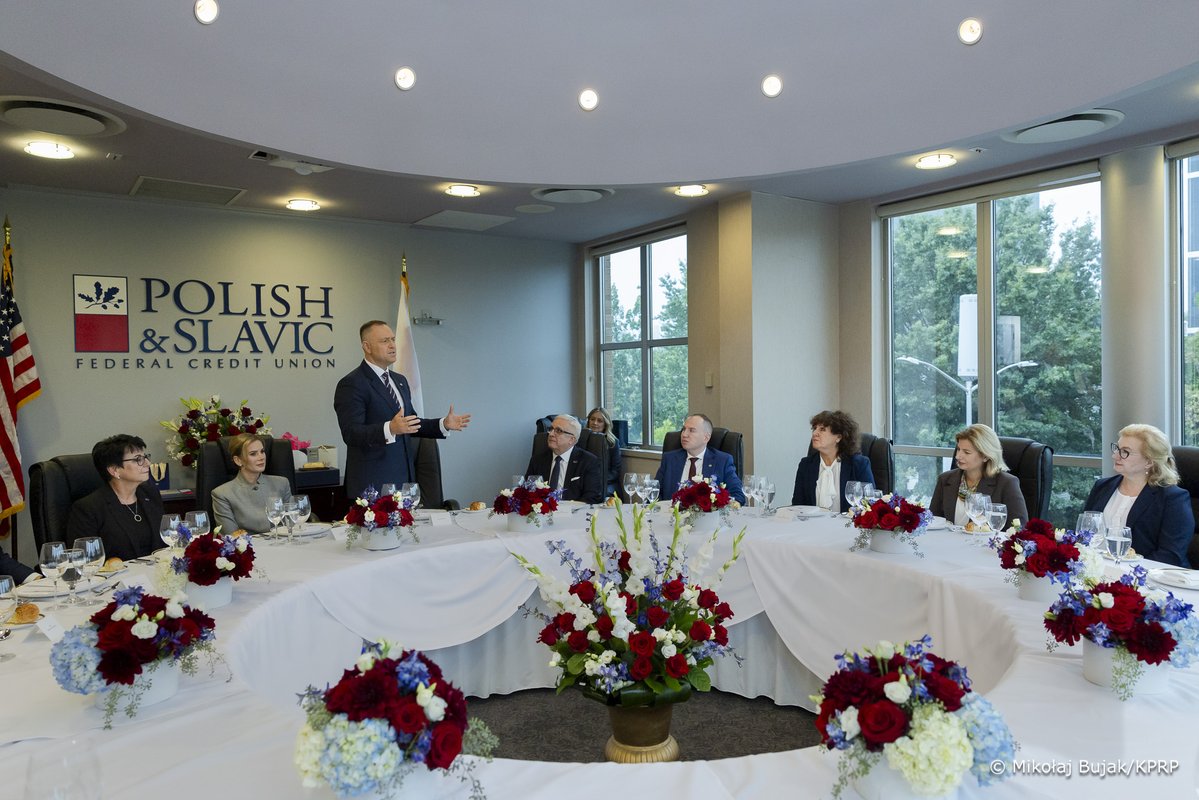
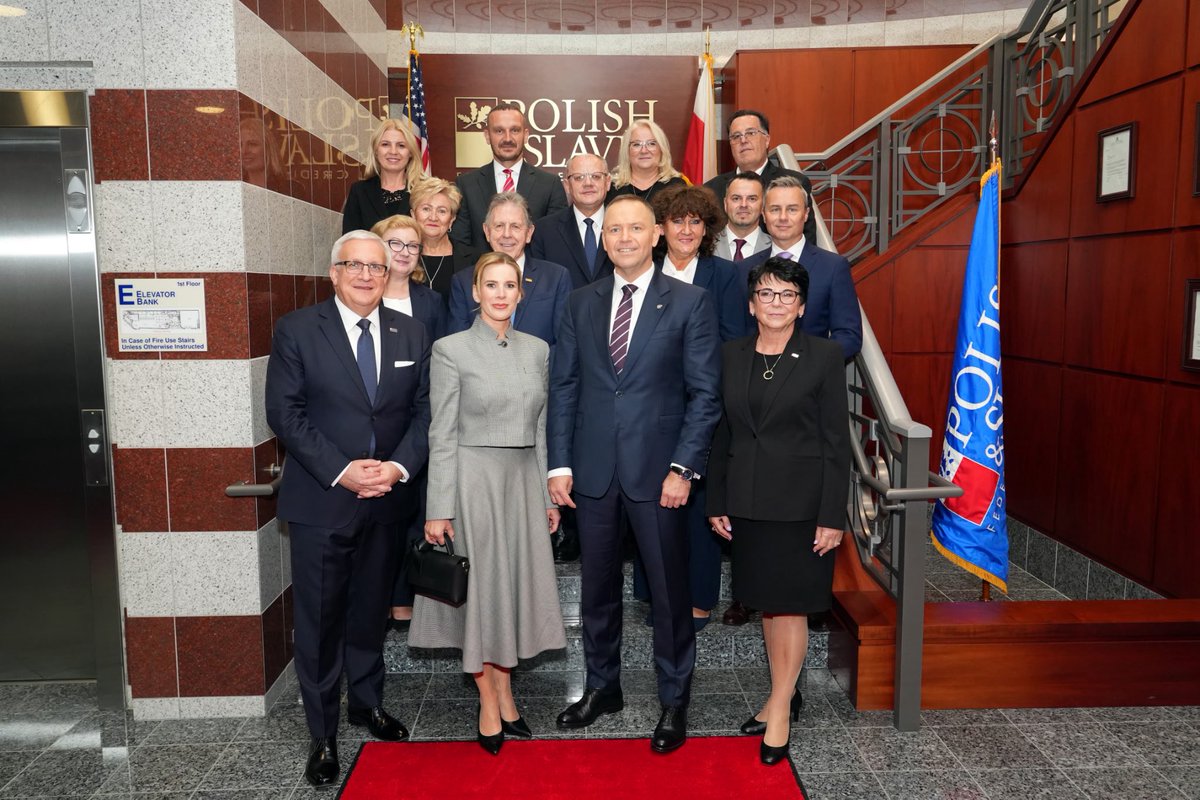
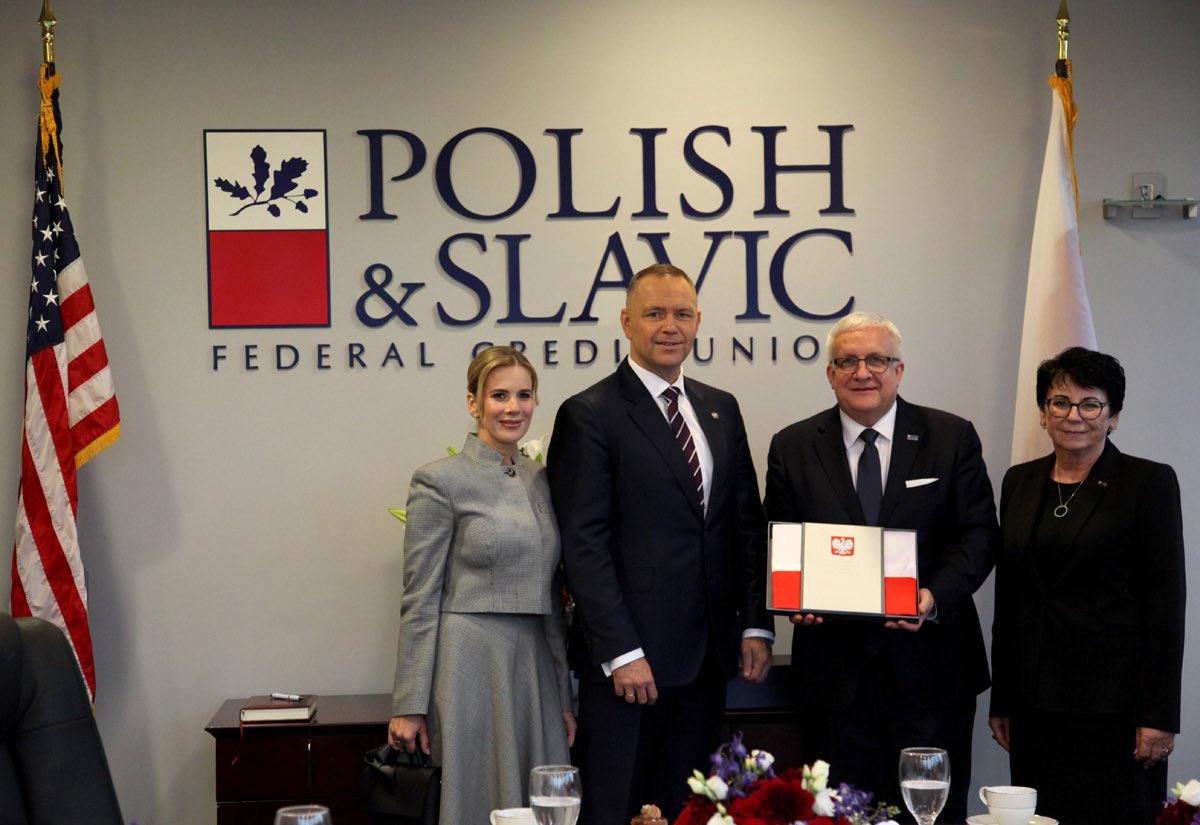
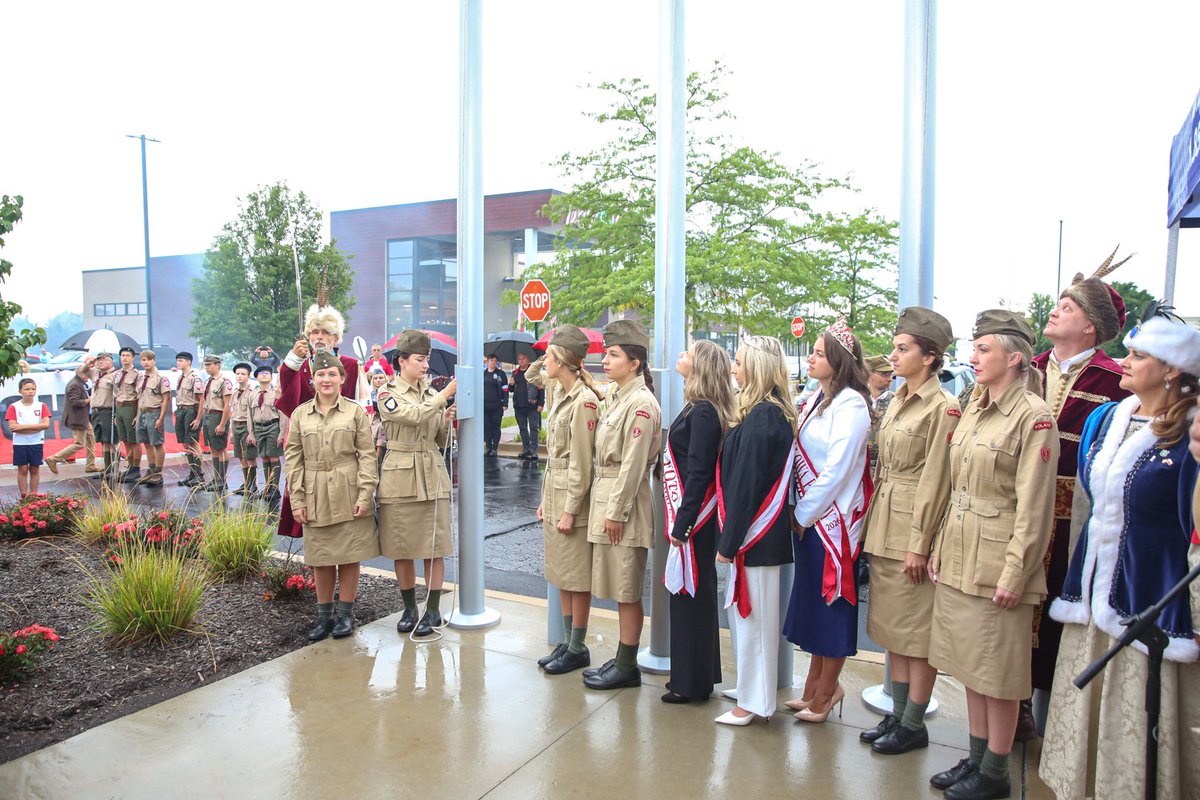
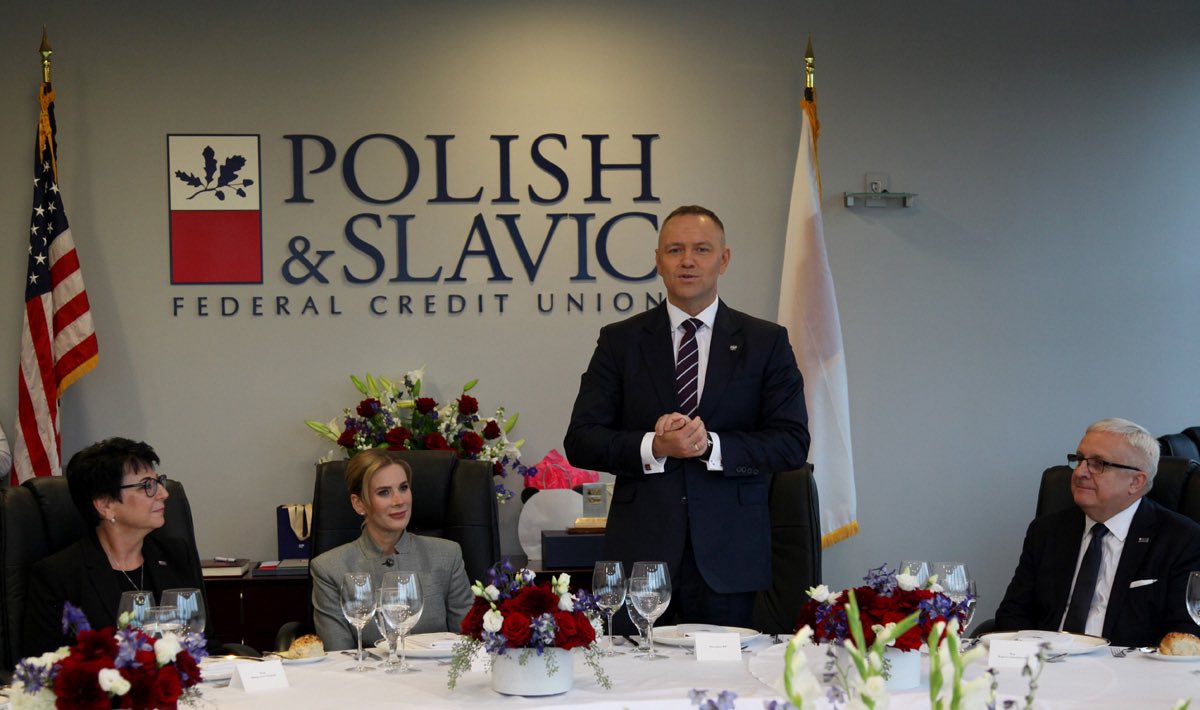
Polonijny był więc także środek dnia: po mszy w kościele św. Stanisława Kostki, lecz przed spotkaniem z rodakami w Christ the King High School, Prezydent @NawrockiKn i Pierwsza Dama Marta Nawrocka odwiedzili Zarząd Polsko-Słowiańskiej Unii Kredytowej (Polish & Slavic Federal Credit Union) i jej Prezesa Bogdana Chmielewskiego.
Słowo o Unii: powstała w 1976 roku, a dziś jest największą etniczną instytucją finansową w USA. Zrzesza blisko 130 tys. członków (z czego ok. 90% stanowi Polonia amerykańska), ma prawie 3 miliardy dolarów aktywów, posiada oddziały w największych skupiskach Polonii - jak Nowy Jork, New Jersey, Connecticut, Pensylwania czy Illinois - ale działa właściwie w całych Stanach, oferując nowoczesne usługi finansowe polsko-amerykańskiej społeczności. PSFCU funkcjonuje na zasadzie „non-profit”, a właścicielami są członkowie. Co równie ważne: wspiera przedsięwzięcia polonijne, w tym edukacyjne, tylko na na swój program stypendialny wydając ponad 600 tys. dolarów rocznie.
Z Prezesem Bogdanem Chmielewskim, który jest także członkiem prezydenckiej Rady do Spraw Polonii i Polaków za Granicą, miałam przyjemność porozmawiać już kilka tygodni temu w Warszawie. Opowiedział mi o pracy PSFCU, m. in. w zakresie aktywizacji młodego pokolenia Polaków w USA, oraz obchodach 50-lecia - które wczoraj zaszczycili Prezydent i Pierwsza Dama.
W niedzielę 20 września mieliśmy zaszczyt gościć Prezydenta RP, Karola Nawrockiego wraz z Pierwszą Damą, Marta Nawrocką w siedzibie Naszej Unii na 100 McGuinness Blvd na Greenpoincie. Prezydentowi towarzyszyli też przedstawiciele Kancelarii Prezydenta. Ze strony PSFCU w spotkaniu udział wzięli przedstawiciele Rady Dyrektorów, Komisji Nadzorczej i Zarządu Unii.
Pan Prezydent podziękował PSFCU za 50 lat działalności, wsparcia, jakie nasza instytucja udziela polonijnym organizacjom i roli, jaką pełni w życiu Polonii Amerykańskiej. Złożył też życzenia wielu sukcesów na następne lata działalności Naszej Unii. PSFCU otrzymała od prezydenta flagę Rzeczpospolitej Polskiej, natomiast Pan Prezydent otrzymał pamiątkowa statuetkę przedstawiającą książeczkę oszczędnościową Naszej Unii. Bardzo dziękujemy za tę niezapomnianą i zaszczytną wizytę!
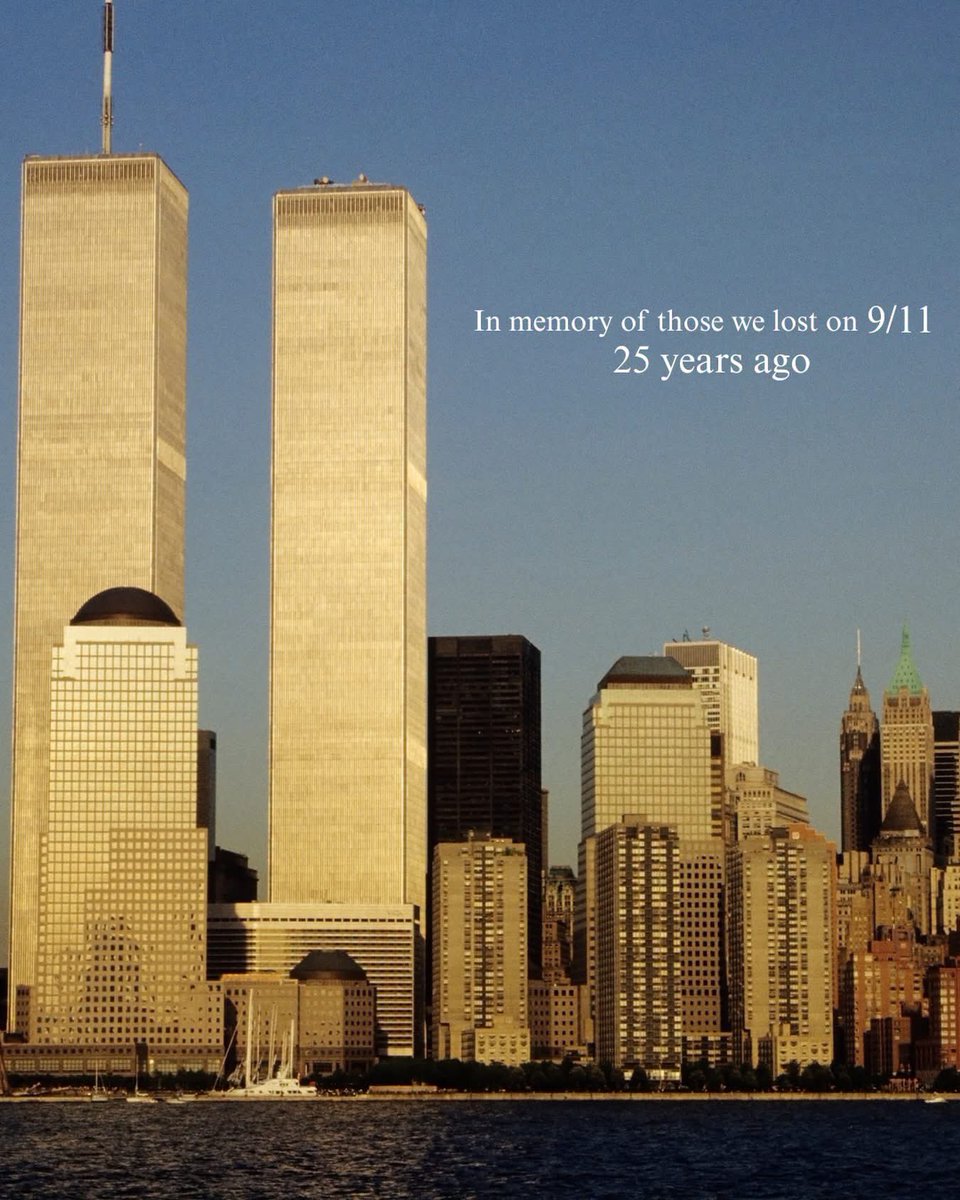
Today we pause to remember all the lives that were lost 25 years ago on 9/11. We stand with the families and communities that were changed forever. #neverforget#september11
🏁 Z ogromną radością dołączamy do grona Partnerów Tymka Kucharczyka – młodego, utalentowanego polskiego kierowcy, który konsekwentnie buduje swoją drogę do wielkiego świata. W roku naszego 50-lecia wspieramy młodych ludzi, którzy mają ambicję, talent i odwagę, by realizować swoją pasję.
Tymek - trzymamy kciuki za każdy wyścig i zwycięstwo! 🏎️
W ramach obchodów 50-lecia Naszej Unii, w dniu dzisiejszym przedstawiciele Rady Dyrektorów, Zarządu i Komisji Nadzorczej PSFCU podczas mszy św. inaugurującej Polsko-Amerykński Festiwal Rodzinny w Doylestown, PA przekazali na ręce ojca prowincjała Krzysztofa Wieliczki kielich dziękczynny pobłogosławiony 17 czerwca br. przez Ojca Świętego Leona XIV na spotkaniu z Radą Dyrektorów PSFCU w Watykanie. Kielich ten stanowi wotum wdzięczności za opiekę Matki Bożej podczas całej 50-letniej działalności Unii.
– US | PL | IT | FR –
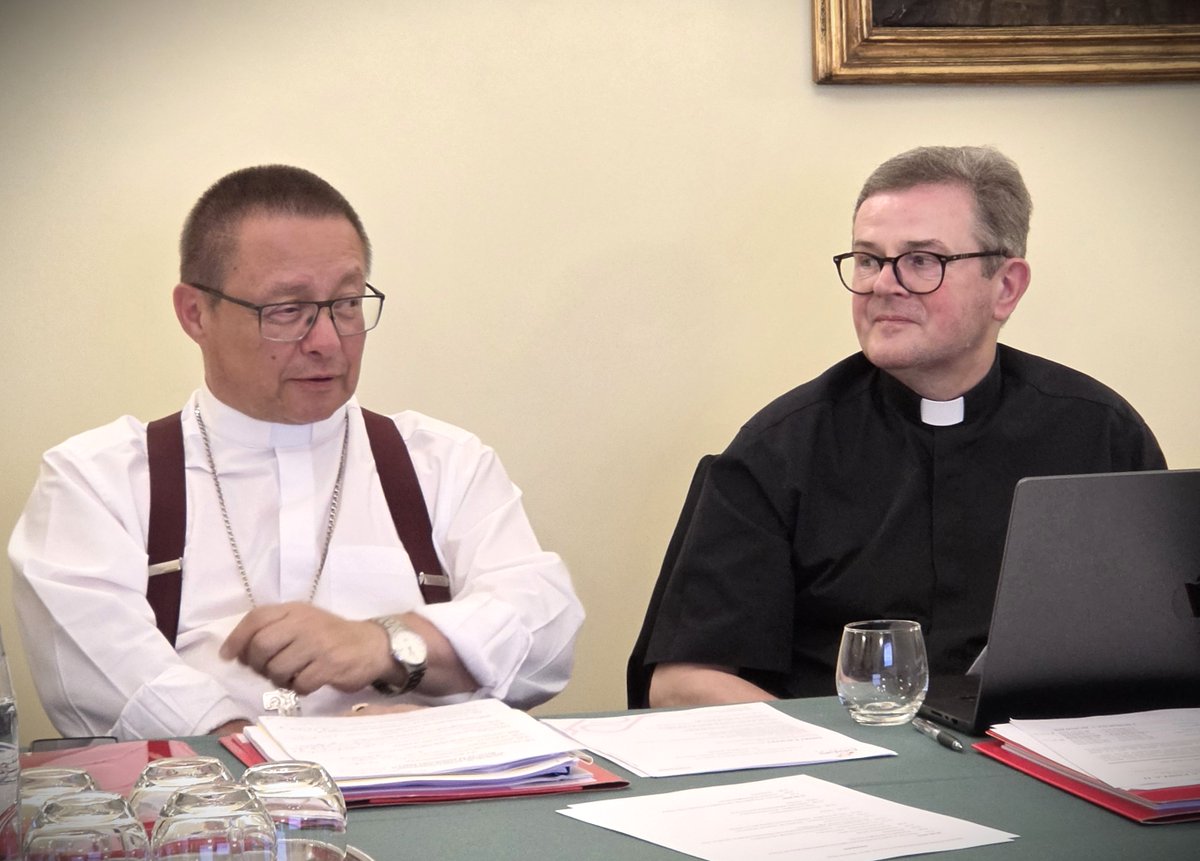
🇺🇸 An important meeting of the Board of the John Paul II Vatican Foundation in its new term (2026–2031) has concluded in Rome. The Foundation adopted significant decisions, introduced personnel changes, and planned the budget and activities for 2027. You will find a link to the full article on the #VaticanJP2 portal in the comments.
🇵🇱 W Rzymie zakończyło się ważne spotkanie zarządu Watykańskiej Fundacji Jana Pawła II w nowej kadencji (2026-2031). Fundacja podjęła istotne decyzje, dokonała zmian personalnych oraz zaplanowała budżet i działania na rok 2027. W komentarzu znajdziesz link do obszernego artykułu na portalu #VaticanJP2.
🇮🇹 Si è concluso a Roma un’importante riunione del Consiglio della Fondazione Vaticana Giovanni Paolo II nel nuovo mandato (2026–2031). La Fondazione ha adottato decisioni significative, ha effettuato cambiamenti nel personale e ha pianificato il bilancio e le attività per il 2027. Nel commento troverai il link all’articolo completo sul portale #VaticanJP2.
🇫🇷 Une importante réunion du Conseil de la Fondation Vaticane Jean Paul II pour son nouveau mandat (2026–2031) s’est achevée à Rome. La Fondation a pris des décisions essentielles, a procédé à des changements de personnel et a planifié le budget et les activités pour l’année 2027. Tu trouveras dans le commentaire le lien vers l’article complet sur le portail #VaticanJP2.
📸@ks_t_podlewski
Today we were pleased to host Mr. Scott Simpson, President and CEO of America's Credit Unions. Together with the PSFCU President / CEO Mr. Bogdan Chmielewski and PSFCU EVP / General Counsel Anna Florek-Scarfutti, Esq, they discussed the importance of the credit unions and their involvement and support for the communities they serve.
W najnowszych Boeingach 737 Max zamówionych przez @LOTPLAirlines znowu zmniejszono przestrzeń między fotelami. Mam 186 cm, nie da się nóg trzymać normalnie. Nie da się pracować - kiedy pasażer przede mną lekko odchylił fotel, nie mogłem już ustawić laptopa. Może stojące miejsca wprowadzicie? Zawsze wspieram LOT, ale to przekroczenie granic.
Watch this important video clip narrated by Liam Neeson about the Battle of Warsaw (1920) and the Polish victory over communism. Europe was saved from the Bolshevik invasion by Polish soldiers.
We celebrate its anniversary on 15 August.
Credit: Polska Fundacja Narodowa
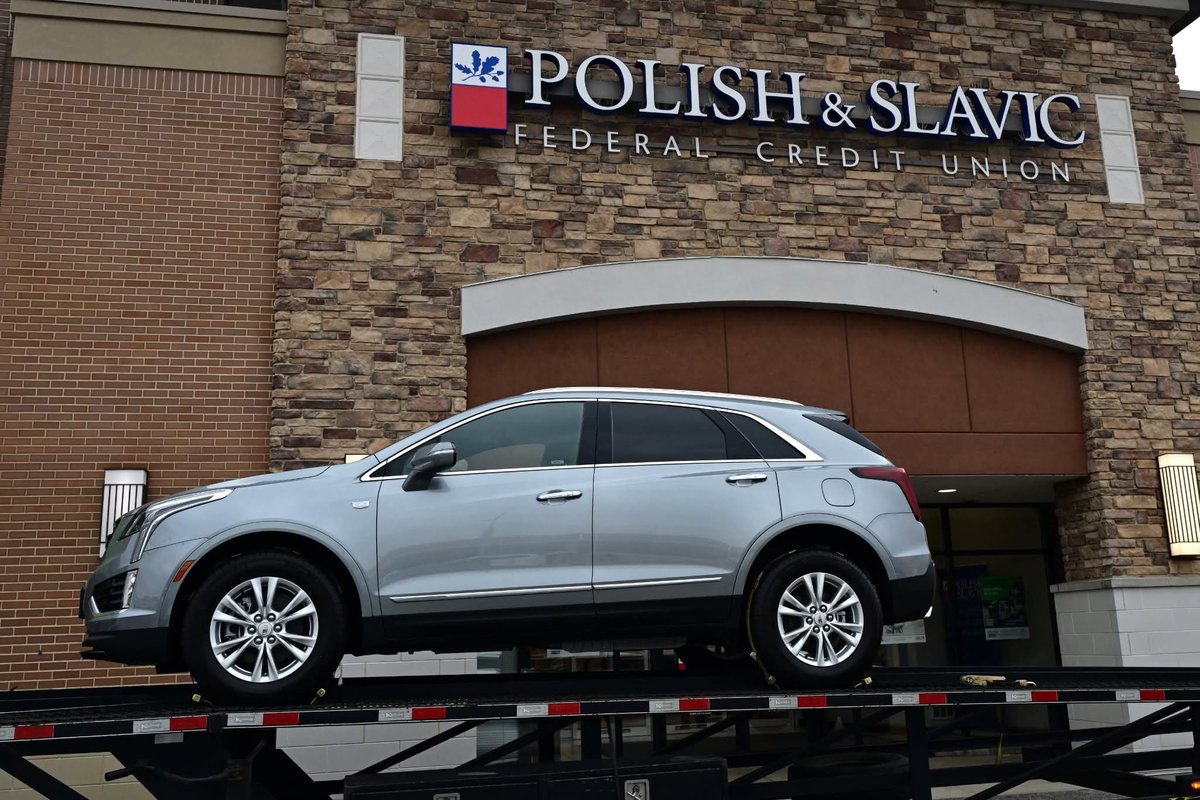
Gratulujemy pani Annie z Harwood Heights, IL, drugiej zwyciężczyni naszego wielkiego jubileuszowego konkursu! Pani Anna odebrała właśnie swojego nowego Cadillaca XT5. Jeszcze raz serdecznie gratulujemy i życzymy bezpiecznej jazdy!
Już wkrótce kolejna szansa na wygranie samochodu! Jeśli nie jesteś jeszcze członkiem Naszej Unii, dołącz do nas jak najszybciej, aby mieć szansę na wygranie jednego z dwóch pozostałych Cadillaców XT5 w naszym wielkim konkursie z okazji 50-lecia naszego istnienia.
We could not be more excited to have Andrzej Duda, the former President of the Republic of Poland (2015–202, speaking at #DCUC2026!
President Duda played a key role in strengthening regional security, developing strategic international partnerships, and shaping Poland’s political and economic resilience. Now he'll be speaking with attendees of this year's annual conference.
Make sure you're there.
Chwała Bohaterom! On August 1st, 2026, we commemorated the 82nd Anniversary of the start of the Warsaw Uprising that took place to fight for Poland’s freedom & independence during the 2nd World War. Sirens rang at 10 a.m. CDT in front of the Polish & Slavic Federal Credit Union’s Algonquin Branch to honor the 250,000+ lives that were sacrificed. May they never be forgotten! #warsawuprising #PowstanieWarwzawskie #neverforget
Every August 1st, at 5pm sirens sound across Warsaw to commemorate the outbreak of the 1944 Warsaw Uprising.
The city comes to a standstill for a minute to honor the fallen.
250 000 Poles were killed in the 63-day-long uprising against the Germans.
"Poland never surrenders, it didn't then, and it won't now."
Ambassador to Poland Tom Rose reflects on the 82nd anniversary of the Warsaw Uprising against the Nazi regime on "Saturday Report." @USAmbPoland@RitaCosby
Chwała Bohaterom! Today on August 1st, 2026, we commemorate the 82nd Anniversary of the start of the Warsaw Uprising that took place to fight for Poland’s freedom & independence during the 2nd World War. Sirens rang at 11 A.M EST in front of the Polish & Slavic Federal Credit Union’s Headquarters & main branch to honor the 250,000+ lives that were sacrificed. May they never be forgotten! #warsawuprising #PowstanieWarwzawskie #neverforget
Almost everyone knows about Germany’s crimes against the Jewish people and the murder of six million Jews during the Holocaust. Far fewer people, however, know the full extent of Germany’s crimes against the Polish people.
In Poland, this history remains part of family and national memory. Many Poles grew up hearing about relatives who were executed, deported, imprisoned, sent to forced labor, murdered in camps, or taken away by the Soviets and never returned. Yet in much of the West, Poland is remembered mainly as the place where the Holocaust occurred, while the deliberate destruction of Polish national life under both German and Soviet occupation receives far less attention.
From the first days of the invasion in September 1939, Germany did not seek merely to defeat the Polish army or occupy Polish territory. Its policies were designed to break Poland as a nation by destroying its leadership, culture, institutions, and ability to survive independently.
Polish professors, teachers, priests, officers, lawyers, doctors, writers, landowners, civil servants, community leaders, and ordinary citizens were arrested and murdered. Mass executions took place in forests, fields, prisons, town squares, and village streets. Entire communities were terrorized through public hangings, shootings, collective punishments, expulsions, and forced labor.
Polish children were taken from their families, examined according to German racial criteria, and in some cases sent away to be Germanized. Others were imprisoned, starved, or killed. Polish civilians were deported to work inside Germany, where they were treated as an inferior population and subjected to severe restrictions.
Villages were burned and their inhabitants murdered in retaliation for resistance activity, sometimes regardless of whether the victims had any connection to the resistance. Warsaw endured mass executions, the Wola massacre, deportations, and finally the deliberate destruction of much of the city after the Warsaw Uprising.
Auschwitz was originally established by Germany in occupied Poland primarily to imprison and terrorize Poles. Polish political prisoners were among its earliest inmates, and thousands died there before the camp became the largest center of the murder of European Jews.
Even less widely understood are the crimes committed against Poles by the Soviet Union.
On September 17, 1939, while Poland was already fighting the German invasion from the west, the Soviet Union invaded from the east. Poland was divided between two occupying powers, each determined to eliminate Polish independence and suppress anyone capable of resisting.
Soviet authorities arrested Polish officers, policemen, officials, teachers, landowners, intellectuals, clergy, and members of patriotic organizations. Countless people were imprisoned, interrogated, tortured, or executed.
In a series of mass deportations, Polish families were awakened during the night, given little time to gather their belongings, and forced into overcrowded freight cars. Men, women, elderly people, and children were transported for weeks into Siberia, Kazakhstan, and other distant regions of the Soviet Union.
They arrived in places of bitter cold, hunger, disease, and exhausting labor. Families were separated. Some disappeared into the Soviet camp system and were never heard from again.
At Katyń and other execution sites, the Soviet NKVD murdered thousands of Polish officers and members of the educated and professional classes. The killings were part of a broader attempt to remove those most capable of rebuilding and leading an independent Poland.
For many Polish families, the war meant suffering under two totalitarian occupations. Germany attacked from the west, while the Soviet Union attacked from the east and the Polish dead also had names, families, hopes, homes, and unfinished lives. Their stories deserve to be known, their suffering deserves to be acknowledged, and they, too, deserve to be remembered.
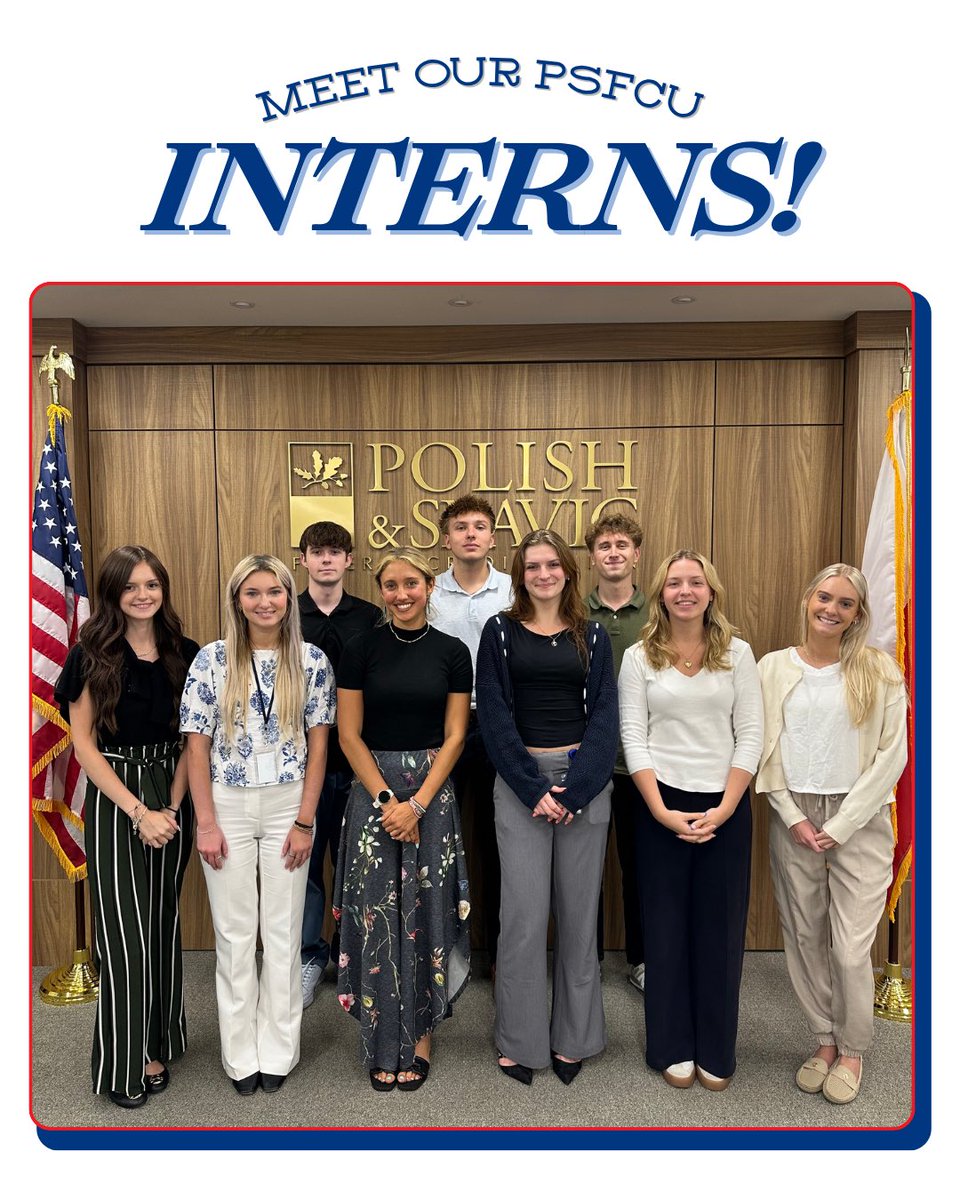
For the past few weeks at our Fairfield Operations Center, a new generation of Credit Union professionals joined us every day, gaining career-related experience outside of the college classroom. Wishing you all the best in your future endeavors 💙
#interns#internseason#psfcu
Bloody Sunday: When Volhynia Burned
On 11 July 1943, remembered by Poles as Bloody Sunday, one of the most horrific massacres of civilians during the Second World War reached its terrible climax. On that day, units of the Ukrainian Insurgent Army (UPA), often assisted by local collaborators, launched coordinated attacks on dozens of Polish villages across Volhynia. Many assaults began as families gathered for Sunday Mass, turning places of worship into scenes of unimaginable horror.
The attacks were part of a broader campaign of ethnic cleansing that sought to remove the Polish population from Volhynia and neighboring Eastern Galicia. Historians estimate that over 100,000 Polish civilians were killed during the massacres of 1943–1944. Men, women, children, and the elderly were murdered simply because they were Polish. Entire villages disappeared from the map, churches were burned, and generations of families were wiped out.
The brutality of the attacks left lasting scars on the survivors. One survivor, Janina Kalinowska, recalled:
“Everywhere there were flames. People were running, screaming, and falling. Those who could not escape were killed.”
Another survivor remembered the devastating silence that followed:
“There was no village anymore. Only smoke, ashes, and the bodies of our neighbors.”
These testimonies reflect the human suffering behind the statistics. Bloody Sunday was not merely a military operation but a deliberate assault on civilian communities.
The violence did not end on July 11. The campaign continued throughout 1943 and 1944. While some Polish underground units later carried out retaliatory attacks against Ukrainian civilians - acts that also deserve acknowledgment and condemnation, the initial campaign by the UPA was organized with the objective of driving the Polish population from the region.
For decades, communist censorship prevented open discussion of these crimes. Many survivors remained silent, and countless victims were buried in unmarked graves. Even today, many Polish families continue to seek the exhumation and proper burial of their loved ones, believing that every victim deserves dignity and remembrance.
When we consider Bloody Sunday, it is not about fostering hatred toward modern Ukrainians. Today’s generations are not responsible for the crimes of the past, but genuine reconciliation must rest on historical truth, not denial or the glorification of those who committed atrocities against civilians.
Bloody Sunday stands as a solemn reminder of the consequences of ethnic hatred and extremist ideology. The victims deserve more than a place in history books, they deserve to have their names remembered, their stories told, and their suffering acknowledged. Only by confronting the truth honestly can we honor those who were lost and strengthen our commitment that such horrors are never repeated.