Rewarding to see our @HabermanLab study featured on the cover, laying the conceptual framework to underlying mechanism of escape from AT remission (=flare) d/t persistent dietary-metabolic gut perturbances. Hence the need for combined AT-nutrition trials
@HelmsleyTrust
📢 NEW ECCO Consensus!
😇Honored to be part of this significant paper addressing IBD care🌍in LMICs.
👥Our panel presents 28 statements on epidemiology, diagnosis, treatment & surgical management.
Read more🔗https://t.co/wF1OiVGPVz
@JCC_IBD@ibdseb@AlaaEl_Hussuna@drvishal82
Happy to share our findings showing that high UPF is associated with an increased risk of relapse in patients with #CD.
#IBD#Diet@NitsanMaharshak@SagiZelber @NTforIBD
https://t.co/IOSTjzZUeB
🍞Are industrial breads rich in food additives the elephant in the room for people with #IBD❓
@Shelly_Shakhman, @TamarPfefferGik, @HenitYanaiMD, @Iris_Dotan, @LGodny & colleagues screened 233 breads in Israel and found:
✅ 37 different food additives were identified:
👉 84% were classified as highly processed
👉 An average of eight food additives
👉 Most breads contained preservatives (81%) and emulsifiers (76%)
✅ 51% of food additives used in the bread industry have been previously linked to:
🔥 Exacerbation of inflammation
🦠 Gut microbiome dysbiosis
⬆ cytokines that damage microbiota and the gut barrier
✅ Given the large quantities of bread consumed, the rise in mass production has led to a shift away from traditional baking methods
👉 High burden of IBD
💡 Food quality matters for IBD, and both patients and healthcare professionals should promote healthy eating choices that are away from the Western diet
📚 Shelly Shakhman et al. Nutrients. 2025; 17(13):2120.
Kids have their whole lives ahead of them—and I’m grateful to help them live it fully.
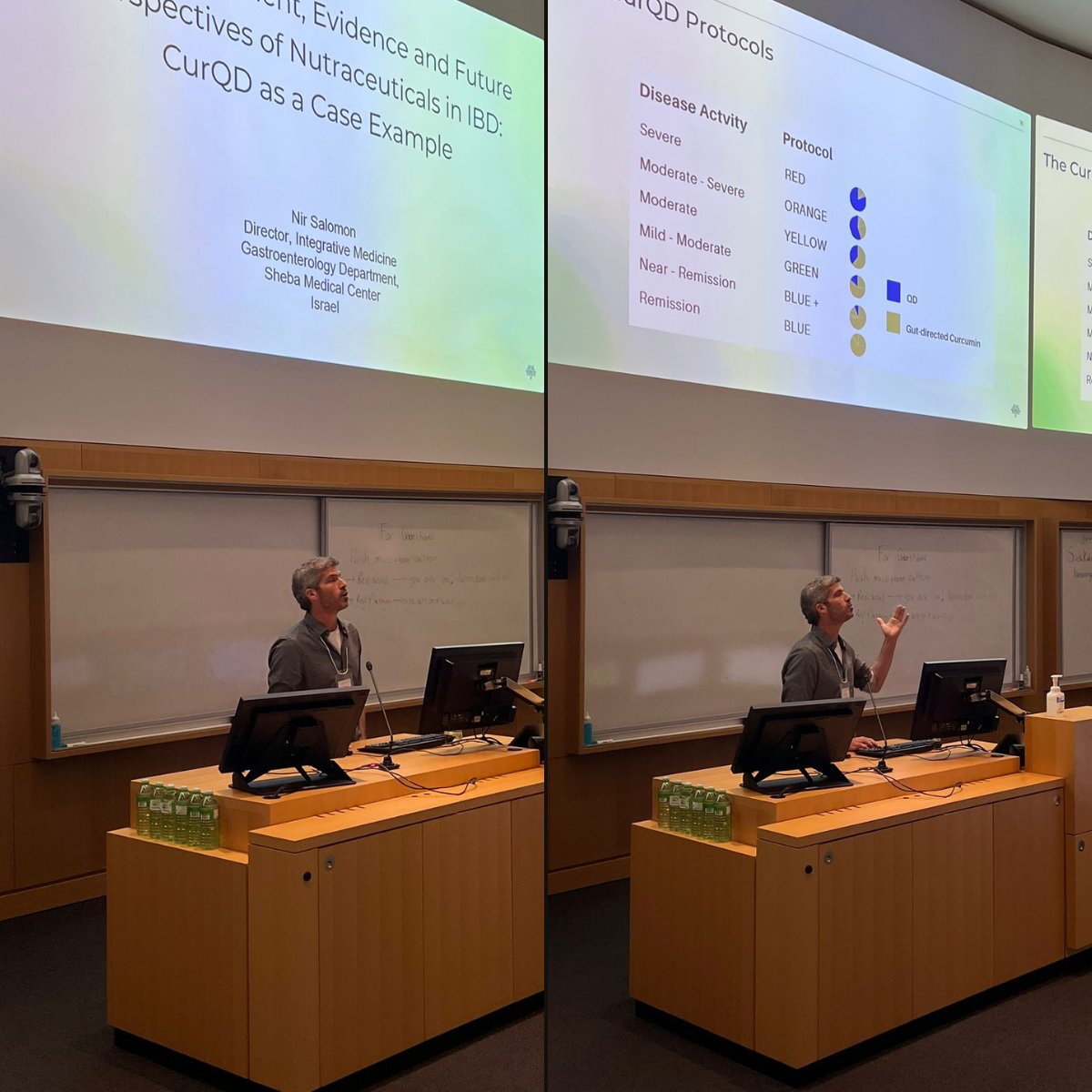
Spoke this week at SickKids Hospital @SickKidsNews in Toronto on @Evinature_ CurQD’s growing role in IBD care; The evidence base expanding, especially in pediatric cases!
#IBD#CurQD
🥣 Real-life data from Dutch patients with mild-to-moderate Crohn’s disease show good adherence and positive experiences with the Crohn’s disease exclusion diet + PEN. Physicians reported sustained effectiveness; patients valued the Modulife platform.
🔗 https://t.co/64E2LPeq6K
Why not all children with Crohn's Disease Exclusion Diet ➕ enteral nutrition achieve remission❓
💡 Tryptophan metabolites are associated with remission with dietary therapy
✅ Baseline assessment of kynurenine and ratios of tryptophan metabolites have the potential to predict dietary remission and non-remission 6 weeks later
🔸 The baseline fecal kynurenine level was ⬆️ in children in no remission
✅ Specific tryptophan metabolism features help predict the efficacy of nutritional therapies in pediatric Crohn's disease:
🔸 The ratio serotonin/kynurenine was the strongest predictor of Crohn's Disease Exclusion Diet + partial enteral-induced remission
🔸 The ratio 5-hydroxytryptophan/kynurenine predicted remission when following an only-liquid diet
✅ Metabolic shifts in tryptophan metabolites toward healthy controls by following nutritional therapies may explain remission rates
🎓 @BonehRotem, @EytanWine, Johan E. Van Limbergen & colleagues
⭐ These findings could help personalize dietary therapy for children with Crohn's disease
@TAGastroenterol
This study on tryptophan metabolites as biomarkers for dietary remission in pediatric Crohn’s disease was led by @BonehRotem and colleagues. Their findings could help personalize dietary therapy for CD patients.
Have you seen the science cookbook on the @nimediet proven to restore the #gutmicrobiome and improve C-reactive protein in healthy people?
👉 Effects of the NiMe diet on the gut microbiome
👉 Scientific framework of the diet
👉 Dietitian-vetted recipes
@JensWalter15@ucc & Dr Anissa Armet @UAlberta
https://t.co/pXwL0egDYJ
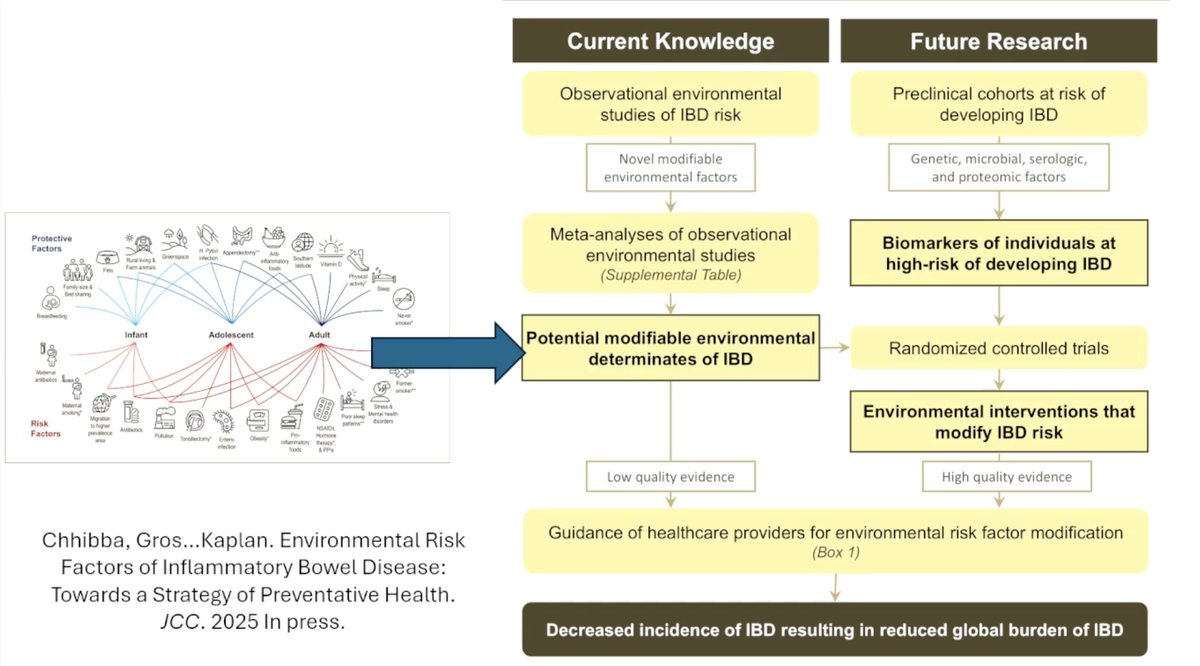
The challenge of IBD epidemiology, there is none like @gilkaplan to present such brilliant talk
Also including data regarding prevention that we should actively pursue
It was lovely to see the slide of our latest collaboration with @ChhibbaTarun which is in press 🙏
Thank you Gil for such inspiring talk
❌ Nutritional therapies only work in pediatric patients
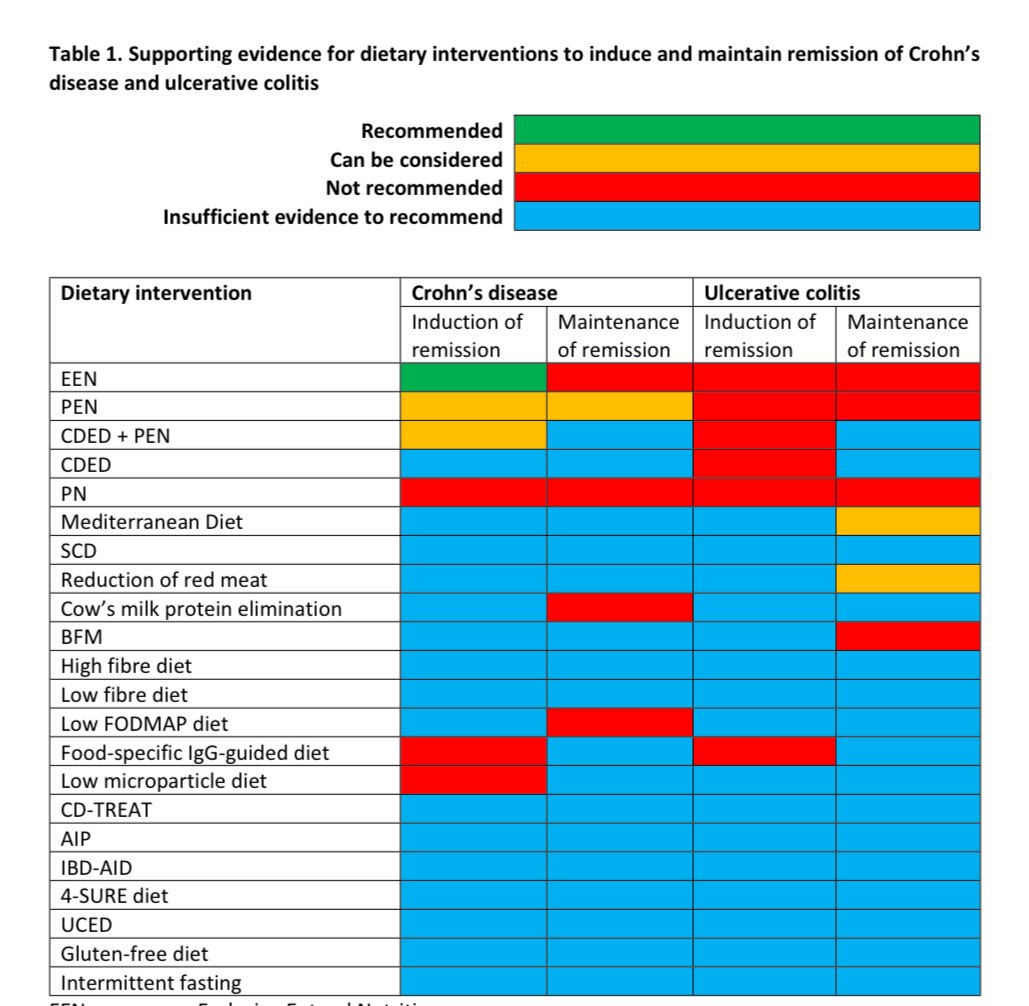
✅ Outside Japan, a liquid-only diet is increasingly recommended as a first-line treatment for Crohn's disease in adults:
💡 Mucosal healing is more likely to be achieved by exclusive enteral nutrition than corticosteroids
💡 Involving an experienced dietitian ⬆ compliance rates to >85%
💡 Exclusive enteral nutrition can be offered as a standard treatment option for adults with active Crohn’s disease:
🔸to induce remission
🔸to reduce the burden of active disease (particularly as a preoperative strategy)
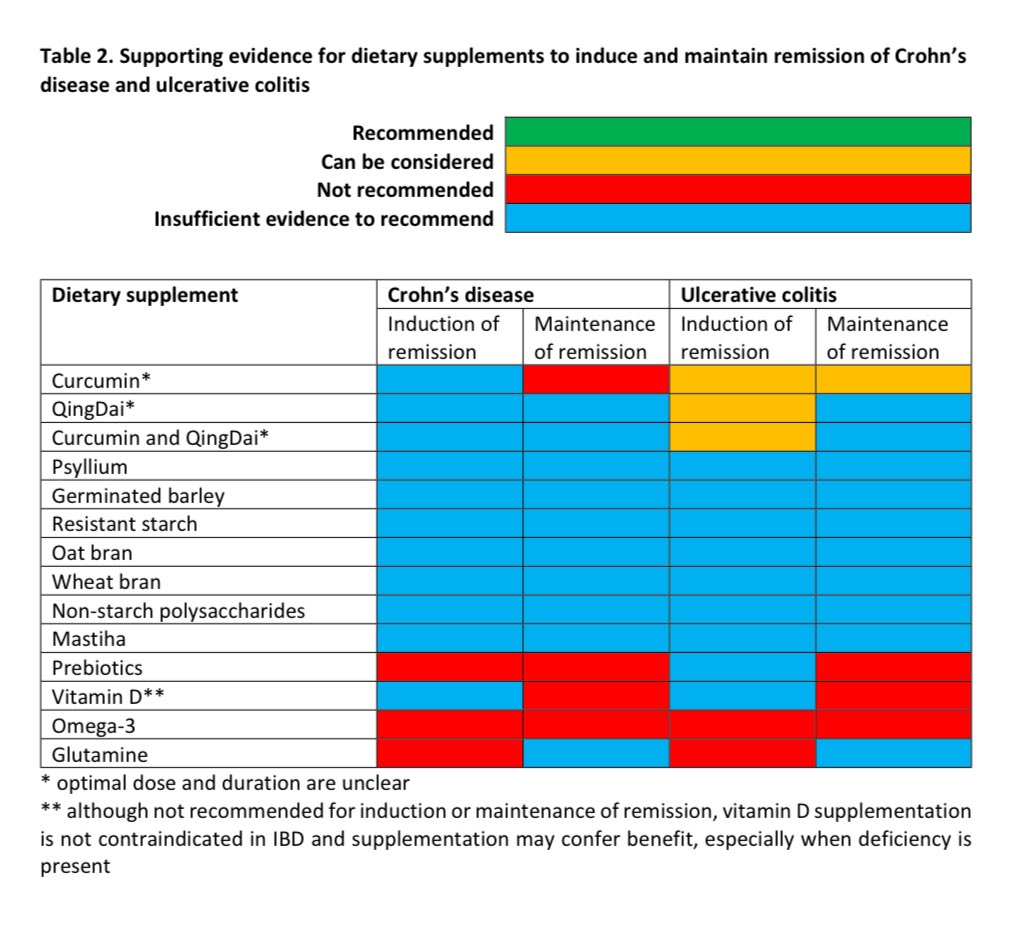
💡 Other diet options, such as the combination of liquid nutrition and solid foods, and diets based on whole foods that are beneficial for the gut microbiome and gut barrier, are also supported by evidence
👉 Follow us to stay updated on how to use dietary options alongside medications for better IBD care
All patients with IBD should be encouraged to adopt the #Mediterraneandiet as a starting point
👉 Due to its potential to improve #guthealth and manage inflammation
@nhaskeyRD, @GimdGold, @leahdaloisio & colleagues share practical tips to help patients transition from their current diet to a Mediterranean-like diet:
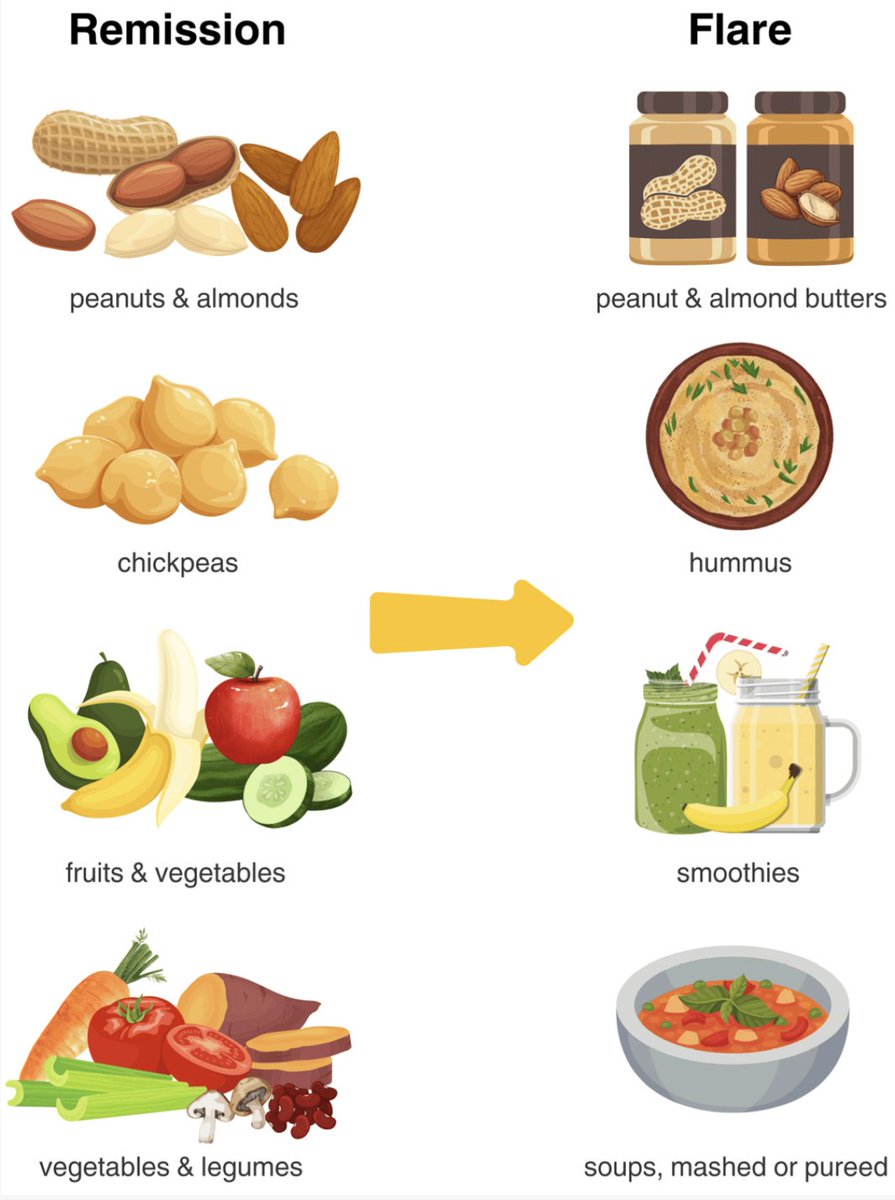
✅ Adjust specific foods based on whether you're in remission or a flare
✅ Add legumes gradually
✅ Choose good fat, not low-fat
💡Dairy products aren't pro-inflammatory
💡Use extra virgin olive oil liberally in cooking in place of omega-6-rich vegetable oils (e.g., sunflower, corn, soybean, palm, or canola oils)
✅ The more colors, the better, with fruit and vegetables being center stage
✅ Choose white meats (poultry without skin) instead of red meats, pork, processed meats, sausages, cold meat, or paté
✅ Eggs can be enjoyed daily and are often a well-tolerated protein source
✅ Enjoy nut and seed butters
✅ Choose minimally processed foods
⭐And don't forget to tailor the Mediterranean diet to your disease stage for maximum benefit