The #FairyShrimp is #13 in our #QuarryNature50, a tiny translucent crustacean that depends on clean ephemeral ponds (like those at restored #quarry sites) which dry out annually, with the eggs lying dormant and hatching as the ponds fill in wet autumn weather. @PondRiverStream
So excited to have talked to @HelenSkelton about shark in fish & chips - clearer labels are really needed! A fascinating investigation of food and fish @ITVTonight @ExeterMarine
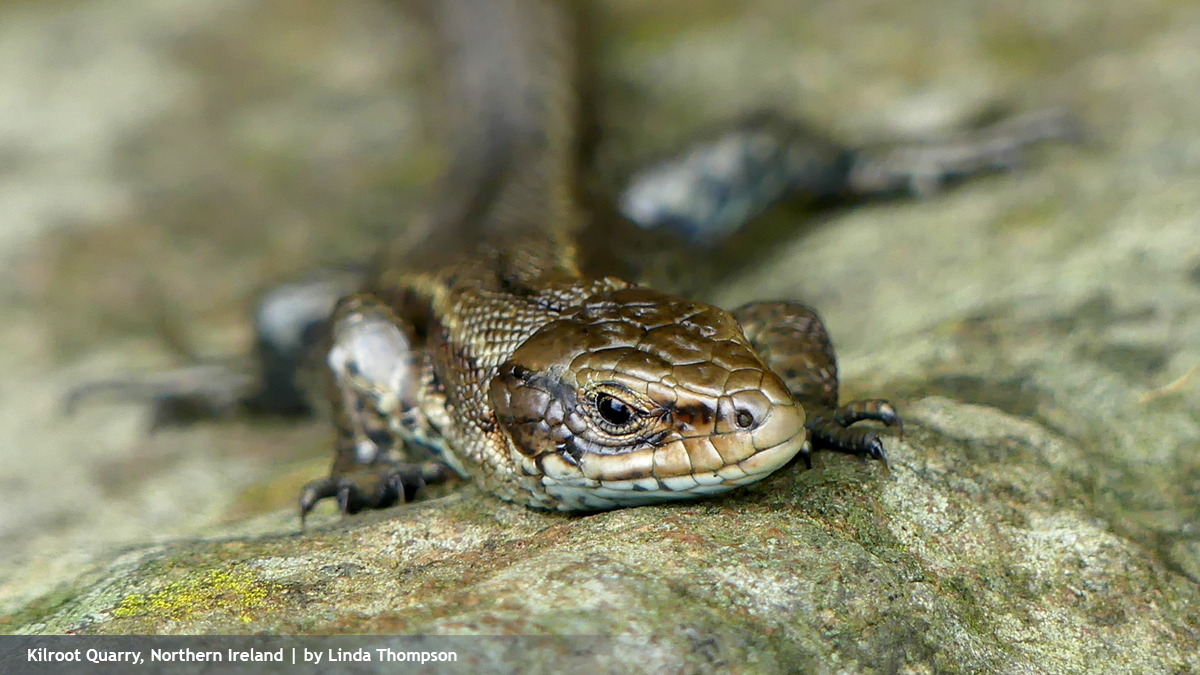
The #CommonLizard is #38 in our #QuarryNature50 countdown. Also known as the ‘viviparous lizard’ as it incubates eggs within its body and gives birth to live young, it’s often seen on heaths, woodland and grassland – and many restored #quarries – basking in the sun. @ARC_Bytes
The Twite is #43 in our #QuarryNature50. A finch that breeds on moorlands of Scotland, England and Wales, it has suffered dramatic declines in the last 50 years, due to loss of hay meadows. Managing grassland near limestone quarries provides a rich source of seeds. @Natures_Voice
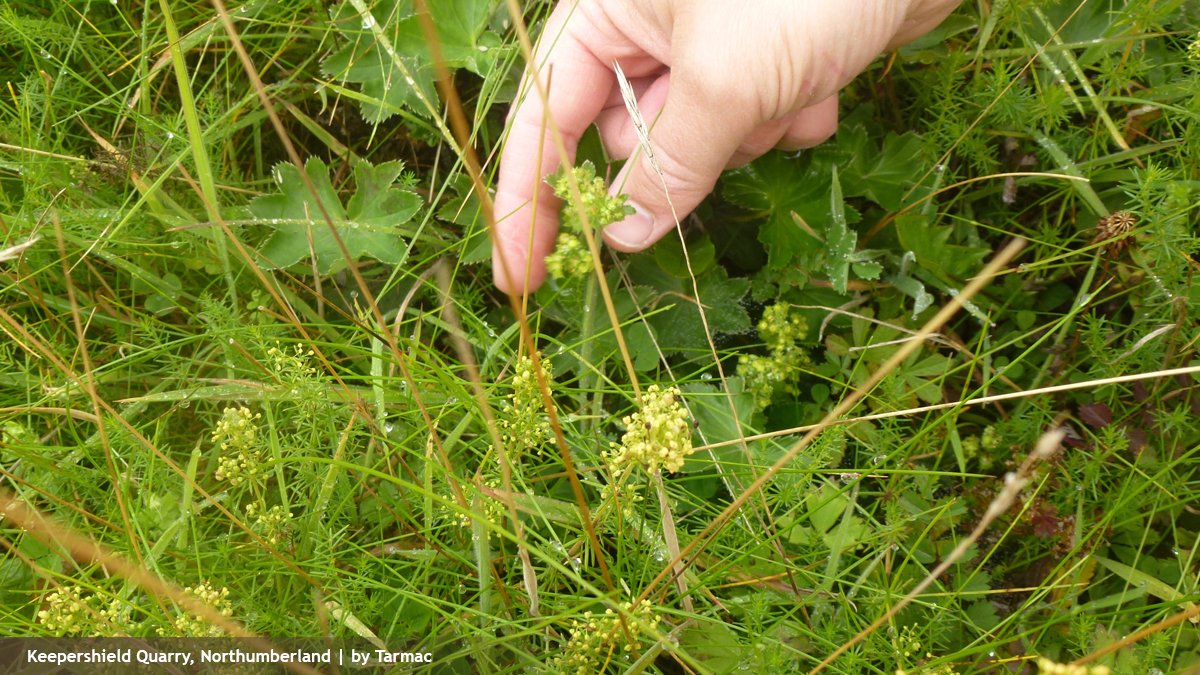
Shining Lady’s Mantle is at #47 in the MPA #QuarryNature50 countdown. Unique to Northumberland and restricted to a handful of locations, this species has benefitted from careful translocation of grassland prior to quarrying, with subsequent management. @wildflower_hour@NatureAM
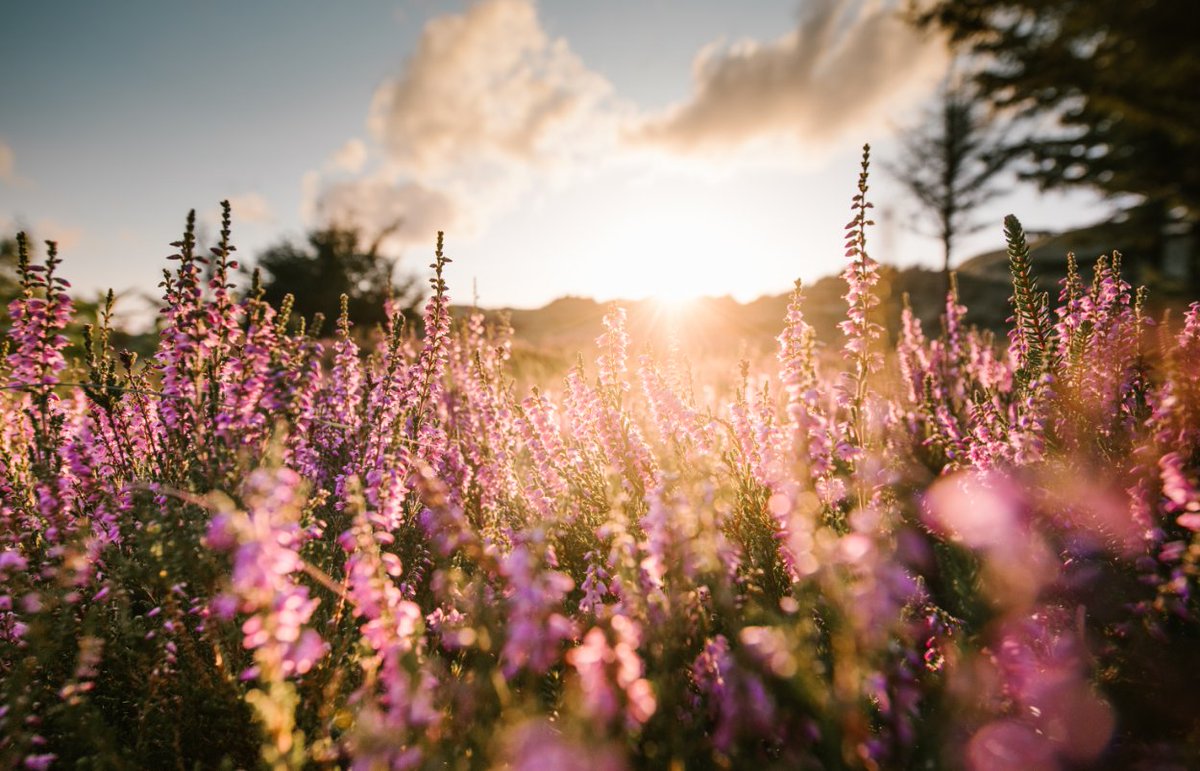
#Didyouknow that #heathland is even rarer than a rainforest? Due to its undeniable value to wildlife & biodiversity. In honor of #WorldEnvironmentDay, we would like to introduce the heathland restoration research led by Mary Lane at Sibelco UK #EUgreenweek https://t.co/YGd0T00R4U
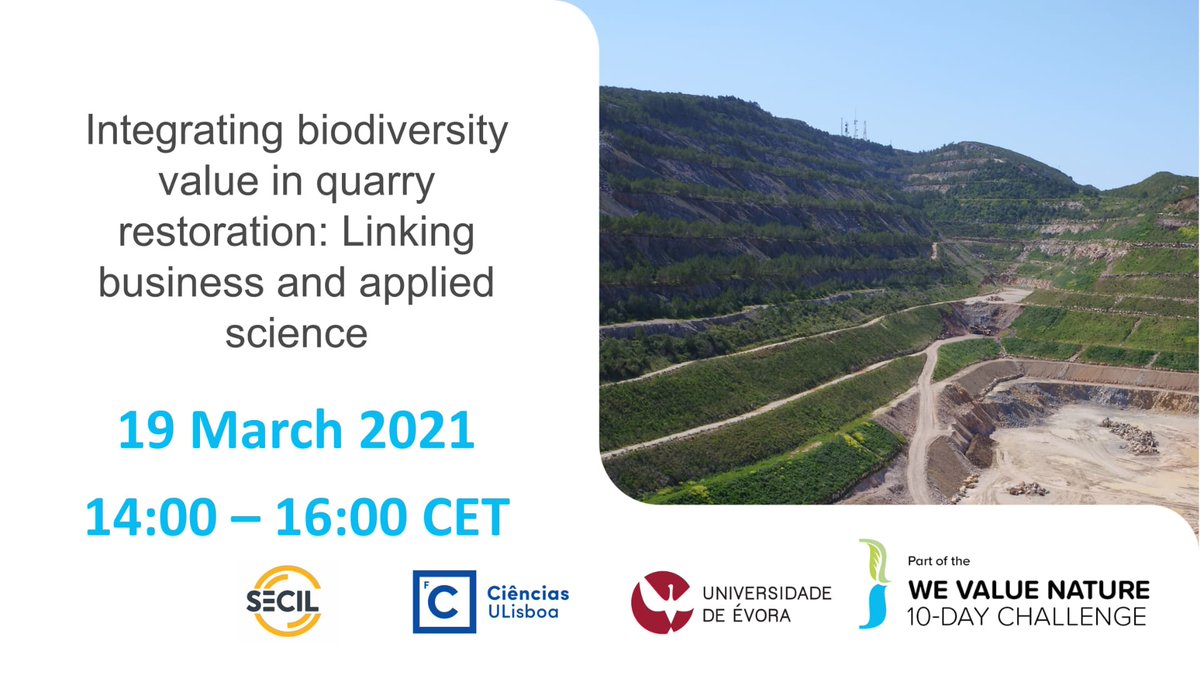
SECIL Biodiversity project will be represented at the @WeValueNature event next friday 19 March. A partnership between SECIL, @MED_UEvora, @CE3CResearch
Register at https://t.co/prUfl1RBdA