You probably don’t own enough hard assets.
For years I’ve been talking about a major change happening in the global economy.
If you’re new to markets, let me explain what I mean in really simple terms.
For roughly 40 years, investors became used to a world of generally falling inflation and falling interest rates.
That environment was incredibly good for financial assets like shares and bonds.
But economic environments don’t last forever.
In 2021, I started warning that inflation and interest rates were likely to become a much bigger issue. At the time, that view wasn’t particularly popular.
Then inflation surged. Interest rates followed.
In 2023, I said inflation could cool for a period before becoming a problem again later in the cycle.
But here’s the bigger point.
I don’t believe this was simply one inflation spike that came and went. I believe we’re still relatively early in a much bigger change in the economic cycle.
This chart helps explain why this matters.
It shows the rolling 10-year return from US bonds after inflation.
In simple terms, it asks: after holding bonds for 10 years, did your investment actually increase what your money could buy?
As of July 2026, the annualised real return was around -5.14%.
That’s what we call a real return.
Say your investment makes 5%, but the cost of living rises 6%. The number in your account has gone up, but what that money can actually buy has gone backwards.
And this is where the conversation around property becomes really important too.
Look back at previous major inflationary periods, particularly the 1970s. Property didn’t necessarily need to collapse in dollar terms for investors to experience poor real returns.
Once you adjust for inflation, there were periods where property actually went backwards in purchasing-power terms.
That’s something I think gets completely lost in the property debate.
When I talk about being cautious on property, I’m not necessarily saying property has to crash.
It could fall. It could move sideways. It could even rise modestly in dollar terms.
The bigger question is:
Is it the best place to park your money for the next 10 years?
Because if a property rises 3% a year while inflation averages 4%, you’re getting wealthier on paper while actually losing purchasing power, before even considering the costs of owning the property.
That’s opportunity cost.
And it’s one reason I’ve spent so much time talking about hard assets and understanding which hard assets are at the right stage of their cycle.
Gold. Silver. Commodities. Energy. Property. Farmland and other genuinely scarce assets.
They’re not all the same, and they won’t all perform well at the same time.
Being a hard asset doesn’t automatically make something a good investment at any price.
Price matters. Timing matters. Valuation matters. Cycles matter.
The investment environment that worked for the last 40 years may not be the environment that works for the next 10 or 20.
Sometimes the biggest risk isn’t watching the number in your bank account or the value of your house fall.
It’s watching the number go up, but everything else goes up faster.
You can probably already relate to that.
Do you own enough hard assets, and just as importantly, do you own the right ones at the right time?
Resource investing has a new dimension👇
I’ve created a platform that lets me share my raw work with everyone: interactive 3D deposit models, built from the drill results mining companies publish.
Spin it, slice it. Drag the cut-off and watch the tons react. Plug in your own copper price and costs and watch the economics move👀
Built from public data. My interpretation, not investment advice.
Check it out: https://t.co/Cq7ipRC3Ok
Good, no gaps in the ~0.7 "starter pit", next batch of results from the pad to the NW is a proper step out, looking to now bulk out the tonnes at > 0.4
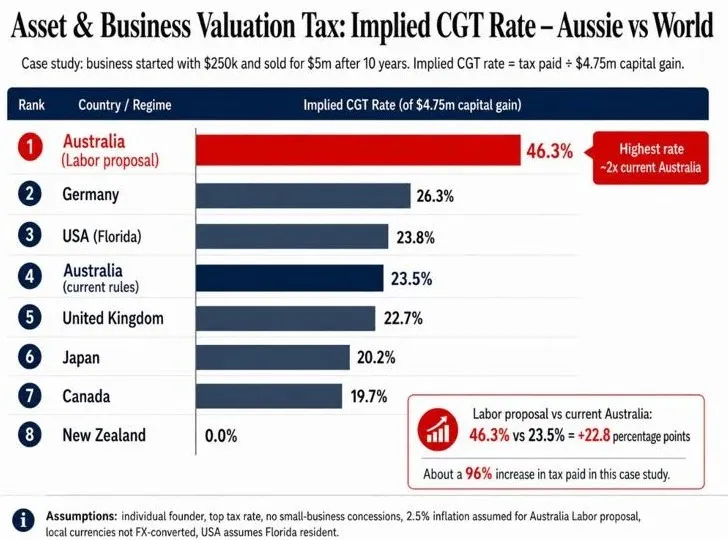
“50% CGT discount creates distortions and discourages investment” - @JEChalmers
“We are lowering taxes for non resident investors as it encourages investment” - Also @JEChalmers
It’s almost like they have no idea what they are doing
🚨 NEW ASSAY RESULTS 🚨
CDH010 at Cobrasco delivers another high-grade near surface intercept:
🔹 264m @ 0.63% Cu from 36m
🔹 within 504m @ 0.48% Cu
Mineralization footprint now ~1,200m x 550-700m and open in multiple directions.
CDH011 results imminent.
Full release below 👇
$ANDC, $ANDC.V