Just joined
@openmind_agi
FABRIC waitlist—the world's first robonet connecting machines globally! 🤖🌐 Join the future of machine-to-machine collaboration: https://t.co/bviy0wcax8… #FABRIC#OpenMindAGI
Vibe coders and creators can now tap into Pi Network’s massive user base of over 60 million Engaged Pioneers by easily bringing their external AI-created apps to Pi’s real distribution network and utility ecosystem through Pi App Studio!
Creators, who may be technical developers or non-technical product people, can build apps using platforms such as Codex, Claude Code, Replit, Cursor, Lovable or other AI-assisted coding tools, and then use Pi App Studio to convert those apps into Pi Apps.
That changes the equation for creators.
AI can already help people generate apps quickly; the harder part is distribution and turning those apps into products people actually use.
Pi helps close that gap.
Instead of rebuilding infrastructure from scratch, creators can connect their apps to an existing ecosystem with users, payment capabilities, identity verification, decentralized human infrastructure and platform-level tools already in place.
This feature makes Idea → App → Users that much faster.
Because your ideas are too good not to be seen.
Try the Pi App Studio Now! If you’re a vibe coder or know someone building apps with AI who needs distribution, head to Pi App Studio today to convert AI-created apps into Pi Apps and access the Pi ecosystem’s users, infrastructure, and monetization opportunities.
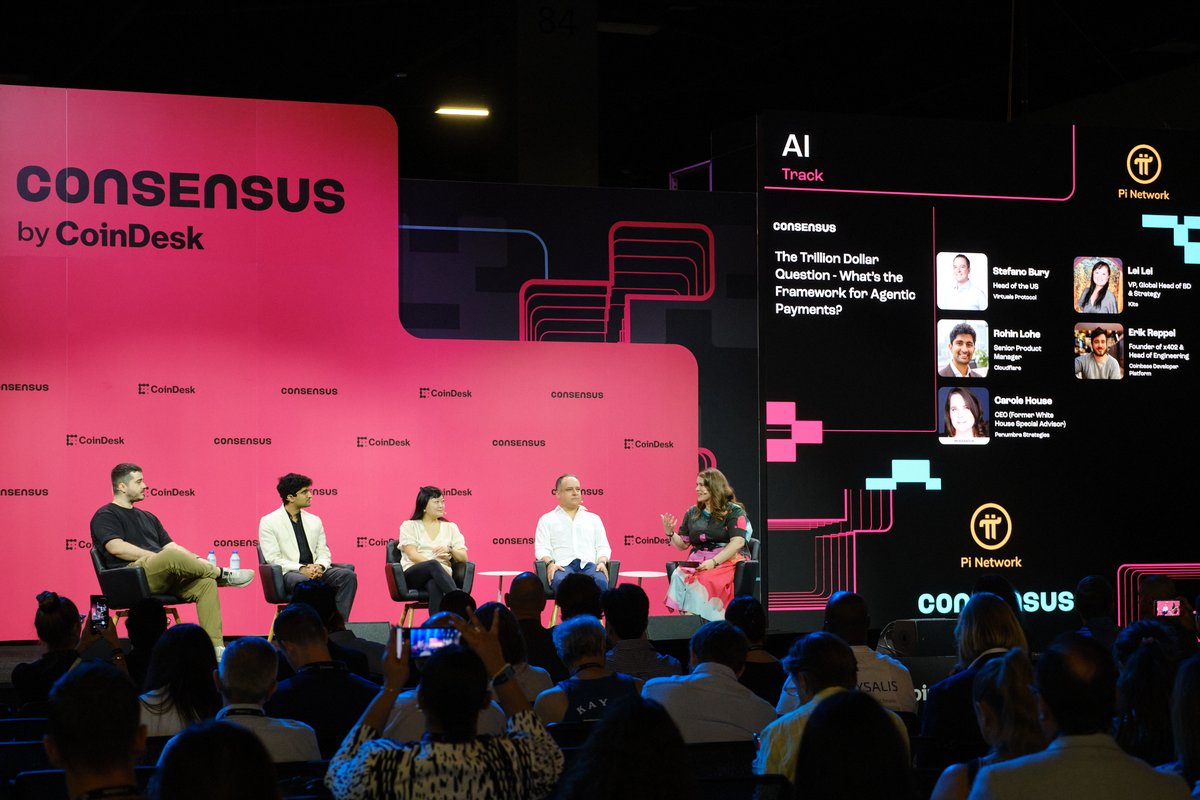
Pi Founder Chengdiao Fan spoke today at Consensus 2026 Miami in her session, “Aligning Web3, AI, and Blockchain for Utility.”
Dr. Fan shared how Pi’s blockchain infrastructure, identity verification, and a globally engaged network can support utility-driven products and businesses in the AI era.
Her talk built on a central challenge in the broader crypto industry: the frequent misalignment between token design and real innovation. While tokens in the industry have often been used primarily as capital-raising tools or quick exits, Dr. Fan discussed Pi’s approach to treat tokens as tools that can support growth, engagement, and long-term utility.
Pi’s approach to ecosystem tokens and launch mechanisms focuses on tokens for user acquisition and integrating token design into the product innovation process. By using tokens to help products acquire real users who can engage, provide feedback, and use those tokens within actual product experiences, this approach connects token design more directly to utility and product development.
More broadly, Dr. Fan’s talk invited discussion on how blockchain can help shape AI-era business models, financial literacy, ownership, and socioeconomic participation. As AI lowers the barrier to building, the focus shifts toward something harder to replicate: real users, real participation, and trusted human input at scale.
Stay tuned for the full session video!