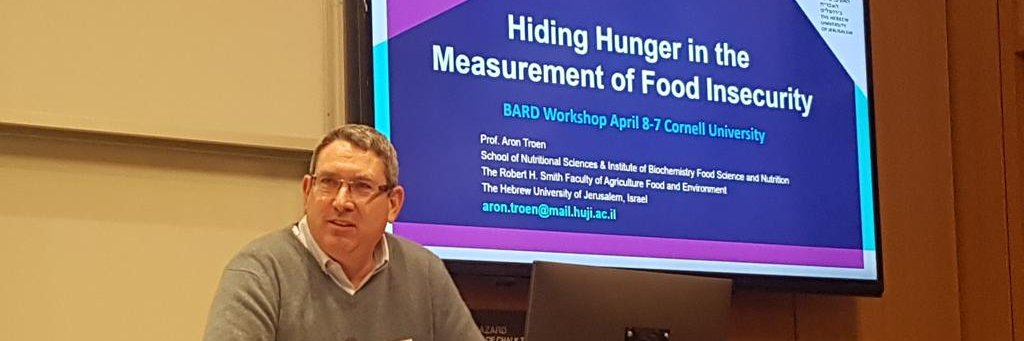
Principal Investigator in Nutrition and Brain Health, Public Health Nutrition & Policy at the Hebrew University of Jerusalem Israel - All opinions are my own
In light of the attempts by Hamas and other parties to misrepresent the humanitarian situation in Gaza since the start of the ceasefire, COGAT is publishing a comprehensive report today to present a full picture of the humanitarian situation in the Gaza Strip to the international community. The report is based on information received from international organizations, the UN, online reports, and studies conducted by professionals and experts in the humanitarian field.
The data in the report is clear and does not leave room for any doubt - the humanitarian situation has been stable since the start of the ceasefire, and the volume of aid that has entered Gaza far exceeds humanitarian needs.
To read the full report: https://t.co/nAtIJu8LaY
הכנסת הצביעה אתמול על ועדת חקירה פוליטית, פריטטית או כל שטות אחרת.
מבקשת שתעצרו שניה.
אלה ההורים שלי שחר ושלומי.
הם נרצחו במחדל נוראי שאם יטוייח יחזור שוב ושוב.
כבר רואים איך חמאס מתעצם בעזה.
תסתכלו על ההורים שלי ותחשבו על ההורים שלכם.
זה יותר מטיוח. זה חוק שיוביל למחדל הבא
🚨New Details: Behind-the-scenes planning for the “day after” in Gaza is moving forward, with concrete plans for humanitarian zones even if Hamas fails to disarm in near future
A series of meetings held this week in Cyprus brought together members of the Palestinian technocratic committee (NCAG), advisers to the Peace Council, High Representative for Gaza Nikolay Mladenov and Board of Peace Executive Board member Tony Blair.
Sources present in the meetings told i24NEWS the discussions went far beyond general principles and focused for the first time on concrete timelines, security arrangements, the number of Gazans expected to relocate, and the future governance of the Strip.
Participants say the key decision was to move ahead with the plan even if Hamas does not disarm in the immediate future.
Under the emerging plan, land and infrastructure preparations could be completed within 3–6 months, allowing the first civilians to move into areas inside the yellow zone. The first site is expected to be Tel al-Sultan, where tens of thousands of residents would be relocated initially, with temporary communities later expanding to house hundreds of thousands.
As long as Hamas remains armed, no permanent reconstruction using heavy building materials will take place. Instead, the plan calls for high-quality temporary housing, schools, healthcare facilities and employment opportunities.
Security inside the new areas would be handled by a new Palestinian police force trained in Egypt, alongside an international stabilization force expected to deploy in the coming months. The IDF would maintain the outer security perimeter and withdraw only from areas where a civilian population has been established.
Major questions remain unresolved — including how residents will be selected, what the demographic makeup of the new zones will be, and how to prevent Hamas from deciding who gets to leave for the new areas.
Sources involved in the talks say the decision to push ahead without waiting for Hamas to disarm stems from growing international pressure to improve Gaza’s humanitarian situation, as well as a US desire to create momentum on the ground and begin building a civilian alternative.
According to people involved in the planning, the initiative is not being framed as a concession to Hamas, but as an attempt to reduce its control over territory, civilians, aid, money and services. The distinction, they argue, is not between humanitarian relief and reconstruction, but between rebuilding under Hamas control and creating spaces outside Hamas rule. Advocates of the plan say under Hamas would have no role, authority or operational control inside the new zones.
One participant warned: “Hamas will try to sabotage every stage of the plan. That’s why every detail is being examined several steps ahead. Adjustments will be needed, but the sense is that the process has already begun — and no one wants to stop it.”
The conventional wisdom is that Israel's center-right opposition fears making political compromises with the Palestinians and the Arab world. Our latest survey suggests the opposite. Supporters of Bennett, Eisenkot, Lapid, Liberman, and Yahad are not just voting against Netanyahu—they are signaling support for a genuine diplomatic alternative. Perhaps the biggest obstacle to a policy change in the future is not the electorate, but what opposition leaders think their voters believe. My latest @Jerusalem_Post op-ed
https://t.co/JUYkgi4bZ7
Our formal response in The Lancet Global Health was relatively brief and rather technical, as the format required.
I'm therefore grateful to the Jewish Chronicle for giving me the opportunity to present a more comprehensive - and, hopefully, more accessible - explanation. The link to the article is in the first comment. 👇🏼
I went to an Israeli hospital.
I wanted to make this video for the last 7 years. This is what I grew up seeing. Now, you can see it too. Thank you @Hadassah for giving me access!
7.1000 - מפולת ידועה מראש: אם מנהיגנו ימשיכו לברוח מדין וחשבון, ולחסום את חקר האמת והפקת לקחים, אזי דמינו בראש ממשלתינו. אל תתנו להם להשטמת מאחריות, להתכחש להפקרה, ולקבור את עתידנו המשותף כפי שקברנו את מתינו. זה בנפשינו.
https://t.co/o6eWhXH1gb
1000 ימים לאסון ולמחדל הגדולים ביותר בתולדות המדינה.
ישראל לא הכריעה את אויביה באף חזית. חמאס שולט על 40% מרצועת עזה, חיזבאללה מתעצם וישראל מנועה מלתקוף אותו בבירות, איראן ממצבת את עצמה כמעצמה אזורית ועדיין מחזיקה באורניום. אין אסטרטגיה לשינוי המצב. חזרנו לניהול הסכסוך.
אבל זה לא הכל. מצבנו הבינלאומי נוראי, המדינה מבודדת ושנואה. החברה בישראל מקוטבת, מפורקת, מוסדות המדינה לא משרתים את האזרחים, הפשיעה בשיא, החינוך במשבר, המילואימניקים קורסים, החברה החרדית מנוכרת לרוב הישראלי ודורשת פריבילגיות שהממשלה מזדרזת לתת על חשבון השאר. נשים מודרות ומושפלות באופן שגרתי. בשטחים הטרור היהודי משתולל ומתבצע טיהור אתני זוחל בגיבוי הממשלה.
הניסוי המכונה ממשלת ימין על מלא נכשל כישלון איום.
ראש הממשלה עדיין לא לקח אחריות.
הוא גם לא ייקח אחריות על האסון הבא.
7.1000
אלף ימים של שבעה, וניסיון מתיש לתשתש והכחיש ולהשכיח את מלוא גודל המחדל הנורא ראשי המדינה. לא נשכח , לא נסלח , ולא ניתן להשכיח. האזינו לעדותו של רותם מתיאס בפני הנציבות האזרחית ואמנסטי ישראל אודות רצח אמו ואביו ומאבקו לשרוד ב
7.10.2023. מאז עברו אלף ימות מאבק מבלי שהאחראים נתנו את הדין, ועוד היד נטויה. לא ניתן לקבור את האמת כמו שקברו את הוריו. מגיע לו ולכולנו הנהגה חדשה, הגונה ואחראית, שתסתכל לציבור בעיניים , ותביט למציאות בעיניים. רק כך נבטיח ולכולנו עתיד כאן. https://t.co/GfwebMWFfJ
Two academic papers on Zionism appeared within weeks of each other.
One is Iranian regime propaganda: it argues the Mahdi will defeat Zionism at the end of days, with hadiths offered as proof. The other is by a Tufts professor in a peer-reviewed Routledge journal, arguing "sacralized politics" drove Israel to genocide.
Strip the vocabulary and they're the same paper — the respected one is just as biased, and just as built on fantasy, as the regime tract.
Both mind-read: they define Zionism by an intent they project onto it instead of reading what Zionists write. Both collapse secular and religious Zionism into one object, because separating them kills the thesis. And both judge Israel against a fantasy — the Iranian paper against a perfected post-Mahdi utopia, Rouhana against an idealized Zionism that "never fell." Israel loses by design, because the ideal was built to make it lose.
Neither can be touched by anything Israel actually does. The peer review changed nothing: it certified the fantasy instead of catching it, because the reviewers started where the author started.
https://t.co/ETBKYAPgyN
מאז השחרור מהשבי יצא לי להכיר כמה גורמי עבודה במנגנונים הישראלים השונים שעבדו על תיקי שו"ן. הם אנשים מדהימים, מונעים מדחף להציל חיי אדם, שכמעט ולא ראו את המשפחות שלהם מאז ה-07.10, והתמודדו עם משפחות חטופים מתוסכלות שלא מצליחות להגיע לדרג המדיני ולכן השמיעו את זעקתן באוזניהם. בסופו של דבר, אני יצאתי מהשבי בזכות ממשל טראמפ מבלי שישראל (או ארה"ב) נתנו דבר תמורתי, אך אנשים כמו ניצן אלון עשו כל שביכולתם עבורי ועבור החטופים בעזה. מאחלת לאנושות כולה מנהיגים כמוהם.
@MathiasShir גם אני לא נרדם, אלף לילה ולילה, והסיפורים שאלו עם היד על ההגה מספרים לנו, רק מבעיתים יותר. טוב שאת כותבת, אני רואה שכבר מאות אחרים של מחוסרי שינה ומתהפכים על מצעם דורשים גם הם את הצדק, בקשת הסליחה והמחילה. אם כולנו נרצה, גם הם יעלמו יום אחד, ויהיה אפשר לבנות כאן עתיד טוב יותר.
מתהפכת במיטה.
לא נרדמת.
מחר ימלאו 1000 ימים שאני יתומה מאבא ואמא.
1000 ימים שאף אחד מאלו שהיו עם יד על ההגה, לא טרח להסתכל לי בעיניים ולבקש סליחה.
מבחינתם זה בקטנה, כולה אבא ואמא שנרצחו באכזריות ונעלמו ביום אחד
תודה אישית @ShikmaBressler תמונה של אחותי שחר ושלומי ובתם שיר, צולמה בימים מאושרים יותר בשמחת בת המצווה של ביתי, הבת דודה של שיר. מזעזע לראות את התמונה בפיד, כאילו הם כאן, ממשיכים להאבק לדמוקרטיה, אמת, חמלה, תקווה, אחריות, ערכי יסוד בסיסיים של אהבת האדם וכיבוד הזולת, והגינות בסיסית שהיו נאמנים להם בחייהם. לא נשכח, לא ניתן להכחיש ולהשכיח, ולא נרפה. זה אכן בנפשנו.
The most revealing moment in Zohran Mamdani's recent ABC interview was not what he said about Israel. It was what he assumed about Judaism- and his embrace of a centuries-old attempt to erase the Jewish people's nationhood. My new piece:
https://t.co/fZW4vyICf2
Right this moment, across the Gaza Strip, Hamas’s police, intelligence units, and al‑Qassam Brigade militias are fully deployed to crush the June 26 protests planned by civilians who want to voice their opposition to the group’s authoritarian, fascistic rule. In a new escalation, armed operatives from the Iranian‑funded Palestinian Islamic Jihad have joined Hamas, positioning fighters across Gaza to rapidly arrest, shoot, or disperse any gathering that could turn into a demonstration. Even more alarming, a national security source tells me that four days ago, communications were intercepted from Lebanon and the Islamic Republic of Iran advising Hamas on how to deter Gaza’s population and how to confront protesters with a “low visible footprint” once demonstrations begin.
Hamas has also unleashed hundreds of fake “journalists,” tribal figures, social‑media “influencers,” humanitarian “activists,” and other regime‑aligned voices to denounce the June 26 protests as “suspicious” and “Israeli-backed.” Given the scale of this state‑sanctioned terror apparatus, it would be surprising if large numbers of Gazans manage to demonstrate as originally envisioned. Yet a handful of activists with almost no resources have already rattled Hamas’s entire security infrastructure, and the broader “Axis of Resistance” so loudly celebrated by many in the Western “pro‑Palestine” movement. That alone exposes just how many supposed allies of the Palestinian people are, in truth, nowhere to be found when Gazans stand up to their actual oppressors.
One of the biggest problems with Israel's political leadership ahead of the next elections is that many still fail to grasp how dramatically Israel's international standing has deteriorated.
Calls to topple Hamas through a prolonged military campaign in Gaza come with a significant cost: further eroding what remains of Israel's international legitimacy. Likewise, another strike on Iran without the backing of the U.S. administration would be an unprecedented gamble with Israel's security. And perhaps most importantly, there is still little recognition that the strategic reality has fundamentally changed after the Iran campaign. The idea that regime change in Tehran is a realistic policy objective is no longer credible.
Much of Israel's political discourse remains rooted in the assumption that Israel can continue using military force while preserving broad international support. From Washington to European capitals, however, the prevailing perception is that Israel has reached a crossroads. Continuing down the same path will almost certainly come at the expense of its already weakened international legitimacy.
This is about more than hope for Israelis or ending an endless cycle of war. It is about a basic strategic reality: actions that much of the international community tolerated in the past are unlikely to receive the same acceptance in the future.
It is difficult to speak about economic growth, attracting investment, or reversing the emigration of talented Israelis while simultaneously advocating for the military overthrow of Hamas or another war with Iran. That contradiction suggests many Israeli politicians still underestimate how damaged Israel's global image has become.
Those who believe Iran is Israel's greatest threat should pay close attention to what the world is saying about, and increasingly to Israel.
Most Israelis do not want to live in a modern-day Sparta. Ironically, the recent confrontation with Iran also exposed the limits of Israeli military power. Even with remarkable operational successes, military force alone cannot solve Israel's long-term strategic challenges.
Israel may not be an island geographically, but it is very much one geopolitically. Its economy depends on trade with Europe, and its security depends heavily on its strategic partnership with the United States. Both relationships could come under increasing strain if Israel continues on its current course. The same is true for the peace agreements with Egypt and Jordan, which remain pillars of regional stability.
These are the issues Israel's political leadership should be focused on, not promises of another strike on Iran or claims that Hamas can be eliminated through military force alone. The central challenge today is preserving Israel's long-term security, international legitimacy, and strategic partnerships, not pursuing objectives that may prove unattainable at an unsustainable cost.
If the goal is to strengthen the world's only Jewish state over the long term, it will require a fundamental strategic reassessment, not simply promises to continue with more of the same. That is the leadership Israel needs today.
Excellent paper by philosopher @QCassam. It's very rare to read such an unflinching, level-headed analysis about the Gaza war in an academic journal these days!
"Until now, wars have largely been fought on the assumption that: (a) it is possible to lose militarily without being totally annihilated; (b) in such cases, the losing side recognizes that it has lost and gives up because it recognizes that it has lost; and (c) there are limits to how much pain and suffering each side is willing to tolerate before it sues for peace. Even the Japanese surrendered at the end of the Second World War once the United States deployed nuclear weapons. In contrast, Hamas and Iran like to give the impression that they are fanatics who will not accept that they have lost as long as they are still standing and do not care at all about the wellbeing of their own people."
https://t.co/ydAaMIWItm