This was five years ago today. A victims assistance coordinator encouraged three of us to write it (I composed it with their significant input), and then we asked others to sign it with us. We had a tight timeframe because we were wary we'd get caught before it could be sent. We used a temporary Jotform account to collect the signatures so everyone had plausible deniability about who exactly signed the letter (priestly obedience means a bishop can shut down whistleblowing pronto if he knows who’s doing it). Over several tense hours, we distributed the e-copies, collected the e-signatures and then printed and mailed the letter to the nuncio and a copy to the metropolitan, with the printing and mailing process video-recorded for accountability. Twice as many priests said they'd sign it as actually did, quite understandably (the Holy See does not do anything to protect, validate or even acknowledge the existence of whistleblowers). A lingering question I have: can the Church be a safe environment for children without being a safe environment for whistleblowers?
https://t.co/lqpAv0N0oE
got a Vivaldi Edition CD and one of the movements in a concerto is marked "Largo a piacimento" and I choose to believe it translates to
"big as ya like"
This week is the last week for parishes to get their bulletins off MS Publisher.
I have some evening openings if you’re getting stuck and need some training. I’ve done this with dozens of parishes— you can do it! DMs are open. https://t.co/uDlMxSptHe
@davidpdeavel It is puzzling how the nations most eager to rid themselves of the British and French seem even more eager to rid their nations of themselves. It would be like Americans fighting the Revolutionary War and then promptly moving to Europe.
A Dominican provincial in Poland once refused to answer her questions, arguing that she “decided to become a spokesperson of the victims and the role of the spokesperson is irreconcilable with a role of a journalist”. Church leaders see priestly predators simply as weak priests who gave in to the temptation to “have sex”, and they view victims as troublemakers seeking to embarrass those weak priests (and make a little money in the process). But she’s trying to point Church leaders in a different direction.
Paulina Guzik has an unusual grasp on the Catholic cover-up culture that enables priestly sexual predation. I’m reading her book now, and almost every page so far contains excellent insights. But are any bishops reading this book? If so, are they discussing it amongst themselves? Or, am I highlighting points in it that I’ll never see applied in the Church? I don’t know whether mine is just an autistic obsession or a genuine prophetic mission, but I’m exhausted, yet inexplicably hopeful.
@lukei4655@FrDylanSchrader He has an entire fraternal organization supporting his cause. Secular priests who only led parishes and nothing more are almost always forgotten as soon as they die, no matter how saintly they were.
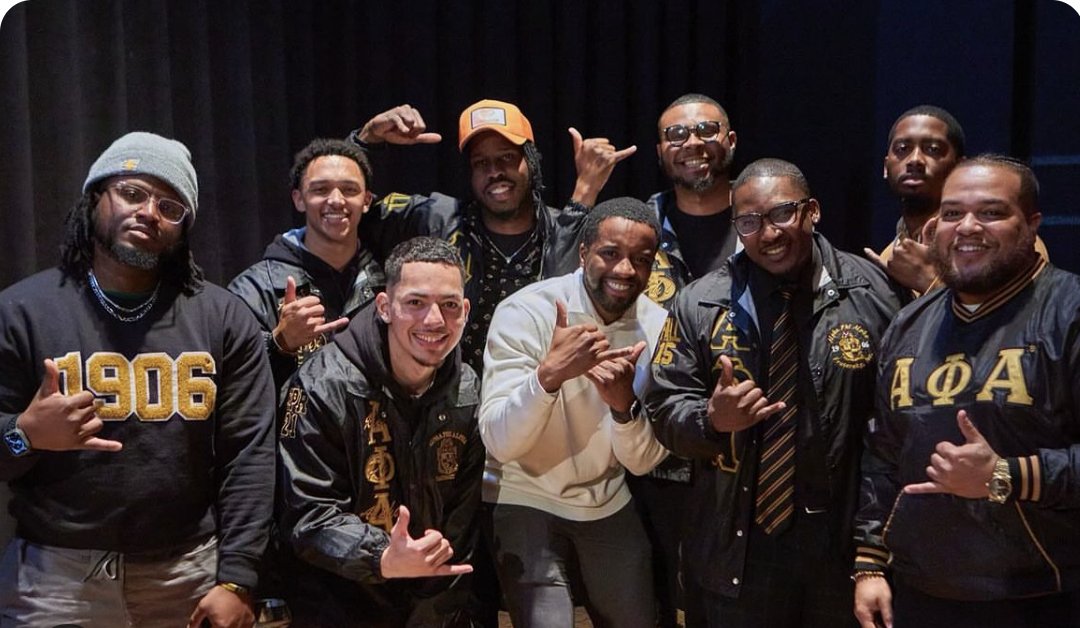
Having attended college and graduate seminaries, I'd say the same is true. The seminary is a monastic experience where you learn to be both alone and together, an excellent preparation for parish ministry. But surely priestly fraternity should grow from the seminary experience, rather than dying immediately after it.
I regularly speak at fraternities across the country. I often here alumni say that college was, "the best years of my life." Over the years, I've come to understand that what they mean is that college was the last time they had friends to hangout with on a regular basis.
@JLLiedl Troublesome as the German situation is, I do wish the pope were slightly more constrained in choosing bishops around the Western world. Although they're misusing it, the selection process is the one thing German Catholics have right.
We can't have Liberal Democracy without a commitment to the Natural Law, and we can't sustain a commitment to the Natural Law without Christianity, and we can't have Christianity without Catholicism, and we can't have Catholicism today without Liberal Democracy.
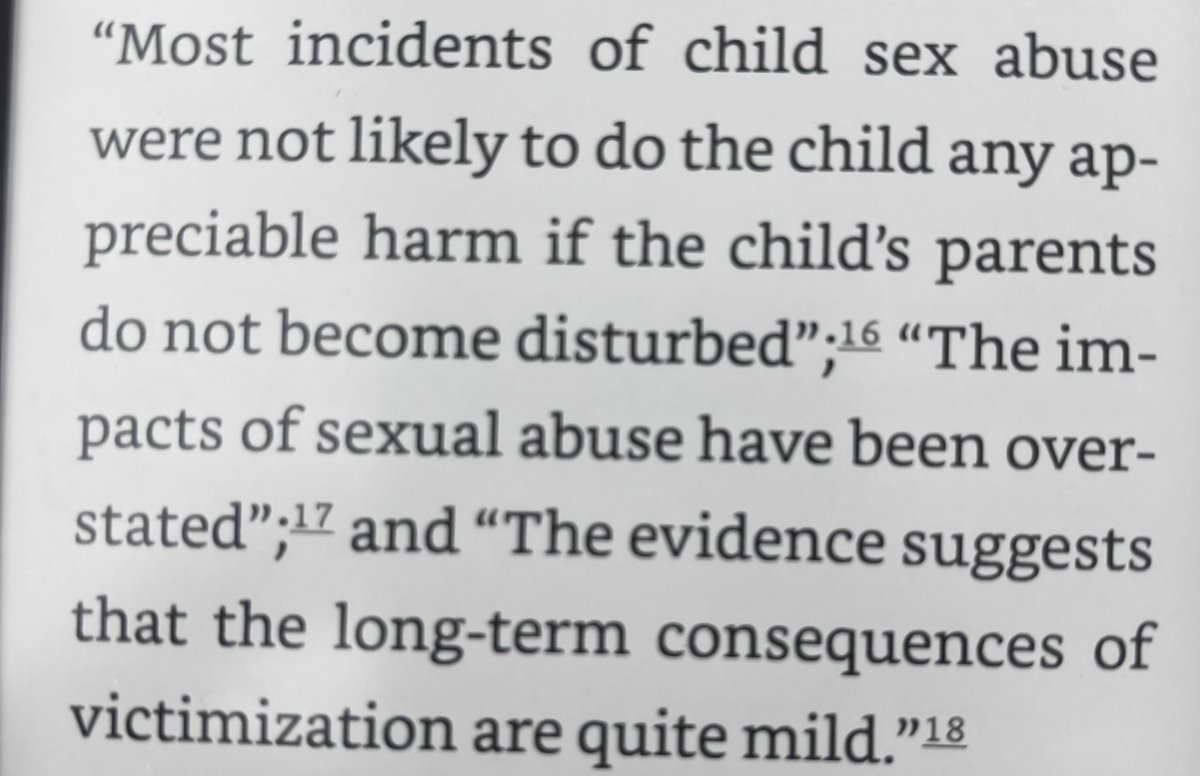
I was disturbed by his report on sexual assault upon seminarians, which seemed to minimize concerns, mainly by revealing such assaults are rare. What I thought he misunderstood is that predators tend to attack stragglers, not the whole herd. The fact that only one or two percent are attacked, rather than 20 or 30%, does not mean our predator problem isn't so bad.
I remember how the introduction of the Internet into seminary dormitories impacted fraternal life. Gone were the days of sitting in the hallway chatting. Within just a few weeks everyone transitioned to being in their rooms all the time sitting at their computers (no one claimed all that time was for schoolwork). Then came smartphones. At this point, a man who doesn’t use the Internet or smart phones might be an extreme introvert and still be the most social person in a room.
Where was the voice of the Church during all those developments? But now suddenly with AI, we’re expected to slam on the brakes.