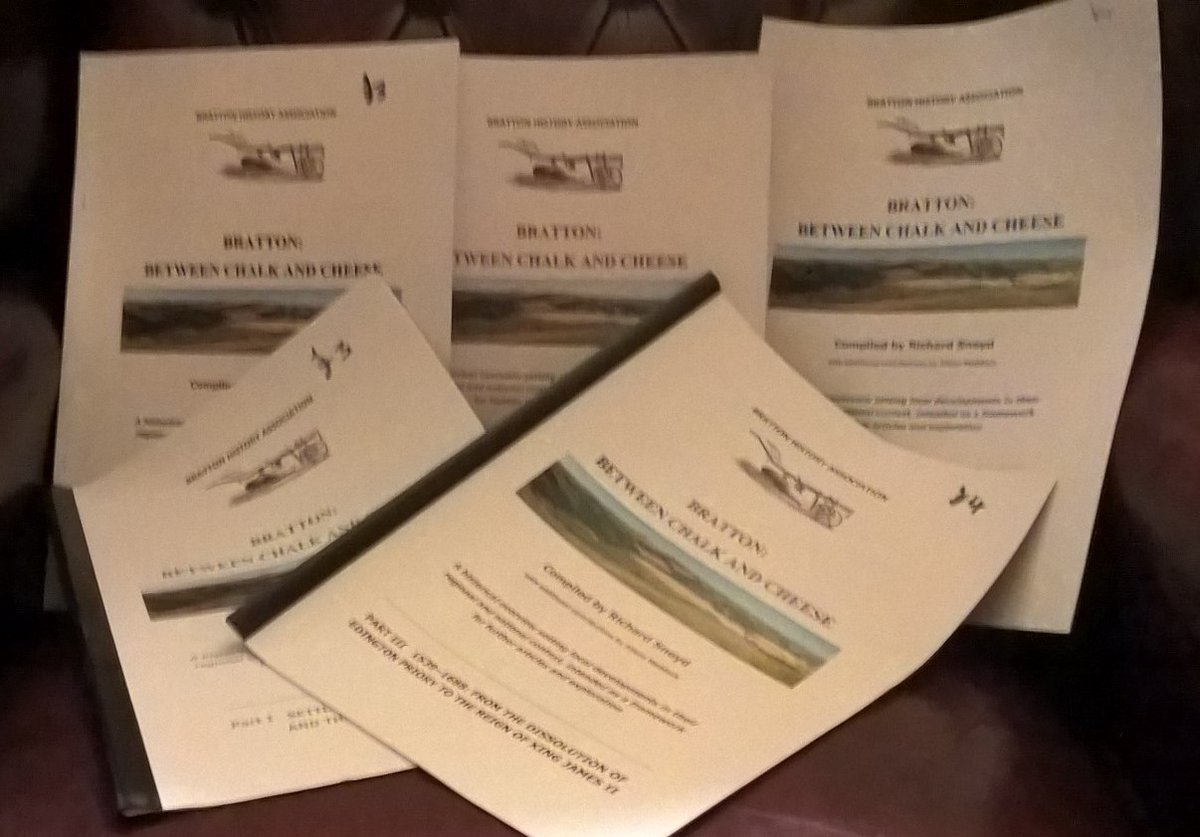
Learn more about the history of Bratton through our digital archive or by purchasing our set of booklets 'Bratton Between Chalk and Cheese'.
See our website for details https://t.co/3VGOLCrgKv
They say that for Queen Victoria’s Golden Jubilee in 1887 it was decided to tear down the public schoolroom near the Baptist Chapel and erect a hall in the centre of the village, for concerts, entertainments and other gatherings. The cost of £160 was met by public subscription.
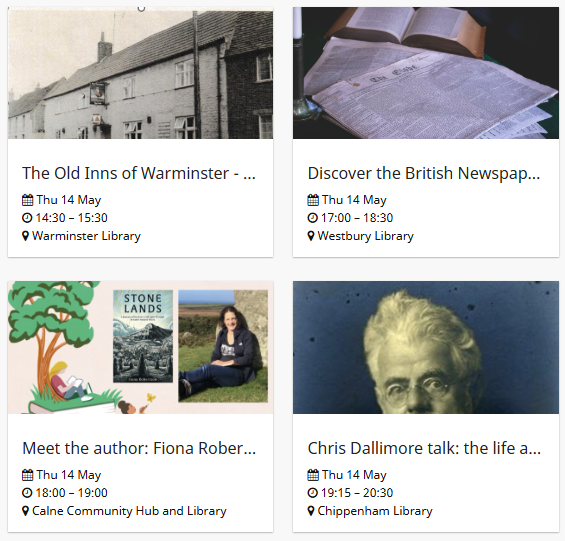
We're celebrating Local History Month with talks, workshops and interesting displays in our libraries and reading suggestions on the Libby app.
Find out what's on: https://t.co/4CFiWnwBa8
Our last meeting before our summer break!
Please come along on Sunday 17 May, at 5pm, to discover - through old photographs - how Westbury has changed through time.
£2 members; £4 non members (pay on the door).
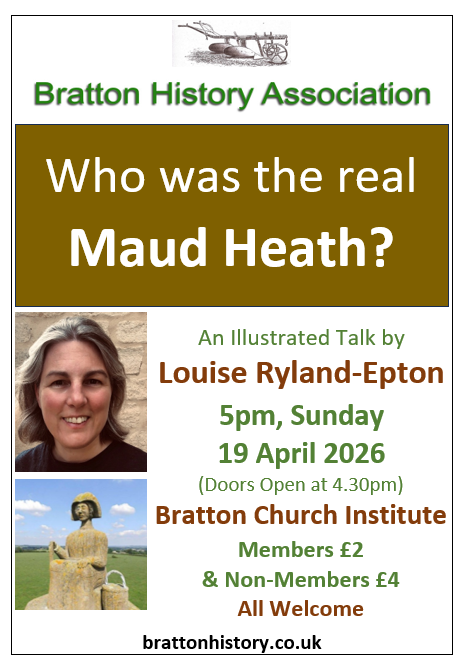
Maud Heath, a 15th-century Wiltshire woman, was spectacularly misremembered in history. What was she remembered for, and who was she really? Come to our next meeting this Sunday (19 April) to find out!
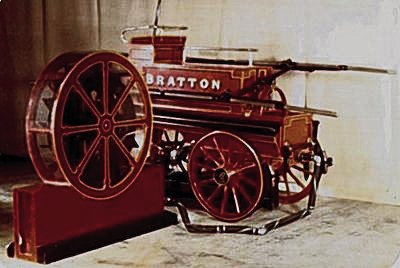
They say that when the old and ‘effete’ fire engine, obtained from Westbury in 1874, had become ‘effete’ and practically useless 24 years later, Mr Oswald Reeves oversaw a local subscription to raise £66 to buy a good-as-new, thoroughly up-to-date, engine from Shane, Mason & Co.
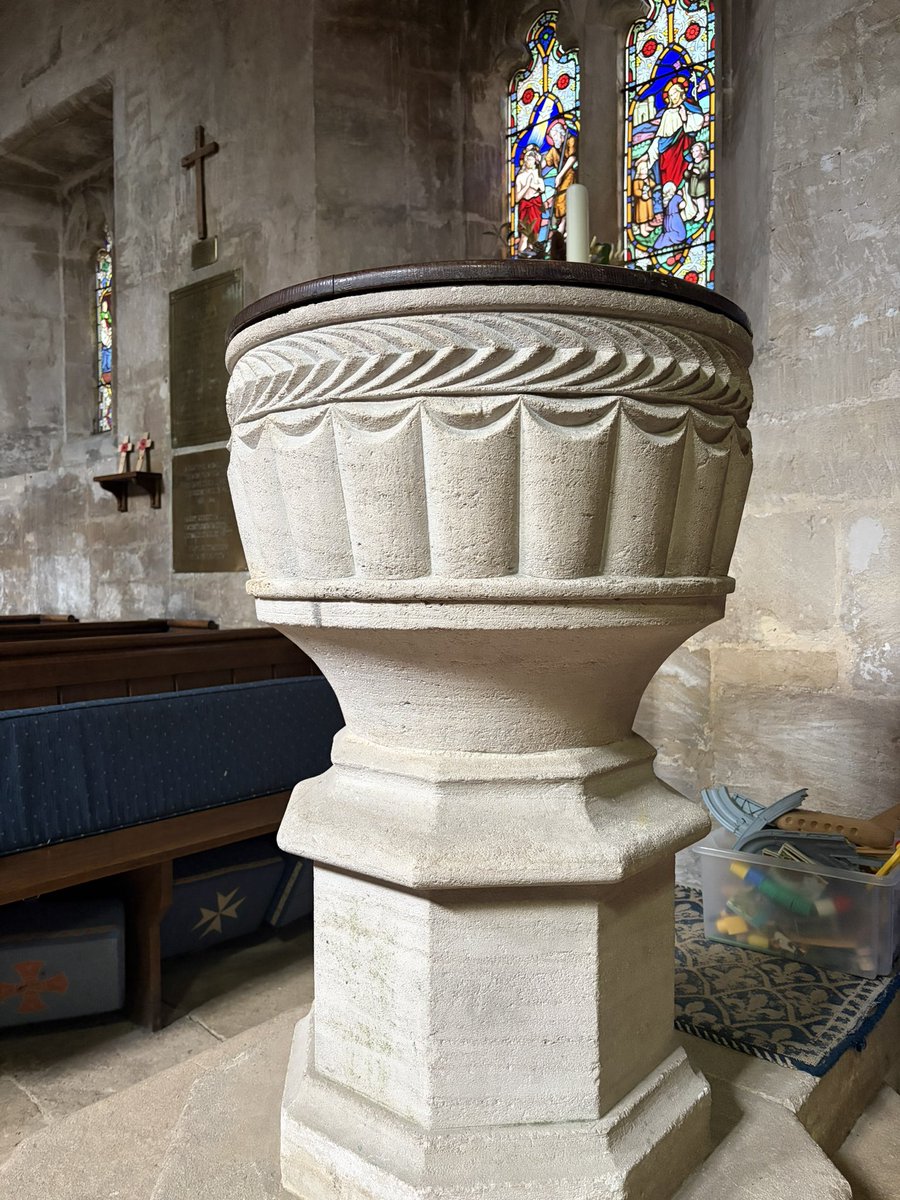
Restored too well or back to its original beauty?
Norman font in Bratton #Wiltshire diligently retooled in Thomas Henry Wyatt’s Victorian restoration. #FontsOnFriday
They say that when the new Council School opened in 1928 Miss L. Burgess, an untrained certified head teacher at the non-conformist British School for 21 years, was paid more than Mr R. Cherry, the trained head teacher, for the first 2 years and was then on equal pay thereafter.
Maud Heath, a 15th-century Wiltshire woman, was spectacularly misremembered in history. What was she remembered for, and who was she really? Come to our next meeting on Sunday 19 April to find out!
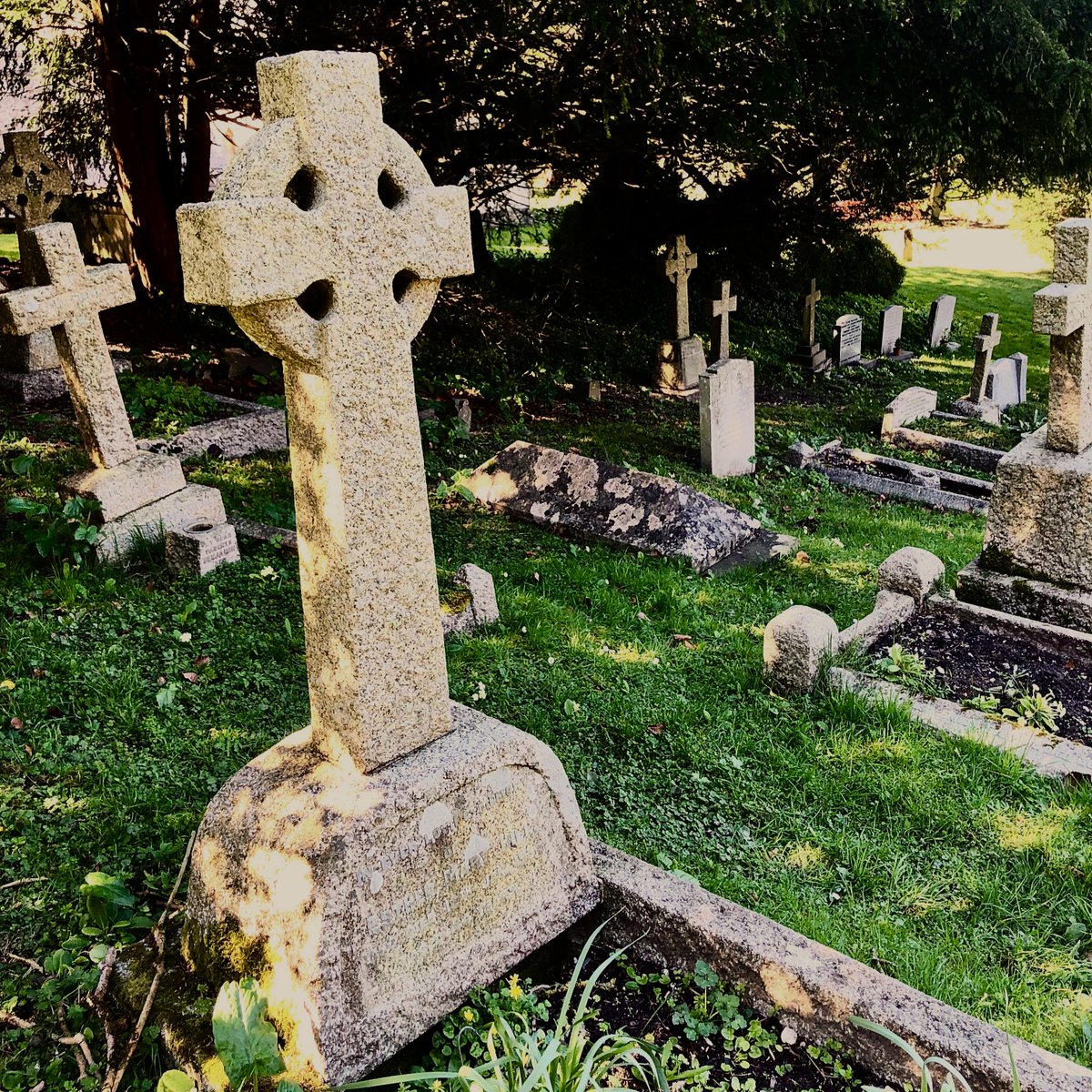
They say that in 1920 Miss Esther Hill became the first female County Educational Committee Officer, with her cheer and encouragement welcomed in every school. When she died in 1934, aged 44, her wish to be buried in Bratton was honoured and the churchyard thronged with mourners.
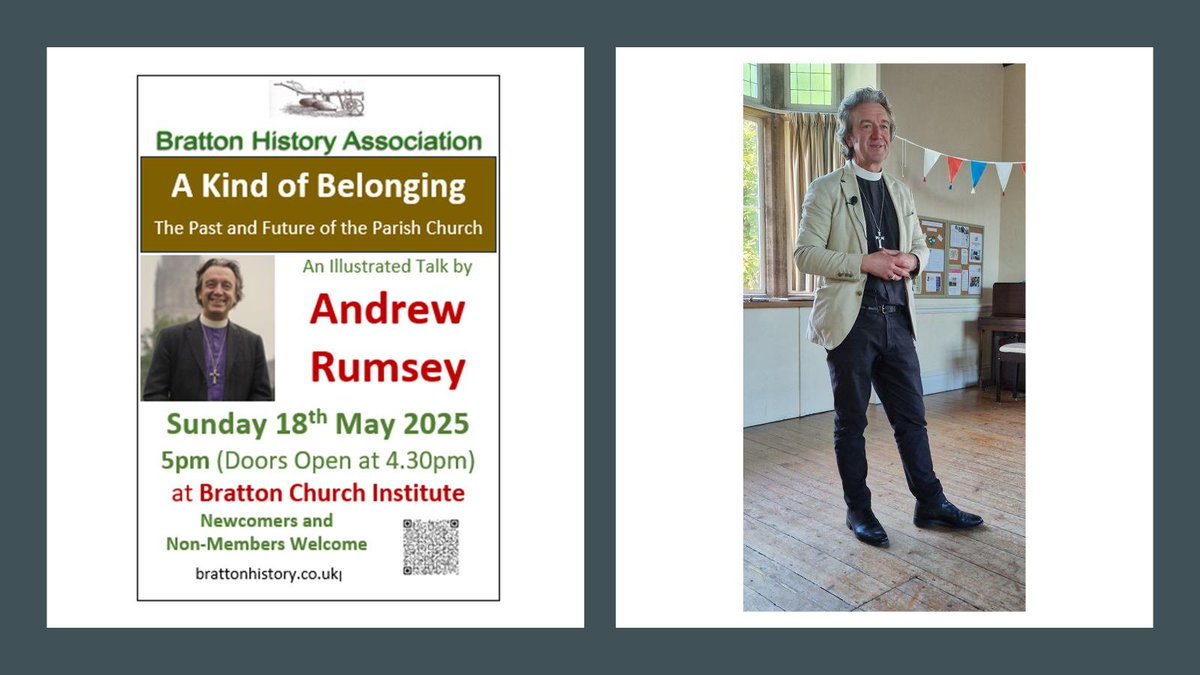
It was a huge pleasure to host Andrew Rumsey, Bishop of Ramsbury, on Sunday. His entertaining and stimulating talk generated such a lively discussion that we could have continued for hours ... luckily for him, he had to leave to take Evensong at a local church!
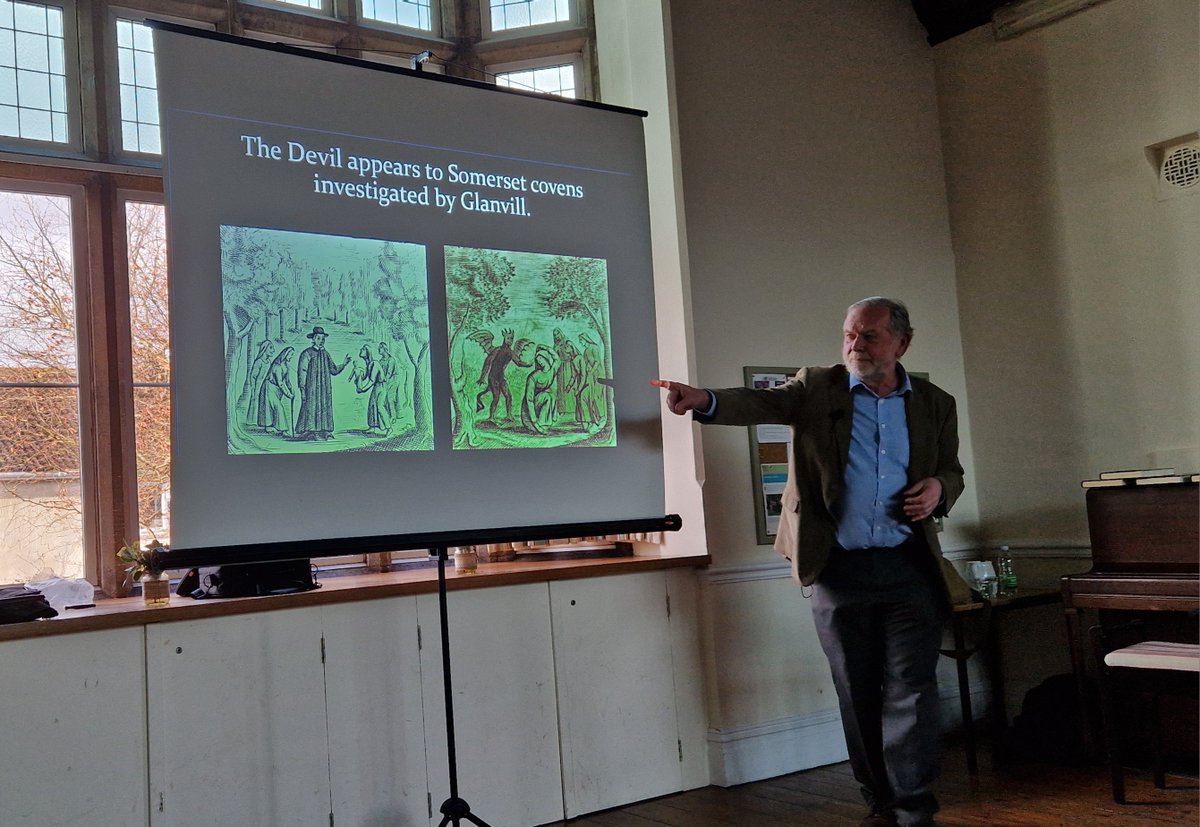
A huge thank you to Tony McAleavy for an excellent talk yesterday on 'Witches in the West Country: 1650-90'! It was fascinating to hear his compelling evidence that the instigators of the Salem witch trials were influenced by the writings inspired by the West Country witches!
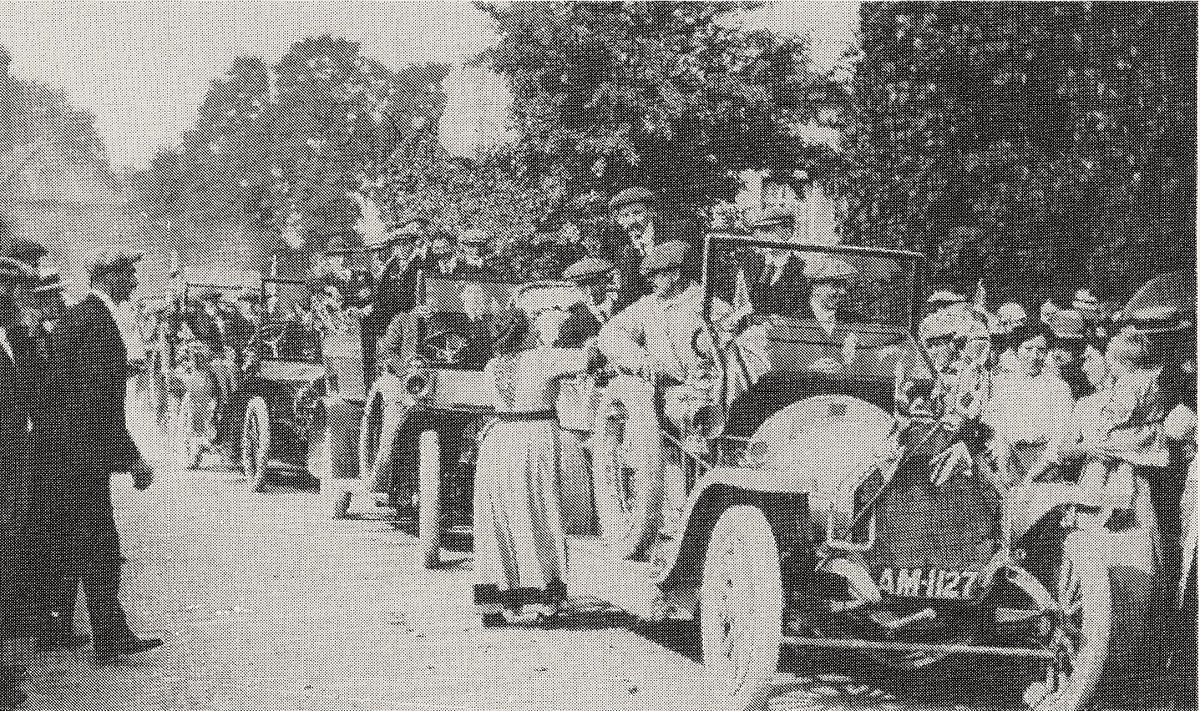
They say that on Monday 7th September 1914 twenty men sat down to a breakfast at The Duke Inn before departing for Devizes to enlist at 9 o’clock, driven in motor cars provided by Mr Reeves, Mr Miller and Mr Laverton, with the Bratton Band leading the procession out of Bratton.
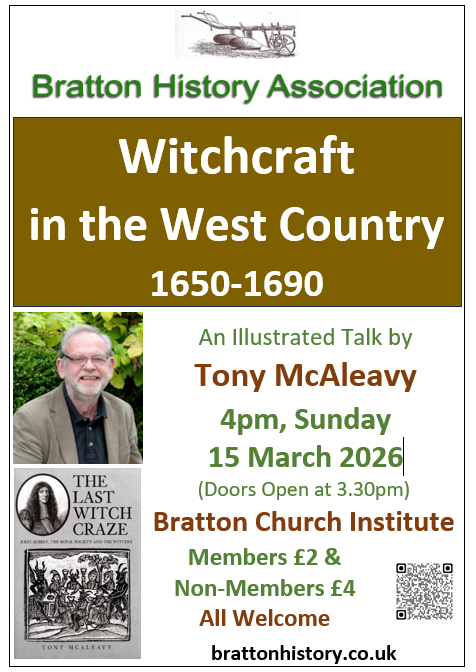
Several women from Wiltshire, Somerset & Devon were put to death for witchcraft in the second half of the 17th century.
Come and discover their stories - and the less known part played by the Rector of Bath Abbey - at our next talk on 15 March!
More information on our website!
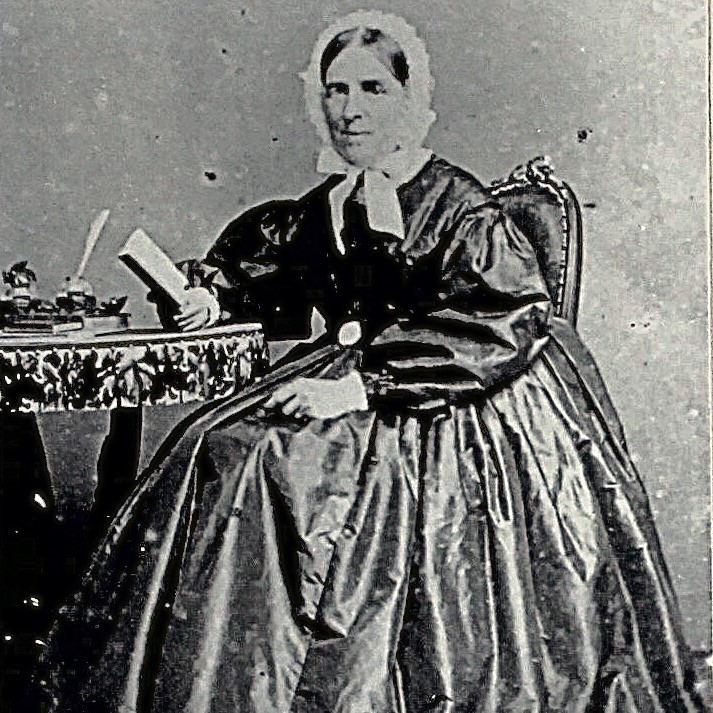
They say that Jane Whitaker started a lending library, formed a reading circle, and in 1837 launched a high-minded literary magazine covering current affairs, statistics, farming, horticulture, literature and philosophy titled ‘The Village Rill’.
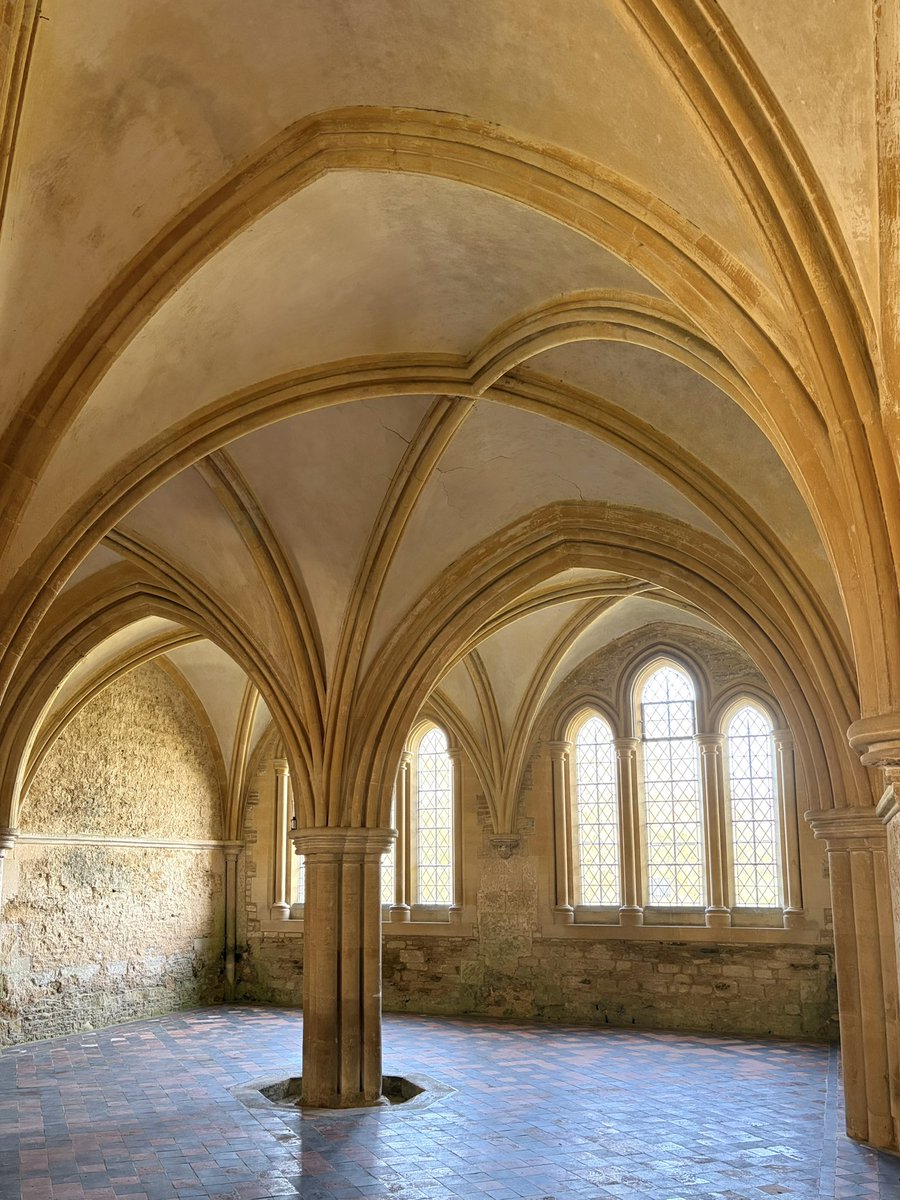
If you’re seeking sanctuary from the madness of this world, is there anywhere better than a place like this? I feel that I could stare at this image for hours. Simple yet sublime. Lacock Abbey yesterday, warmed by the afternoon sun.
Several women from Wiltshire, Somerset & Devon were put to death for witchcraft in the second half of the 17th century.
Come and discover their stories - and the less known part played by the Rector of Bath Abbey - at our next talk on 15 March!
More information on our website!
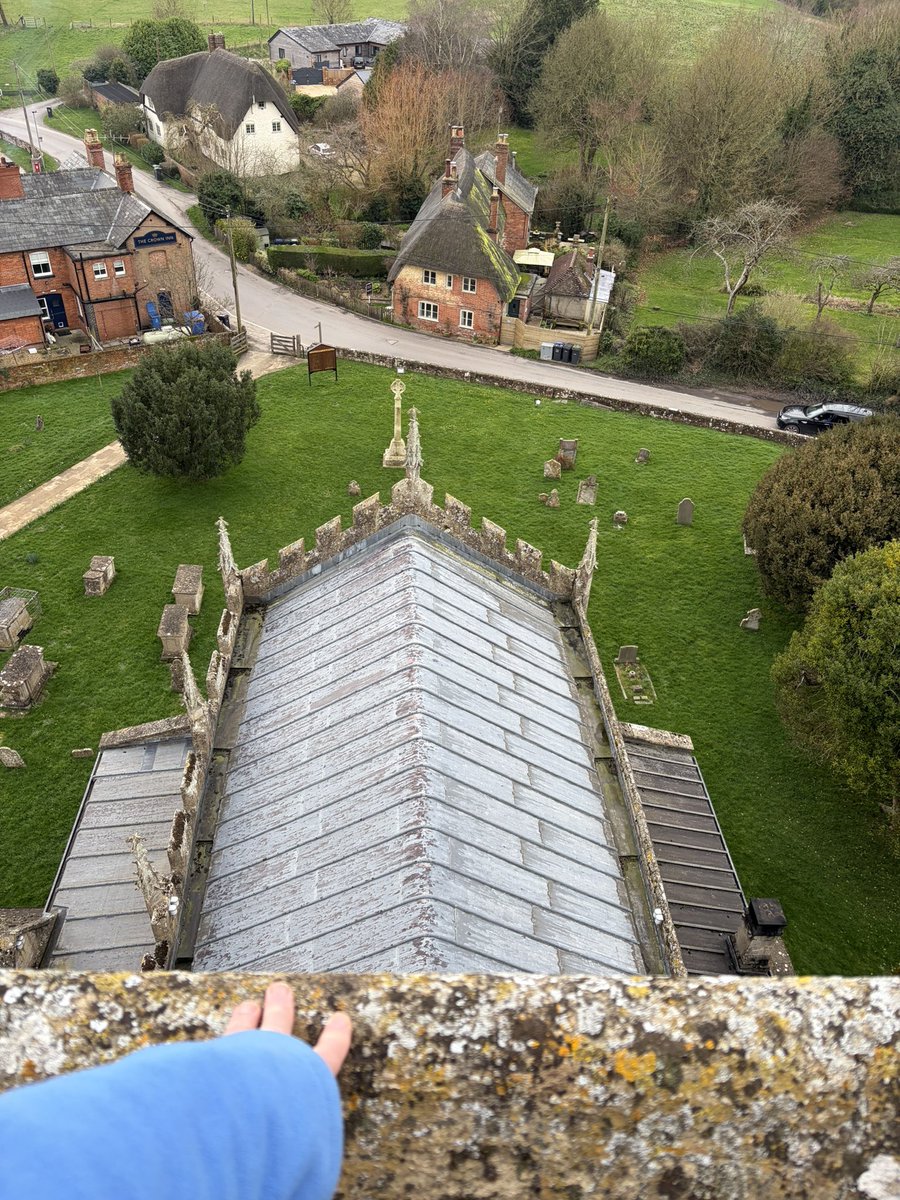
Back to Bishops Cannings today to climb up the tower & appear outside on top of the world. Looking down from the heights of this outstanding Early English building gives a completely different perspective on the church’s design and its place in the local community.
#TowerTuesday
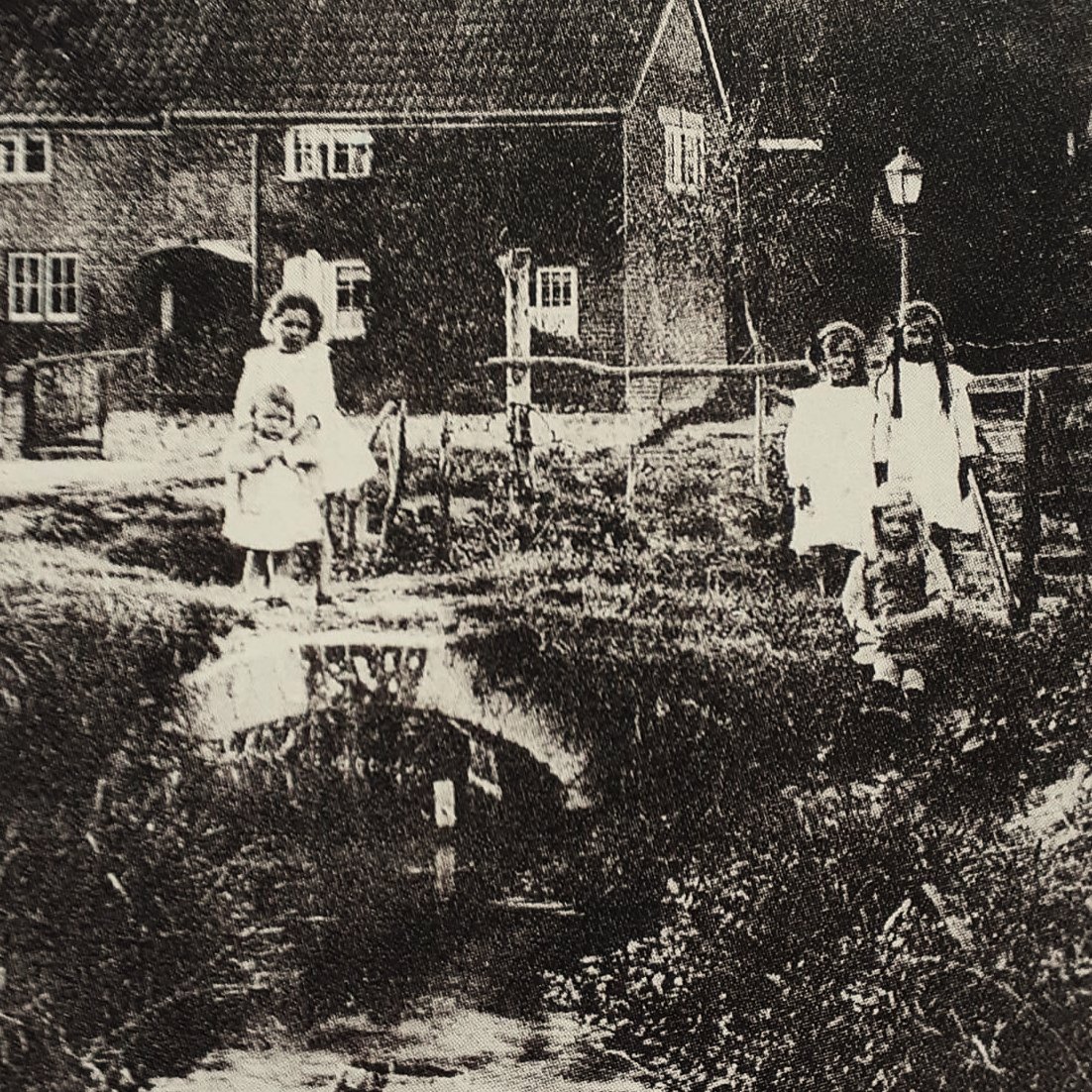
They say that when the gas supply came to Bratton in 1904 it allowed 20 gas street lights to be installed on the village streets, roads. lanes, paths and inside the church. One can still be seen today at the top of The Butts.