The presumption that the Fed raising short-term rates reduces inflation is predicated on the belief that higher rates reduce demand and investment.
But what if higher rates don’t reduce demand and investment because the demand for intelligence and energy is unaffected by higher rates because winning the race for super intelligence has a near infinite ROI and the demand for compute will remain incalculable.
Why won’t higher rates at this unique moment in history therefore lead to more inflation as interest costs are embedded in everything?
And the problem is compounded as the more the Fed raises rates, the more inflation we will have and the more the Fed will need to raise rates further and so on.
But what if the old models don’t apply to the current paradigm and the Fed is wrong?
I think the Fed might have just made a mistake. Am I right or am I wrong?
@morganb@nejatian Great! Maybe I am atypical, but after 4bds, school district rating was my second most important criteria when I purchased my home few years back
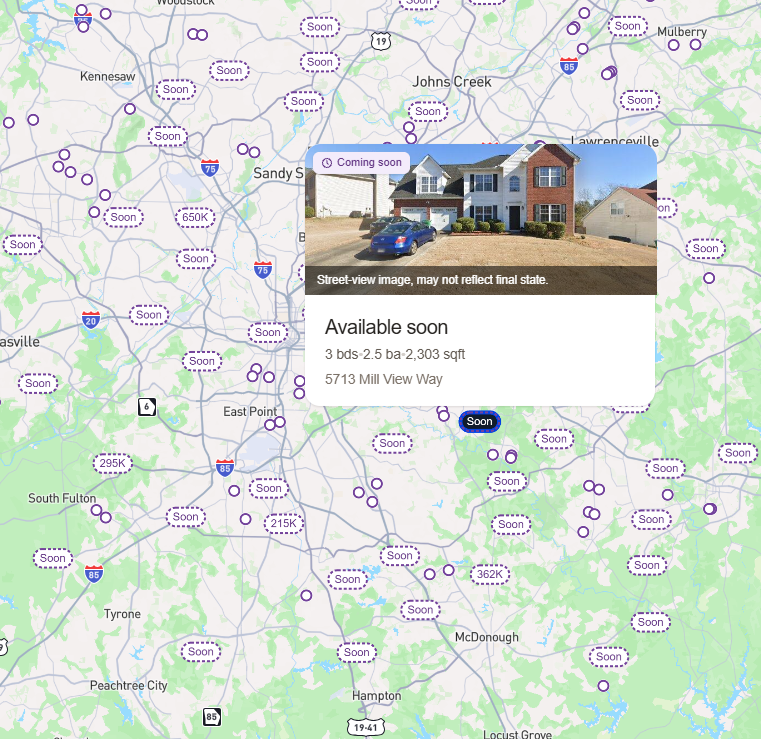
@morganb@nejatian The "coming soon" properties on the new Opendoor site are a great addition! Two feature requests that would be a game-changer for buyers:
- School district filters
- Granular, automated alerts for new/upcoming matches. Imagine setting an alert for: 3-4 beds, 8+ rated schools, < 20 min commute from a specific location, away from main roads, and underground electrical only. Not only would buyers love this, but it would give Opendoor a goldmine of insight into current buyer demand.
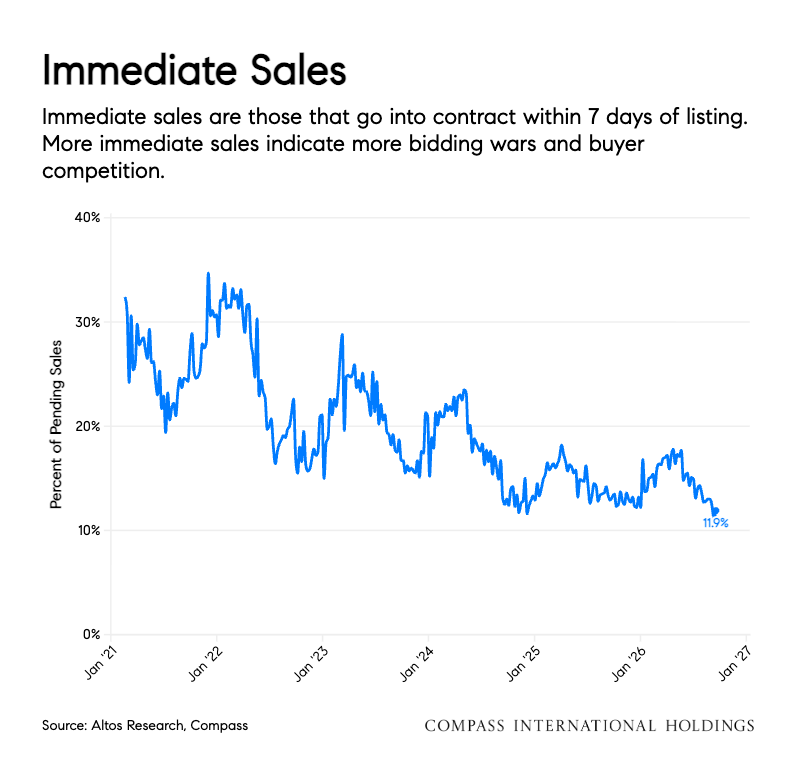
During the pandemic we started tracking "immediate sales" - homes that go into contract within 7 days of listing. At that time it was like 30% of the market(!)
In the recent weeks, the ratio of immediate sales has dropped under 12%, the fewest since we started tracking.
@maelan_sdmr We need more committed, long-term shareholders.
Tobi would be an excellent addition to the board, especially if he acquired 150 million shares, though his responsibilities at Shopify likely keep him too busy.
Excellent read, Morgan. Thanks for sharing how this philosophy could apply to Opendoor.
I have a question about defining the search space: can you map all variables (regions, home types, seasons, macro conditions) into one high-dimensional terrain to find the global maximum? Or is it either more effective, or simply necessary due to data availability, to break the map down into smaller, localized search spaces for hill climbing? For instance, optimizing San Diego separately from Birmingham, or defining a different map for today's macro environment versus 2021?
@nejatian@theopendoorguy When people say the website is bad, they probably mean the buyer's side of the transaction is neglected. I understand the argument that acquiring sellers is the business bottleneck, which explains the lopsided design, but is that really the case?
OPEN needs more capital on the balance sheet to scale. Warrants are the most shareholder-friendly way to raise cash.
@nejatian has shareholders' best interests in mind. He is a shareholder too😉
They need to either extend the expiration or change the strike price. I’m personally voting for an extension.
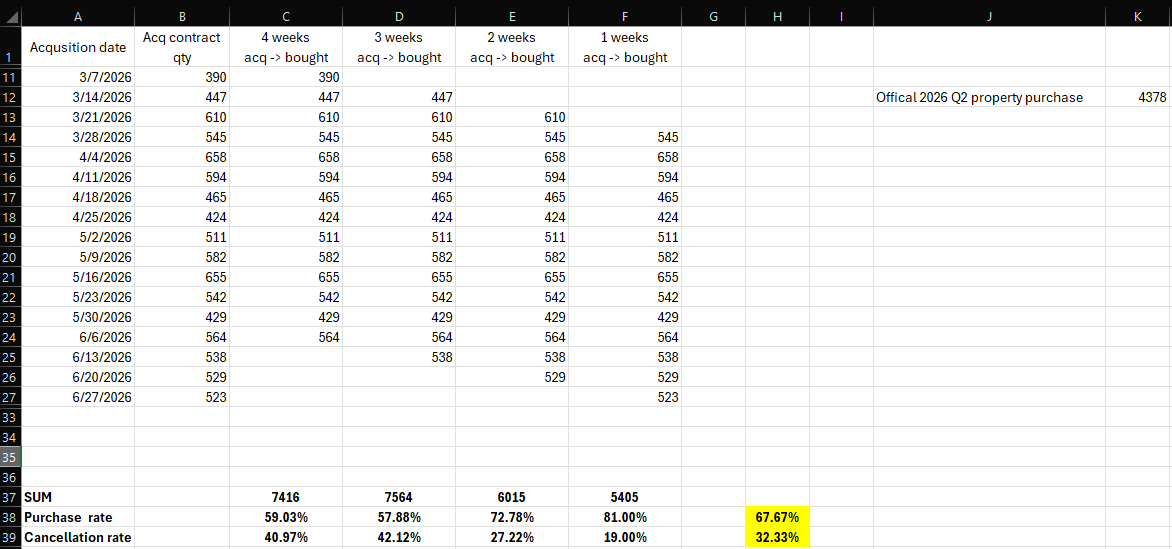
My interpretation of the contract/purchase gap is that we have higher than usual contract cancellations (it can be either on Open or the customer side). I calculated 30% cancellation using the accountable weekly numbers and by assuming a 1-to-4-week lag between contract signing and actual purchase. If you sum up 13 weeks of acquisition data for each delay scenario (1-4 weeks) and average the results, you come to ~30% cancellation.
Let me know what you think.
@GMN_watch@Opendoor@nejatian In most companies, as soon as legal steps in, engineering freezes and real problem-solving dies. @nejatian points really resonate with anyone who wants to build things and create value.
@TodayValue97230 The average number is more important than single weekly lows or highs. But in general, I agree; it needs to start ramping up in a few weeks.
@Aubermark@OpendoorGenie You could overlay the 7, 30, 60, and 90-day marks directly onto the existing cohort chart. I personally prefer having as much data on a single chart as possible, though it might feel a bit crowded for some.