@SwipeWright@jk_rowling I felt like your intersex argument was weak. Are you arguing that someone with DSD is male or female? I'm assuming by your explanation they are both? Please elaborate.
@jk_rowling Nice, keep at it. You're so close to understanding the difference between gender and sex. Although, I fear the term intersex might be too much for you.
New MRI/DXA study in male bodybuilders: high protein intake (~2.5 g/kg/day) was not associated with enlarged visceral organs in natural bodybuilders.
In contrast, steroid use was linked to larger organ volumes.
https://t.co/3OpRaPzbMm
When 14 of the world's most prominent muscle scientists like @mackinprof@BradSchoenfeld and @AbigailMackey1 gather to present their findings… I think it’s worth writing about what they shared.
Two people walk into the same gym. They follow the same program, lift the same weights with the same intensity, eat about the same amount of protein, and sleep about the same number of hours. Six months later, one has added meaningful muscle, and the other has barely moved the needle. Why?
Do Z lines split? How do muscles grow?
How many sets do I need?
How much should I rest?
How often should I work out?
This consensus report gives us solid guidance on why adaptations occur and how we should train to maximize them.
Link in reply...
Incredible helpful clinical consensus statement published after I recorded this podcast.
Kids are not small adults.
Here are the specific guidelines for monitoring heart health in paediatric athletes.
https://t.co/kaLQ7ZU3zM
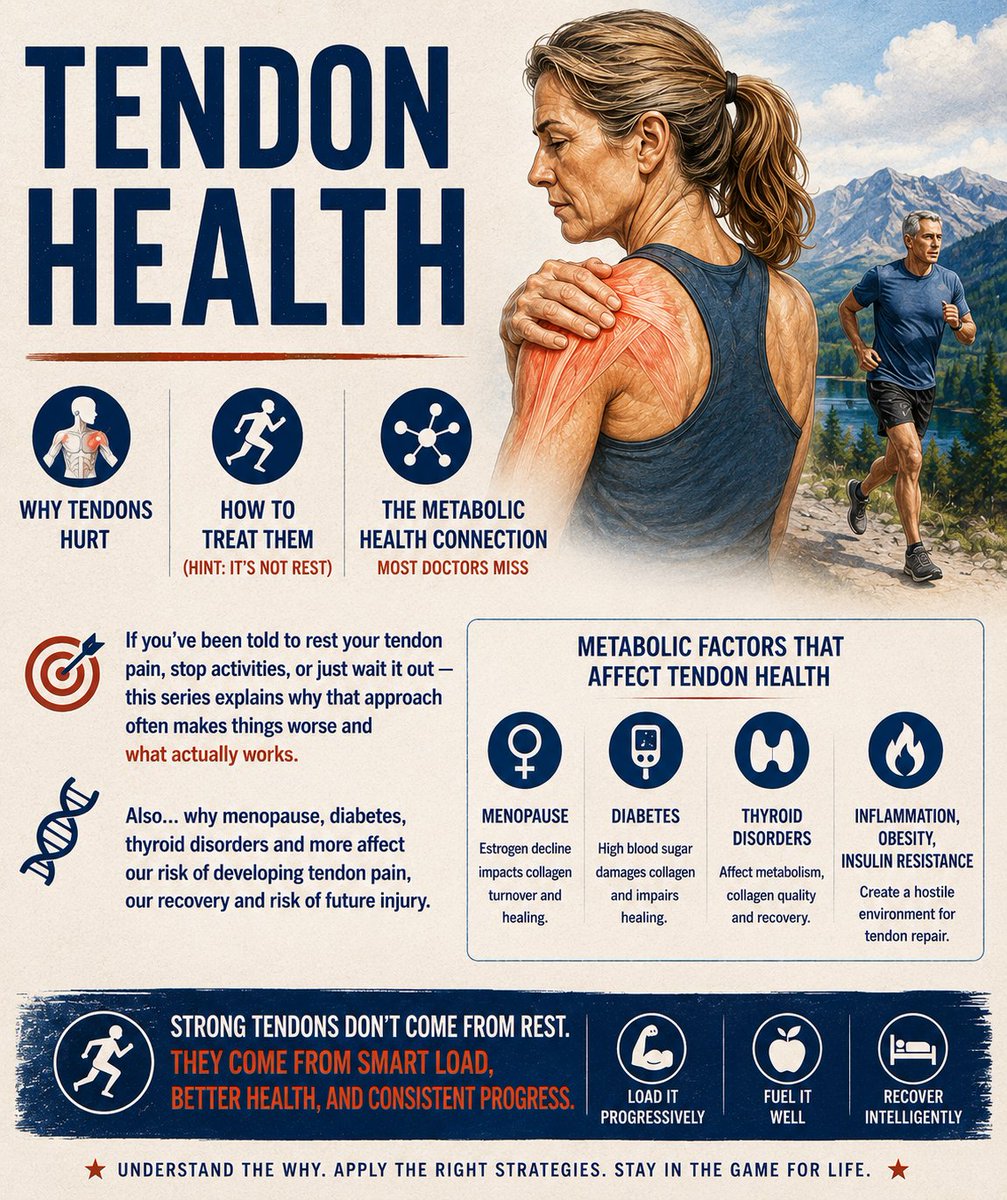
I have probably written more about tendons in the past year than most surgeons have written in their careers. I do this because tendon disorders are among the most common issues I see in the office.
You will need to know this stuff at some point.
Also... Don't think that because of severe pain, something is torn. Let's do this...
Always consider bone health in patients presenting with a stress fracture.
Unless these factors are addressed there's a high risk of future bone stress injuries.
Multidisciplinary input may be needed for a full assessment of an athlete’s needs.
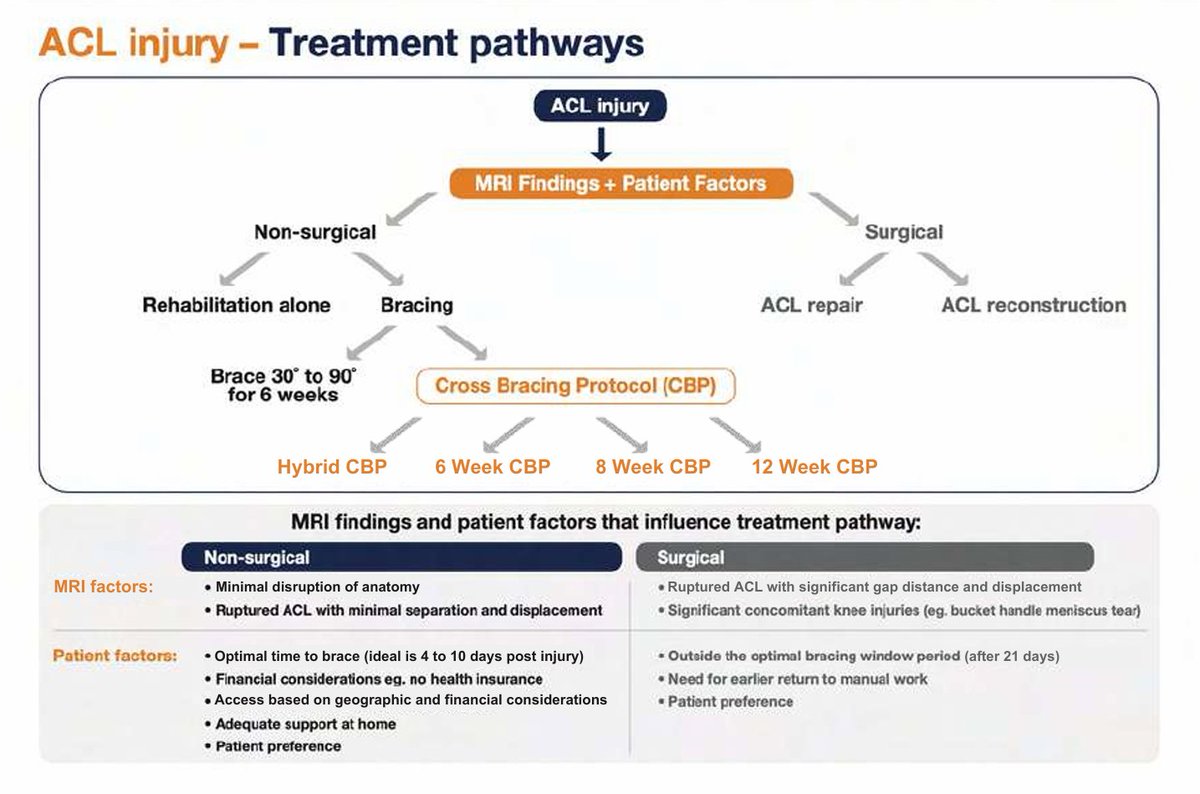
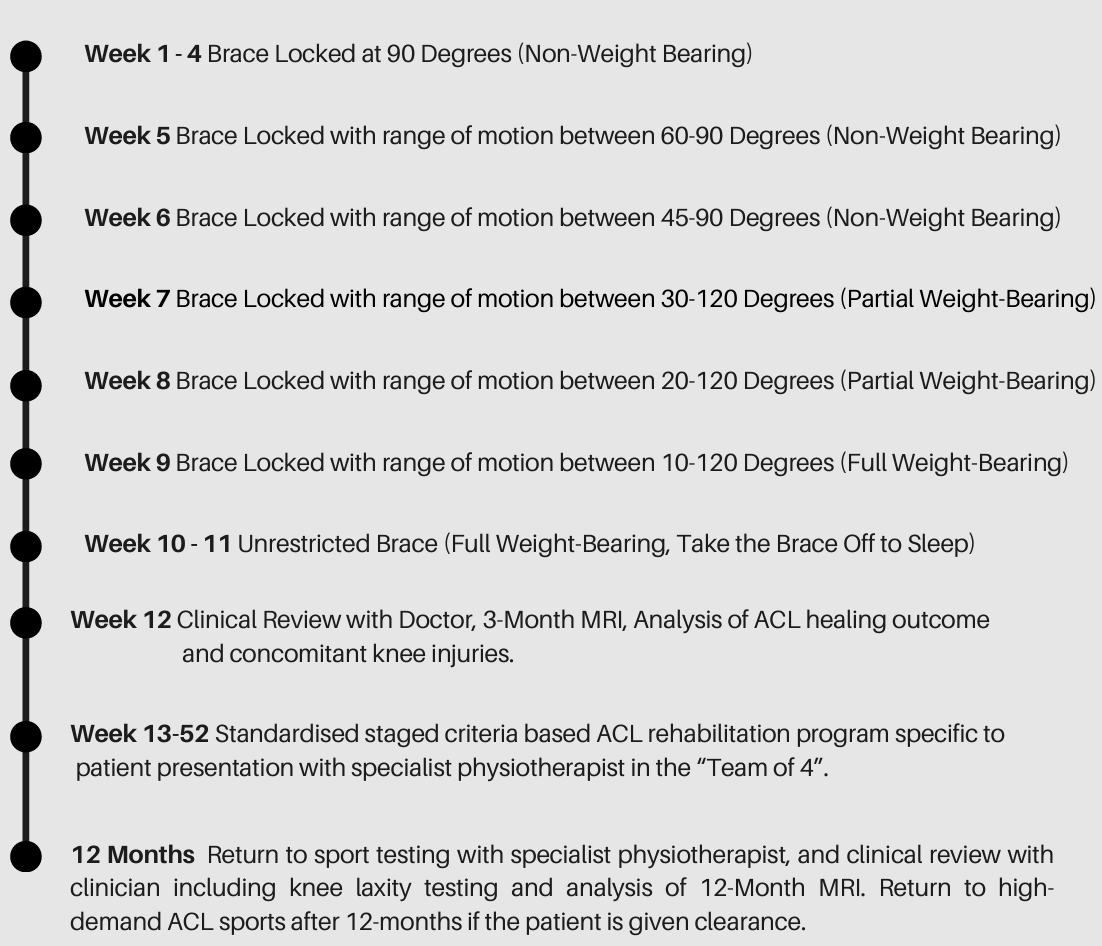
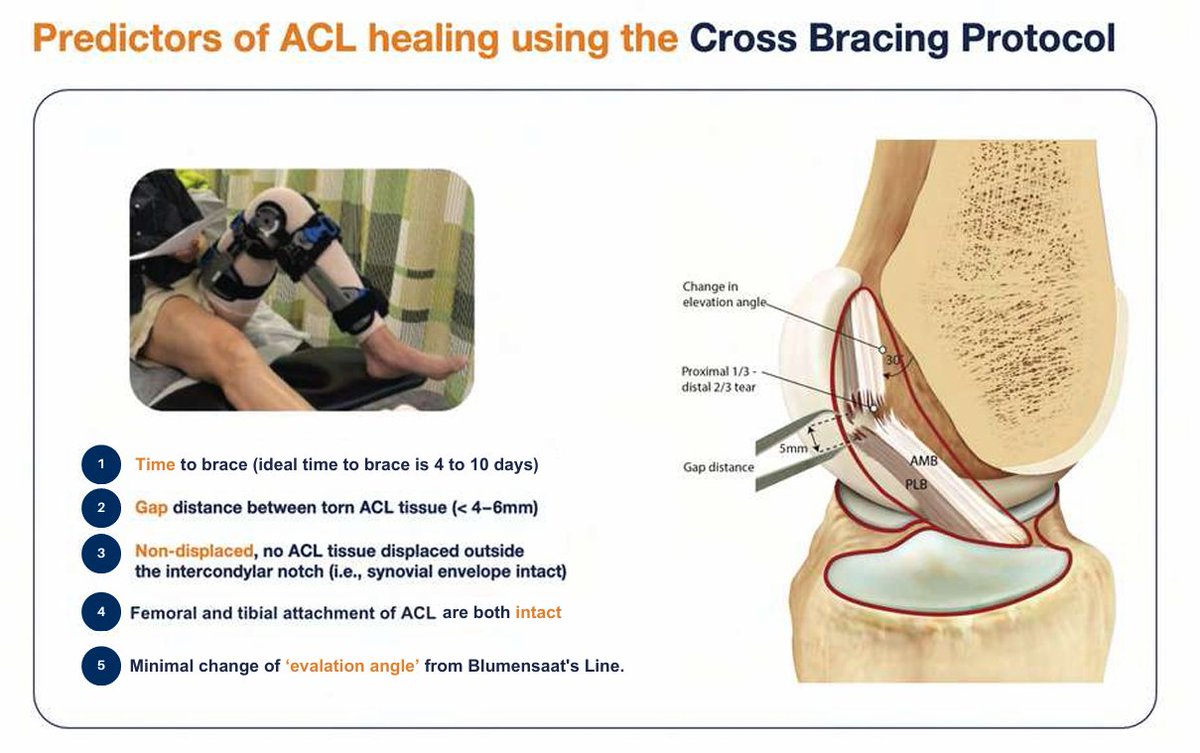
The cross bracing protocol for ACL injuries emphasizes early controlled range of motion and progressive loading to promote ligament healing without immediate surgery. By combining structured rehabilitation with targeted bracing, it offers select patients a nonoperative pathway to restore stability and function.
Read: https://t.co/fvost3A3aW
#SportsMedicine #Orthopedics #PhysicalTherapy #AthleticTraining #Rehab #InjuryPrevention #Physio #SportsInjury #SportsRehab #PhysioTherapy #Meded #ATC #FOAMed
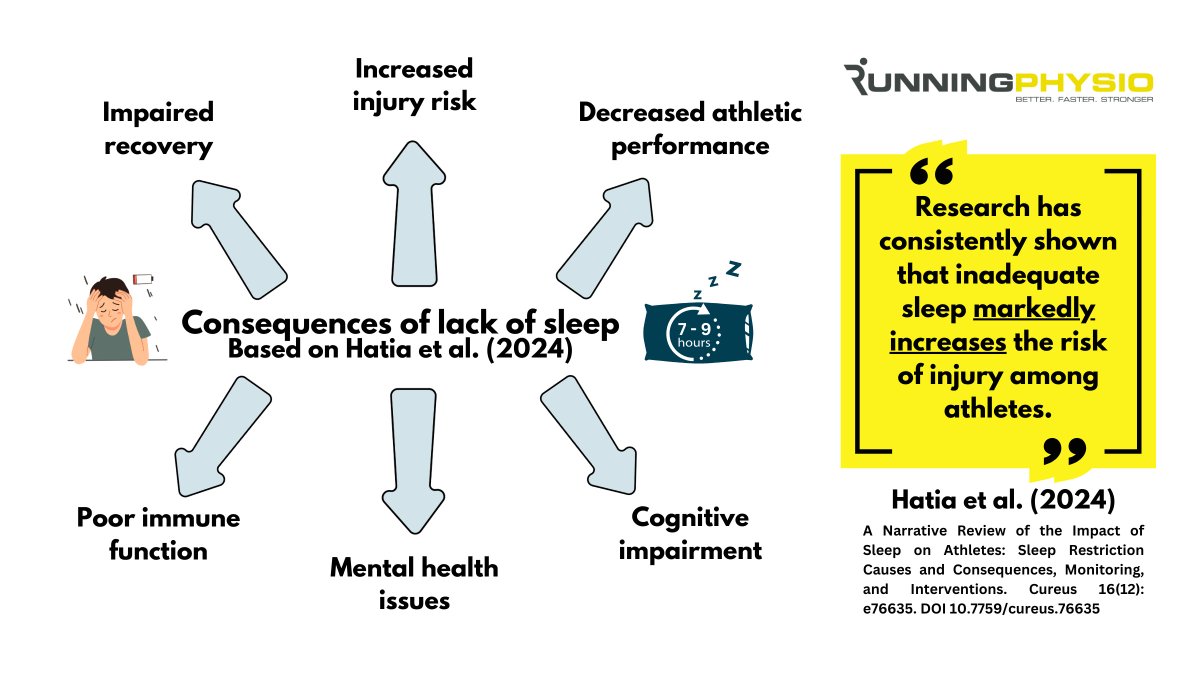
Lack of sleep can impair performance & increase injury risk 😴
It’s important to ask patients about sleep duration & quality. The Hooper Index can also be valuable for assessing fatigue, stress & sleep.
See Hatia et al. (2024) for more info: DOI 10.7759/cureus.76635
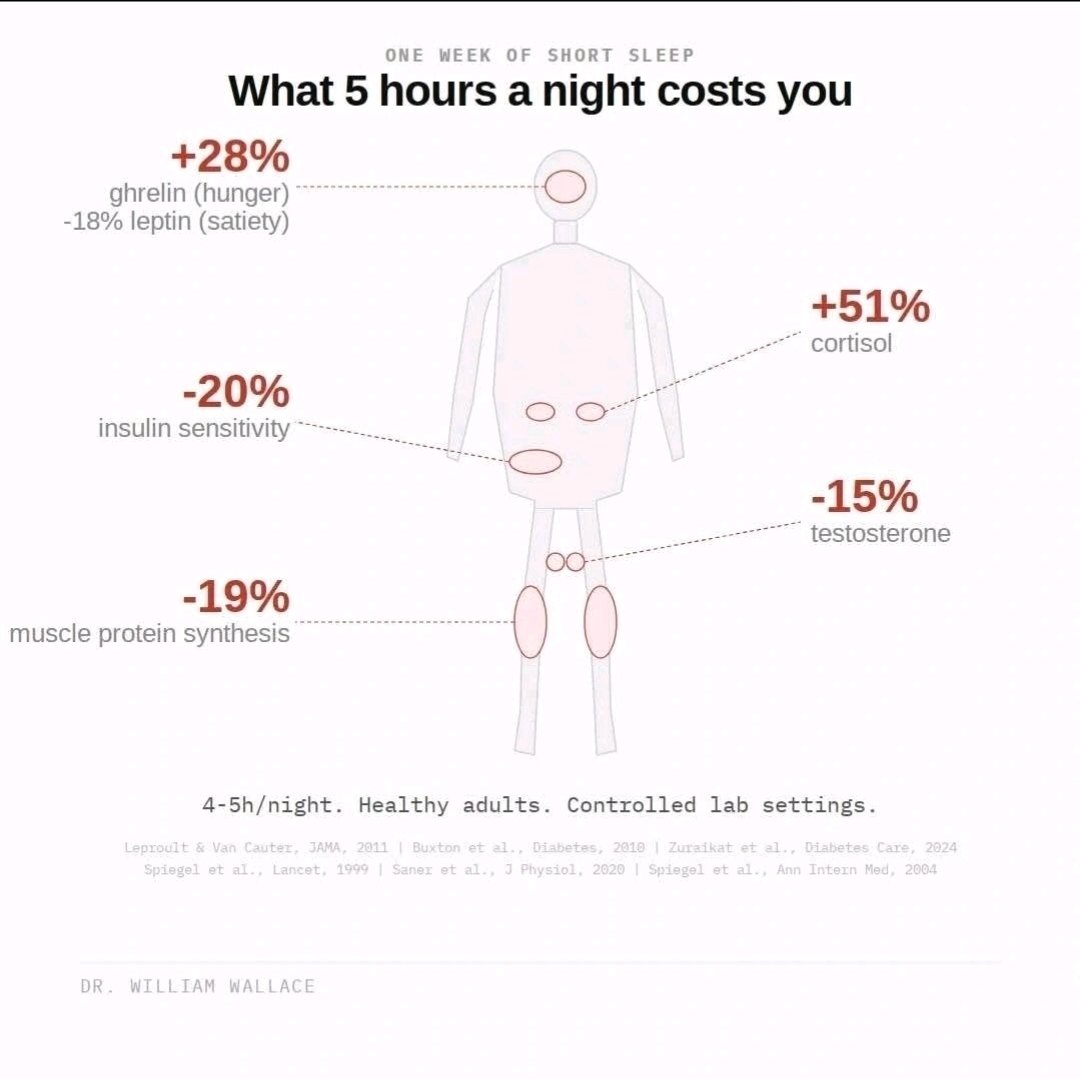
One week of short sleep in otherwise healthy adults. Not "sleep deprived" by strict definition. Just 4-5 hours a night. Testosterone dropped 15%. Insulin sensitivity dropped 20%. Muscle protein synthesis dropped 19%. Hunger hormones rose 28%. Cortisol rose 51%. These aren't the only systems affected. They're just some of the ones that have been measured in controlled settings. No supplement, no diet hack, no training program (crazy claim, I know, but you can't outrain poor sleep...) outperforms sleep at keeping systems "online".
References:
Leproult & Van Cauter, JAMA, 2011. Buxton et al., Diabetes, 2010. Zuraikat et al., Diabetes Care, 2024. Spiegel et al., Lancet, 1999. Saner et al., J Physiol, 2020. Spiegel et al., Ann Intern Med, 2004.
New graphic: Return to sprinting after hamstring injury
⚠️Work in progress, all feedback welcome!
Some background:
Peak hamstring forces in sprinting occur above 80% of maximal speed.
If we don’t expose athletes to this in training we can’t prepare them for the demands of their sport.
The problem is that there’s little specific guidance on how to do this following injury.
What I’ve created is based on an excellent paper by Thomas Haugen and colleagues on development of sprint performance.
I’ve taken some of those principles and combined them with a graded exposure to faster running (based on a gradual increase in percentage of maximal speed).
As I’ve said though, it is a work in progress. What would you add or change? 🤔
Cross-training is a great way for injured athletes to maintain fitness. Look for options that are comfortable in terms of symptoms and easily accessible for the patient.
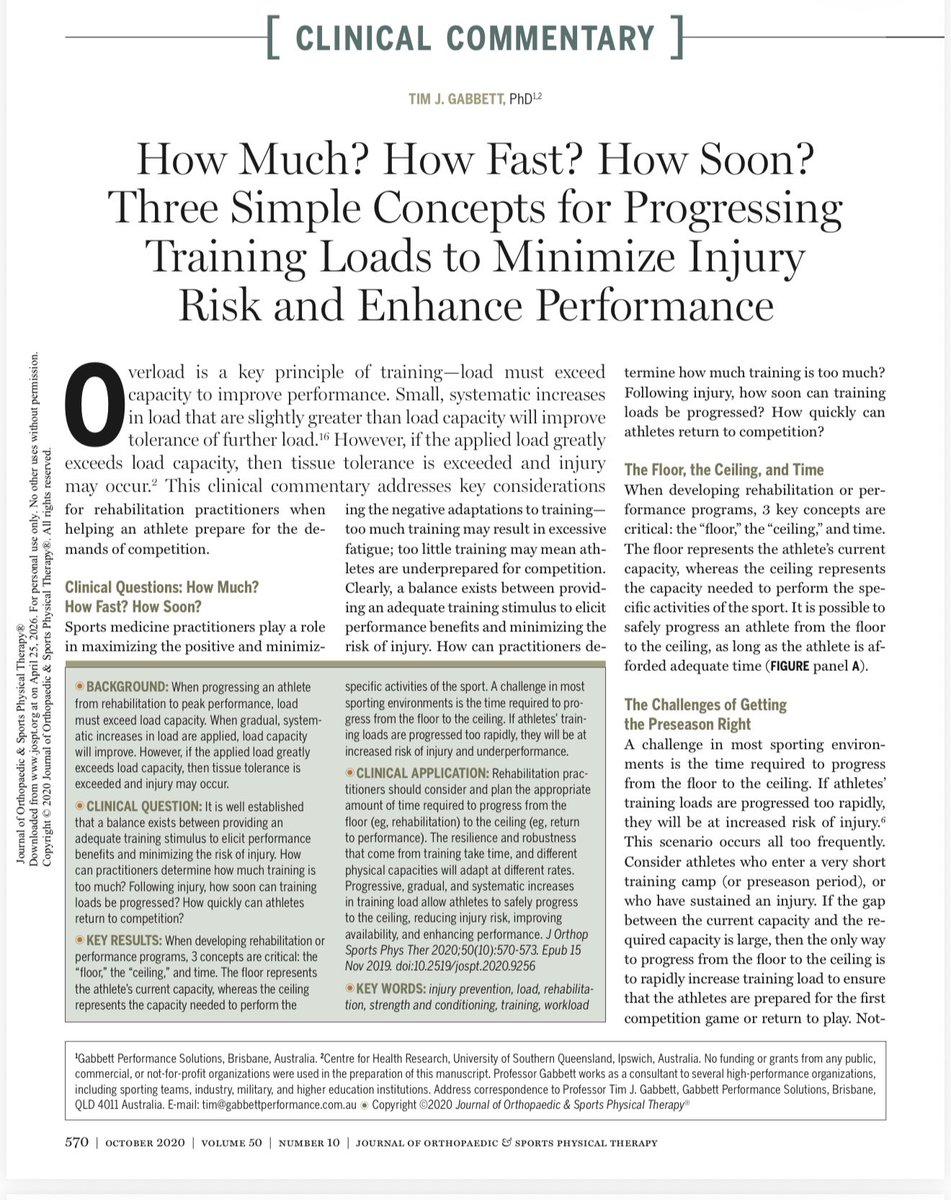
This is a good read and it gives a very clean framework for a conversation we often overcomplicate.
Gabbett frames rehabilitation and performance programming around three concepts: the floor, the ceiling, and time. The floor is the athlete’s current capacity. The ceiling is the capacity required to perform the specific demands of the sport. The problem is that we cannot pretend someone is ready just because symptoms are down or because they look good in a controlled setting. The real question is whether their current capacity has been progressively built toward the demand they are about to face.
That is why injury mitigation cannot become the primary operating system.
When injury mitigation leads the process, it can easily become exposure reduction. Less load. Less speed. Less complexity. Less chaos. That may look safer on paper, but Gabbett makes the opposite concern very clear: if the training stimulus is inadequate, the athlete may be underprepared, underperform, and be at risk for reinjury. The paper also states that reducing the ceiling is not realistic because the demands of performance continue to evolve, and the physicality and complexity of sport are generally increasing.
The right structure is performance first, with injury mitigation as a byproduct of intelligent preparation.
The goal is not to avoid demand. The goal is to build the capacity to tolerate demand. That means maintaining an adequate floor, identifying the ceiling, understanding the most demanding passages of play, and progressing training loads in a gradual, systematic way. Gabbett’s summary is the line that matters: appropriately prescribed training can create resilient and robust athletes capable of withstanding the high loads of competition.
That is the distinction.
Therapy can restore function.
Performance has to build capability.
Those are connected, but they are not the same thing. The end point cannot simply be “less pain” or “less exposure.” The end point has to be readiness for the real environment.
Always consider bone health in patients presenting with a stress fracture.
Unless these factors are addressed there's a high risk of future bone stress injuries.
Multidisciplinary input may be needed for a full assessment of an athletes needs.
This whole Gout Gout thing has made me realise that so many people have no fucking idea what an Australian is - including some Australians sadly. Australia is a nationality, not an ethniticy. The only ethnic Australians are Aboriginal. A big part of our culture, is being multicultural. Our diversity is our strength, not something that should be hated or feared. Anyone who's born in our wonderful country is an Aussie, through and through. Anyone who goes through the immigration process, does their best to fit in and earns their citizenship, is welcome and is just as Aussie as the rest of us. I am. You are. We are Australian 🇦🇺. And don't you cunts forget it!