🦠💪 Can gut microbes help combat cancer-related muscle loss?
Roy et al. review how boosting SCFA-producing gut bacteria and reducing endotoxins may help limit inflammation and muscle wasting in cancer cachexia.
🔗 https://t.co/6wgsmvqs3H
#Microbiome#CancerResearch
Consuming carbohydrates before an intense bout of endurance running reduces the post-exercise muscle damage and inflammation responses, likely thereby reducing fatigue and allowing faster recovery after exercise.
🛡️ Selenium and Immune Defense
Rebecka A. Sadler et al. review how selenium may support antioxidant activity, innate and adaptive immunity, and gut microbiota.
🔗 https://t.co/3CWZghppCP
Olive Oil as a Modulator of Gut Microbiota and Intestinal Health: A Narrative Review from Microbial Metabolism to Host Responses https://t.co/vAFLFVJjf9 #mdpinutrients a través de @Nutrients_MDPI
🌿 Why are flavonoids so important for plants?
Mao et al. review how plants produce and regulate flavonoids, highlighting their roles in pigmentation, stress responses, and plant development.
🔗 https://t.co/KFBA3IqBbc
#PlantScience#Flavonoids
🚨 La verdad sobre ganar músculo que casi nadie te cuenta
🏋️♂️ La mayor parte de las ganancias ocurren durante los primeros 2–3 años de entrenamiento.
📉 Después, seguirás ganando músculo, pero cada vez más despacio.
🧬 La genética marca grandes diferencias: algunas personas ganarán ≈5 kg de músculo a lo largo de su vida, mientras que otras pueden superar los 20 kg.
🍽️ Food allergy, food intolerance or IBS?
Andrea Pasta et al. examine overlapping symptoms and review low FODMAP, gluten free and Mediterranean dietary approaches.
Read the open access review: https://t.co/pYcAdSmFgl
#FoodAllergy#IBS
¿Qué pasa cuándo se retira el GLP-1?
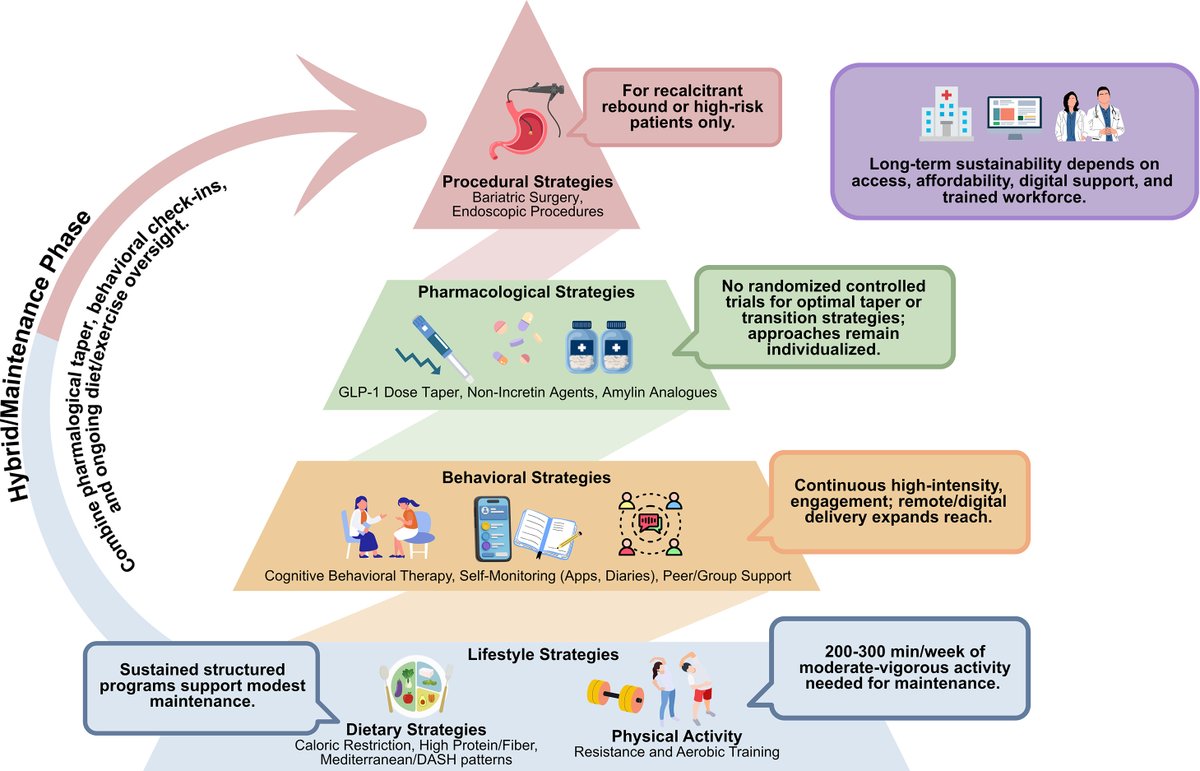
Enfoque gradual para mitigar la recuperación de peso tras la interrupción del tratamiento con GLP-1. Este marco conceptual ilustra una estrategia jerárquica para el mantenimiento del peso tras la interrupción del tratamiento con GLP-1, que progresa desde intervenciones conductuales y de estilo de vida hasta enfoques farmacológicos. Sin duda, la sostenibilidad a largo plazo depende del acceso, la asequibilidad y la capacidad del sistema sanitario.
https://t.co/3llDLTgEug
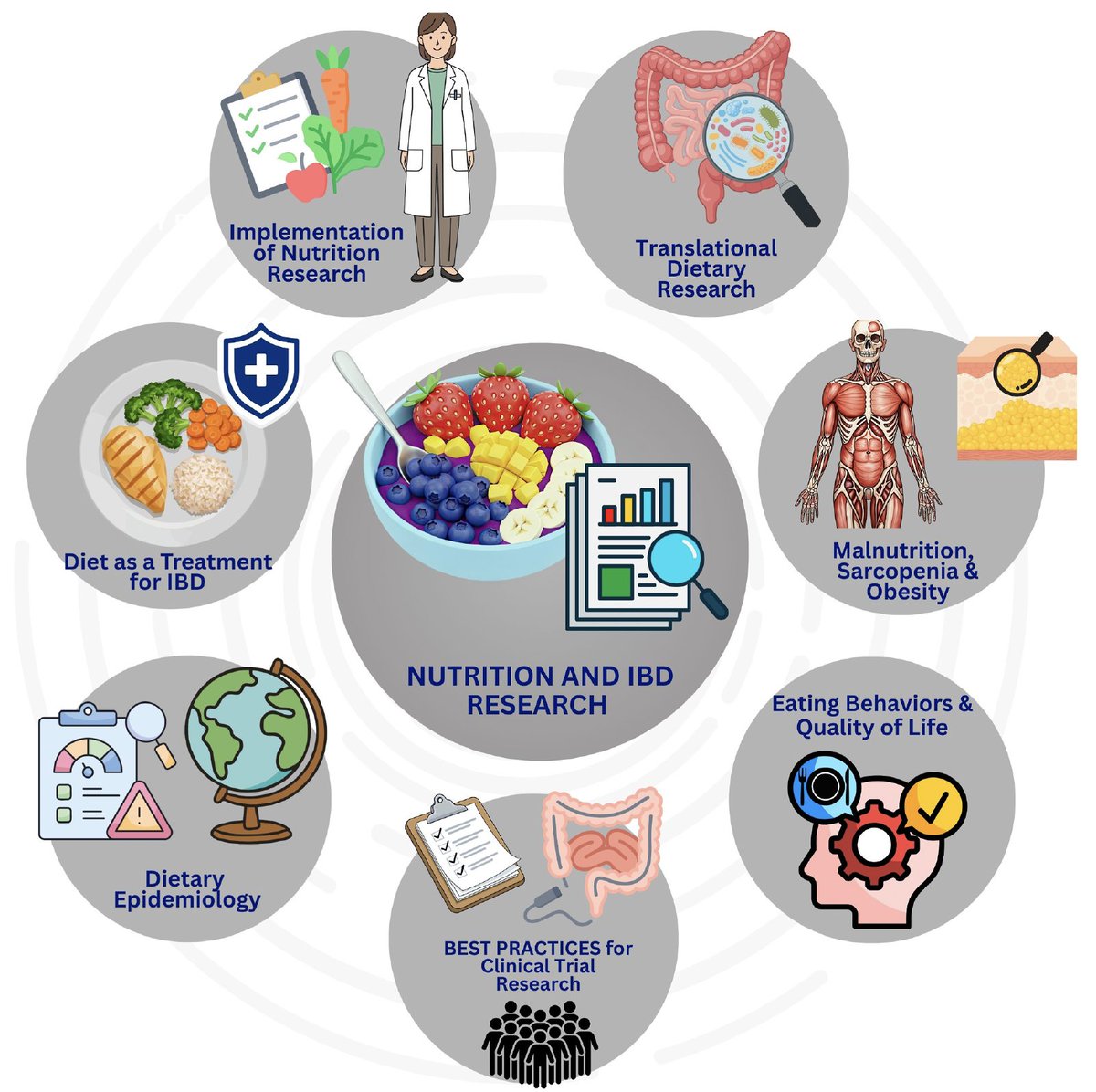
What research needs to be done on nutrition and diet in #InflammatoryBowelDisease#CrohnsDisease#UlcerativeColitis?
Nutrition & IBD Group includes global experts (plus me 😉) in research and clinical practice in diet & IBD
Free access for 50 days!👉 https://t.co/fBj5Gt9Ms6
Dietary approaches to support cognition in older adults: a systematic review
▶️ This systematic review evaluates the efficacy of the Mediterranean, Nordic, Okinawan, & plant-based dietary approaches in mitigating cognitive decline & reducing dementia risk in older populations.
https://t.co/K7c7Y8ju8V @_INPST@HealthyFellow@JuhanaHarju@tatiann69922625
High adherence to whole-food, holistic dietary patterns, specifically the Mediterranean, Nordic, Okinawan, & plant-based approaches, consistently mitigates cognitive decline & reduces the risk of Alzheimer's disease & related dementias in older adults.
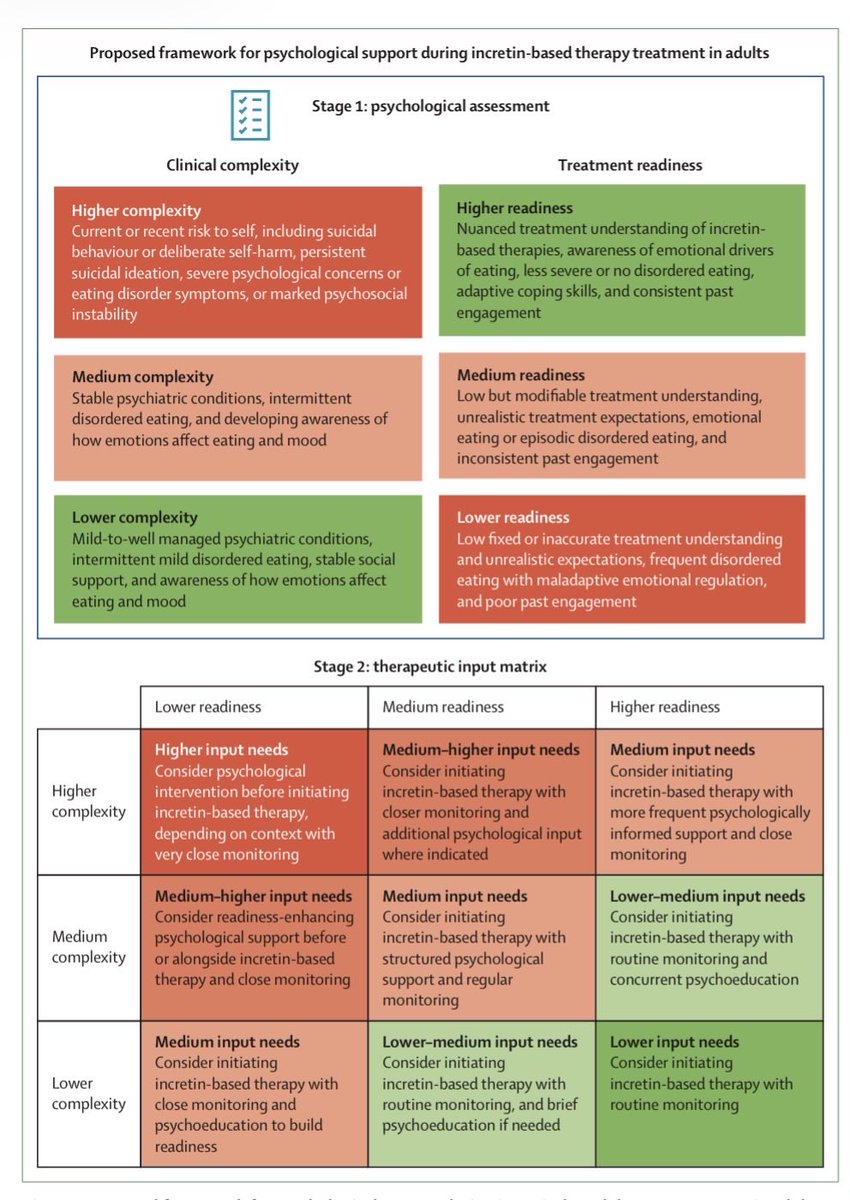
Nuevo consenso @EASOobesity@efad_org@ECPObesity en @TheLancetEndo sobre incretinas (GLP-1 y agonistas duales GLP-1/GIP) en obesidad.
Estas terapias transforman el manejo de la obesidad, pero el acompañamiento importa tanto ( o más) que el fármaco.
💪 Músculo. La masa magra supone ~24-30% del peso perdido. En fase de pérdida: 1,0-1,5 g/kg de peso ajustado/día de proteína de calidad , repartida entre comidas + entrenamiento de fuerza. ( personalmente voy a por el 1,5)
🥦 Lo básico bien hecho. Fibra ≥25 g/día, 2-2,5 L de líquidos ( agua) , comida real. Para los efectos digestivos: titulación lenta y comidas bajas en grasa.
🧠 Psicología. Cambia el ruido con la comida, el placer y a veces la propia identidad. Conviene revisar la conducta alimentaria y vigilar la sustitución de recompensa y el malestar tras perder peso.
Y sin olvidar hueso, adultos mayores y obesidad sarcopénica.
Merece lectura sosegada 👇 🔗
https://t.co/rFTBDTFkYv
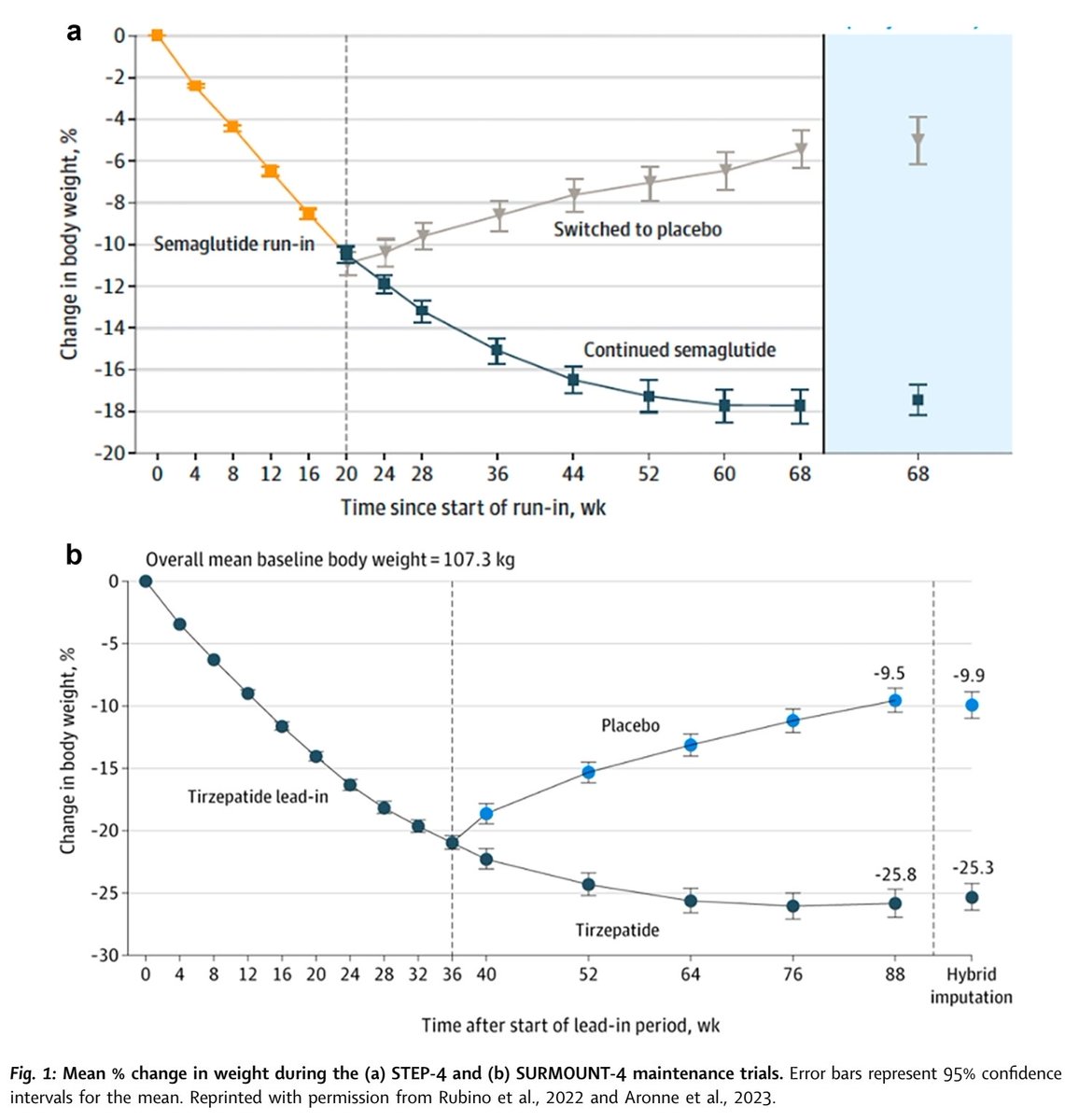
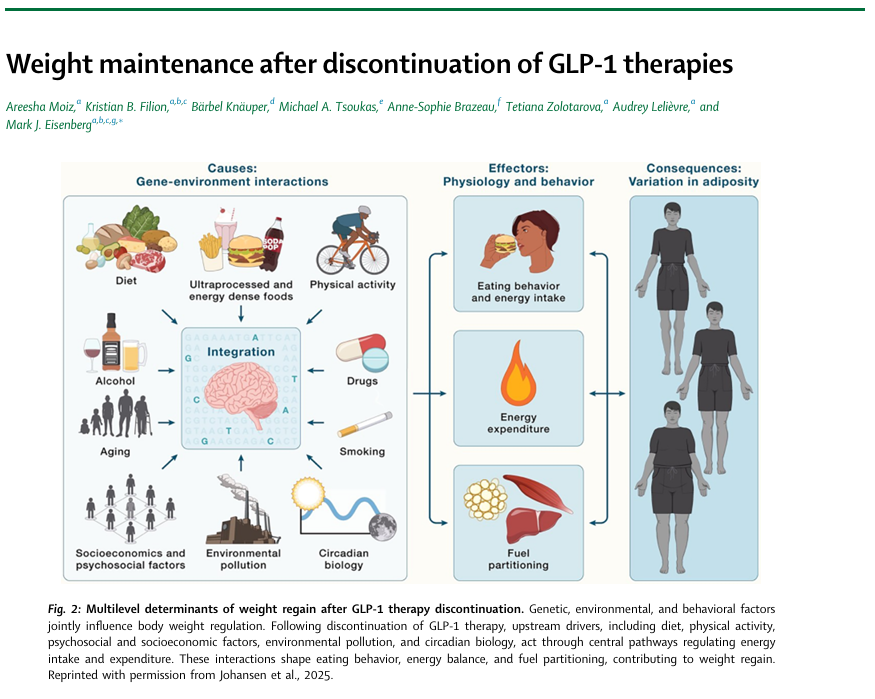
¿Qué pasa cuando se deja un GLP-1? Hasta el 65% lo abandona en el primer año, y al hacerlo se recupera alrededor de dos tercios del peso perdido en 12 meses. También se revierten las mejoras en glucemia, presión arterial y lípidos y podrían atenuarse los beneficios CV. Al retirar el fármaco cae la leptina, el PYY y la CCK, sube la grelina y aparece termogénesis adaptativa con menor gasto energético. El cuerpo defiende su peso. ❗️
➡️La obesidad es una enfermedad crónica, y su tratamiento también tiene que serlo. El GLP-1 no es una intervención con fecha de caducidad, sino una pieza más dentro de un acompañamiento en el estilo de vida a largo plazo.
📄 https://t.co/6IpNqCNt1m
CME INDIA Clinical Pearls
GLP-1 Therapy Stopped? Weight Comes Back Fast
Source: eClinicalMedicine / The Lancet, 2026
💉 1. GLP-1 drugs are powerful — but not “short-course antibiotics” for obesity.
Semaglutide/tirzepatide can produce 10–30% weight loss, but stopping therapy commonly leads to rapid regain.
⚠️ 2. STEP-1 warning:
After stopping semaglutide, patients regained nearly two-thirds of lost weight within 1 year.
⚠️ 3. SURMOUNT-4 warning:
After tirzepatide withdrawal, weight regain was substantial, while those continuing therapy maintained or lost more weight.
🫀 4. Weight regain is not cosmetic only.
Stopping GLP-1 therapy can reverse benefits in HbA1c, BP, lipids, waist circumference, and cardiometabolic risk.
🧠 5. Biology fights back.
After discontinuation:
⬆️ hunger hormones
⬇️ satiety hormones
⬇️ resting energy expenditure
➡️ strong drive for regain.
🍽️ 6. Lifestyle alone is often insufficient unless structured.
High-protein diet, calorie control, fibre-rich foods, Mediterranean/DASH pattern, and regular monitoring are useful — but need sustained follow-up.
🏋️ 7. Exercise prescription matters.
Weight maintenance often needs 200–300 min/week moderate-vigorous activity plus resistance training to preserve muscle and metabolic capacity.
🧘 8. Behavioural therapy is not optional.
CBT, self-weighing, food logs, digital coaching, relapse-prevention plans and peer support may reduce rebound.
💊 9. No proven “best tapering protocol” yet.
Dose tapering, low-dose maintenance, or switching to other anti-obesity drugs are promising but still not supported by strong RCT evidence.
✅ 10. Practical CME INDIA message:
GLP-1 therapy should be framed as part of chronic obesity care, not a temporary weight-loss injection.
Stopping needs a maintenance plan before the last dose.
https://t.co/0mxkoTdANV
This umbrella review finds that the evidence overall suggests that high consumption of ultra-processed foods is likely to be concomitant with a wide range of adverse health outcomes in both children and adults.
This review aims to synthesize available evidence across lifestyle, behavioral, pharmacological, and procedural domains to identify potential strategies that may help mitigate weight regain following GLP-1 treatment discontinuation.
Los fármacos tipo GLP-1 pueden ayudar a perder peso, pero ¿qué pasa cuando se dejan? 🤔⚖️
La clave no es solo “bajar kilos”, sino mantener hábitos, apoyo y ejercicio a largo plazo 🥗🏃♀️💬
https://t.co/DEzM3JXJxw