@cnxsoft The FPGA option is where this gets dangerous. 😄
Once the compute architecture itself becomes swappable, this stops feeling like a mini PC and starts feeling like engineering LEGO.
You can add ONE new module. What are you putting in it?
@EvanKirstel The hardware mattered, but the community was the multiplier.
A cheap computer with GPIO is useful.
A cheap computer with thousands of people showing beginners how to make it do ridiculous things becomes a movement.
What mattered MOST: price, GPIO, Linux or community?
195 years ago today, Michael Faraday demonstrated electromagnetic induction with two coils wound around an iron ring.
That experiment became the basis of transformers and generators.
The original ring still survives.
What piece of modern technology do you think would amaze Faraday most? ⚡
@GarethNotGarth You could always use our little Traffic lights designed for breadboards and attach them to our kit at the link below; they can then be stored quickly under the bed when the ladies come over.
https://t.co/HBttSlFAle
33 years ago today, Galileo flew past asteroid 243 Ida at 28,000 mph.
Its main high-gain antenna hadn't deployed properly, so engineers had to get the science home through its tiny backup antenna.
Hidden in those images was another surprise:
Ida had a moon.
Dactyl became the first moon ever discovered orbiting an asteroid.
Hardware problem. Mission carried on. New discovery made.
Engineers: what's your best “the hardware is broken, we'll fix it in software” story? 😄
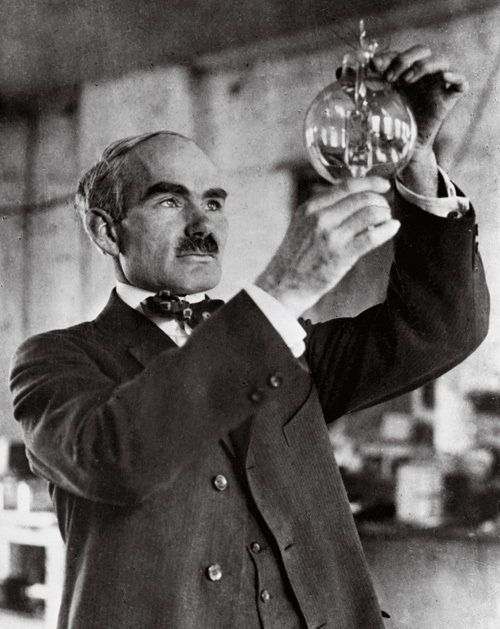
153 years ago today, Lee de Forest was born.
His famous Audion vacuum tube added a third electrode — the control grid.
That seemingly small change helped make electronic amplification possible and became a foundation of the electronics age.
Sometimes one tiny design change changes EVERYTHING.
Engineers: what’s the smallest change you’ve made to a circuit that had the biggest effect? 👇
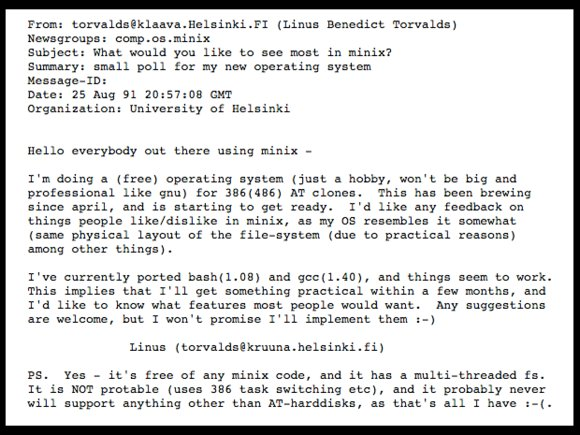
35 years ago today, Linus Torvalds announced a little operating system he was working on.
He described it as:
“just a hobby”
…and said it wouldn’t become big and professional.
That hobby became Linux.
A useful reminder that ridiculous little side projects sometimes get VERY out of hand.
What project did you start with “I’ll just see if this works…”? 👇
31 years ago today, Windows 95 launched.
It gave us the Start button, taskbar and Plug and Play — and sold more than 1 million copies in just four days.
For a whole generation, this was “the computer”.
So let’s settle it:
What was PEAK Windows?
95 • 98 • XP • 7 • something else? 👇
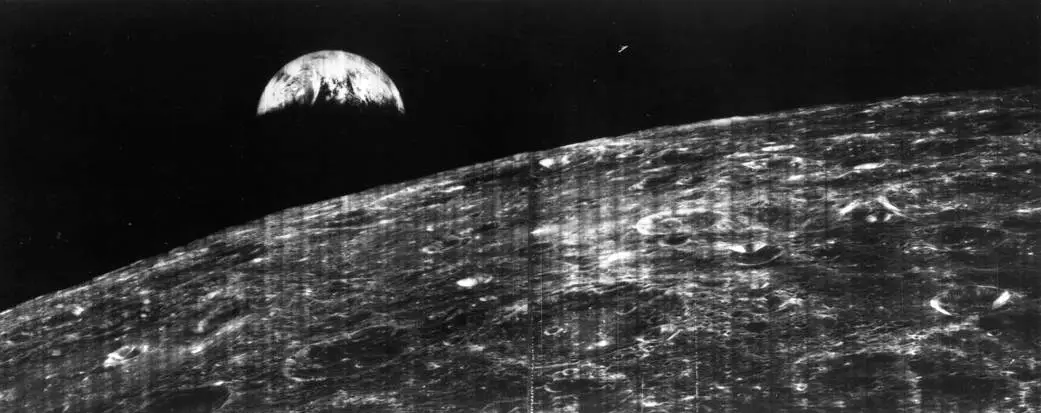
60 years ago today, we saw Earth from the Moon for the first time.
On 23 August 1966, Lunar Orbiter 1 took the first photograph of Earth from lunar orbit.
The best bit?
The photograph wasn’t even originally planned. The spacecraft was there to map potential Apollo landing sites.
1960s engineering was ridiculous.
What piece of 1960s technology still makes you think:
“How the hell did they manage THAT?” 🚀
71 years ago today, the first computer user group was born.
IBM 704 users realised they often knew more about the machine than the instructors, so they formed SHARE to help each other.
71 years later:
What’s the best thing another user taught you that WASN’T in the manual?
138 years ago today, William S. Burroughs patented his calculating machine.
Within a year, about 50 had been built.
There was just one problem:
They were difficult to use.
So he improved the design and kept going.
The machines that followed helped build one of the biggest names in early computing.
A useful reminder for anyone building hardware:
Version 1 doesn't have to be perfect. It just has to exist.
What's the worst prototype you've ever built? 😄
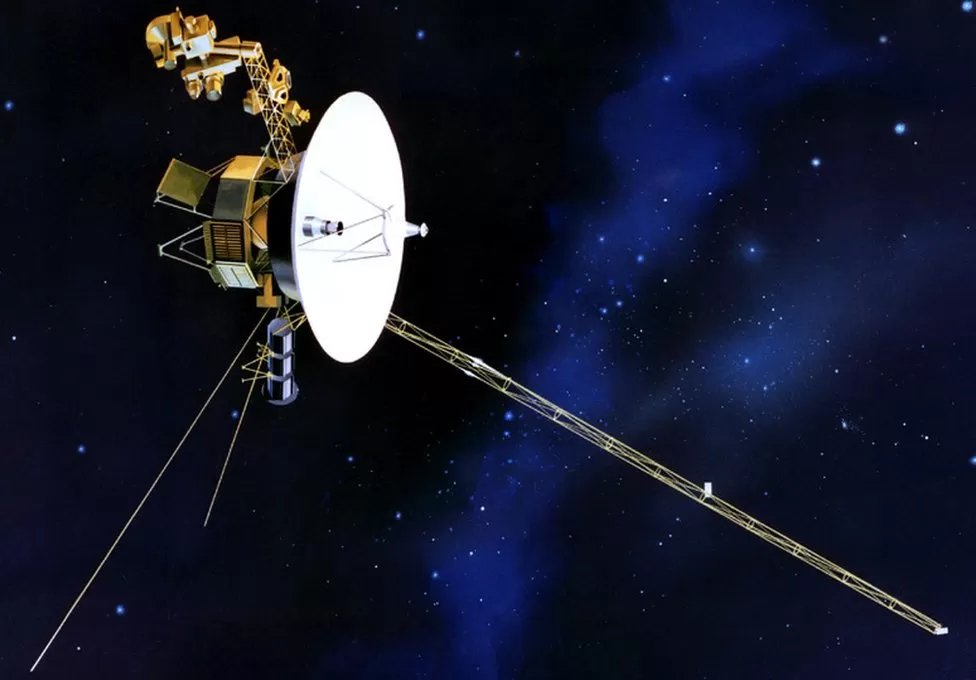
49 years ago today, Voyager 2 launched.
Its primary radio receiver failed in 1978.
It’s been using the backup ever since.
It became the only spacecraft to visit Uranus and Neptune — and it’s STILL doing science in interstellar space.
What have you built that’ll still work in 2075?
@oprydai I’d add one thing: a multimeter.
Not because it’s exciting, but because eventually every project reaches the stage of:
“Why isn’t this working?”
followed by:
“Where did my 5V go?” 😄
Engineers: a beginner gets to add ONE more tool. What are you giving them?
Nowadays, they are tasked for 15 years, and this is only to accommodate the amount of fuel they take to keep them in geosynchronous orbit. However, some operators prefer to use the fuel at the end of 15 years to push them out and clean them up and instead choose to operate them long after their scheduled end date, at which point they can no longer clean the orbit they were in.
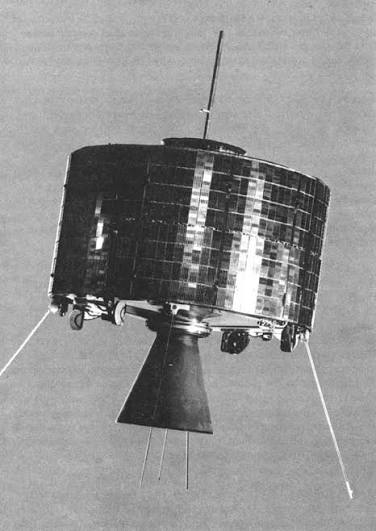
62 years ago today, 19 August 1964, Syncom 3 was launched.
It became the first communications satellite placed into geostationary orbit and later carried live TV coverage of the Tokyo Olympics across the Pacific.
Today, thousands of satellites sit above us, providing TV, internet, weather and communications.
Which piece of space technology do we now take completely for granted?