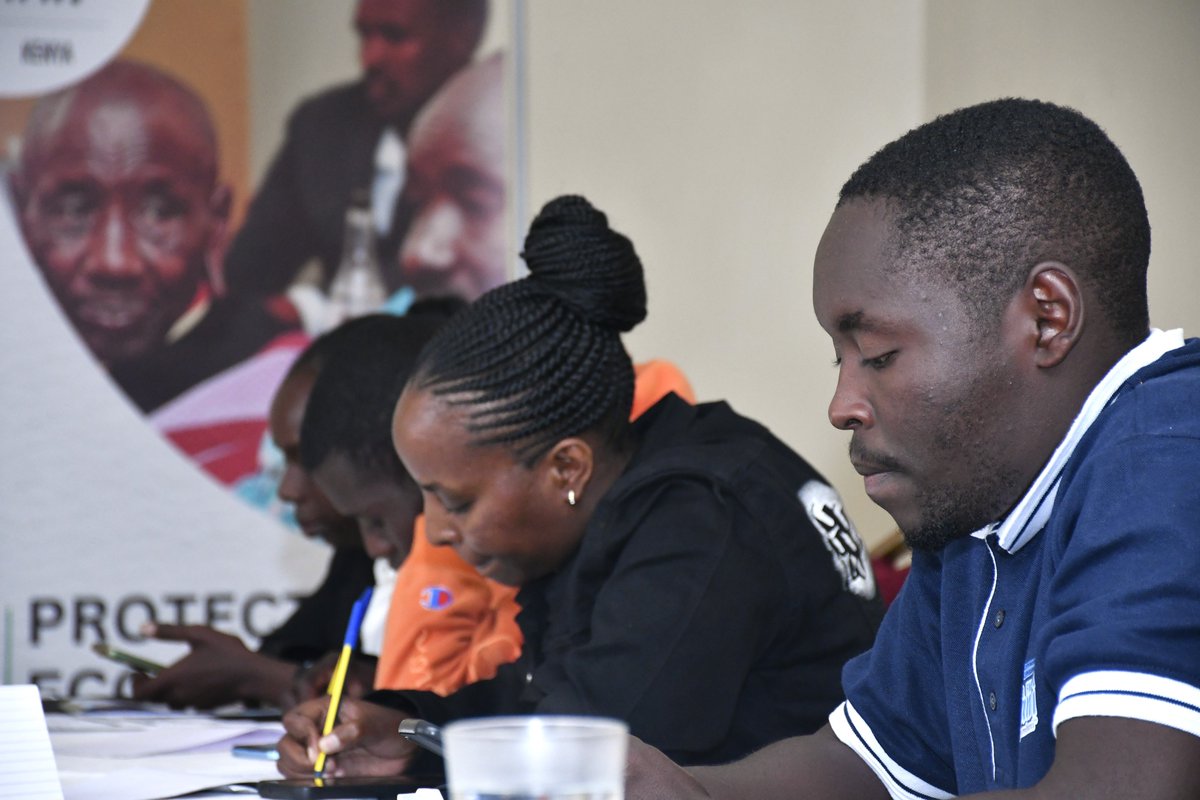
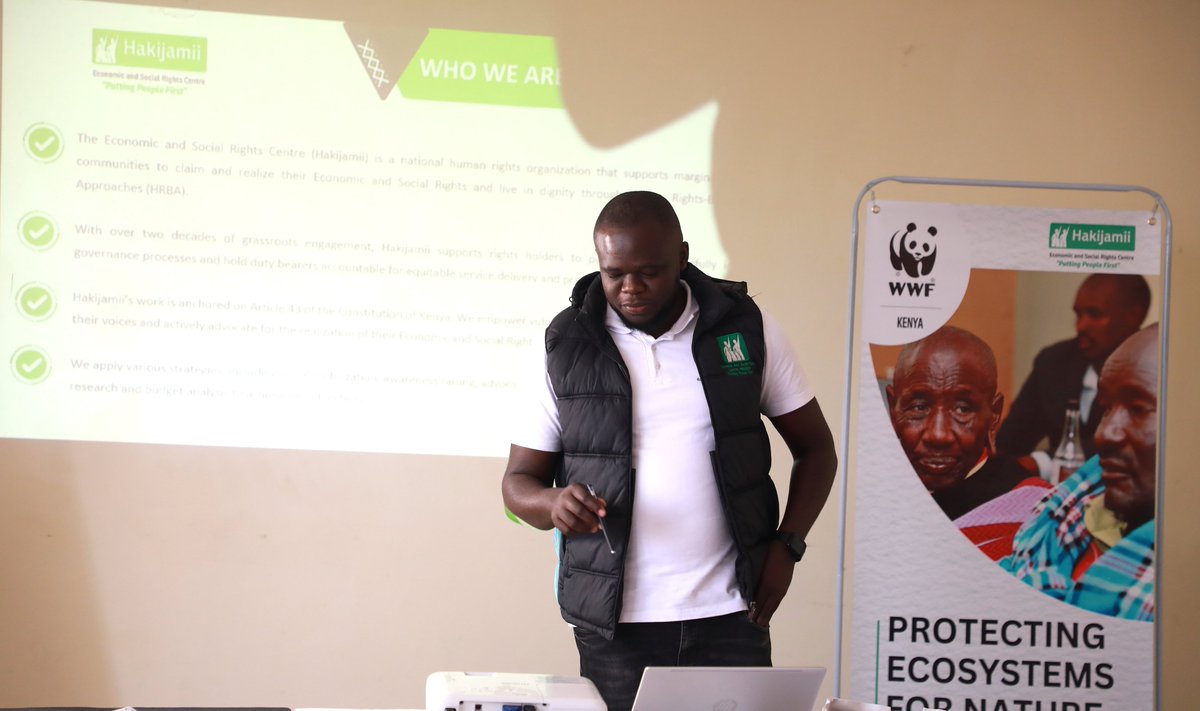
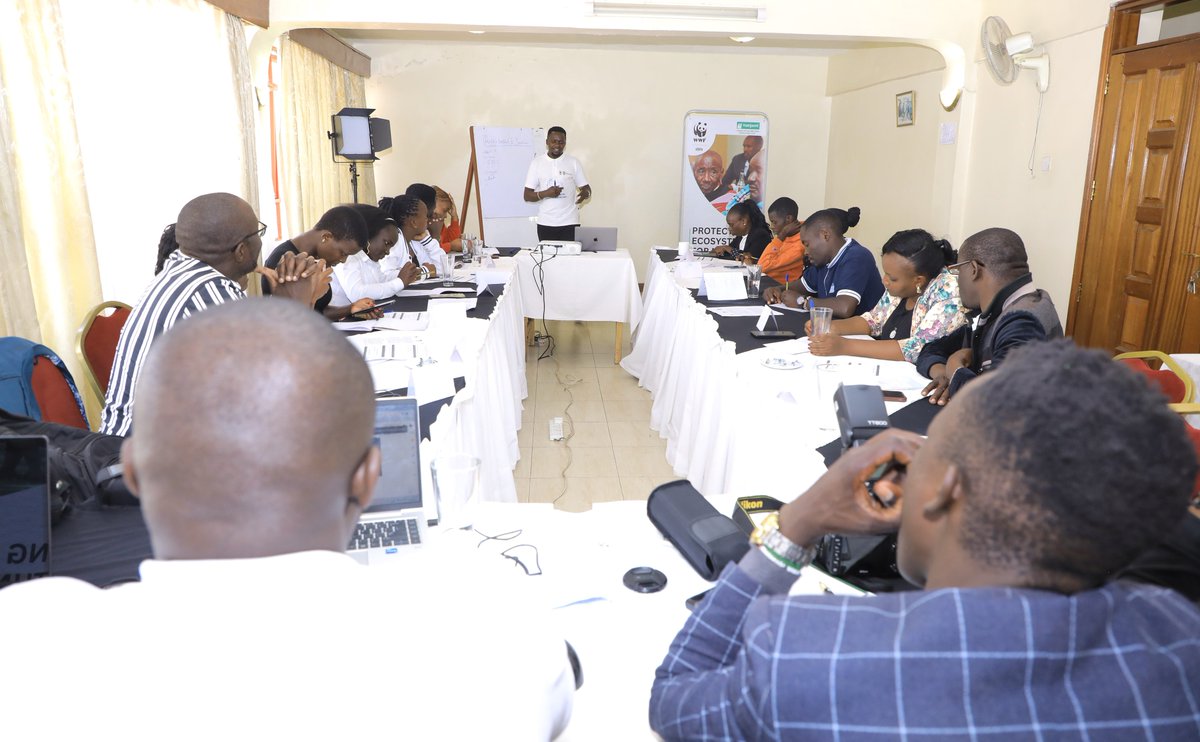
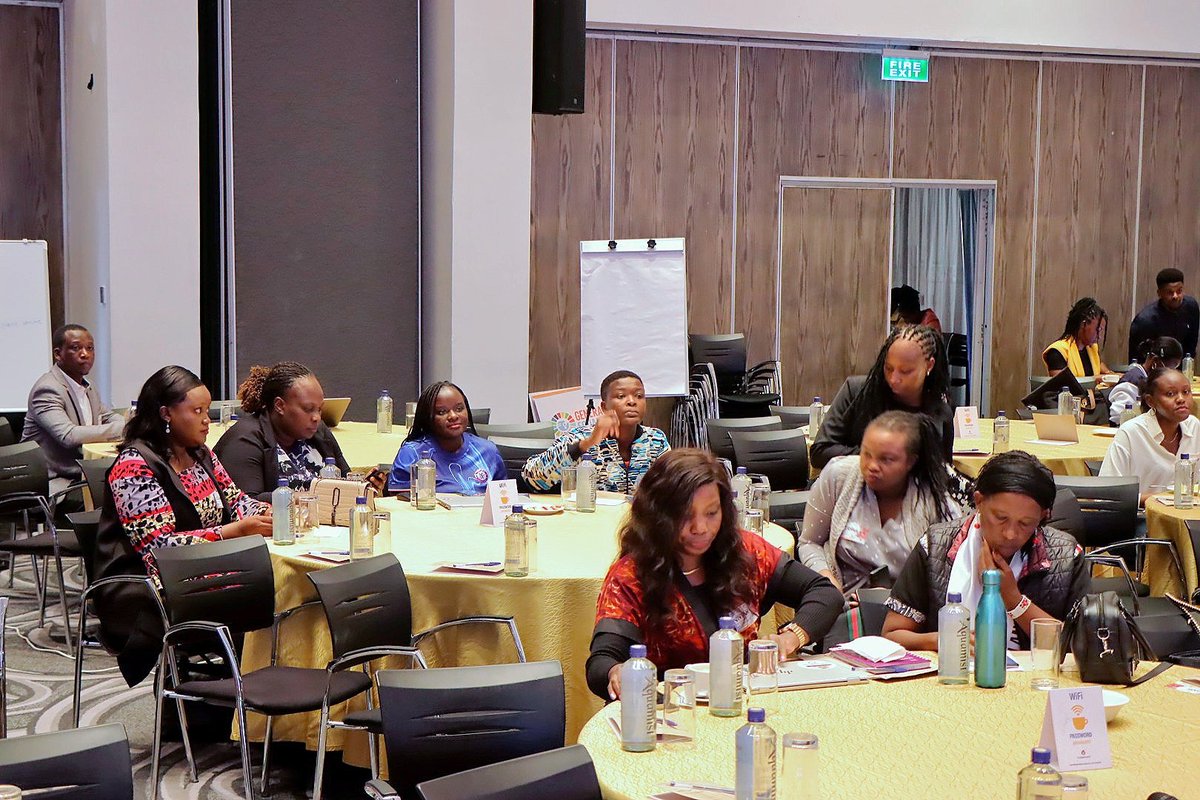
Hakijamii is excited to officially kick off our new project themed "Together for People and Planet (ToPP)"
This programme is implemented with the generous support of the Swedish International Development Cooperation Agency (@Sida) through @WWF_Kenya.
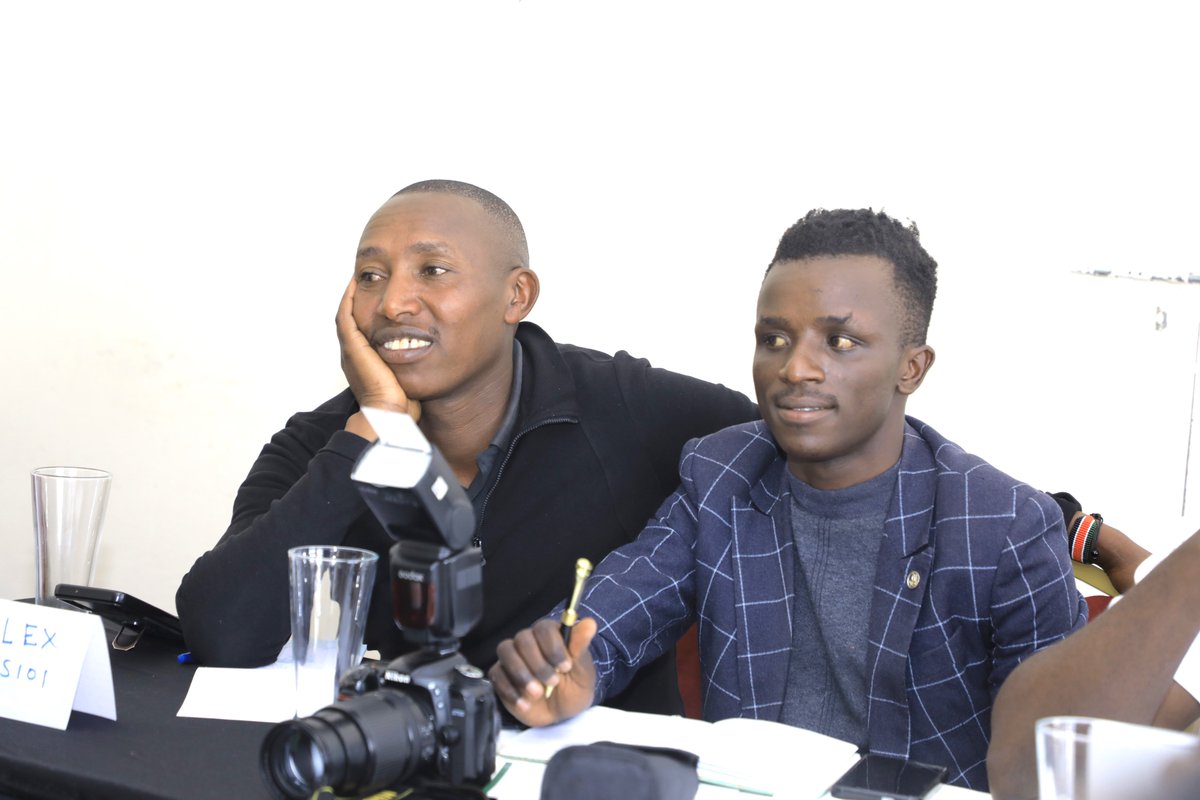
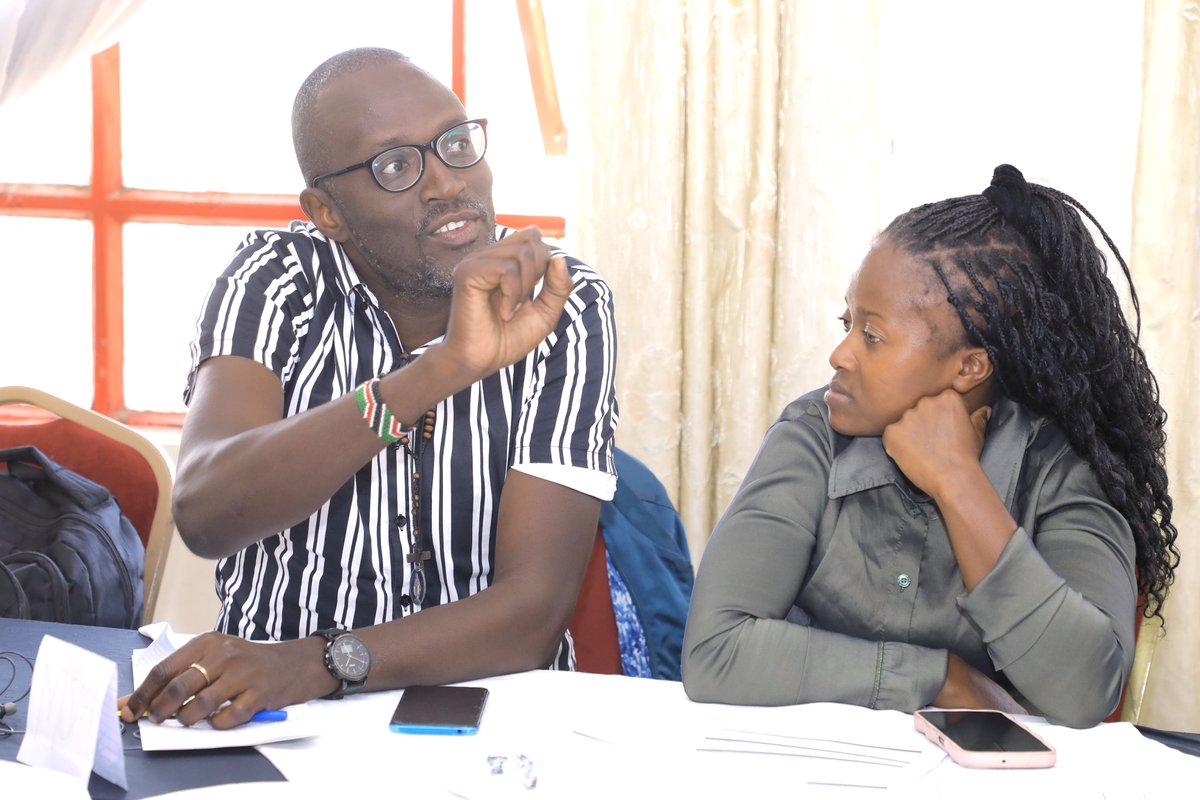
Over the next three days, we're bringing together journalists & Indigenous Peoples and Local Community (IPLC) leaders for a deep dive into Evidence-Based Reporting & Accountability on Biodiversity, Climate & Environmental Governance Processes.
#TogetherForPeopleAndPlanet
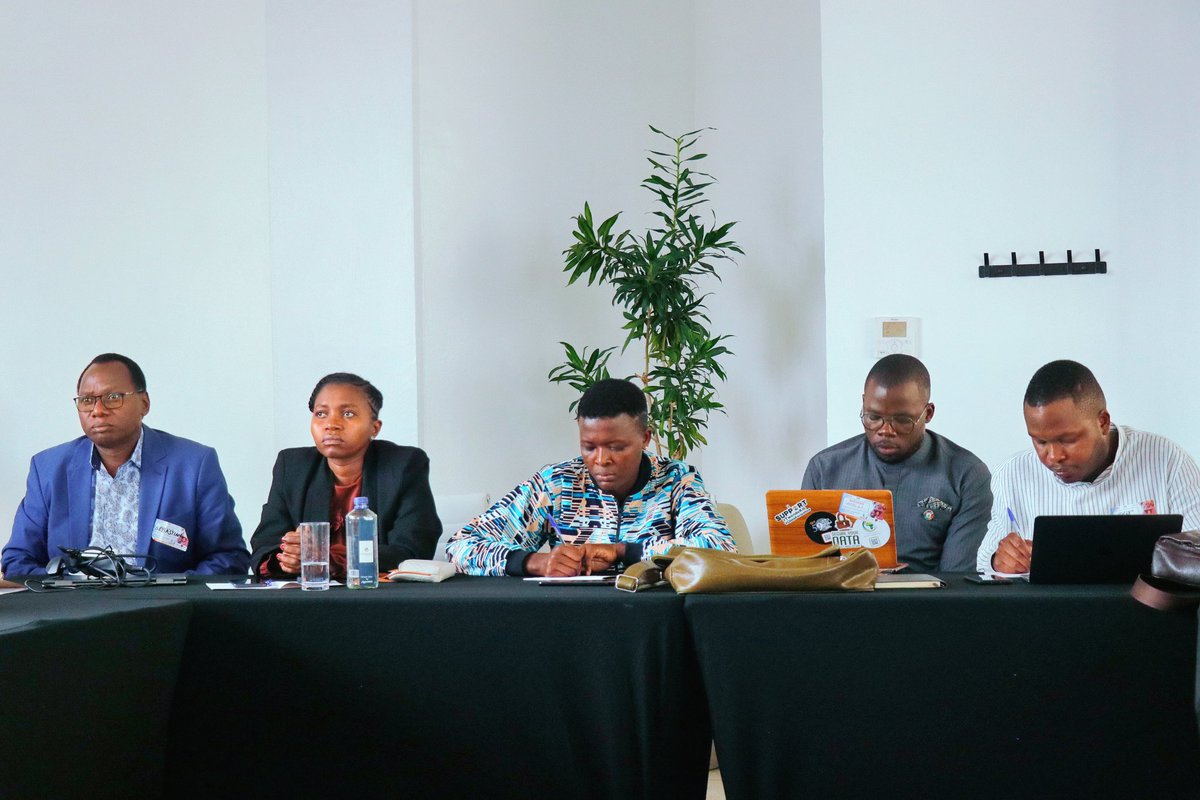
@esrc_hakijamii Bringing journalists together with IPLC leaders creates space for learning, collaboration, and deeper understanding of the lived experiences behind policy discussions and global climate commitments. @esrc_hakijamii@Sida
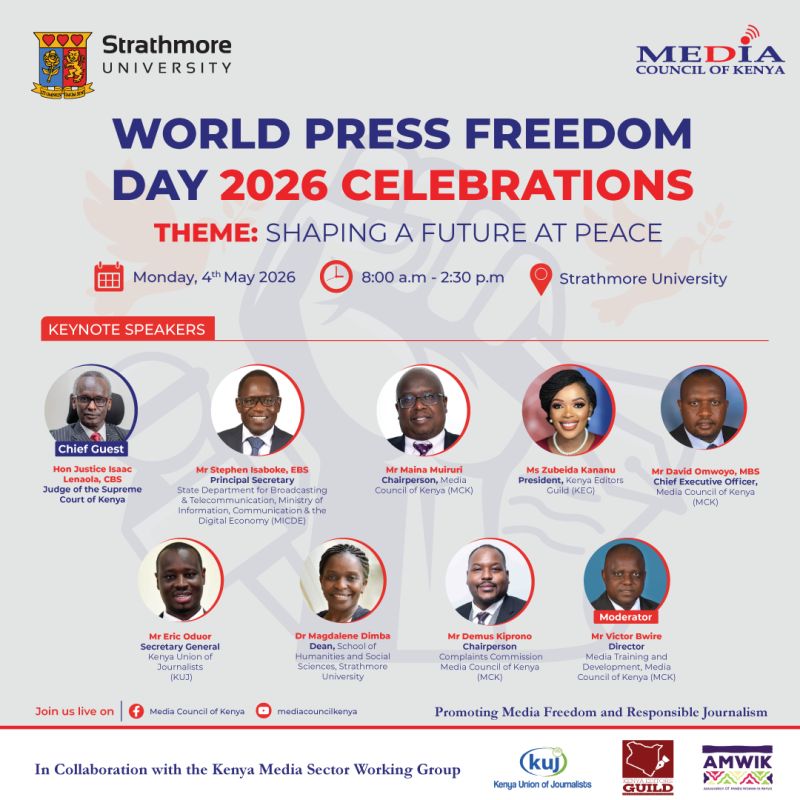
Today, we joined other members of theKMSWG in commemorating this year’s #WPFD at Strathmore University. As we reflect on the conversations, protecting press freedom is not optional as it is the foundation upon which resilient, inclusive, and people-centred media systems are built
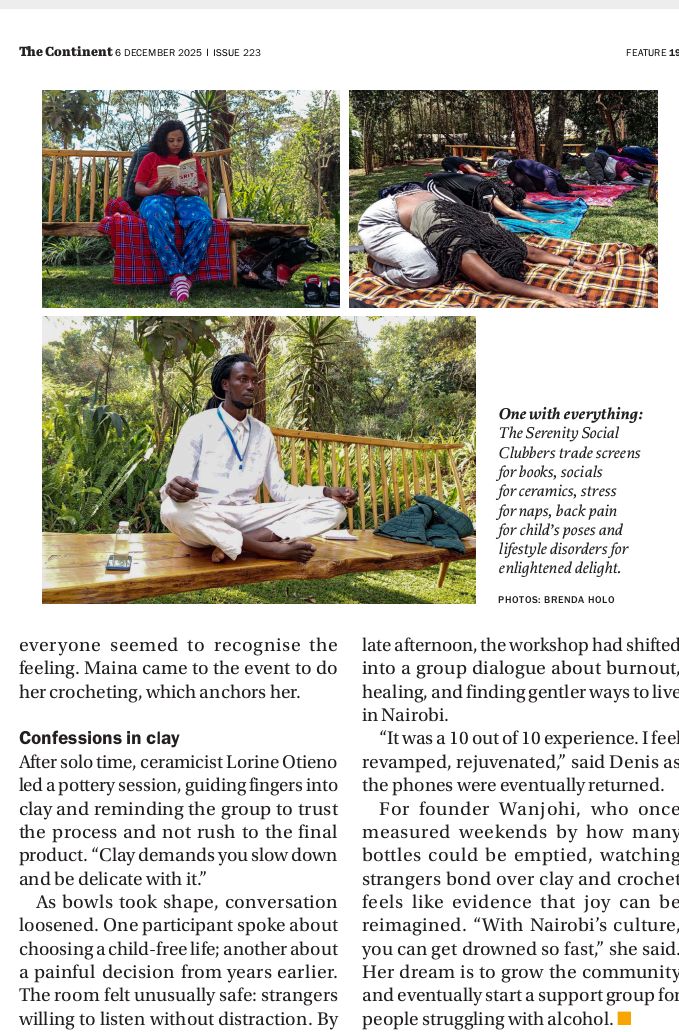
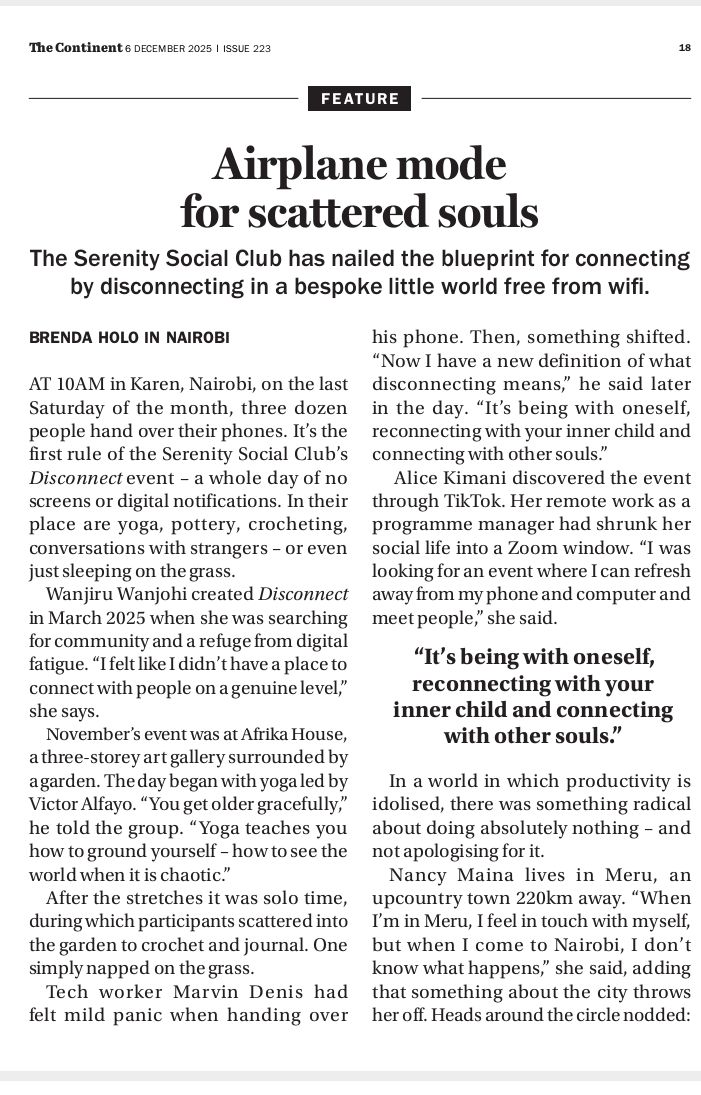
In Siaya, climate survival is being monetized, but the digital gap is widening. How are Kenya’s rural women navigating the "Digital Green Divide"? Read more:
https://t.co/LfOnROGEHB
@theawjp@BrendaHolo
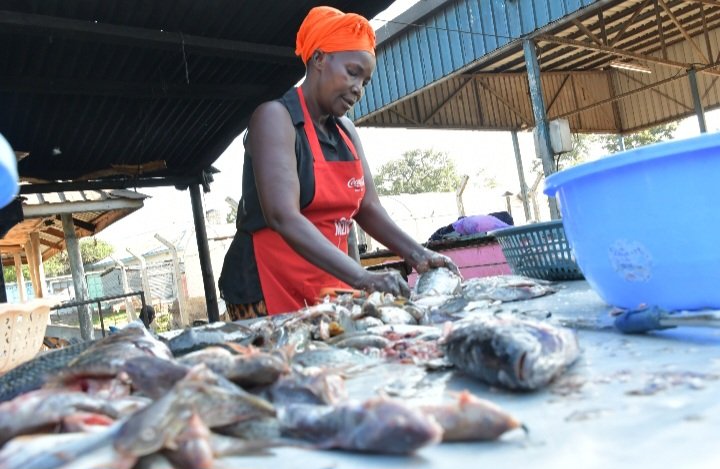
AI is streamlining the fishing industry on Lake Victoria, but it's also creating "ghosts." Women who once led the trade are being pushed out by algorithms. Is this progress or a crisis in the making?
Read the investigation:
https://t.co/jPFYOe2G1b
@theawjp@BrendaHolo
Across Africa, women journalists face daily risks of online and offline gender-based violence (O/GBV). From Nairobi to Lagos, Cairo to Johannesburg and beyond , their voices are silenced not by lack of courage, but by systemic violence and weak protection.
https://t.co/euVSeCcYp0
When using AI tools, it’s not just about reaching your audience , it’s also about doing so with credibility and integrity.
For journalists, ethical prompting means:
🔹 Defining the audience clearly
🔹 Avoiding manipulative language
🔹 Prioritizing Transparency
🔹 Balance
The training will also serve as a platform to foster direct networking between journalists & Indigenous Peoples and Local Communities (IPLCs) representatives, encouraging collaborative storytelling, trust-building, and long-term engagements between the stakeholders.
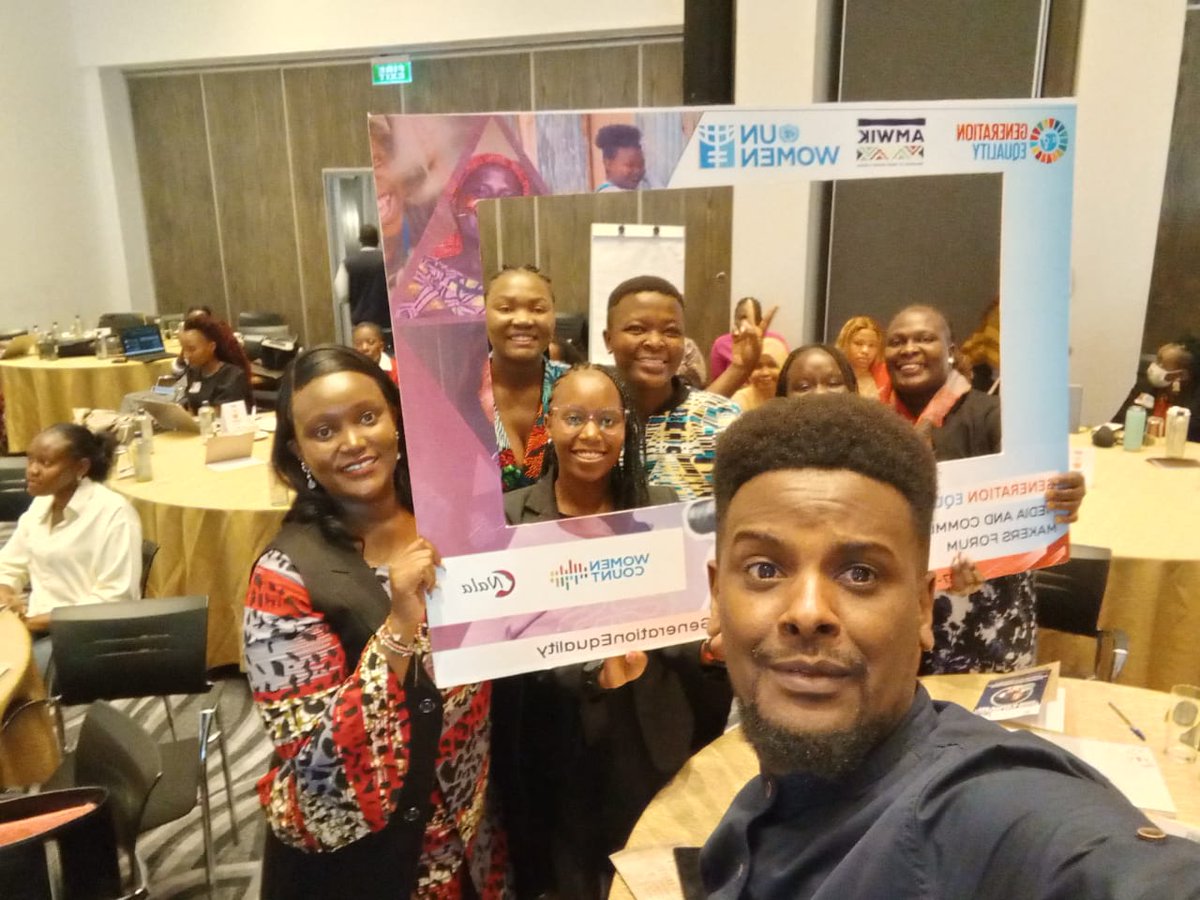
Today, in collaboration with @WWF_Kenya, we're enhancing the capacity of grassroot journalists from Nakuru & Narok County to effectively report on environmental issues & amplifying the voices of marginalized groups, including IPs, LCs, women, youth, and PWDs.
It’s finally here!💃
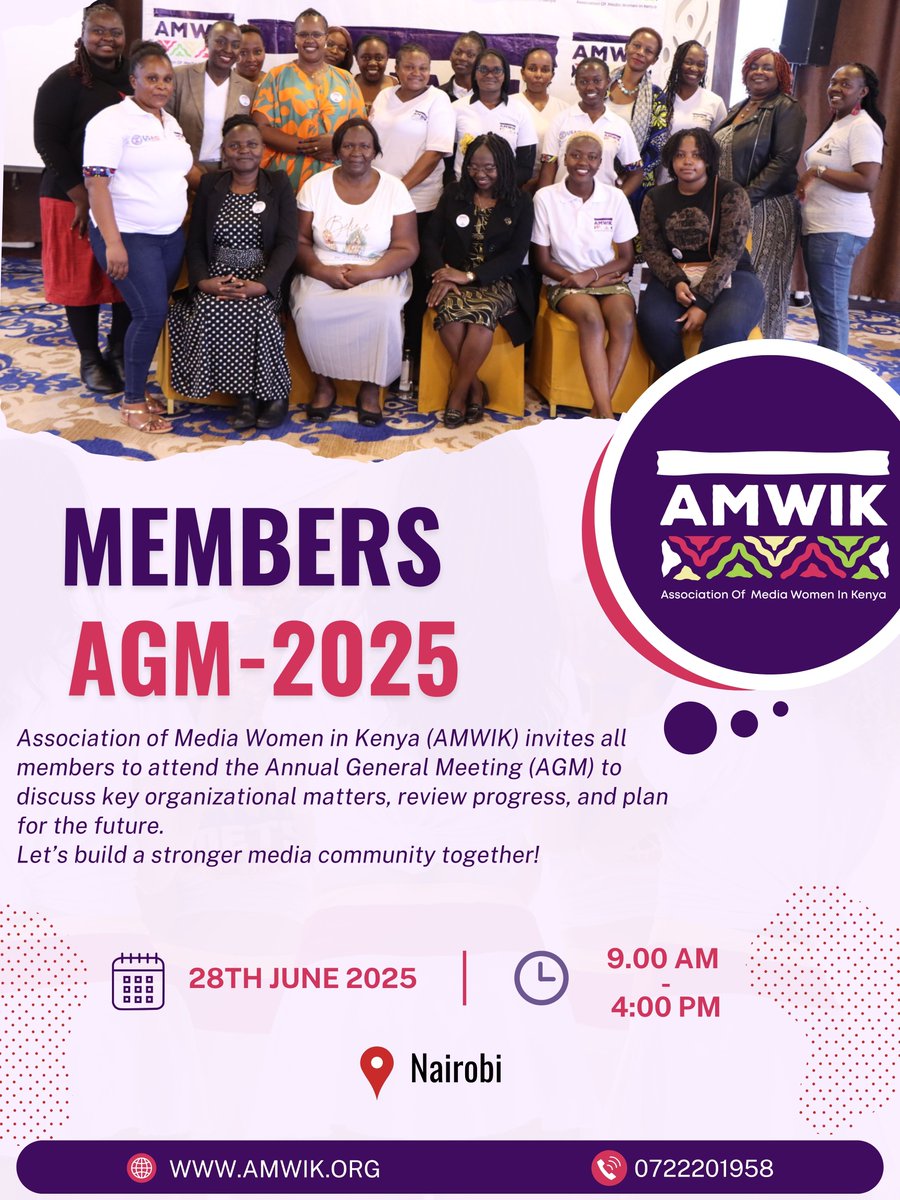
The AMWIK Annual General Meeting (AGM) 2025 is here, and we warmly invite all members to be part of this important gathering.
Come connect, reflect on our journey, engage in meaningful discussions, and help shape the future of our vibrant association. #IamAMWIK
🇰🇪In my latest for @TriplePundit , I explore how @HyapakEco , a Kenyan startup, is transforming the invasive water hyacinth into eco-friendly seedling bags.
Read the full story👇👇
https://t.co/ND1GS5TVyx
@unwomenkenya
"Women aren’t just impacted by climate change they’re leading the response. From clean energy to reforestation, they’re driving real solutions." #GenerationalEquality
"The government needs to allocate more resources towards implementation of good bills that address digital governance" ~Esther Kago, Advocate of the High Court of Kenya.
#VijanaTuchanuke#StopReflectVerify
The National Stakeholders Symposium on The Youth Factor in Digital Democracy is on. The national conversation builds consensus on a national digital code of conduct ahead of the 2027 elections.
🎓 Just wrapped up my 6-month Digital Democracy Fellowship!
Grateful for the insights on disinformation, digital campaigns & the amazing youth I connected with.
Onward to more impact! 💻✨
#DigitalDemocracy#YouthVoices#OnlineSafety
Good morning,
Yesterday, in my TELEGRAM CHANNEL, I wrote about an organ trafficking syndicate involving an Eldoret Hospital and related to SHAKAHOLA massacre.
Here is an investigative documentary from DW revealing this syndicate.
Also, note that after the hospital collapsed, its owner was appointed to a state job.
He was appointed to the Board of Directors of Kenya Biovax Institute.
Kenya Biovax Institute is mandated to manufacture and commercialize vaccines and related health technologies and products.
Suffice to say, the organ trafficking syndicate is done with the permission from shadowy government authorities.
Yet Kenyans are not angry enough.
How can your fellow citizens be subjected to macabre rituals, with their organs plucked, in the full knowledge of authorities, yet nobody is concerned?
#BetterTogether
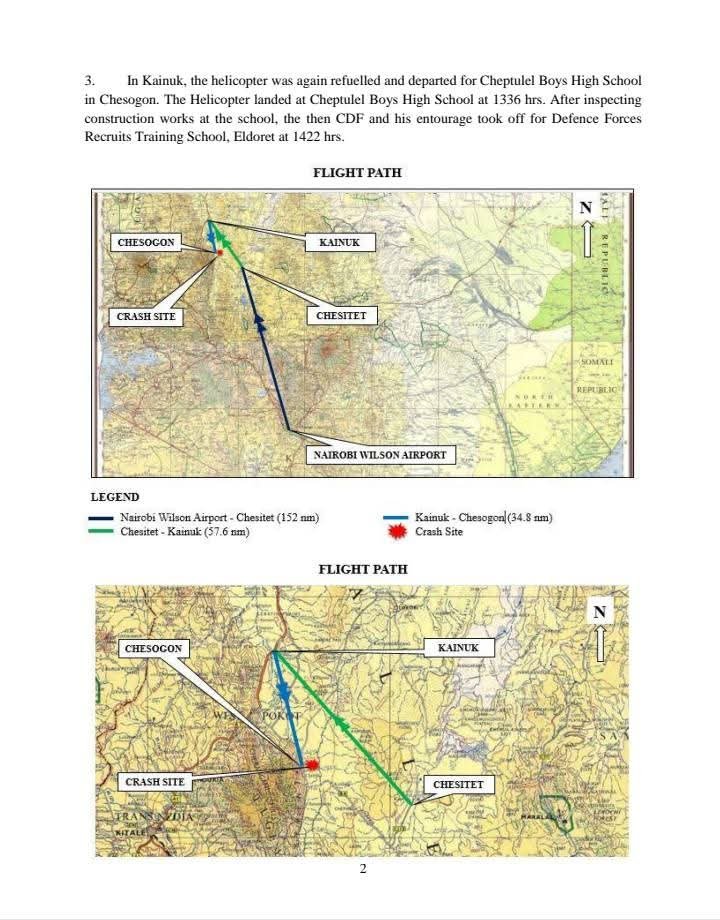
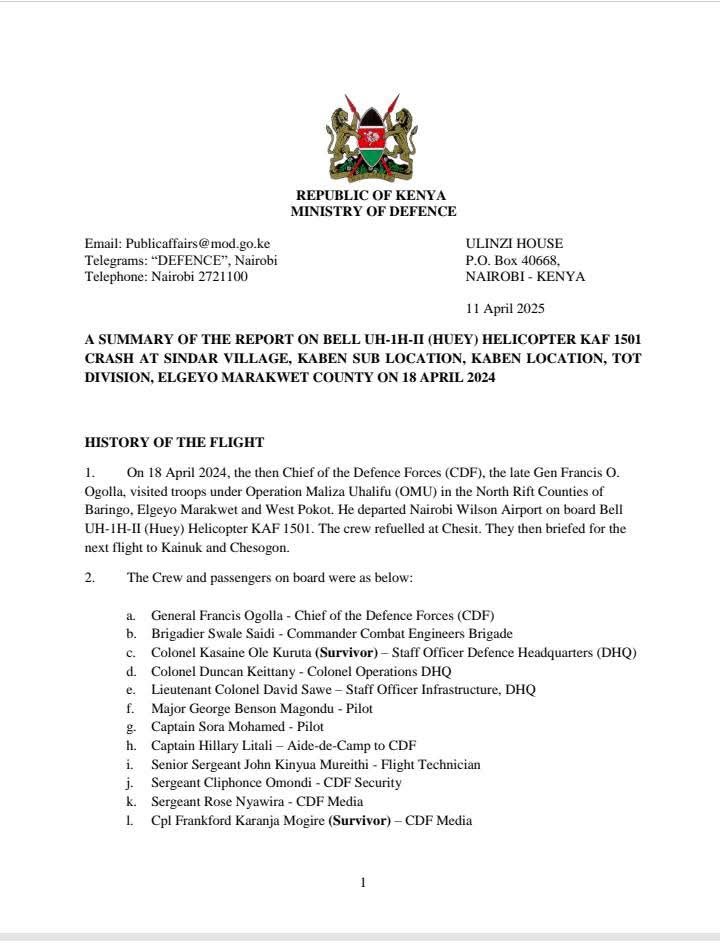
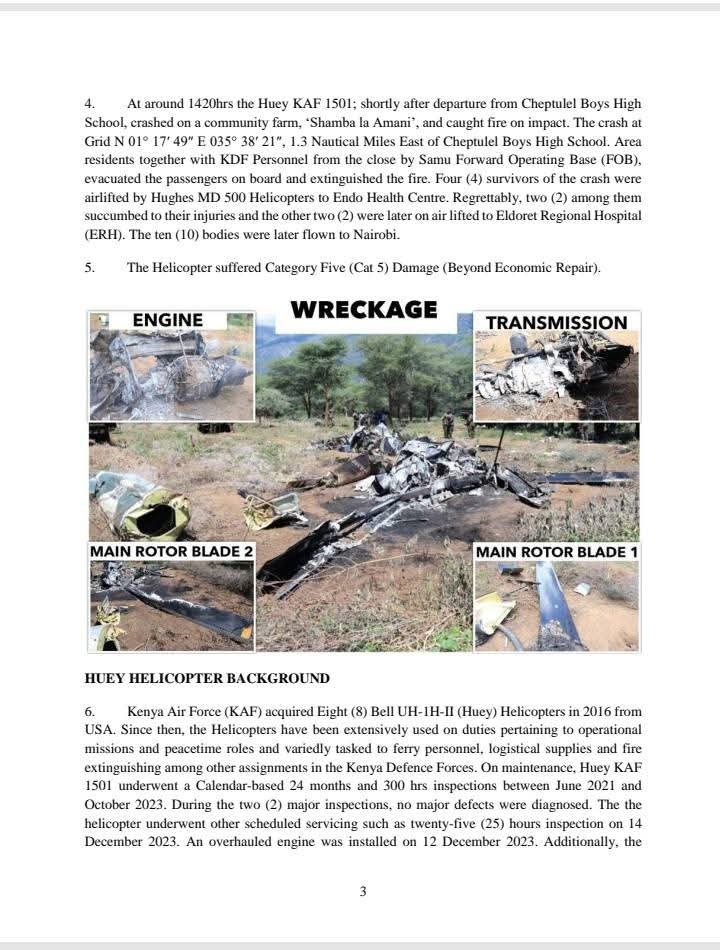
A military inquiry by the Kenya Defence Forces has attributed the fatal helicopter crash that killed Chief of Defence Forces (CDF) General Francis Ogolla to an engine malfunction, nearly a year after the incident that claimed the lives of ten officers in Elgeyo Marakwet County.
The report, made public on Friday by the Ministry of Defence, concluded that the Kenya Air Force Huey Helicopter, designated KAF 1501, suffered a critical engine failure while in flight.
The aircraft was transporting General Ogolla and a team of officers shortly after completing a security tour in the North Rift region under Operation Maliza Uhalifu.
According to the findings, the helicopter encountered what investigators identified as an Engine Compressor Stall (Surge).
Witness accounts referenced a loud bang from the engine area just before the aircraft lost power.
The helicopter’s Measured Gas Temperature (MGT) gauge, once reconnected during the investigation, showed an extreme reading of 914 degrees Celsius — a figure investigators deemed consistent with engine failure.
The report detailed a sequence of events following the power loss.
These included a leftward yaw, a reduction in engine revolutions per minute (RPM), an audible low-RPM alarm, and a shift in engine noise, all corroborated by eyewitness statements and the reconstruction of the accident scene.
The crew, described as both qualified and competent, reportedly attempted to guide the helicopter toward a safe landing zone.
However, control of the aircraft was ultimately lost, resulting in a crash and explosion upon impact in a field referred to locally as Shamba la Amani, shortly after departure from Cheptulel Boys High School.
The incident occurred on 18 April 2024 at around 2:20pm in the Sindar area of Marakwet East.
Out of the twelve individuals on board, only two survived — one of whom is believed to have been a photographer.
The Ministry stated that the Bell UH-1H-II Huey helicopter had previously demonstrated reliability across both operational and VIP assignments.
The aircraft, manufactured by Bell Textron Aerospace in the United States, had been part of Kenya’s fleet since 2016 through a military assistance programme.
Among those who died alongside General Ogolla were Brigadier Swaleh Said, Colonel Duncan Keitan, Lieutenant Colonel David Sawe, Major George Magondu (the pilot), Captain Sorah Mohamed, Captain Hillary Butali, Senior Sergeant John Kinyua, Sergeant Cliffonce Omondi, and Sergeant Rose Nyawira.
Following the crash, the aircraft was classified as having suffered Category Five damage — a term used to describe wreckage that is beyond economic repair.