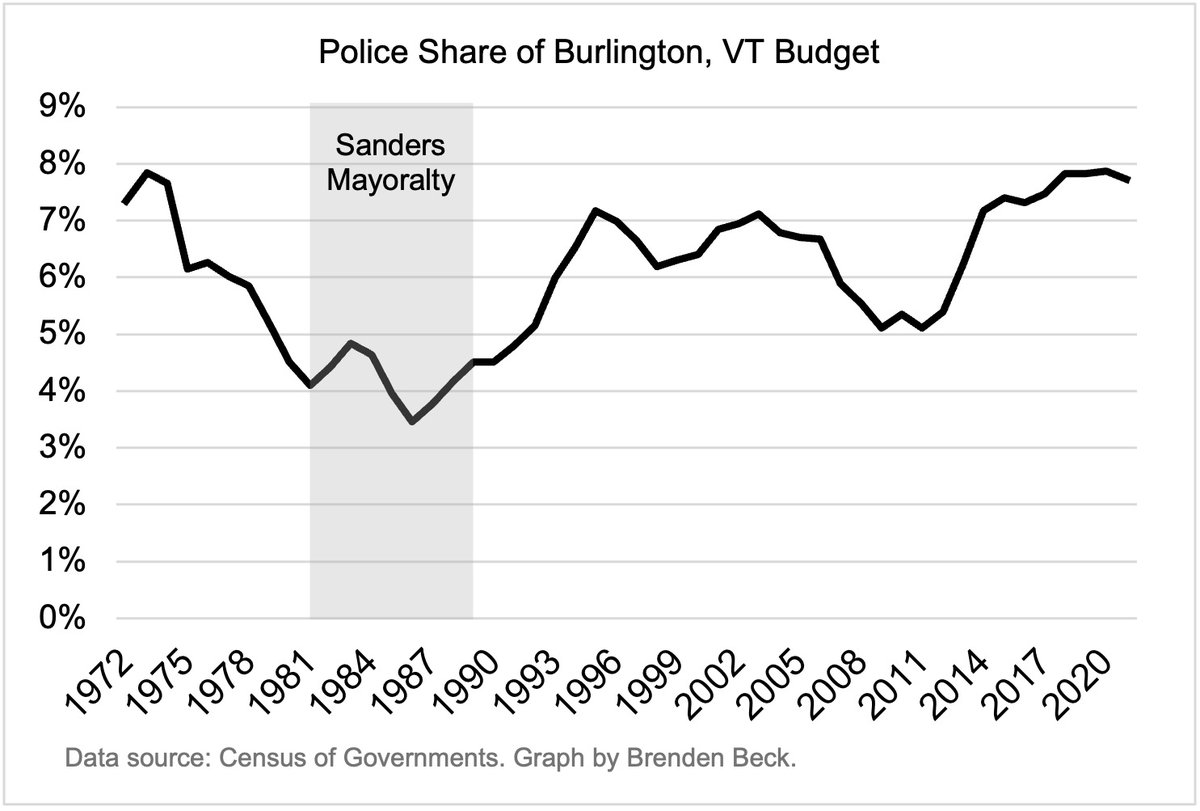
When times are tight, do cities cut police or social service budgets more? In a 🚨new study🚨, I find revenue loss is associated with shallow, temporary cuts to policing and deep, enduring cuts to social services. The article, in Criminology, is free. https://t.co/munpBSdwYb
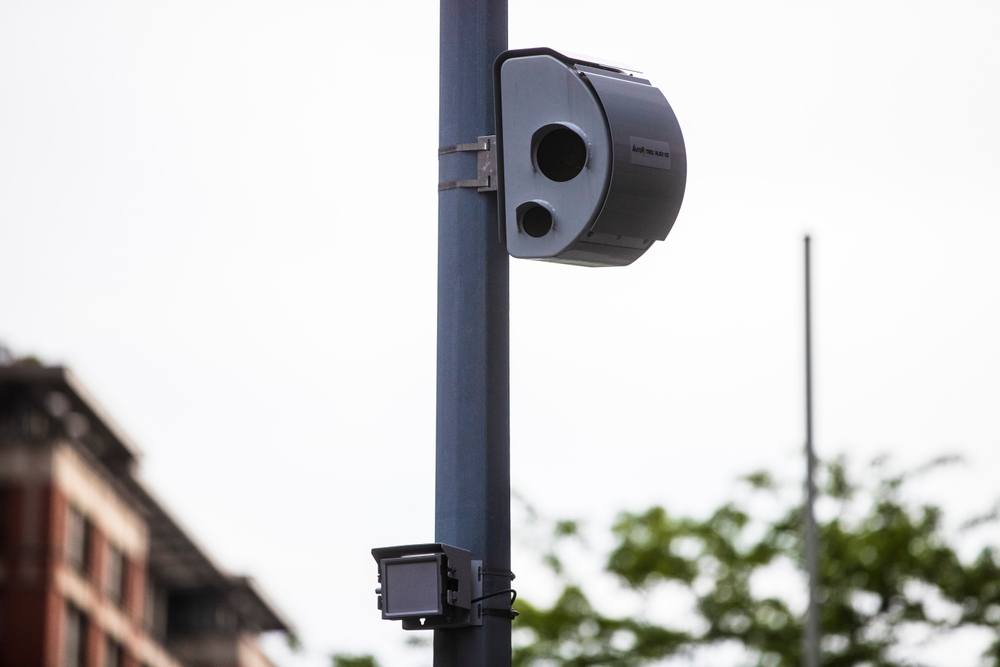
Automated speed cameras, which detect and fine speeding motorists, reduced total collisions by around 30% and injuries by around 16%, on average, within 900 feet of intersections in the first 7 months of deployment in New York City. In PNAS: https://t.co/BxROQUr7Wb
Wait...
Speed cameras work?
"Cumulatively, over the seven months following [speed camera's] introduction, collisions declined by 30% and injuries by 16%."
Do speed cameras work? Our new study in @PNASNews provides rare causal evidence about NYC’s automated enforcement program, finding large reductions in collisions (30%) & injuries (16%). From me, @BrendenBeck and @jbenmenachem. https://t.co/cbpVP2MF1z
@mattyglesias Interesting. It seems like if Mamdani promised higher pay then kept the share of funding low once in office, that would be in the Sanders mold.
It’s true, I have joined the faculty at the @RutgersSCJ. I will dearly miss my CU Denver colleagues and students, but I’m excited to return to the NYC area and work alongside the amazing criminal justice scholars at Rutgers. If you’re in the area, get in touch!
@PeterMoskos@LessCrime@jnixy@mwrubin ...construction, accidents when driving, etc.) and I think the higher fatality numbers in construction/logging/etc support that. Though if we're appealing to a more qualitative definition of "danger," like the "nature" or "reducibility" of the danger, data won't be much help.
@PeterMoskos@LessCrime@jnixy@mwrubin I hear you about the irrational human interactions element. That seems unique, though present to a lesser extent in ER nursing and some social work jobs. I'm less convinced that policing is uniquely unpredictable or instantaneous (weather when roofing, mechanical failures in ...


![JohnHolbein1's tweet photo. Wait...
Speed cameras work?
"Cumulatively, over the seven months following [speed camera's] introduction, collisions declined by 30% and injuries by 16%." https://t.co/bVbwoxPCjV](https://pbs.twimg.com/media/G7rZOSMXcAAYpgh.jpg)
![JohnHolbein1's tweet photo. Wait...
Speed cameras work?
"Cumulatively, over the seven months following [speed camera's] introduction, collisions declined by 30% and injuries by 16%." https://t.co/bVbwoxPCjV](https://pbs.twimg.com/media/G7rZM6CXQAA35dS.jpg)




![JohnHolbein1's tweet photo. Wait...
Speed cameras work?
"Cumulatively, over the seven months following [speed camera's] introduction, collisions declined by 30% and injuries by 16%." https://t.co/bVbwoxPCjV](https://pbs.twimg.com/media/G7rZO64WkAABcuf.jpg)