So the real reason Wes Huff won't debate anyone is because he's a fraud - exactly as I said months ago when he posed with pro-gae "ministers" and pretended he was super pious when I said the N-word. LOL It never fails that piety signalers are 10Xs worse than you think. - vindicated again.
For those downplaying the plagiarism accusation, here is evidence of ten times Wes Huff committed plagiarism. He behavior is dishonest, and his apology was disingenuous. The guy known for talking about credible manuscripts is himself nowhere near credible.
Plagiarism is the act of intellectual theft of using another person's ideas/words/research and presenting them as your own. Here is a roundup of @WesleyLHuff committing plagiarism in his uploaded papers, websites, tweets, etc.
Example 1: Huff's uploaded paper Christological Claims: A Textual Consideration of John’s Gospel plagiarizes from a 2010 paper by Brian J. Wright - as shown by @maklelan in his video: https://t.co/TdAZzNkeV7
In case you're wondering, Wes Huff's 2018 Luke-Acts paper was written for a University of Toronto course during his PhD studies, not his master's program.
And it's hard to dismiss it as merely a draft when an identical copy is still available for download on his personal website.
As I have said, it is rare for a plagiarizer to steal content only once.
Anything and everything @WesleyLHuff has ever produced or submitted for a degree should go through rigorous review.
Mistakes happen in citations. This is different. This is intentional taking.
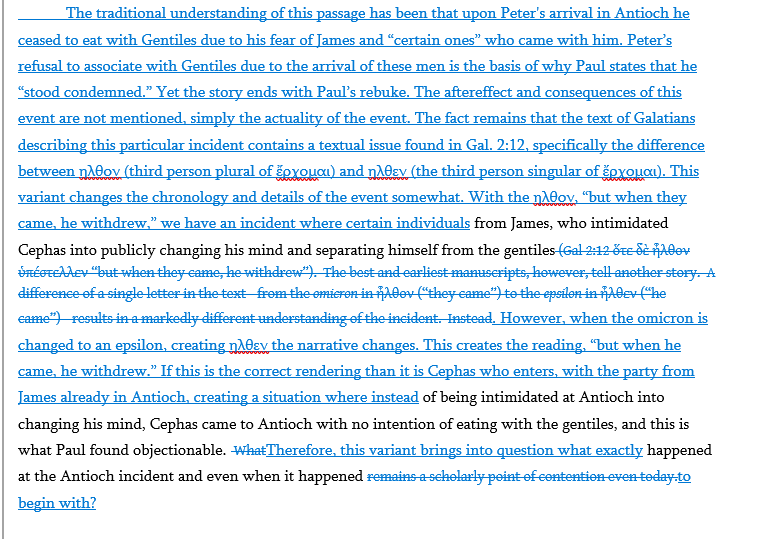
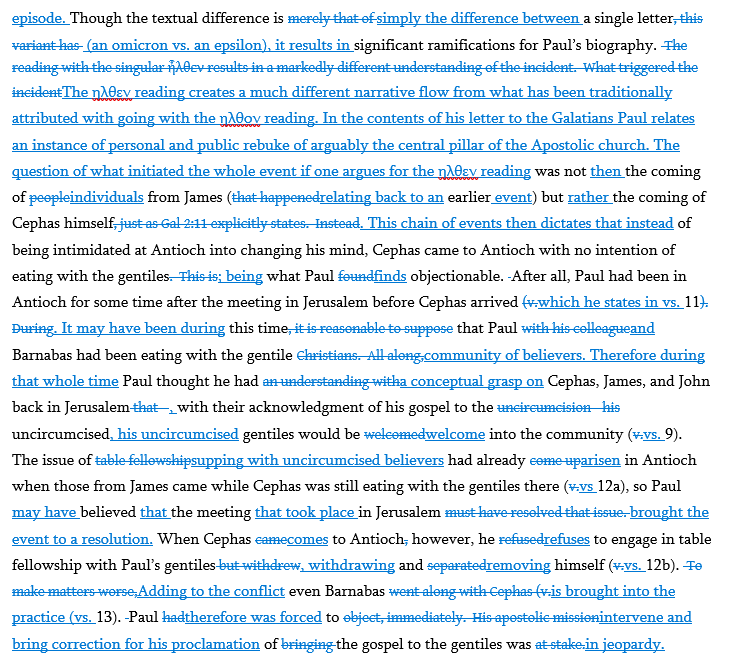
@maklelan doesn’t seem to be an isolated incident. another one of his https://t.co/mq7TmcGlaL papers, the one on the textual variant at Gal 2:12, also shows signs of plagiarism from a 2014 article by David I. Yoon and Stephen C. Carlson’s dissertation
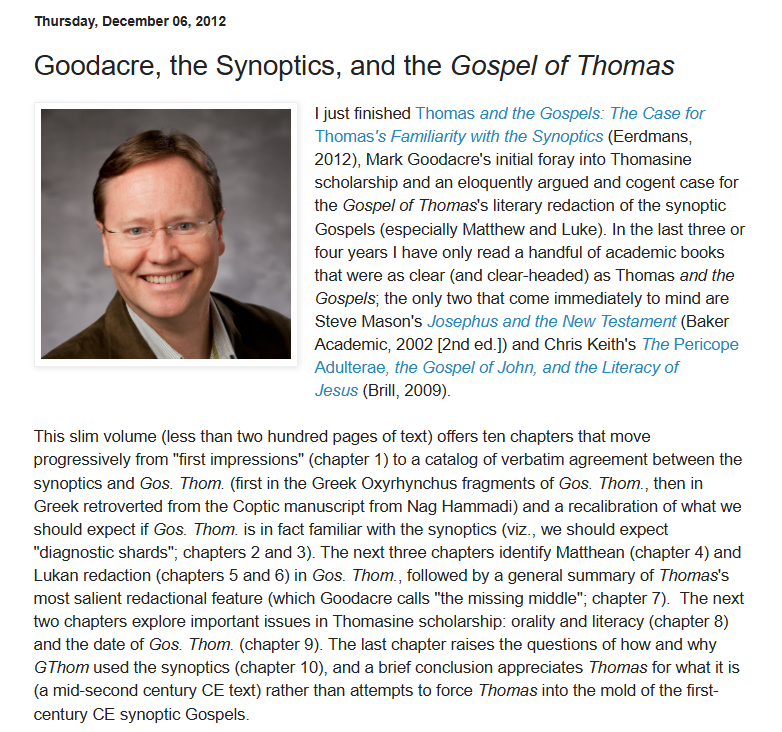
I found plagiarism in another Wes Huff paper, “A Survey of the Gospel of Thomas and its Place in the Study of the Synoptic Problem” (U of Toronto, 2019). His critique of Mark Goodacre is lifted from a 2012 blog review by Rafael Rodríguez that he never cites.
A wealthy man decided to settle a family inheritance fight against his brother by targeting the weakest person in the room: his disabled infant nephew.
He withdrew medical support for his severely disabled little boy while lawyers argued as a bargaining chip. When his brother called and begged him to stop, he said that he should “just let your son die.”
That man was called Donald Trump.
Art of the deal.