Dr Abu Safiya has been pleading with the world to do something! Israel continues to bombard Kamal Adwan hospital, the only remaining medical outfit in northern Gaza. He says they don't know what they want or why they're targeting them. But we all know that their bloodlust is not something normal people understand.
'How to benefit from climate change'
Rich dudes like Bill Gates really do live categorically different lives than the rest of us
https://t.co/Kb2SNpFhXy
#repost While the use of pesticides ensures fewer pests, more yield, and greater income in the short term, they degrade land, water, soil — and most importantly, human health over time.
https://t.co/0yYDLcxwBT
The trans-Himalayan Mustang region has had successive snowless winters but has experienced heavy monsoon downpours most characteristic of the southern foothills. But local and national governments seem ill-prepared to deal with this anomaly.
https://t.co/DJGa3PwS1L
🎵🎶
Is there any other taste
Sweeter than mangoes?
Is there any other sight
Better than your eyes?
I wouldn’t know, I wouldn’t care
As long as you’re right here
To pick me up
And watch the sunrise
https://t.co/k1rgY7XCpb
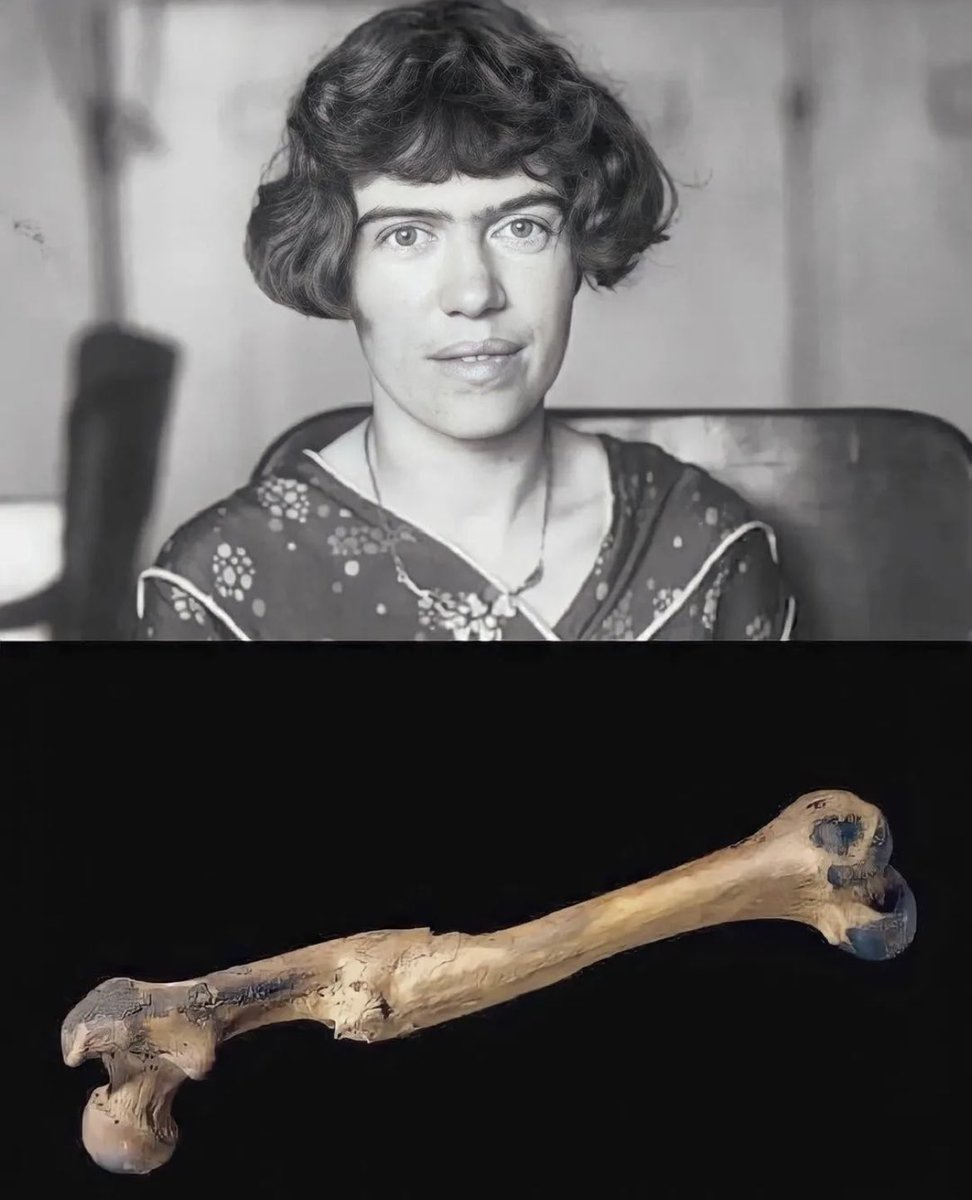
The concept of civilization is often associated with various tangible artifacts and advancements, such as tools, architecture, or systems of governance. However, anthropologist Margaret Mead presented a different perspective when she was asked about the first sign of civilization in a culture. Rather than focusing on material objects, she emphasized the significance of a healed femur bone.
In Mead's view, the animal kingdom provides a stark contrast to human civilization. When an animal breaks its leg, survival becomes nearly impossible. The inability to escape from danger, access water, or procure food renders the injured animal vulnerable to predators. Consequently, no animal lives long enough for a broken leg to heal naturally. Thus, the healing of a femur bone is a profound indication of civilization.
Why is a healed femur bone considered the first sign of civilization? Mead's explanation lies in the collective care and empathy demonstrated by a community. When someone breaks their leg, it is a moment of extreme vulnerability and danger. However, if the injured individual receives aid and support from others, they can overcome this critical period.
The act of caring for someone with a broken leg requires time, compassion, and a sense of responsibility towards others. Mead suggests that the healing process involves multiple steps. First, someone must have witnessed the accident and recognized the injured person's distress. Then, they would have provided immediate assistance, possibly by binding the wound and ensuring the person's safety. Finally, they would have stayed by their side, offering ongoing care and support during the recovery period.
By highlighting the significance of collective care, Mead emphasizes that civilization begins with the recognition of the suffering of others and the willingness to help. It is through acts of compassion and support that a community establishes its foundations of empathy, cooperation, and social cohesion. The healing of a broken femur, symbolizing the survival and recovery of an individual within a community, reflects the values and actions that underpin a civilized society.
Mead's perspective challenges the notion that civilization is solely determined by material progress or technological advancements. While such developments are undoubtedly important, they are built upon a deeper foundation of human connection and mutual aid. The healing of a broken femur bone serves as a metaphor for the care and support that individuals provide to one another, promoting the well-being and progress of society as a whole.
In conclusion, Margaret Mead's unconventional response to the question about the first sign of civilization reminds us of the fundamental importance of collective care. Civilization, she argues, is not solely defined by tangible artifacts or structures but by the empathy and support extended to those in need. The healing of a broken femur bone represents the compassion and responsibility that underpin a civilized society, highlighting the significance of human connection and mutual aid in fostering progress and well-being.
Despite international calls for compensation to migrant workers who built its infrastructure in Doha, 2022 #FIFAWorldCup ends on Sunday. #InternationalMigrantsDay
Read on, World Cup ending without migrant relief:
https://t.co/Y4wqV9Lr5D
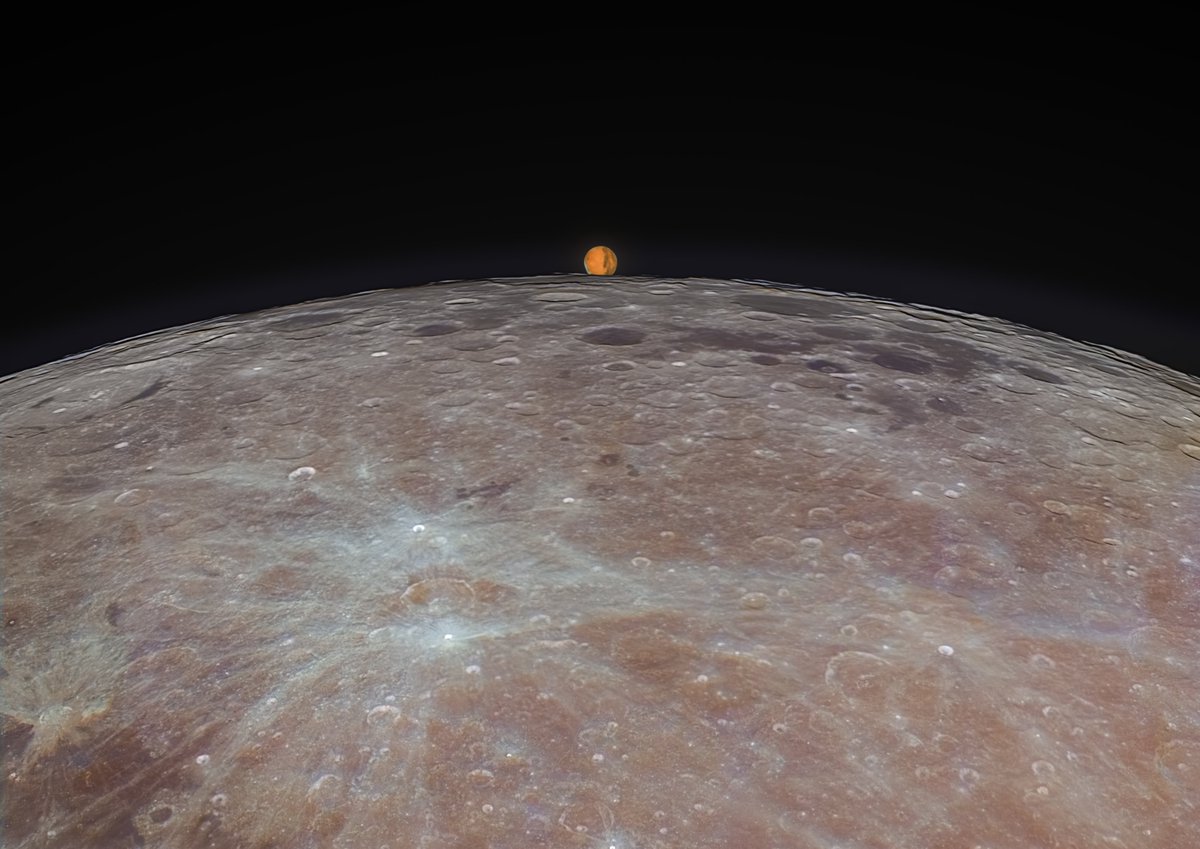
This is the moment Mars peeked out from behind our moon after being hidden for an hour. This shot was captured using my largest telescope and a special high-speed camera. Seeing another planet rising on the horizon of our moon was such a surreal experience.
How Nepali media failed in covering the human cost of the #QatarWorldCup? Here’s what I’ve seen across the country but not in our mainstream media. Follow the thread👇
THREAD
You think Ben Stokes is tough? Let me tell you the story of another tough guy.
It's the 80s and this man was playing rugby for Wellington. This was supposed to be the last match he had to play before flying to England where he had a season ahead of him with Workington.
Why do people often stick their tongue out when they are concentrating on something? It turns out much of your brain is devoted to your tongue and sticking it out or biting it leaves more brain-power available to concentrate
[source: https://t.co/z0FBOJC2cb]
I still love the fact that Bluetooth was named after the 10th-century Danish King Harald 'Bluetooth' Gormsson, said to have had a dead tooth (or to have loved liquorice). He united the various tribes of Denmark, hence the name choice for a technology that is all about connecting.





![Rainmaker1973's tweet photo. Why do people often stick their tongue out when they are concentrating on something? It turns out much of your brain is devoted to your tongue and sticking it out or biting it leaves more brain-power available to concentrate
[source: https://t.co/z0FBOJC2cb] https://t.co/0dA8wzCWiO](https://pbs.twimg.com/media/FhcCWiDWYAA7jG-.png)


