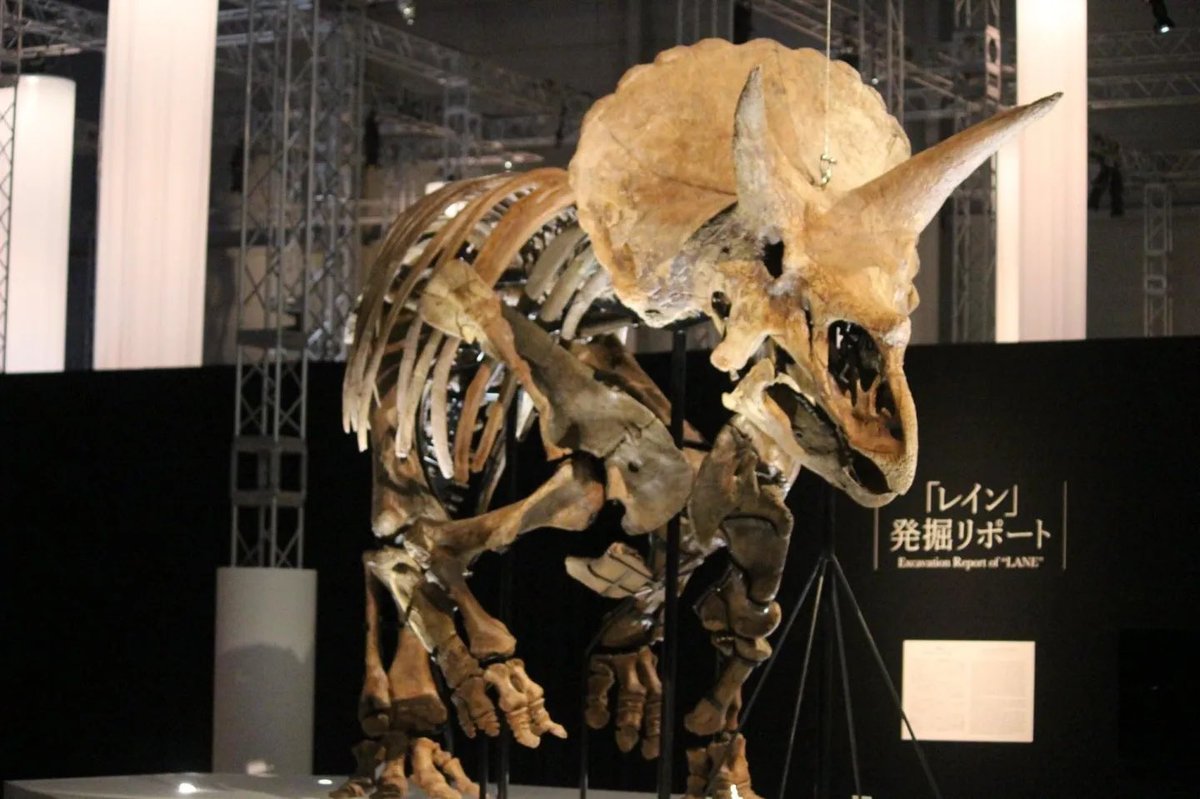
@haozhenZHA812 Hi- I tried to message, but looks like your DM's aren't open. I would like to contact you regarding the use of one of your photos for a publication. Is there a good way to reach out to you?
This isn't a horror movie set. It's a road in Denmark.
The streetlights are red to save the bats.
Bats can't see red light the way they see white or green light, so to them, it's essentially darkness.
White streetlights are one of the leading causes of bat decline in urban areas. Light-shy species avoid lit areas entirely, cutting them off from feeding grounds and migration routes.
Standard streetlights reduce bat activity by up to 90% in some species.
Denmark figured out a fix. So did the Netherlands. When they installed red LED streetlights along roads near bat colonies, bat activity returned to normal levels almost immediately.
The lights still work fine for humans. Drivers can see. Cyclists can navigate.
The only thing that changed is that the bats got their night back.
Do you want your city to do this?
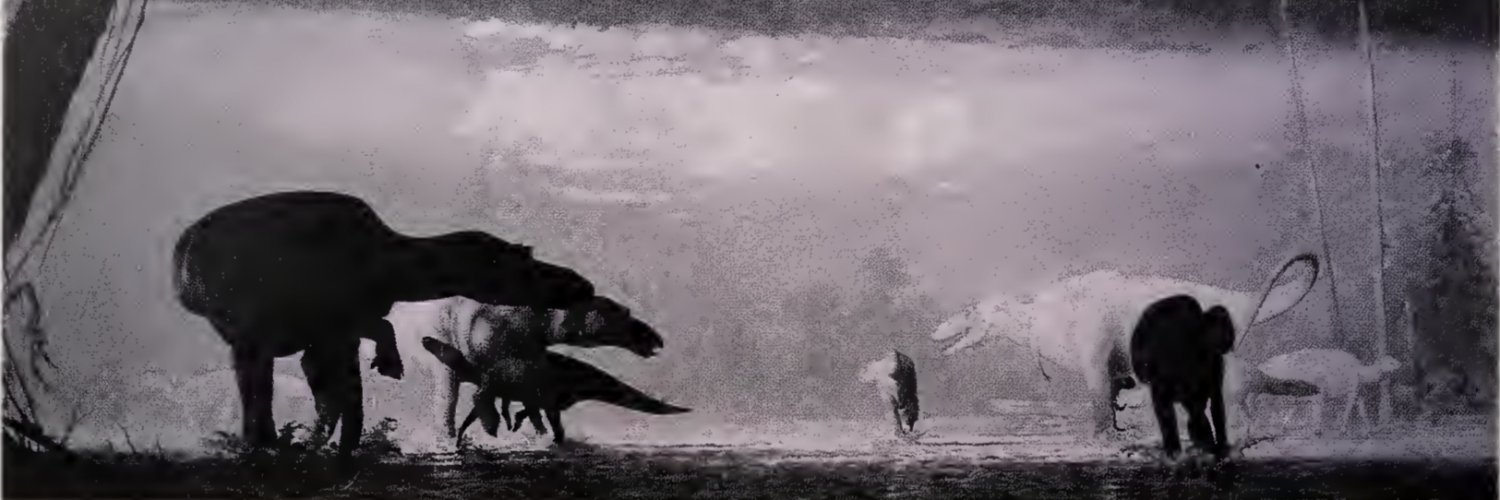
Art restoration of a Late Cretaceous (?Maastrichtian) terrestrial ecosystem from the Lianhe Formation of south China, including Gongshuilong fanwei, a new Asian brachylophosaurin hadrosaurid bearing a sail-like tail. (drawn by the artist Yifan Wang)
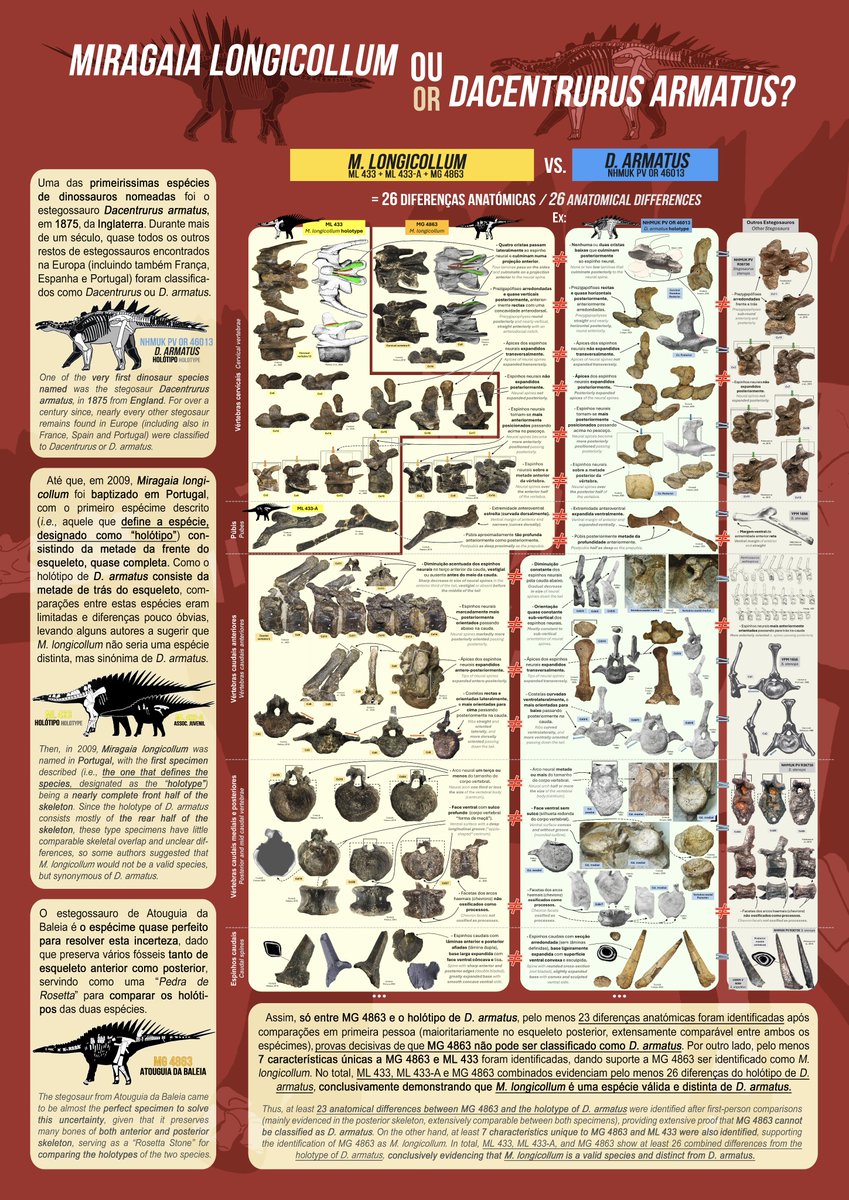
The Miragaia exhibit in Museu Geológico de Lisboa is finally opening next May!!
As an aperitif until then, here's one of the posters I made to compare, in a single plate, just some of the many differences between M. longicollum and D. armatus that makes them different species!
California squirrels are eating rodents in broad daylight.
In California’s Briones Regional Park, researchers observed a startling new behavior: California ground squirrels, typically known for eating nuts and seeds, are now hunting, killing, and consuming voles, a smaller rodent species in their habitat.
A study in the Journal of Ethology documented 74 squirrel-vole interactions, with 42% involving squirrels stalking, pouncing on, and eating voles. This behavior, observed almost daily, marks the first recorded instance of widespread carnivory in this species. While squirrels have occasionally eaten insects or bird eggs, actively hunting warm-blooded prey is unprecedented.
Student-recorded videos show squirrels chasing voles, restraining them with forepaws, biting their necks, and consuming their flesh or organs. The behavior may stem from a vole population surge—nearly seven times the state’s ten-year average—prompting squirrels to exploit this abundant protein source.
Squirrels of all ages and sexes participated, suggesting a potential lasting adaptation. It’s unclear if this carnivorous trend will continue once vole numbers normalize, but the discovery reveals the surprising adaptability of even well-known animals.
["Squirrels Are Displaying ‘Widespread Carnivorous Behavior’ for the First Time in a California Park, New Study Finds." Smithsonian Magazine, 2025]















![Rainmaker1973's tweet photo. California squirrels are eating rodents in broad daylight.
In California’s Briones Regional Park, researchers observed a startling new behavior: California ground squirrels, typically known for eating nuts and seeds, are now hunting, killing, and consuming voles, a smaller rodent species in their habitat.
A study in the Journal of Ethology documented 74 squirrel-vole interactions, with 42% involving squirrels stalking, pouncing on, and eating voles. This behavior, observed almost daily, marks the first recorded instance of widespread carnivory in this species. While squirrels have occasionally eaten insects or bird eggs, actively hunting warm-blooded prey is unprecedented.
Student-recorded videos show squirrels chasing voles, restraining them with forepaws, biting their necks, and consuming their flesh or organs. The behavior may stem from a vole population surge—nearly seven times the state’s ten-year average—prompting squirrels to exploit this abundant protein source.
Squirrels of all ages and sexes participated, suggesting a potential lasting adaptation. It’s unclear if this carnivorous trend will continue once vole numbers normalize, but the discovery reveals the surprising adaptability of even well-known animals.
["Squirrels Are Displaying ‘Widespread Carnivorous Behavior’ for the First Time in a California Park, New Study Finds." Smithsonian Magazine, 2025]](https://pbs.twimg.com/media/HDry1-8WYAAD5zX.png)