🌍✨ Discover the elegance of African fashion with Broots! Stories by the Black race, for the Black race. 🖤 Explore our latest features on fashion, culture, and unity. ✊🏾
Check it out: https://t.co/RZ93WdGqcn
#AfricanFashion#BlackExcellence#BrootsMagazine
Jesse Russell: The pioneer behind the world's first cell phone. His legacy transformed the way we communicate, forever changing the landscape of technology.
Video source: Instagram /vintageaaeverything
#buildteamafrica#CellPhoneHistory#JesseRussell#brootsmagazine
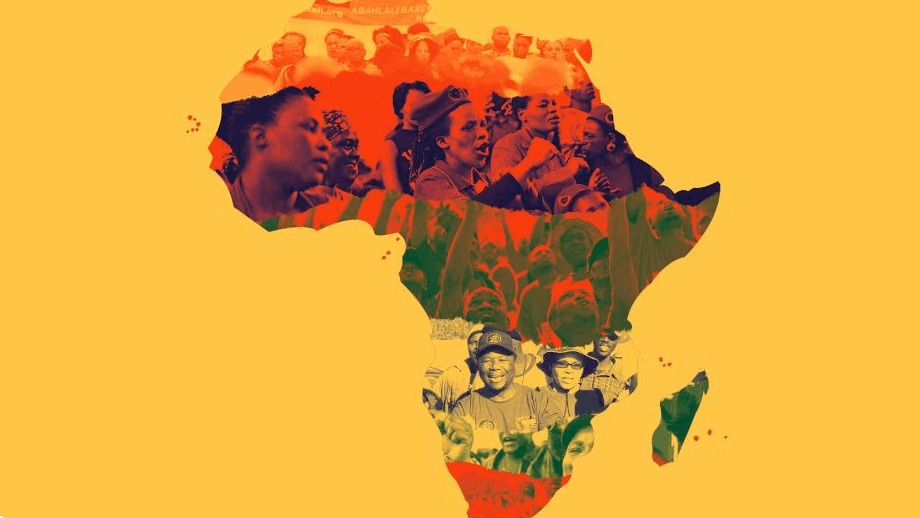
Rekindling the Pan-African Spirit Among Young Africans
What are the challenges, implications, and the path forward?
The Pan-African spirit which was once a defining force in the fight against colonialism and a unifying ideology for African solidarity, seems to be losing its hold among today's youth, both on the continent and in the diaspora. This disconnection from the ideals of Pan-Africanism—cultural pride, unity, and a collective vision for Africa’s development—poses a significant challenge to the continent's future.
One of the main implications of this disconnection is the erosion of cultural identity among young Africans. Many are increasingly drawn to Western ideals and values, often at the expense of their rich cultural heritage. This shift risks diluting the appreciation of Africa’s diverse traditions and undermines the continent’s collective potential. As a result, the sense of belonging and unity, which once propelled movements like Ghana's fight for independence under Kwame Nkrumah and the anti-apartheid struggle led by Nelson Mandela, has weakened. Without this shared sense of purpose, the youth may lack the drive to tackle Africa’s challenges with a united front.
Additionally, the disconnect threatens Africa’s political and economic advancement. The Pan-African ideology inspired early leaders to work toward a common vision of African self-reliance and regional integration, exemplified by the formation of the African Union (AU). Today, however, the absence of such a shared spirit among the youth contributes to a fragmented approach to regional issues like trade, security, and governance. This fragmentation hinders the development of robust continental institutions and stifles collective efforts to negotiate Africa’s position on the global stage, as seen in the challenges facing the African Continental Free Trade Area (AfCFTA).
Rekindling this Pan-African spirit requires deliberate efforts in education, cultural reawakening, and leveraging digital spaces. African governments and institutions should prioritize curricula that emphasize African history, heroes, and shared values, inspiring a new generation to take pride in their heritage. Additionally, cultural events like the Afropunk Festival and digital platforms such as YouTube and TikTok can serve as spaces for young Africans to engage with their roots, promote African content, exchange ideas, and collaborate on solutions to common challenges.
Moreover, the African diaspora has a pivotal role to play. By remaining connected to their origins, they can bridge the gap between Africa and the world, bringing investments, skills, and a renewed sense of purpose back to the continent, much like the returnees driving tech innovations in countries like Nigeria and Ghana. This rekindling of the Pan-African spirit is not just about remembering the past but envisioning a united Africa that leverages its diversity for a prosperous future. Reawakening this spirit among the youth is critical for sustaining the vision of an Africa that is proud, united, and forward-looking.
Uncover the hidden gem of Mali
Deep in the heart of West Africa lies the ancient city of Segou, Mali, a treasure land of rich cultural heritage and stunning architecture. This historic city, once the capital of the Bambara Empire, boasts an array of architectural wonders that reflect its complex history and cultural diversity.
#SegouMali #WestAfrica #AfricanHeritage #BambaraEmpire #MaliTourism #ArchitectureLovers #HistoricCities #CulturalPreservation #TravelAfrica #ExploreTheWorld #HeritageSite #AncientCities #MalianCulture
This week's Wednesday Wisdom scoop from the late author and thinker Maya Angelou (1928 - 2014) serves as a reminder of the significance of history when trying to shape a future.
Both on individual and community levels, detaching people from their roots often - if not always - results in identity crises. Furthermore, when people do not know their true history, they become susceptible to manipulation by other people's narratives of who they are.
For example, Africans who have internalised the idea that they are inferior to Europeans actively go out of their way to be the closest they possibly can to Whiteness. It is why skin bleaching, for instance, is an epidemic in many parts of the continent and beyond. Or the reason some Africans in the diaspora try to distance themselves from the continent based on narratives told to them by the imperialists about Africa.
Arguably, the most important wing of liberation is mental decolonisation, as it is from this that all other actions result. Emancipation from mental slavery cannot be achieved without a strong footing to renew the mind. That strong footing for Africans is African history; understanding where we have been and how we arrived at our current reality to know where we are heading and shape tomorrow’s current.
In 1847, Missouri banned education for black people.
John Berry Meachum went ahead and equipped a steamboat with a library, desks, chairs and opened a 'Floating Freedom School'.
A THREAD!
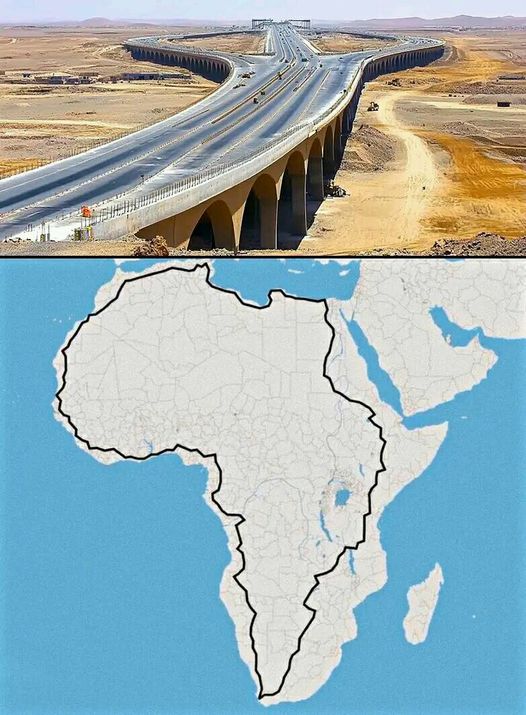
The Trans-African Highway Network, Africa's most ambitious road project, is a pan-African initiative aiming to integrate nine major highways, covering a total of 56,683 kilometers.
The route will pass through South Africa 🇿🇦, Kenya 🇰🇪, Uganda 🇺🇬, Nigeria 🇳🇬, Cameroon 🇨🇲, Algeria 🇩🇿, Egypt 🇪🇬, Libya 🇱🇾, Senegal 🇸🇳, Chad 🇹🇩, Djibouti 🇩🇯, Ethiopia 🇪🇹, Sudan 🇸🇩, Botswana 🇧🇼, Angola 🇦🇴, Zambia 🇿🇲, Namibia 🇳🇦, Zimbabwe 🇿🇼, Mozambique 🇲🇿, Tanzania 🇹🇿, the Central African Republic 🇨🇫, and the Democratic Republic of Congo 🇨🇩.
This network symbolizes Africa’s commitment to progress and enhanced interconnectivity.
Out of 193 Countries the British has invaded 171 countries killing and destroying several civilizations, today they want to teach us about human rights.
Ghadafi, who was one of the greatest pan Africanist always printed images of his role models who are African inspiring leaders we should celebrate on his cloth sometimes the map of Africa. They brainwashed you and told you all the lies in the world to paint him bad.
Under Gaddafi, Libya was a prosperous and rich country and Ghadafi also ensured the stability of the whole region.
For standing for the unity of Africa and standing against imperialist,they killed him in cold blood.
They feasted on Tripoli and left the whole region in chaos till date where the country has two different governments with no central government.
Broots Spotlight This Week!
*Shining a Light on Jazz Greats*
This week, we're celebrating the rich history and soulful sounds of jazz!
*Featured Artists:*
Thelonious Monk
Dizzy Gillespie
John Coltrane
Herbie Hancock
Rahsaan Roland Kirk
*Throwback Photos:*
Check out our gallery featuring rare, cool and colourful photos from Bernie Moss's collection, taken at Paul's Mall Jazz Workshop (1962-1965).
*Join the Conversation:*
Share your favorite jazz albums, artists, or memories!
Stay Tuned:
More Black African history coming your way.
Photo source: Instagram /jazzphotoarchives
#buildteamafrica
#brootsmagazine
#BrootsSpotlight #JazzMusic #JazzLegends #Throwback #MusicHistory
*Broots Magazine Spotlight: Aso Oke - The Epitome of Yoruba Elegance*
In today post, Broots Magazine shines the spotlight on Aso Oke, the traditional textile fabric of the Yoruba people, southwestern Nigeria. This majestic fabric embodies cultural heritage, elegance, and sophistication, weaving a narrative of royalty, nobility, and tradition.
Aso Oke represents:
- Royalty and nobility
- Cultural identity
- Tradition and heritage
- Special occasions (weddings, ceremonies, festivals)
*Intricate Designs and Patterns*
Aso Oke boasts exquisite designs, including:
- Adire (tie-dye)
- Batik
- Hand-woven patterns
- Geometric shapes
- Natural dye
*Traditional Colors*
- Indigo (fertility)
- White (purity)
- Gold (wealth)
*Explore More*
Delve deeper into Yoruba culture and textiles. Learn about the history, symbolism, and craftsmanship behind Aso Oke.
*Join the Conversation*
Share your thoughts on Aso Oke's significance and beauty.
Tag us and use #AsoOke #YorubaCulture #TraditionalFashion
#brootsmagazine
#buildteamafrica
Photo source: Pinterest/Etsy